Mastering the Art of Authentic Child Portraiture Through Behavioral Psychology and Strategic Engagement

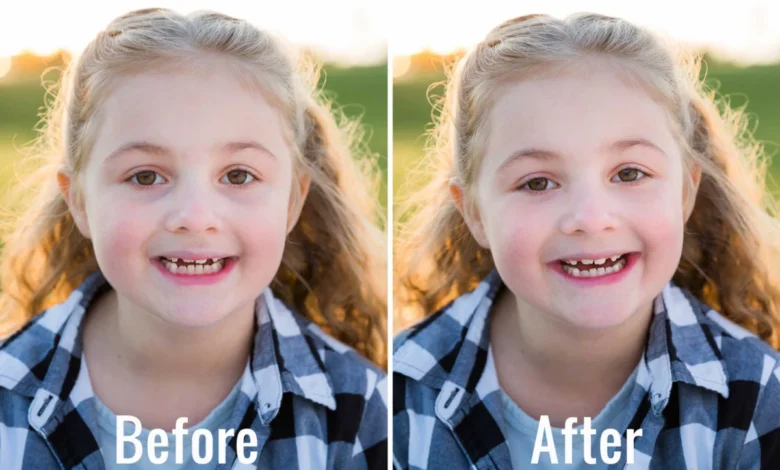
The challenge of capturing genuine human expression in child photography has long been a focal point for portrait professionals, distinguishing high-end studio work from casual smartphone snapshots. While the phenomenon of the "Smile on Demand"—a performative, often forced facial expression—is a common obstacle, photographers are increasingly adopting behavioral psychology techniques to elicit authentic emotional responses. By moving beyond simple commands and integrating interactive engagement strategies, professionals are successfully creating portraits that resonate with parents’ desires for lasting, heartfelt imagery.
The Psychology of the Forced Smile and the Search for Authenticity
In child photography, the "Smile on Demand" (S.O.D.) is a defensive mechanism. Children, sensing the pressure of a camera lens and the expectations of adults, often default to a practiced, static grin. Data from child behavior studies suggests that children as young as three begin to mimic social cues they believe are expected of them, which often leads to the unnatural, "plastic" smiles frequently seen in school or studio portraits.

For many parents, the difference between a posed smile and a genuine one is visceral. Market research in the portrait industry indicates that parents consistently prioritize emotional authenticity over technical perfection. Even in instances where a professional photographer captures a technically flawless, high-resolution portrait, parents are statistically more likely to select a slightly imperfect or candid image if it captures a "true" smile—characterized by the engagement of the orbicularis oculi muscles around the eyes, known as a Duchenne smile.
The Serious Face Technique: A Tactical Approach
To bypass the S.O.D. reflex, many photographers have turned to a method known as the "Serious Face" technique. This approach leverages the psychological concept of suppression. By instructing a child to maintain a neutral or "serious" expression, the photographer creates a physiological challenge. Because young children lack the emotional regulation to maintain a stoic, serious face for more than a few seconds, the instruction to "not smile" typically triggers a release of tension.
The chronology of this interaction follows a predictable pattern:

- The Directive: The photographer issues a firm but playful instruction to hold a serious, mad, or "clown" face.
- The Struggle: The child attempts to comply, which creates internal cognitive dissonance.
- The Breakdown: The child experiences a sudden lapse in control, leading to a natural laugh or giggle.
- The Peak Moment: As the laughter subsides, there is a "golden window"—a split-second transition between the residual laugh and the return to a neutral state. This is when the most genuine, spontaneous smile occurs.
Professional photographers utilize continuous shutter modes during this sequence to ensure that this specific, fleeting expression is captured. The technical preparation required to catch this micro-expression is what differentiates professional outcomes from amateur efforts.
Professional Engagement Strategies for Successful Sessions
Beyond specific facial techniques, professional photographers employ a range of engagement strategies to ensure that the session remains productive. These methods are rooted in building rapport and minimizing the "stranger danger" anxiety that can inhibit natural behavior.
Establishing Rapport as a Peer
The most successful sessions are those where the photographer adopts a role closer to a playmate than an authority figure. By physically lowering themselves to the child’s eye level, the photographer immediately shifts the power dynamic. This reduction in physical stature is a foundational element of child-centered communication, as it reduces the intimidation factor associated with large, professional-grade DSLR cameras.

Leveraging "Secret" Information
One of the most effective psychological tools involves the use of "secrets." Children are often motivated by the prospect of holding exclusive information that their parents do not possess. Photographers may coordinate with parents prior to the session to learn about upcoming rewards, such as a trip for ice cream or a new toy. By "sharing" this secret with the child, the photographer fosters a sense of trust and complicity. This bond allows the photographer to guide the child through the session with greater cooperation.
Managing Camera-Related Anxiety
The physical presence of a DSLR camera can be jarring for toddlers. To mitigate this, many professionals use camera-mounted accessories. Tools such as "Shutter Huggers"—plush animals that attach to the lens barrel—or hot-shoe mounted holders for smartphones and puppets serve two purposes: they provide a visual focal point for the child, ensuring eye contact with the lens, and they act as a "friendly" mascot that softens the mechanical appearance of the equipment.
Integrating Movement and Environment
Static posing is rarely effective for children under the age of seven. Professional photographers now incorporate movement as a standard part of their workflow. By scouting locations that allow for 3–5 distinct areas of activity, photographers can transition between structured portraits and candid play. Activities such as short races, dance-offs, or interactive games like "follow the leader" ensure that the child remains physically engaged, which in turn leads to more natural breathing patterns and facial muscle relaxation.

Industry Implications and Future Trends
The shift toward candid, behaviorally-informed photography has significant implications for the portrait industry. As smartphone cameras continue to improve, the value proposition of a professional photographer has moved away from mere technical image quality to the "experience" of the session.
A 2022 survey of portrait clients found that 85% of parents view the session experience as a primary factor in choosing a photographer. This highlights a trend toward "lifestyle photography," where the focus is on capturing the personality of the subject rather than a stiff, traditional portrait. The ability to manipulate a child’s emotional state in a positive, ethical, and fun way has become a core competency for photographers.
Ethical Considerations and Parental Involvement
While techniques like the "Serious Face" are effective, professionals emphasize the importance of parental involvement as a support system rather than a distraction. Often, the best results are achieved when parents are instructed to stand behind the photographer, serving as a secondary source of engagement—using noisemakers, funny voices, or pre-approved apps—without becoming a source of stress for the child.

Ultimately, the goal of modern child portraiture is to produce an archive of genuine growth. By utilizing these evidence-based strategies, photographers can move past the limitations of forced expressions and provide families with imagery that accurately reflects the joy, curiosity, and spirit of childhood. As the industry evolves, the emphasis on empathy, patience, and behavioral awareness remains the most critical equipment in the photographer’s kit. By treating the photoshoot as an interactive event rather than a static chore, photographers ensure not only a successful product but a positive, memorable experience for the family.