Bringing the Depths to Life: The Complex Visual Effects Behind Marcellus the Octopus in Netflix Adaptation Remarkably Bright Creatures

The creation of a believable, emotionally resonant central character that also happens to be a giant Pacific octopus represents one of the most demanding technical and artistic hurdles in modern visual effects. In the Netflix film adaptation of Shelby Van Pelt’s bestselling novel, Remarkably Bright Creatures, this challenge fell to a dedicated team of digital artists, animators, and technicians led by Visual Effects Supervisor Chris Ritvo. Centering on an unusual narrative perspective shared by a captive cephalopod named Marcellus—who observes and comments on human grief, trauma, and connection—the production required an unprecedented marriage of complex water simulations, intricate creature rigging, and seamless live-action integration.
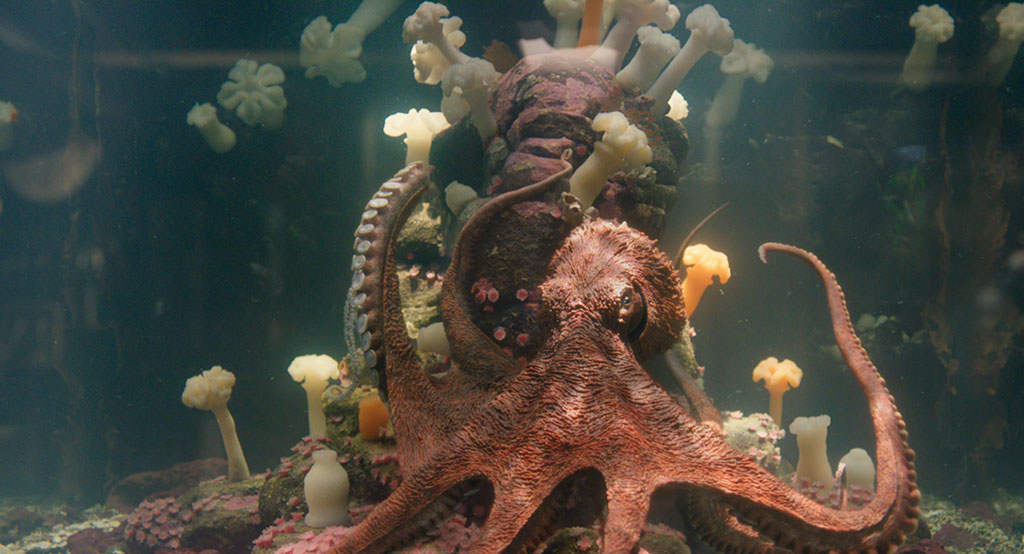
As streaming platforms increasingly lean into ambitious literary adaptations, the technical execution of non-traditional characters has grown in scope. For Remarkably Bright Creatures, the success of the film hinged entirely on whether audiences could genuinely believe in the sentience and physical presence of Marcellus while he interacted with human actors such as Sally Field and Lewis Pullman. Through a combination of photorealistic computer graphics, specialized practical props, and extensive behavioral research, the production navigated the fine line between scientific accuracy and emotional storytelling.
Main Facts and Production Framework
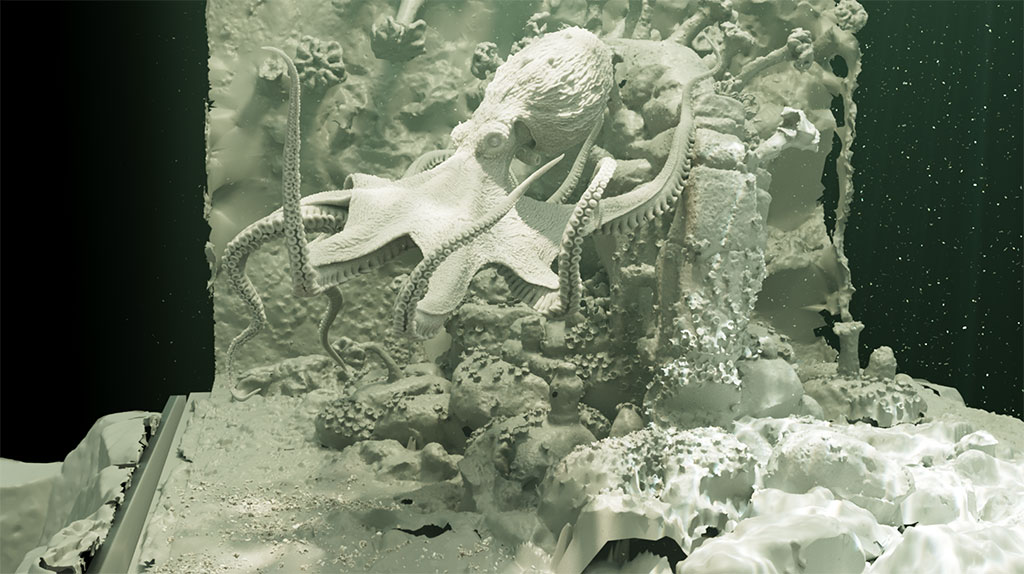
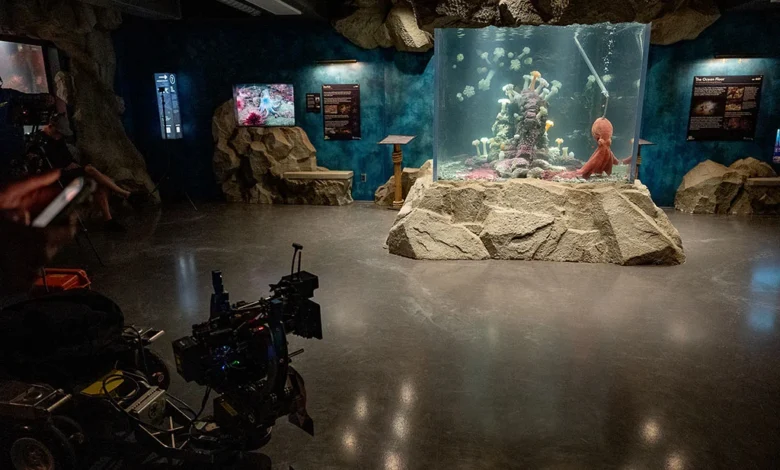
Production on Remarkably Bright Creatures relied heavily on practical location shooting supplemented by extensive digital enhancement. Principal photography took place primarily in Maple Ridge and surrounding areas of British Columbia, utilizing a hybrid of studio sets, local environments, and footage captured at the Vancouver Aquarium. Rather than relying on a single capture methodology, the visual effects pipeline required the collaboration of multiple specialized studios, with Untold Studios acting as the primary vendor responsible for the intricate octopus asset and advanced fluid dynamics. Additional support came from Wiley Co. VFX handling postvis, Savage VFX managing environmental enhancements, and NetFX executing foundational paintwork across approximately 400 total visual effects shots.
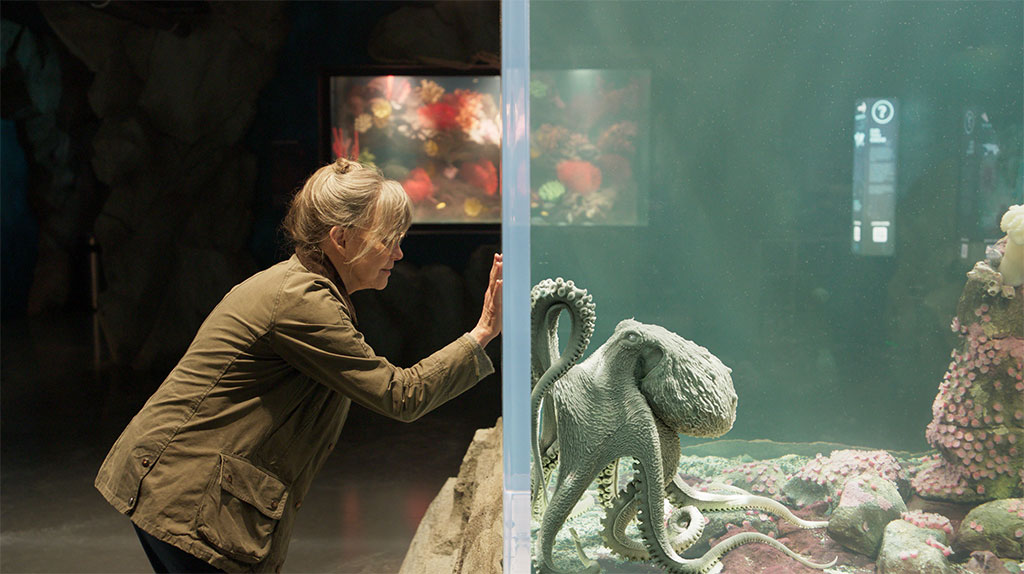
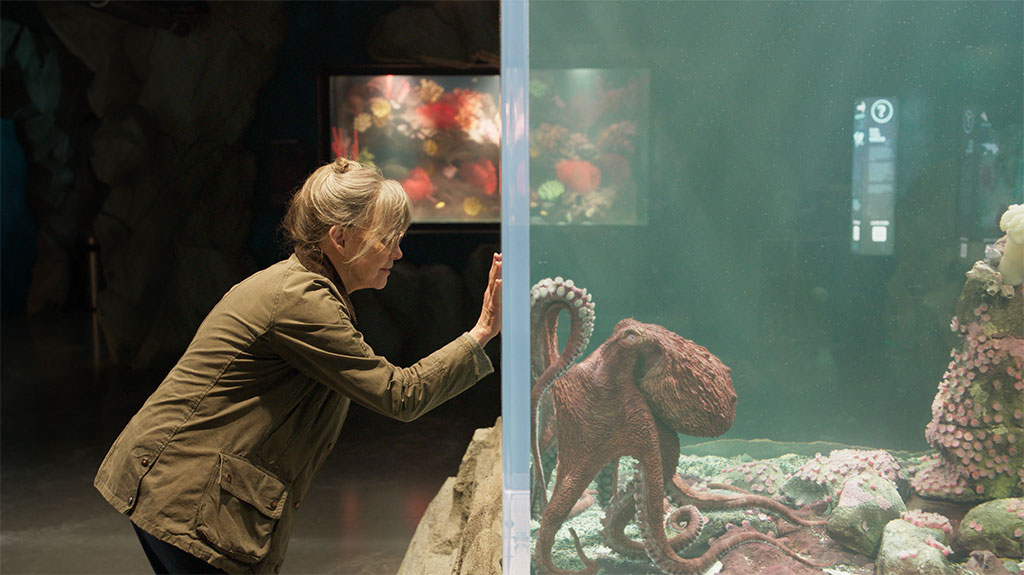
Central to the film’s visual identity was the depiction of Marcellus within his aquarium enclosure and his subsequent return to the natural marine environment. Because octopuses lack skeletal structures, their movement is fluid, continuous, and notoriously difficult to replicate digitally. To ensure the character maintained biological credibility, the animation team referenced hours of footage studying a real giant Pacific octopus named Agnetha, housed in Vancouver. This dedication to empirical observation dictated everything from the independent twitching of individual suction cups to the undulating mechanics of the creature’s skin, which responded dynamically to simulated underwater currents.
Chronology and Technical Execution of Marine Simulations
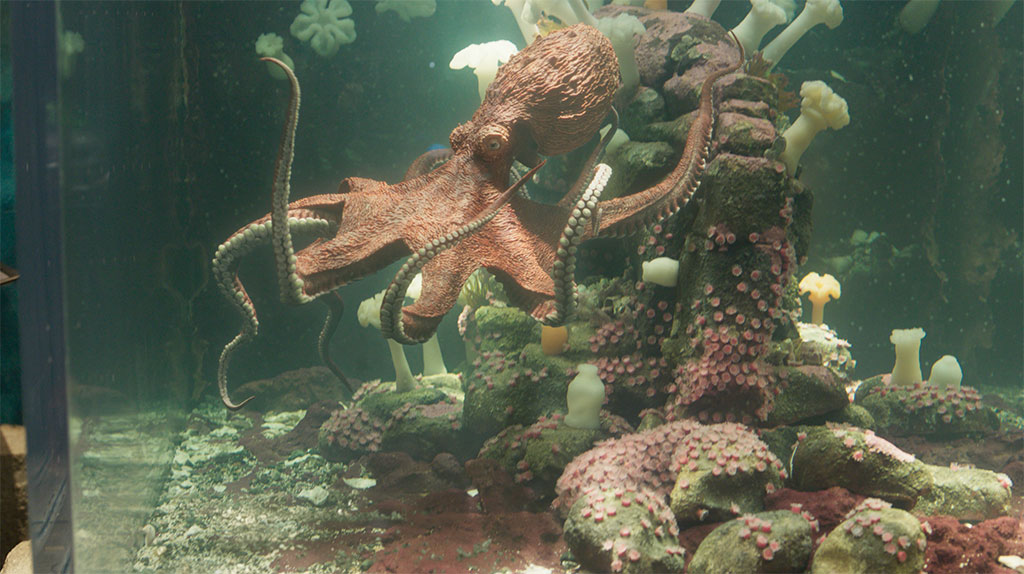
The visual effects workflow for Remarkably Bright Creatures followed a meticulous timeline, beginning months before principal photography with ocean plate acquisition and concluding in post-production with complex compositing layers. The production team first captured real ocean plates for the opening, middle, and concluding sequences of the film. These plates established the baseline environmental conditions of the Pacific Northwest, characterized by dark, murky waters rather than the clear turquoise currents typically associated with tropical marine settings.
Finding the right visual balance for these underwater sequences proved crucial. Cinematographers and the visual effects department had to position camera setups closer to the surface to capture adequate clarity while retaining the rich, moody falloff native to the region. To make the environments more inviting for cinematic storytelling without sacrificing realism, artists applied a subtle blue color grade, gently shifting the natural palette away from harsh greens and browns. This timeline was further compressed by environmental factors; production schedules had to account for impending seasonal algae blooms in the local waters, forcing the camera crew to complete their oceanic plate photography within a strict two-week window.
Once principal photography wrapped, the integration phase commenced. Artists retrofitted digital plant life into the captured ocean plates, ensuring that digital flora seamlessly matched physical surroundings whenever Marcellus interacted with them. The simulation of water within the enclosed aquarium tank presented its own distinct physics problem. Standard water simulations are typically calibrated for vast, macro-scale environments. At the smaller scale of an indoor tank, fluid dynamics run the risk of appearing miniaturized, making the creature look like a shrunken-down giant rather than an adult octopus.
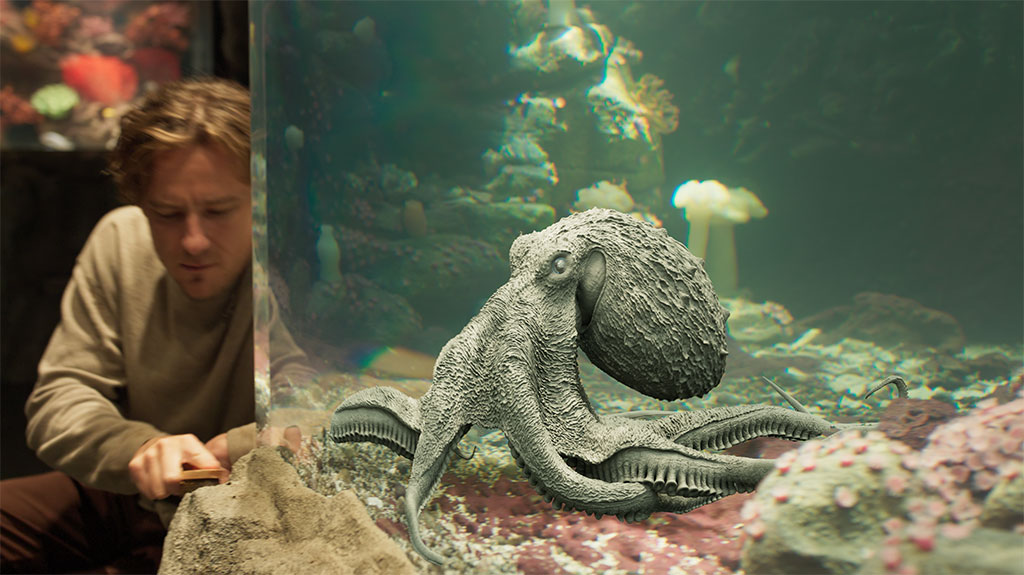
To overcome this, the visual effects team iterated through numerous cycles of fluid simulation, matching the real water present on set while introducing precise particulate dispersion, microscopic bubbles, and respiratory movements. Furthermore, whenever actors touched the water or handled the digital creature, compositing teams executed multi-tiered passes to track water droplets, surface tension residue, and skin-to-skin friction interactions.
Practical References and Practical Puppetry on Set
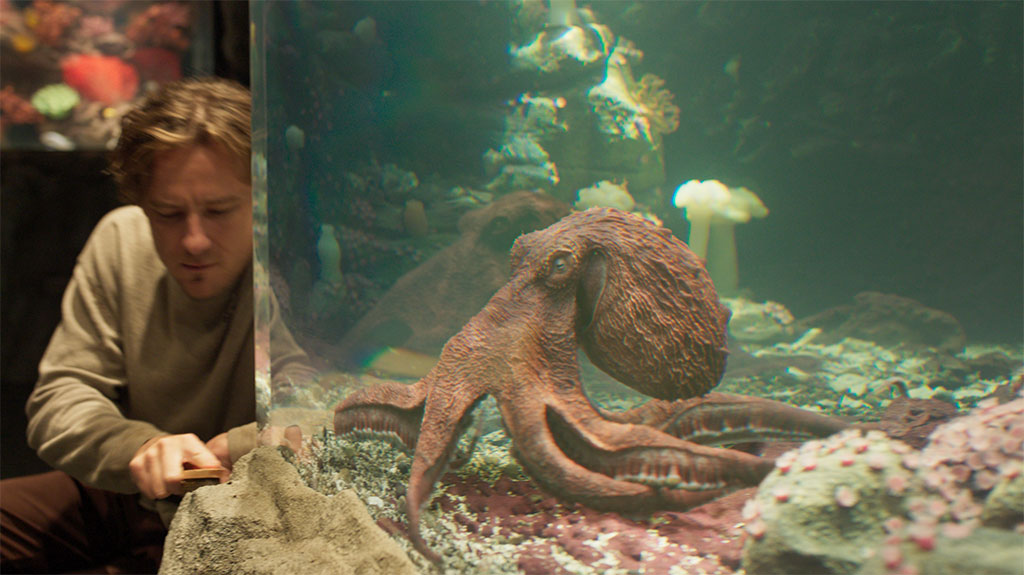
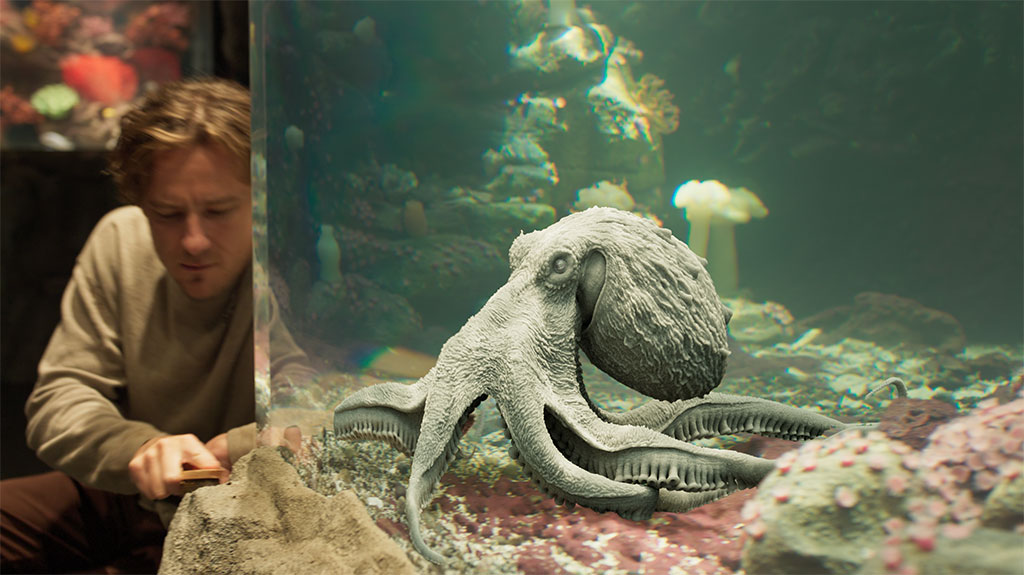
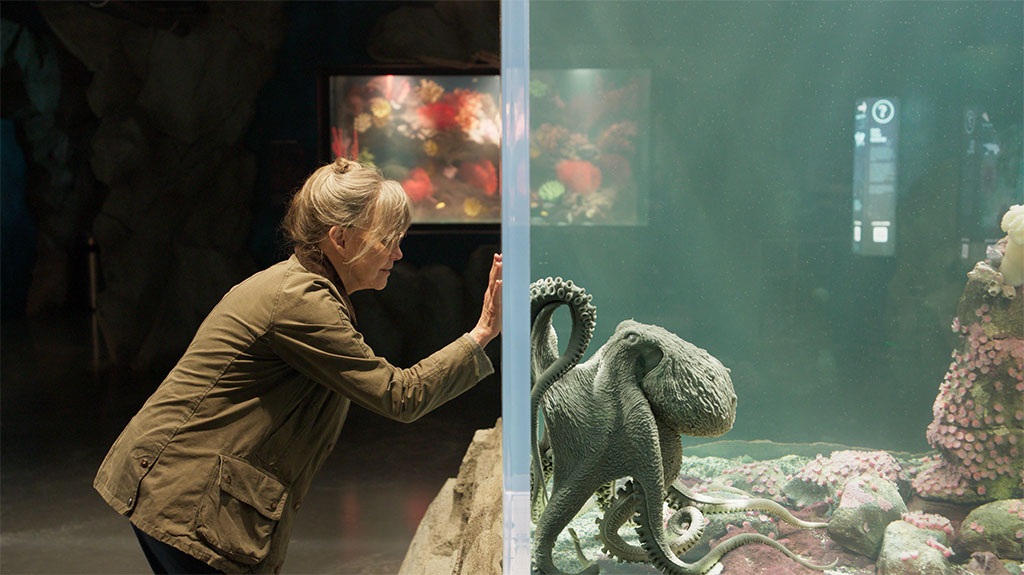
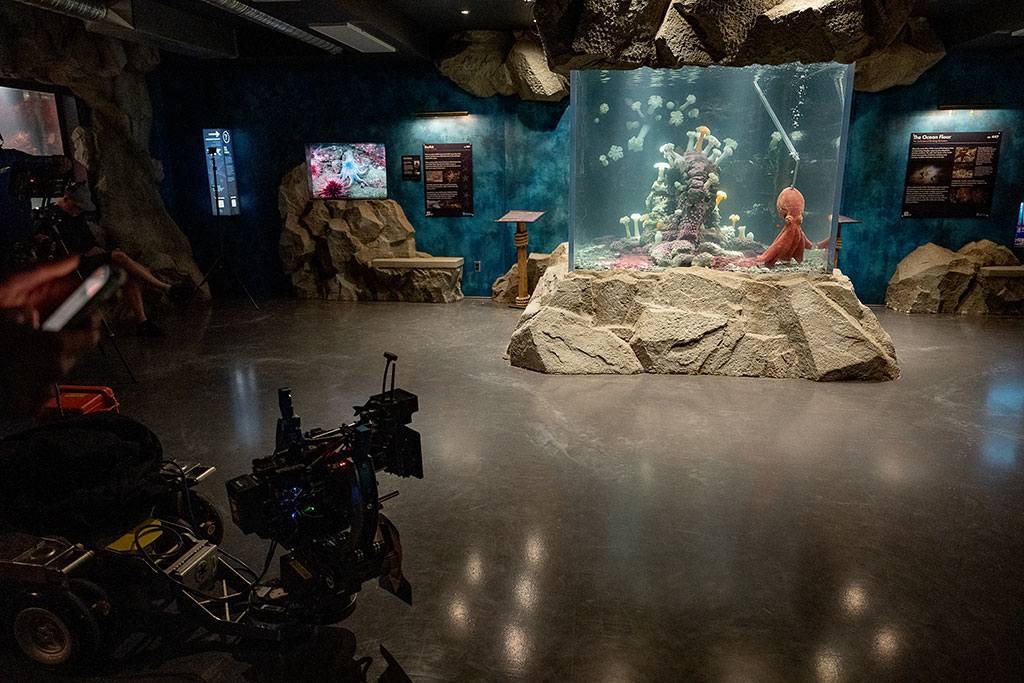
While the vast majority of Marcellus’s complex movements were handled digitally, the production utilized targeted practical tools on set to maintain lighting accuracy and spatial awareness for the human cast. No full-body animatronic puppets were used during scenes where Marcellus resided inside the tank or surfaced at the glass. Instead, actors Sally Field and Lewis Pullman interacted with physical water elements, later replaced by digital tank interiors and the CG cephalopod. For interactions outside the tank, actors utilized a simplified green reference puppet to guide their physical performances and eye lines.
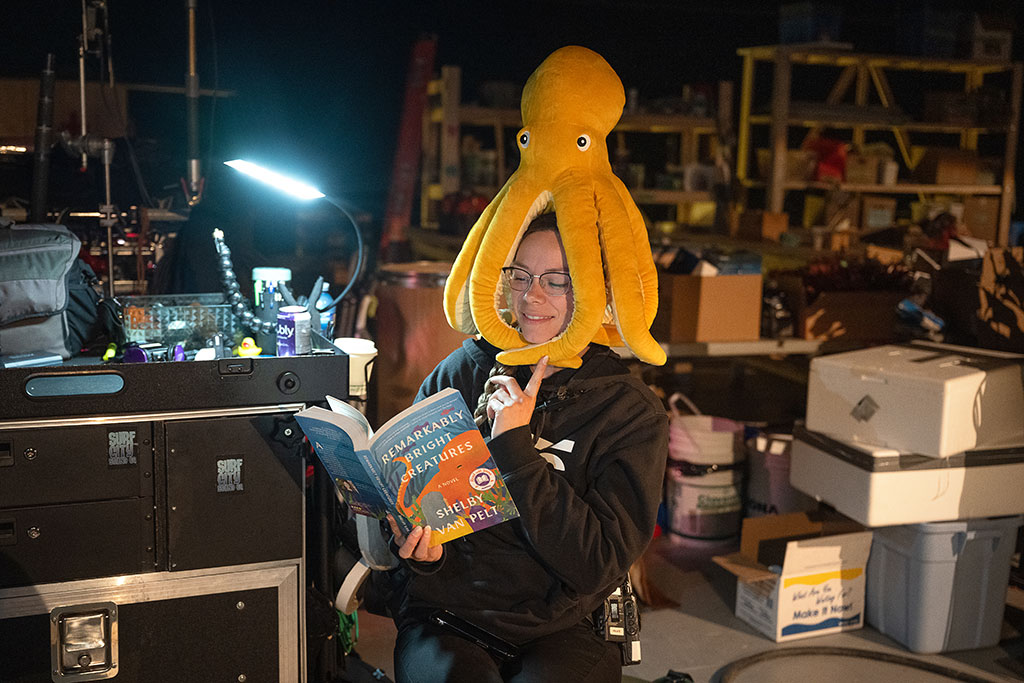
To guarantee precise lighting and accurate refraction through the glass of the aquarium set, the art department fabricated a full-size, color-corrected prosthetic model of Marcellus utilizing 3D printing technology. This model featured removable legs to prevent the prop from becoming unwieldy during on-set placement. By physically dipping the prosthetic into the practical water tank, cinematographers and VFX supervisors secured invaluable reference data regarding light bounce, caustic patterns, and glass distortion, which directly informed the final digital compositing stage.
Character Animation and the Climax of Biological Realism
Rigging an eight-armed invertebrate required a hierarchical structural approach designed to manage the immense data load of the digital asset. Untold Studios developed a three-tiered rigging system that allowed animators to toggle between a general body rig, a mid-level muscle rig, and a dedicated sucker rig. This modular framework enabled artists to establish base positioning before fluid and muscle simulations took over to generate natural weight, flop, and squish across the tentacles.
When Marcellus was required to leave the water and crawl across solid ground, the animation departed from traditional rigid-body mechanics. Without skeletal support, terrestrial octopuses flatten significantly under gravity. To prevent the creature from appearing overly grotesque, the animation team balanced biological accuracy with aesthetic appeal, orchestrating a laborious crawling motion accompanied by a glistening, viscous residue often referred to on set as the "snail trail"—a vital physiological detail that explains how marine cephalopods retain moisture outside their aquatic habitats.
The technical complexity culminated in the film’s dramatic final sequence, wherein Marcellus is released from a bucket back into the open ocean. This scene required the simultaneous convergence of six independent simulation layers: practical plate water, digital surface replacement, simulated raindrops, environmental ocean currents, creature-induced water displacement, and the physical splash mechanics of the octopus entering the sea. Visual Effects Supervisor Chris Ritvo highlighted this sequence as a technical high-water mark, praising both the seamless integration of the fluid layers and the emotional anchor provided by Sally Field’s performance.
Supporting Marine Life and Environmental Enhancement
Beyond the central character of Marcellus, the production populated its aquatic world with secondary digital fauna, including a pugnacious crab named Frank and a visibly battered moray eel. Artists referenced extensive biological source material to craft the eel’s moldable skin texture and damaged jaw structure, intending to project a brief yet genuinely threatening moment before Marcellus obscures the attack by releasing a cloud of dark, sinewy ink.
Environmental manipulation extended beyond aquatic tanks as well. Production utilized location spaces such as a local yacht club harbor, enhancing surrounding flora to evoke a sense of coastal isolation. Additional landscape adjustments were handled by Savage VFX, which augmented exterior trees in Maple Ridge, while NetFX managed meticulous cleanup and paintwork across the final cut.
Broader Impact and Industry Implications
The technical achievements realized in Remarkably Bright Creatures signal a continuing evolution in how non-human, biologically complex characters are brought to life in narrative cinema. By refusing to rely solely on simplistic stylization or traditional creature tropes, the visual effects teams have set a new benchmark for photorealistic animal animation coupled with emotional character work.
As streaming distribution models demand feature-film quality visual effects within television and streaming budgets, the methodologies developed for this production—ranging from modular multi-tiered rigging to micro-scale fluid dynamics—provide a blueprint for future creature-driven narratives. Ultimately, the success of Marcellus demonstrates that technical precision, when anchored by rigorous reference gathering and strong dramatic performances, can successfully bridge the gap between human audiences and the alien grace of the marine world.