The White House attempt to turn Tetris into an anti-immigration game appears to have hit a wall

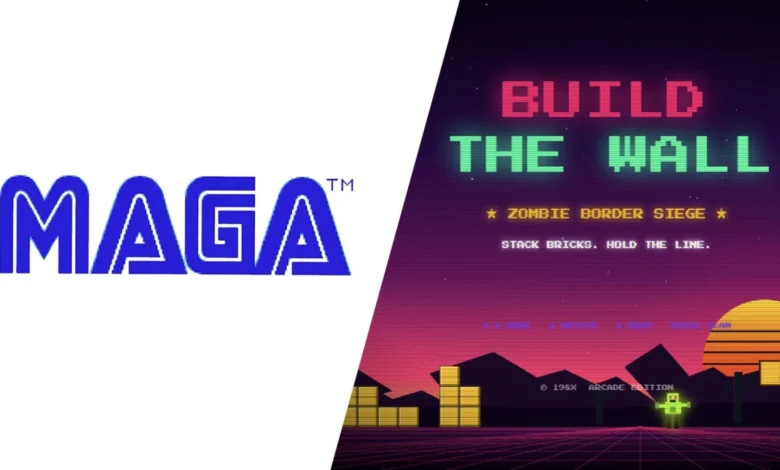
The recent launch of the federal web portal Arcade.gov has ignited a firestorm of controversy, centered not only on the overtly political nature of its content but also on the questionable legal foundations of its digital assets. The platform, which debuted in early September 2026, aimed to deploy browser-based video games to convey specific administrative policy narratives. However, the project encountered immediate backlash from the gaming industry, leading to the rapid removal of its flagship title following direct pressure from intellectual property holders.
The Launch and the Content of Arcade.gov
On Wednesday, September 2, 2026, the White House introduced Arcade.gov to the public. The site featured a suite of five rudimentary games, each designed to mirror the mechanics of classic arcade titles while integrating political rhetoric. The most prominent of these was "Build the Wall," a game clearly modeled after the iconic puzzle classic Tetris. In this version, players were tasked with "protecting the border" by stacking digital blocks.
The remaining titles included "Rio Run," a reimagining of the classic Snake, where the character of a border official is tasked with intercepting a line of figures; and "Trump Savings Tycoon," a title inspired by the mechanics of classic target-practice games, focused on managing fiscal policy themes. From a technical standpoint, the games were criticized for poor optimization, with numerous users reporting glitches—such as the "Build the Wall" game failing to register a loss even when blocks reached the top of the screen, or failing to function entirely on standard browser configurations.
Chronology of the Intellectual Property Conflict
The legal controversy began almost immediately upon the site’s deployment. Observers noted that the administration’s creative team had incorporated recognizable corporate branding, including logos for Xbox, Sega, and Pac-Man, without authorization.
- September 2, 2026: Arcade.gov goes live with five games, including "Build the Wall."
- September 3, 2026: The Tetris Company issues a formal statement via social media, distancing itself from the project and citing the unauthorized use of their intellectual property.
- September 4, 2026: In response to mounting legal pressure and public criticism regarding the lack of licensing, the White House removes "Build the Wall" from the site.
- September 5, 2026: Industry experts and legal analysts begin assessing the broader implications of the federal government’s use of copyrighted assets for political campaigning.
The swift intervention by The Tetris Company was unequivocal. In a public statement on X, the company clarified, "The Tetris Company was not involved in the creation of ‘Build the Wall.’ We take copyright infringement very seriously." This move served as a catalyst for other critics to highlight the systemic disregard for IP law displayed by the White House social media team, which has previously faced criticism for using licensed music and imagery—including Pokémon themes and Nintendo assets—without permission.
Intellectual Property in the Digital Age
The unauthorized use of intellectual property by a government entity presents a complex legal dilemma. Generally, the U.S. government is not exempt from the protections afforded to private creators under the Copyright Act of 1976. While "fair use" is a common defense, the application of this doctrine to political games that are essentially promotional in nature is rarely successful.
Legal experts point out that the inclusion of third-party logos—specifically those of major hardware and software corporations—poses a distinct liability. Trademark law is designed to prevent consumer confusion, and the appearance of corporate logos on a government-hosted political site could imply an endorsement from those companies that does not exist. This creates a risk for the companies involved, as they may feel forced to take action to protect their brand equity, despite the potential for political backlash.
The Silence of Major Industry Players
While The Tetris Company acted decisively, other major gaming conglomerates have remained largely silent. This hesitation is likely driven by the polarized political climate. Many corporations are wary of being perceived as taking a stance in partisan debates, fearing that litigation against a sitting administration could invite retaliatory regulatory scrutiny or alienate segments of their consumer base.
However, the precedent set by this event suggests that companies may no longer be able to afford such neutrality. When a government body directly clones the mechanics and aesthetics of a protected product to advance a specific policy agenda, the potential for long-term brand dilution is significant. If companies allow their flagship titles to be used as political tools, they risk losing the ability to enforce their copyrights in future, unrelated instances.
Broader Implications and Institutional Credibility
The failure of Arcade.gov highlights a growing trend in the use of "gamification" as a tool for political communication. By packaging policy narratives within familiar gaming structures, political operatives hope to reach younger, tech-savvy demographics. Yet, the shoddy execution and legal oversight of the project have arguably undermined the message the administration intended to send.
Furthermore, the reliance on AI-driven development tools and the seemingly lax attitude toward digital rights indicate a broader shift in how political campaigns approach content creation. In the rush to produce high-volume, low-cost digital assets, the necessary legal vetting processes are often bypassed. This not only risks litigation but also damages the professional reputation of the institutions involved.
Analysis of the "Build the Wall" Technical Failure
From a software development perspective, the failure of the "Build the Wall" game to function as intended is notable. Tetris, while simple in concept, requires precise collision detection and game-state management. The fact that the White House version failed to terminate the game when the play area was filled indicates a lack of rigorous quality assurance. This failure serves as a metaphor for the broader project: an attempt to utilize complex cultural touchstones without understanding the technical or legal scaffolding that supports them.
Future Legal Risks
If the White House continues to host games featuring unlicensed assets, it faces a high probability of further litigation. Beyond the immediate copyright claims, there is the issue of "right of publicity" and the potential for trademark dilution. The legal department of any major gaming company typically monitors the use of its assets with automated systems. If a pattern of infringement is established, the administration could face formal cease-and-desist orders that move beyond social media statements into the courtroom.
The incident has also prompted a wider discussion within the gaming industry regarding the protection of independent and legacy titles. Developers and publishers are increasingly aware that, in the age of rapid digital dissemination, their intellectual property is vulnerable to being repurposed for unintended ends. The response from The Tetris Company may serve as a template for other firms, signaling that the gaming industry will prioritize the defense of its IP over political considerations.
Conclusion
The Arcade.gov saga serves as a cautionary tale for government communications offices attempting to leverage pop culture for political gain. By failing to account for the intellectual property rights of the companies that built these iconic games, the administration not only faced the embarrassment of having their content removed but also highlighted a significant lack of professional oversight. As digital media continues to evolve, the intersection of politics and intellectual property will likely become increasingly contentious, necessitating a more disciplined approach from all parties involved. For now, the remaining games on Arcade.gov stand as a reminder of the fragility of digital content when it is created without respect for the foundational laws that govern the industry.