SHOTIME is Barry Chapman’s motion study on the science of performance, an homage to the dual-threat power of Japanese mega-star Shohei Ohtani.

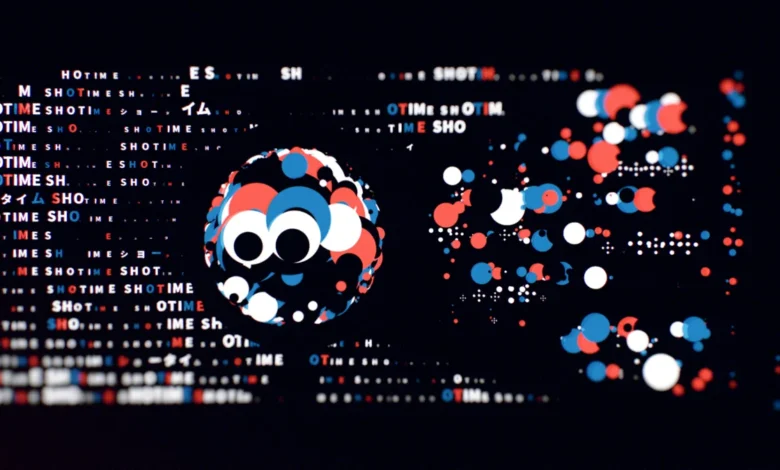
In a groundbreaking fusion of art, science, and athletic prowess, "SHOTIME" emerges as a profound motion study crafted by Barry Chapman, meticulously deconstructing the physics underpinning an elite baseball swing. This ambitious project, explicitly designed as an homage to the unparalleled dual-threat capabilities of Japanese mega-star Shohei Ohtani, transcends conventional sports broadcasting aesthetics to present the baseball diamond as a sophisticated, high-fidelity digital stage. By deliberately stripping away environmental distractions and immersing the viewer in a "technical void," the film achieves an intense focus on what Chapman describes as the "hyper-dilated" window—a critical juncture where raw physical instinct seamlessly converges with data-driven precision. The innovative approach aims not merely to observe but to dissect and illuminate the intricate mechanics that define peak athletic performance, offering a fresh perspective on the artistry of a baseball swing.
The Genesis of SHOTIME: Blending Art and Analytics
Barry Chapman’s vision for "SHOTIME" was rooted in a desire to move beyond the familiar visual language of televised sports. Traditional stadium broadcasts, while effective for real-time coverage, often fail to capture the granular detail and scientific beauty of athletic movement. Chapman sought to transform this observational experience into an analytical and artistic one, treating the athlete’s motion as a subject worthy of deep scientific and aesthetic exploration. The core objective was to create a visual narrative that elucidates the complex biomechanics of a baseball swing, akin to a scientific diagram brought to life, yet imbued with cinematic grandeur. This endeavor represents a significant step in the evolution of sports visualization, pushing the boundaries of how athletic achievements are documented, analyzed, and appreciated. The project acts as a bridge between the kinetic energy of sports and the meticulous detail of scientific inquiry, presenting Ohtani’s legendary swing not just as an action, but as a phenomenon.
Shohei Ohtani: The Dual-Threat Phenomenon
To fully appreciate the inspiration behind "SHOTIME," one must understand the unique stature of Shohei Ohtani. Born in Oshu, Iwate, Japan, Ohtani embarked on a professional career that began with the Hokkaido Nippon-Ham Fighters of Nippon Professional Baseball (NPB) in 2013. His arrival in Major League Baseball (MLB) in 2018 with the Los Angeles Angels marked a pivotal moment, reintroducing a concept largely dormant since Babe Ruth in the early 20th century: a player who excels as both an elite pitcher and an elite hitter.
Ohtani’s "dual-threat" capability is not merely proficient but historically dominant. As a pitcher, he consistently throws a fastball exceeding 100 mph, complemented by a devastating array of off-speed pitches. On the hitting side, he possesses prodigious power, regularly launching towering home runs that rank among the league’s longest. His achievements include multiple All-Star selections, the American League Most Valuable Player (MVP) Award in 2021 (a unanimous decision), and numerous other accolades that underscore his unprecedented impact. For instance, in his MVP season, Ohtani hit 46 home runs, drove in 100 runs, and stole 26 bases, while simultaneously pitching to a 9-2 record with a 3.18 ERA and 156 strikeouts over 130.1 innings. Such statistics are virtually unheard of in modern baseball, cementing his status as a generational talent and a global icon whose appeal transcends national borders and traditional baseball fandom. He is not just a player; he is a statistical anomaly and a testament to human athletic potential, making him the perfect subject for a scientific motion study like "SHOTIME."
Cinematic Craftsmanship: Visualizing Peak Performance
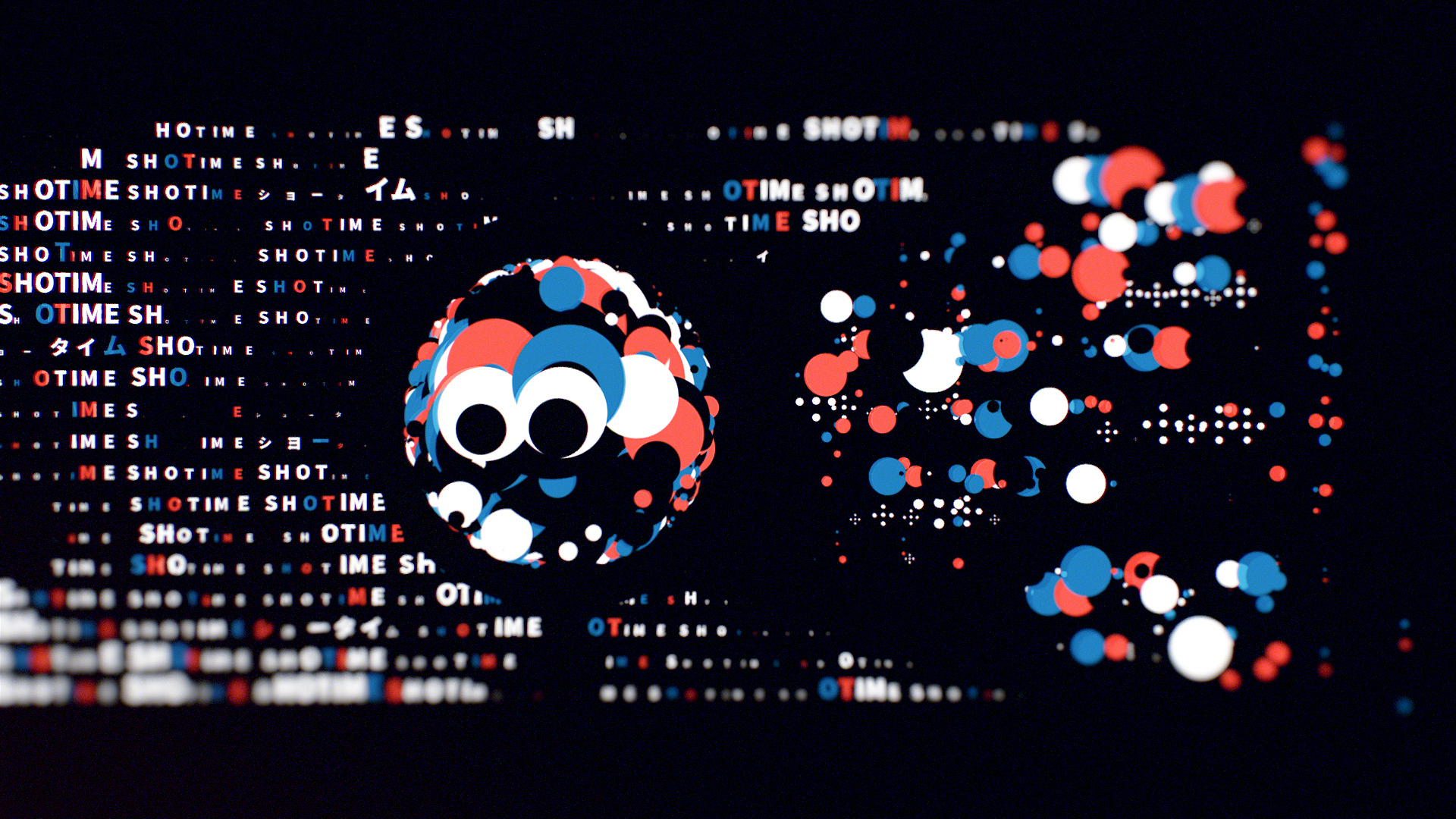
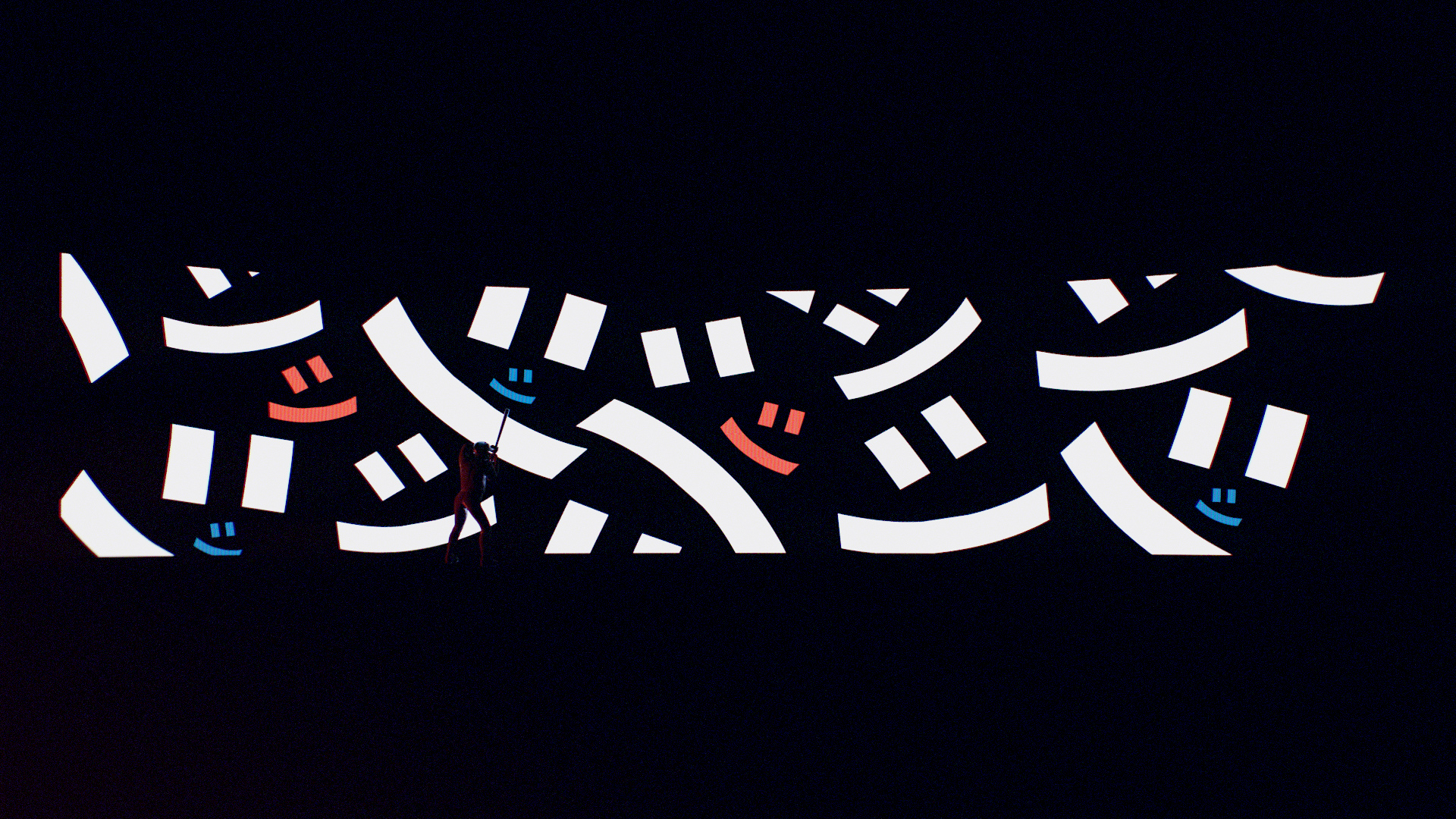
To truly lean into the "epic" nature of Ohtani’s performance and the inherent drama of a perfectly executed swing, "SHOTIME" was meticulously composed in a native 2.39:1 anamorphic aspect ratio. This wide, cinematic framing choice is far from arbitrary; it is a deliberate artistic decision that profoundly impacts the viewer’s perception. The expansive horizontal canvas provides significantly more "negative space," allowing the intricate procedural elements and data visualizations to "breathe" within the frame. This artistic breathing room enhances the clarity of the complex information presented, preventing visual clutter and ensuring that each data point and vector trail contributes meaningfully to the overall narrative.
More importantly, the anamorphic aspect ratio serves to emphasize the sheer horizontal power and momentum generated during Ohtani’s swing. The wide shot accentuates the sweeping arc of the bat, the rotation of the torso, and the transfer of energy from the ground up, visually translating the kinetic forces at play. For instance, frames like the "Standoff" or "Wall" still showcase how the player is centered, yet the vastness of the digital stage around him underscores the singular focus on his action. This cinematic language elevates the deconstruction of the swing from a mere technical exercise to an immersive visual experience, inviting the audience to appreciate the elegance and violence of the motion with a new level of intimacy and grandeur. The chosen aspect ratio thus becomes a fundamental component of the storytelling, communicating the scale and intensity of Ohtani’s athletic feat.
Technological Canvas: Software and Innovation
The creation of "SHOTIME" was a formidable technical challenge that Barry Chapman embraced as an opportunity to push his own creative and software development skills. The project served as a proving ground for Chapman’s proficiency in Cavalry, a powerful procedural animation software. Cavalry’s strengths in "procedural speed and kinetic dynamics" were instrumental in handling the complex requirements of generating "vector trails and data-viz elements." These elements, which visually represent the forces, trajectories, and data points associated with the swing, demand precision and efficiency that Cavalry adeptly provides. The software’s ability to create and manipulate complex, data-driven animations dynamically was crucial for illustrating the invisible forces at work in Ohtani’s performance.
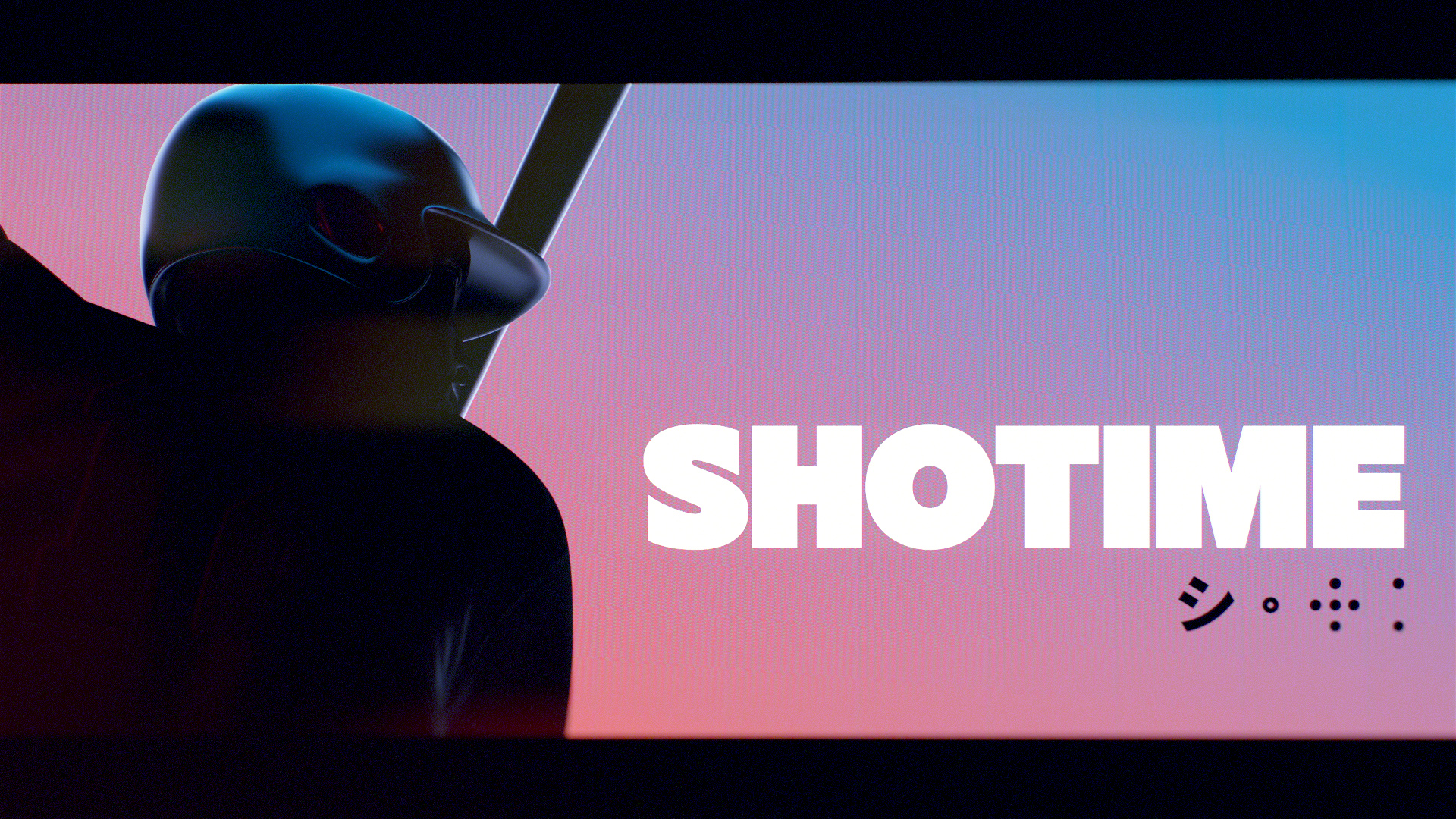
Complementing Cavalry, Cinema 4D and Redshift were deployed for crucial aspects of the film’s visual fidelity. Cinema 4D, a robust 3D modeling, animation, rendering, and sculpting software, was utilized for "lighting, hero character integration, and infographic explorations." This allowed for the creation of a highly detailed, almost sculptural representation of the athlete, ensuring anatomical accuracy and visual impact. Redshift, a GPU-accelerated renderer, provided the speed and quality necessary to render the intricate lighting setups and detailed textures, bringing a photorealistic yet stylized depth to the digital stage. The "Diamond" frame, for example, illustrates the interplay of light and shadow on the digital surface, highlighting the character’s form.
The final aesthetic refinement of "SHOTIME" was achieved in After Effects, an industry-standard motion graphics and visual effects software. Here, Chapman meticulously layered "CRT textures and glitch motifs" to craft a distinctive "Technical Noir" finish. This stylistic choice is particularly compelling as it deliberately blends the hyper-precision of digital analytics with the raw, tactile grit of analogue media. The CRT textures evoke a sense of classic scientific instrumentation or vintage data displays, while glitch motifs introduce an element of controlled disruption, hinting at the immense energy and barely contained power of the swing. This "Technical Noir" aesthetic is not just a visual flourish; it serves to reinforce the film’s core theme: the collision of instinct and data, presented with both scientific rigor and artistic flair.
The Sonic Architecture: A Tactile Heartbeat
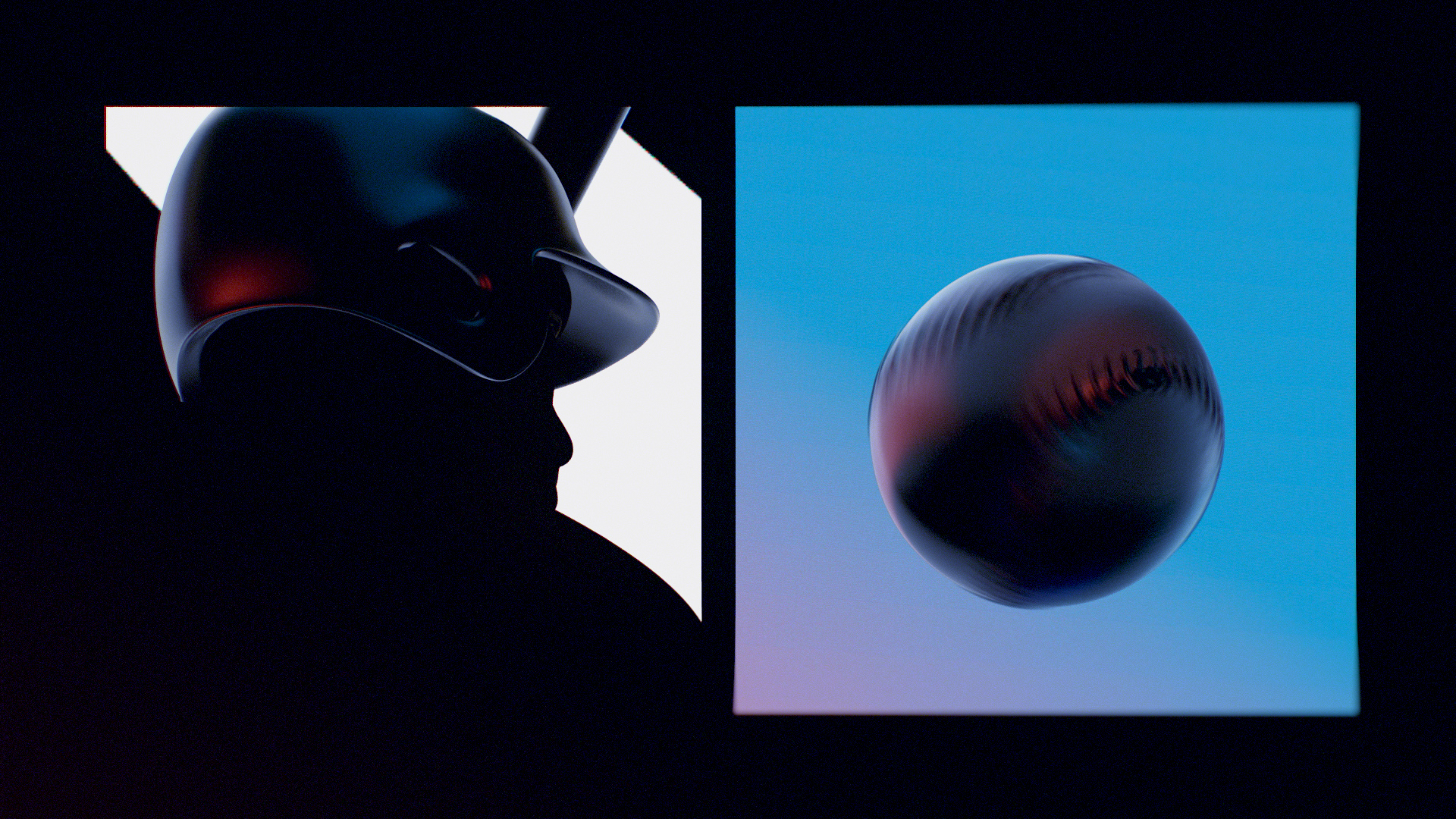
Integral to the immersive experience of "SHOTIME" is its sophisticated sonic architecture, developed through a close and collaborative partnership with Dublin-based studio Folding Waves. Recognizing that sound plays a critical role in shaping perception and emotional resonance, the creators opted for a radical departure from traditional sports sound design. Instead of relying on conventional foley effects—the replicated sounds of footsteps, bat cracks, or crowd noise—Folding Waves crafted a "tactile, percussive score." This innovative approach replaces the expected auditory cues with a rhythmic and textural soundscape that is both abstract and deeply visceral.
The percussive score serves as the "literal heartbeat of the film," lending a primal, rhythmic pulse to Ohtani’s movements. Each beat, each percussive element, is meticulously designed to synchronize with and amplify the visual kinetics of the swing. This sonic synchronicity not only reinforces the cinematic tension but also draws the viewer deeper into the internal rhythm and immense concentration required for such a high-level athletic feat. The absence of traditional foley forces the audience to engage with the abstract sounds, interpreting them as manifestations of energy, force, and precision. This choice elevates the sound design from a mere accompaniment to an active narrative element, transforming the auditory experience into an intrinsic part of the motion study itself. The sound becomes a character, guiding the viewer through the unseen forces and internal mechanics of the performance, providing a unique auditory window into the science of the swing.
The Creative Process: A Symphony of Collaboration
The realization of "SHOTIME" was a multi-faceted creative endeavor, representing a sophisticated orchestration of individual expertise and collaborative synergy. While specific dates are not detailed, the project’s complexity suggests a structured timeline, beginning with conceptualization and research into Ohtani’s biomechanics, followed by extensive design and pre-production phases. Barry Chapman, as the driving force behind the design and direction, would have meticulously planned the visual narrative, storyboarded key sequences, and established the aesthetic guidelines for the "technical void" and "Technical Noir" finish.
The subsequent production phase involved intensive work in Cavalry for data visualization and vector trails, alongside Cinema 4D and Redshift for 3D modeling, lighting, and rendering the hero character. This stage would have required numerous iterations, adjustments, and refinements to accurately capture the subtle nuances of Ohtani’s swing while adhering to the artistic vision. Concurrently, the collaboration with Folding Waves for music and sound design would have commenced early in the process. This integrated approach, rather than adding sound as an afterthought, allowed the sonic architecture to evolve in tandem with the visuals. Regular feedback loops between Chapman and Folding Waves would have ensured that the tactile percussive score seamlessly integrated with and enhanced the visual rhythm and tension of the film.
Finally, the post-production stage in After Effects would have seen the meticulous layering of CRT textures and glitch motifs, bringing the "Technical Noir" aesthetic to its full realization. This iterative and highly collaborative process underscores the commitment of both Chapman and Folding Waves to produce a piece that is not only visually stunning but also scientifically insightful and artistically profound. The project stands as a testament to the power of interdisciplinary collaboration in pushing the boundaries of sports media and artistic expression.
Broader Implications: Redefining Sports Visualization and Fan Engagement
"SHOTIME" represents more than just an artistic homage; it signifies a potential paradigm shift in how sports performance is visualized, analyzed, and consumed. Its approach has several profound implications:
- Advanced Sports Analysis and Training: By stripping away environmental noise and focusing solely on the "hyper-dilated" window of physical instinct and data-driven precision, "SHOTIME" offers a blueprint for advanced biomechanical analysis. Coaches, trainers, and athletes could utilize similar methodologies to gain unprecedented insights into their movements, identify inefficiencies, and optimize performance. The detailed vector trails and data visualizations move beyond simple statistics to illustrate the how and why of peak athletic execution.
- Enhanced Fan Engagement and Education: For the average sports fan, "SHOTIME" provides a deeper appreciation for the complexity and artistry of athletic feats. It demystifies the mechanics behind a powerful swing or pitch, transforming seemingly simple actions into intricate dance of physics and physiology. This educational aspect can foster a more informed and engaged fanbase, moving beyond mere outcome-based appreciation to a deeper understanding of the process.
- Intersection of Art, Science, and Technology: The project beautifully illustrates the convergence of creative arts, scientific principles, and cutting-edge technology. It demonstrates how tools typically used in film and animation can be repurposed to explore scientific phenomena with artistic sensibility, opening new avenues for interdisciplinary projects in sports, education, and entertainment.
- Evolution of Sports Media: "SHOTIME" challenges the traditional broadcast model, suggesting that there is a demand for more artistic, analytical, and immersive ways to experience sports. As technology advances, we may see more "high-fidelity digital stages" replacing or supplementing conventional coverage, offering bespoke viewing experiences tailored to different levels of interest, from casual fans to scientific researchers.
- Cultural Impact: By focusing on a global icon like Shohei Ohtani, "SHOTIME" also amplifies his cultural significance, presenting his talent in a fresh, universally appealing light. It contributes to the broader narrative of sports as a realm where human potential is continually pushed, and where art and science can meet to celebrate extraordinary achievement.
In essence, "SHOTIME" is a pioneering work that not only honors an exceptional athlete but also sets a new standard for how athletic performance can be visualized, analyzed, and celebrated, pointing towards a future where the lines between sports, art, and science become increasingly blurred.
Credits:
Design / Direction: Barry Chapman
Music / Sound Design: Folding Waves
Instagram: @barrychapmanmotion
Website: barrychapmanmotion.com
Folding Waves: @folding.waves / foldingwaves.com