The Boroughs: Crafting 1980s Amblin-Inspired Horror, Comedy, and Adventure Through Cutting-Edge VFX

July 21, 2026 – Netflix’s highly anticipated new series, The Boroughs, is set to transport audiences into a unique blend of 1980s Amblin Entertainment nostalgia, combining horrific elements with comedic beats and adventurous storytelling. Created by Jeffrey Addiss and Will Matthews, and executive produced by the renowned Duffer Brothers of Stranger Things fame, the eight-episode season promises a distinctive narrative anchored by a stellar ensemble cast. Led by veteran actors such as Alfred Molina (Spider-Man: No Way Home), Alfre Woodard, Denis O’Hare (True Blood), Clarke Peters (Foundation), Jena Malone (Rebel Moon), and Geena Davis (Thelma & Louise), the series unfolds within an opulent retirement community in New Mexico, where its residents stumble upon and subsequently confront an otherworldly menace.
Embracing the Amblin Spirit: A Foundation of Nostalgia
The creative vision for The Boroughs is deeply rooted in a desire to evoke the charm and tension of classic 1980s Amblin productions. This aesthetic influence, characterized by its ability to balance genuine scares with heartfelt humor and a sense of childlike wonder, forms the bedrock of the series. Visual Effects Supervisor Tara DeMarco articulated this intentional homage, stating, "The vibe started in the script, in terms of the characters, how they care about each other, and the Goonies-like way that they go on adventures as seniors." This narrative choice aims to resonate with viewers who grew up with such films, offering a fresh take on familiar themes by placing a group of seasoned protagonists at the heart of an extraordinary quest. The Duffer Brothers’ involvement, fresh off the global phenomenon of Stranger Things, further underscores Netflix’s commitment to delivering high-quality genre content that taps into a similar vein of nostalgic storytelling, but with a unique twist of an older demographic.
The Visionary Creative Team and Production Philosophy
The successful realization of The Boroughs‘ ambitious vision necessitated a highly collaborative approach, particularly between the showrunners, cinematographers, and visual effects teams. Jeffrey Addiss and Will Matthews, known for their intricate storytelling as seen in their writing credits for projects like The Lord of the Rings: The War of the Rohirrim, brought a profound interest in creature work and magic to the series. Their goal was to fully immerse the audience in a transported reality, a sentiment echoed by the directorial team. Director of Photography Matthew Jensen played a crucial role in establishing the visual language, opting for softer lenses and specific lens treatments to achieve a period-appropriate, slightly dreamlike quality.
Crucially, the production prioritized in-camera effects wherever feasible, a decision supported by both Jensen and the showrunners. DeMarco explained, "Matt also wanted to keep a fair amount of The Boroughs in-camera, as did the showrunners… We did a lot of prep at the start in Unreal Engine, in an asset that Pixomondo built, trying to figure out what we would see, what we wouldn’t see, where we’d owe an extension, and where we could build some extra set, so that we could all stay in-camera; that allows for more magic and spookiness later because you’re not trying to fix every frame. The visual effects were more intentional." This meticulous pre-production, utilizing advanced tools like Unreal Engine, allowed the team to make informed decisions about practical versus digital elements, ensuring that visual effects served to enhance the storytelling rather than merely compensate for production limitations.
Building a Believable World: Production Design and Environment
A core tenet of The Boroughs‘ narrative is the idea of a tangible community worth fighting for. The luxury retirement community in New Mexico, far from being a mere backdrop, was designed to feel like a real place, deeply integral to the story. This sense of place was meticulously crafted through a unique architectural blend. The production drew inspiration from mid-century modern designs reminiscent of Palm Springs houses, infused with elements of Southwest adobe structures and a distinct town square.
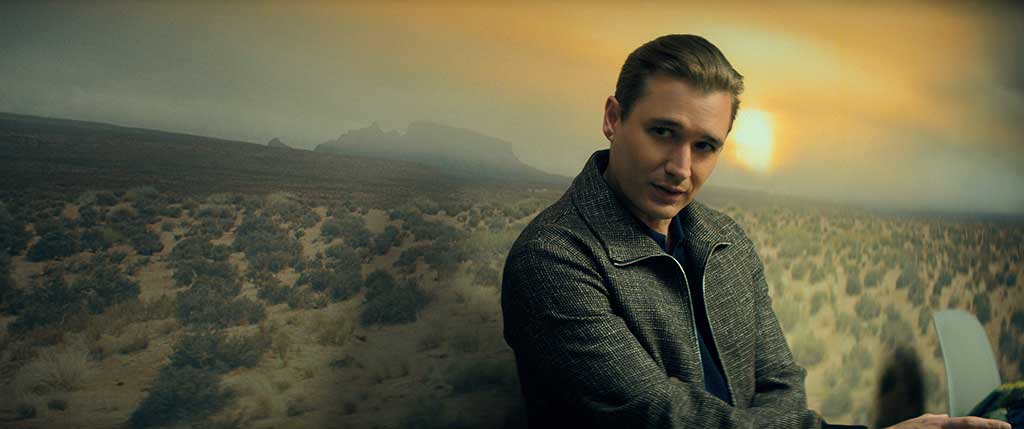
To ensure authenticity, the art department developed a comprehensive "plant bible," detailing the flora indigenous to New Mexico and the Southwest. This careful attention to environmental detail aimed to create a visually rich and credible world, reflecting the seniors’ own nostalgia for the 1950s and 1960s, the era in which they would have grown up. Historic imagery of Route 66 and New Mexico was referenced to create a period-accurate environment, even extending to the variable skies of the region. DeMarco noted the efforts to portray a consistent, warm, and sunny atmosphere, making it "a place our seniors could live and be comfortable," despite the unpredictable weather often encountered during filming. The ultimate goal was to construct a setting that felt both idyllic and subtly unsettling, a haven concealing an ancient threat.
The Heart of the Horror: Creature Design and Animation
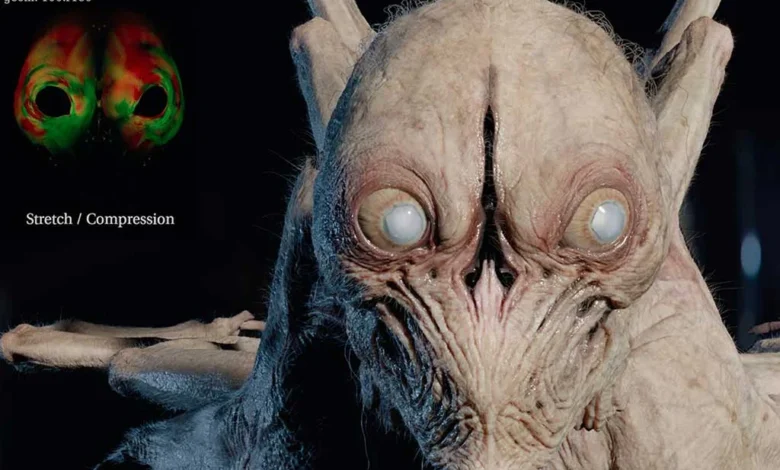
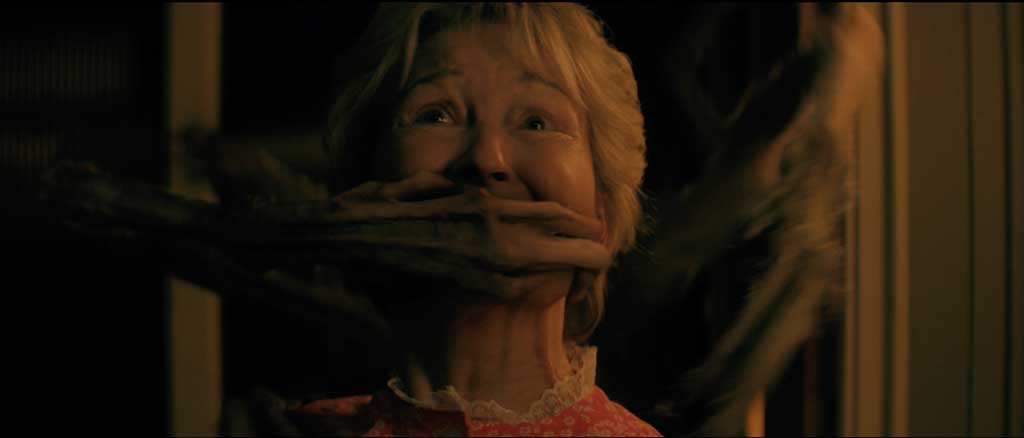
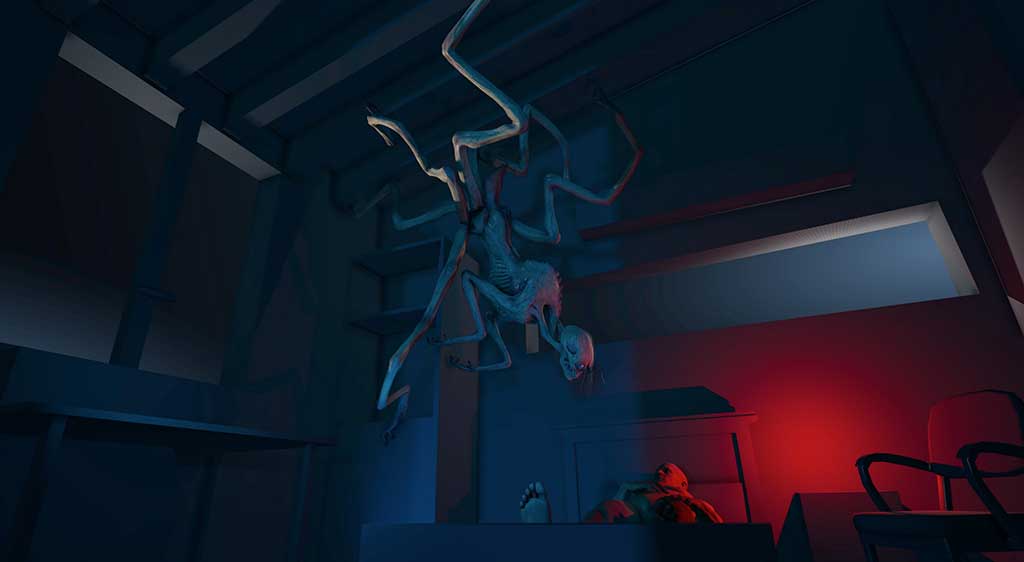
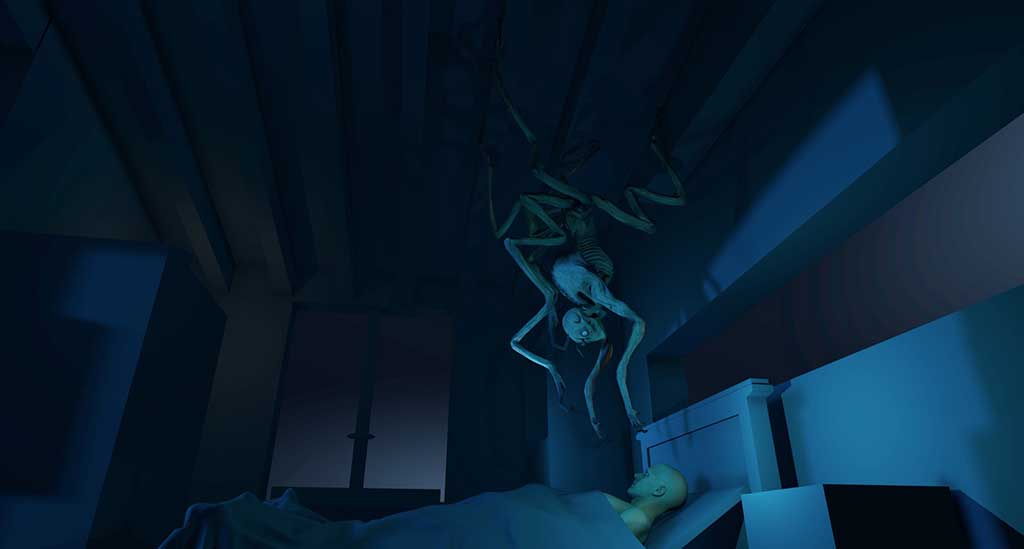
Central to The Boroughs‘ otherworldly threat is the creature known as "Mother," a design challenge that demanded a unique blend of horror and pathos. The creature’s appearance was conceived to convey immense age and fragility, yet possess a terrifying underlying power. DeMarco elaborated on the design philosophy: "It had to feel old, with thin skin, hair and liver spots, and have trouble moving." This intricate design required extensive collaborative efforts. Jerad Marantz, a concept artist renowned for his work on projects like Doctor Strange in the Multiverse of Madness, initially developed the creature’s core aesthetic. Jamie O’Hara, a visual effects concept artist, then translated these designs into keyframes, providing clear visual targets for the animation team.
The creature’s eight limbs, each with five segments, presented significant animation complexities. The team at ILM London developed a unique movement style, humorously dubbed "geriatric parkour," which aimed to depict an ancient being capable of surprising agility while still conveying its age and physical limitations. This involved meticulous study of musculature and skin laxity, even drawing inspiration from a 70-year-old ballerina to understand how defined muscles could coexist with looser skin. The goal was to create a creature that could transition from being genuinely frightening to surprisingly childlike, fostering a sense of sympathy in the audience despite its monstrous nature.
To facilitate interaction between the creature and the cast, and to provide accurate lighting references, Onyx Forge Studio crafted a series of practical props. These ranged from tiny creature hands that could be clamped over actors’ mouths to a stand-in proboscis and a bust for early lighting tests. For the series finale, a full-size creature was built, allowing for comprehensive lighting integration on set, later enhanced or replaced with CG elements. This hybrid approach ensured realistic interactions and seamless integration of the digital creature into live-action scenes. The workflow involved scanning sets with Polycam, prevising creature movements at ILM, shooting plates, and then postvising, with the postvis often serving as blocking animation. This iterative process ensured precision and efficiency.
Seamless Integration: Practical and Visual Effects
The production of The Boroughs employed nearly 1,200 visual effects shots across its eight episodes, distributed among leading VFX houses including ILM, Framestore, Ghost VFX, Crafty Apes, and Platige. This extensive visual effects pipeline was meticulously managed to maintain the show’s distinctive aesthetic while achieving complex visual storytelling.
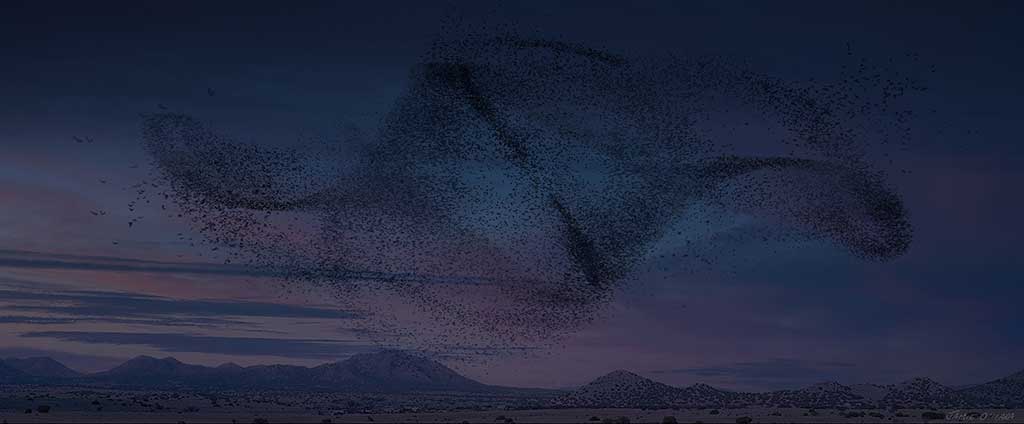
One particularly challenging sequence involved the crow murmuration. While two trained crows were utilized on set for close-up beats, the large-scale murmuration required extensive CG work. DeMarco highlighted the unique difficulty: "Crows don’t do murmurations, so to have such a large bird in such a complicated pattern was a new visual challenge, and we didn’t have a reference for it. Additionally, the crows had to both die en masse and tell a story." This required not only technical prowess in animating thousands of birds but also a nuanced understanding of narrative impact.
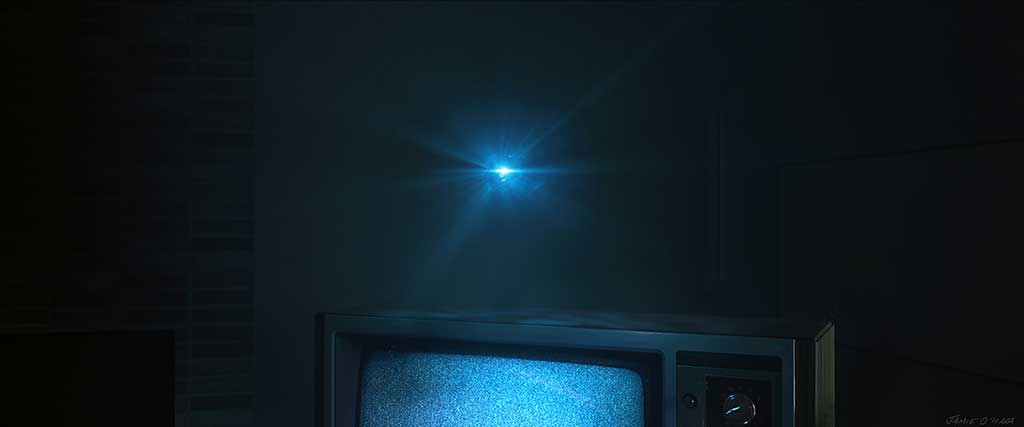
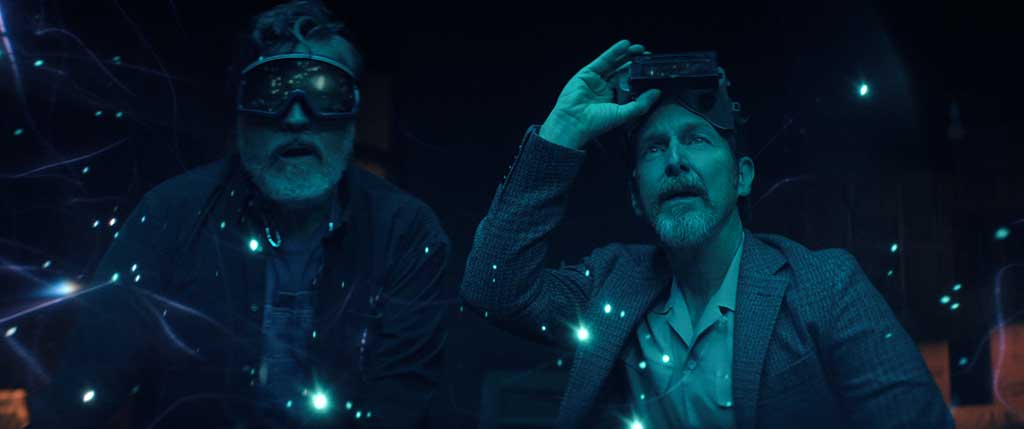
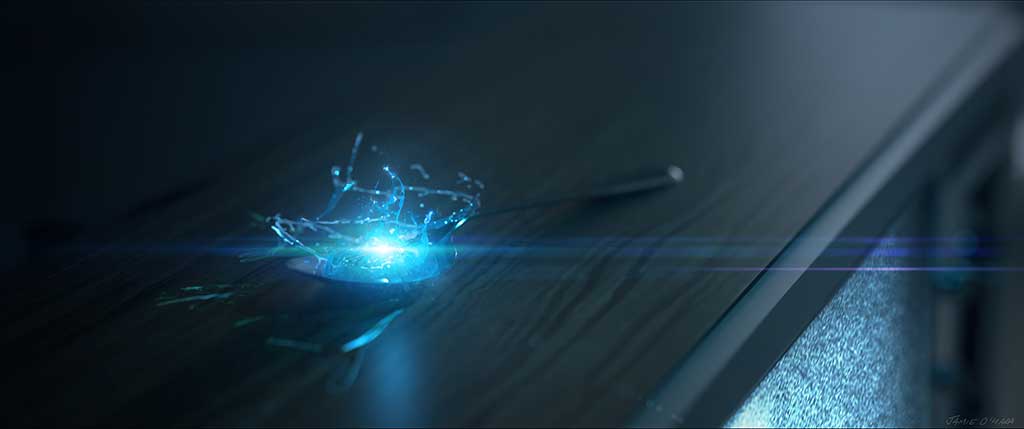
Another critical visual element was the "glitching" effect, particularly in scenes depicting Alfred Molina’s character, Sam Cooper, experiencing hallucinations or communications from Mother via old television sets. This effect was designed to mimic the language of vintage TVs, using static, grain, and flickering to create an unsettling, supernatural transmission. Televisions themselves were integral both visually and narratively. Some on-set TVs were functional, playing footage, while others featured milk or dark glass to facilitate off-state reflections or act as practical lighting sources. For a significant explosion in Episode 102, interactive white lights were used on set, timed precisely to the performance and choreographed to decay naturally, with visual effects seamlessly matching and enhancing the practical elements.
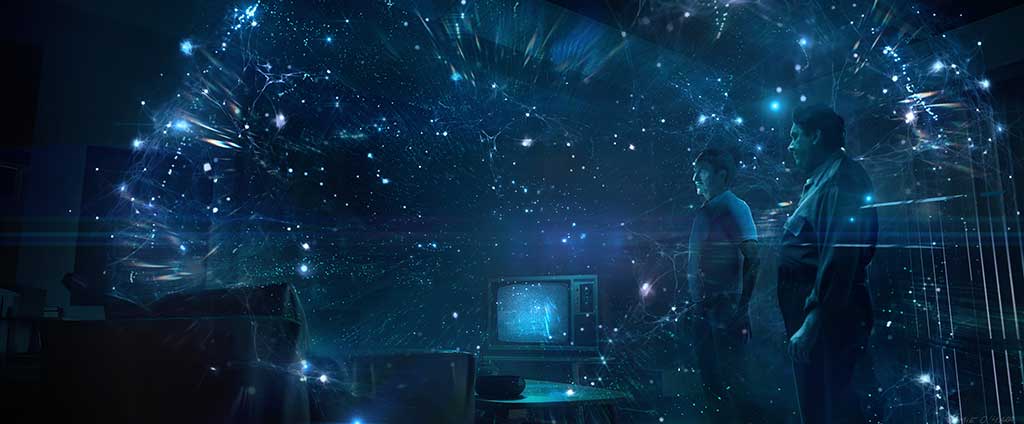
The explosion sequence itself, which visually manifests as a "star map," was a prime example of the intentional blend of practical and digital. DeMarco described the collaborative process: "We had everyone agree on the visual effects keyframe early so we could then lock in the lighting. We wanted it to be blue and have the stuff of the universe, that atmospheric swirl of magic." The lighting department created a multi-colored, glowing hammer prop for a concentrated form of the energy, complemented by overall blue lighting with a hint of flicker. VFX then added caustics and further broke up the light, creating a "handshake between in-camera lighting and visual effects enhancement." Art direction was crucial to ensure the visual spectacle did not obscure the actors’ faces, with particles being cleared and peripheral elements vignetted to keep the focus on the cast.
Monster Transformations and Iconic Stunts
The series also delves into visceral transformations, where human characters reveal their monstrous forms, described as "going monster-y." This involved a sophisticated interplay of practical prosthetics and digital enhancements. DeMarco explained, "Their monster faces are prosthetic builds. We then did visual effects work on top of the prosthetic build. Prosthetics are additive, and Will and Jeff really wanted the wounds to look like they hurt." VFX teams sculpted shots to make wounds appear wet and fresh, emphasizing pain. Actors were filmed in both their human and monster states, with ILM London spearheading the complex transition. Visual Effects Supervisor Steve Ellis (ILM) envisioned the skin peeling away, resulting in "little flecks of skin in the other particulate that go away. It’s gross!" This meticulous attention to detail ensured the transformations were both visually striking and narratively impactful.
One of the most talked-about sequences involves Academy Award-winning actress Geena Davis reliving an iconic moment reminiscent of Thelma & Louise, where her character, Renee, drives a car off a cliff. Davis, eager to embody Renee’s fierce spirit, performed much of the stunt work herself. DeMarco praised her commitment: "All the shots are her except for one, so that was amazing. She did all the wrestling, the car and elbowing." Special Effects Coordinator Daniel Holt meticulously planned the car’s trajectory. For the car flying off the cliff, a dummy was initially used. However, through a clever visual effects solution, ILM reverse-tracked camera and car action, then performed a motion-control shoot with actor Eric Edelstein (who plays Hank). His element was then composited to replace the dummy, achieving a highly realistic and emotionally resonant shot. This "super win for visual effects" underscored the benefits of planned, thoughtful execution, avoiding the need for last-minute digital doubles. The only digital face replacement occurred for Renee as she jumped off the back of the car, a testament to the extensive practical work.
Constructing the Digital Landscape: Set Extensions and World-Building
Beyond individual effects, The Boroughs required significant world-building. Eight major sets were scanned to create a comprehensive digital environment. The view from the hero cul-de-sac, filmed with a combination of practical houses and bluescreen containers, was a major focus. DeMarco detailed the scope: "Our filming cul-de-sac had five houses in a circle, and then three houses at the end of the row… We spent a lot of time working on the view of the town from Sam’s house, be it from the sky or the ground."
A particularly impressive feat was the arrival shot, which features a fully CG city seamlessly integrated into a golf course plate. This was especially challenging as the plate was filmed on a snowy day, requiring the VFX team to transform it into a warm, sunny New Mexico landscape before adding the entire town. This detailed CG environment was not just a backdrop; it carefully placed all the key locations from filming—the manor, headquarters, town square, and mortuary—within a geographically coherent map, reinforcing the sense of a real, lived-in community.
Broader Impact and Implications
The Boroughs represents a significant endeavor in Netflix’s expanding portfolio of genre-bending original content. By meticulously blending the nostalgic charm of 1980s Amblin cinema with contemporary storytelling and cutting-edge visual effects, the series is poised to captivate a broad audience. The emphasis on intentional visual effects, coupled with a strong foundation of practical filmmaking and an extraordinary cast, sets a high bar for future productions in the streaming landscape. The collaborative workflow, from early previs in Unreal Engine to sophisticated creature animation and seamless environment integration, showcases a sophisticated approach to modern production. As audiences tune in, they will experience a world where the familiar comforts of a retirement community give way to the thrilling unknown, all brought to life through a masterful fusion of creative vision and technical artistry.