Understanding YouTube CPM vs RPM: How Much Creators Actually Earn Per View


The question of how much YouTube creators earn per view is a persistent one, often leading to confusion due to the interplay of complex advertising metrics. At the heart of this inquiry lies a crucial distinction between two key performance indicators: Cost Per Mille (CPM) and Revenue Per Mille (RPM). While both relate to advertising revenue on the platform, they represent entirely different perspectives – one from the advertiser’s spending and the other from the creator’s earnings. Understanding these metrics is fundamental for anyone seeking to monetize content on YouTube, as they form the bedrock of YouTube AdSense earnings and overall monetization revenue.
The term "mille," often misunderstood, is derived from the Latin word for "thousand." Therefore, CPM translates to Cost Per Thousand, and RPM signifies Revenue Per Thousand. The "thousand" in this context refers to one thousand views. While the literal translation of "mille" is rarely spoken in modern discourse, the abbreviated forms CPM and RPM have become standard industry parlance. This convention can be traced back to the late 19th century, a period when newspapers commonly charged advertisers based on the number of subscribers, often quoting rates as "cost per mille." This historical linguistic artifact persists today in the digital realm.
Delving into YouTube CPM: The Advertiser’s Perspective
YouTube CPM, or Cost Per Mille, quantifies the amount advertisers are willing to pay for every 1,000 impressions of their advertisements shown on YouTube videos. It’s imperative to understand that CPM is not the direct income received by creators. Instead, it represents the gross expenditure by advertisers to reach a specific audience segment. The equation for calculating CPM is straightforward:
CPM = (Total Ad Cost / Total Impressions) * 1,000
The CPM rate is a dynamic figure, subject to considerable fluctuation based on a multitude of factors. These include the specific content niche of the video, the geographic location of the audience viewing the content, the time of year (with certain periods, like the holiday season, often seeing higher ad spending), and the overall demand from advertisers. For instance, a video targeting a professional audience in a high-income country like the United States or Canada is likely to command a higher CPM than a video aimed at a general audience in a region with lower consumer spending power. Similarly, during periods of heightened advertising activity, such as the lead-up to major holidays or significant global events, advertisers may increase their bids, driving CPM rates upward.
Understanding YouTube RPM: The Creator’s Bottom Line
In contrast to CPM, YouTube RPM, or Revenue Per Mille, represents the actual revenue a creator earns for every 1,000 total views their content receives, after all deductions and revenue shares have been accounted for. This metric provides a more realistic picture of a creator’s earnings because it incorporates various factors that reduce the initial CPM.
A significant portion of ad revenue is retained by YouTube itself. The platform operates on a revenue-sharing model, typically giving creators 55% of the ad revenue generated from their videos, while YouTube takes the remaining 45%. However, this percentage can be further impacted by other agreements. For instance, if a creator uses copyrighted music in their video, the rights holder for that music can claim a substantial portion, often 50%, of the ad revenue generated by that specific video. This means that for a video featuring popular copyrighted music, a creator might receive only 50% of the remaining 55% of the ad revenue, or even less, leaving them with a significantly smaller share. To mitigate such scenarios, YouTube offers the Creator Music library, where creators can license music, often with a stipulated revenue share that may still impact the creator’s final earnings.
The formula for calculating RPM is as follows:

RPM = (Total Creator Earned Revenue / Total Views) * 1,000
Crucially, RPM encompasses earnings from all monetization sources available on YouTube, not just advertisements. This includes revenue generated from channel memberships, YouTube Premium subscriptions (where a portion of a subscriber’s fee is allocated to the channels they watch), Super Chats during live streams, and any other direct fan support mechanisms. This holistic view makes RPM the most pertinent metric for creators seeking to understand their actual income.
Key Distinctions: CPM vs. RPM
For YouTube creators, focusing on RPM is significantly more valuable than fixating on CPM. While CPM offers insights into advertiser spending and can be useful for strategic decisions, such as choosing a content niche with potentially higher advertiser interest, it does not reflect the creator’s direct earnings. RPM, on the other hand, directly illustrates what lands in the creator’s bank account after all platform fees, revenue shares, and potential third-party claims have been settled.
For example, if an advertiser pays a $10 CPM for ads on a particular video, it signifies that advertisers are spending $10 for every 1,000 ad impressions. However, due to YouTube’s revenue share, the creator will not receive the full $10. The actual amount received will be a fraction of this, as dictated by the RPM. This is why a creator might see a CPM of $15 but an RPM of only $5. The difference highlights the impact of YouTube’s platform fees, potential music licensing costs, and other deductions.
Beyond CPM and RPM: Related Advertising Metrics
While CPM and RPM are central to understanding YouTube monetization, other related metrics shed light on advertiser behavior and campaign effectiveness:
-
Cost Per Click (CPC): This metric measures the amount an advertiser pays each time a user clicks on their advertisement. Unlike CPM, which focuses on ad visibility, CPC emphasizes user engagement and conversion. The formula is: CPC = Total Ad Cost / Total Clicks. CPC is a crucial indicator for advertisers seeking direct traffic to their websites or products.
-
Cost Per View (CPV): CPV is primarily used for video advertising campaigns and measures the cost incurred each time a video advertisement is viewed. This is particularly relevant for skippable in-stream ads, where advertisers often pay based on a viewer watching a certain duration of the ad or interacting with it. The calculation is: CPV = Total Ad Cost / Total Views.
The Creator’s Share: A Closer Look at AdSense Payouts
It is vital for creators eligible for AdSense earnings to understand that YouTube compensates them for ad views, not necessarily for every single total view. The platform’s revenue-sharing model, as previously mentioned, typically grants creators 55% of the ad revenue generated. This means that for every 1,000 views that include monetized ads, the creator receives 55% of the revenue derived from those ads. YouTube has reportedly paid out over $100 billion to creators globally in the past four years, a figure that encompasses not only individual YouTubers but also media companies, rights holders, and other content creators.

Factors Influencing AdSense Earnings
The notion of a fixed CPM or RPM for all creators is a misconception. Actual earnings are highly variable and are influenced by a complex interplay of factors:
-
Content Niche: Certain content categories are inherently more lucrative for advertisers due to the purchasing power or specific interests of their audience. Niches such as finance, technology, real estate, education, and health often attract higher ad bids because the viewers in these segments are perceived as more likely to convert into paying customers. For example, an advertiser selling high-end software solutions would likely spend more to reach an audience interested in business technology than an advertiser selling budget-friendly consumer goods.
-
Audience Demographics and Location: The geographic location and demographic profile of a channel’s audience are paramount. Advertisers often prioritize audiences in developed countries with higher disposable incomes and strong consumer markets. A creator with a substantial audience in the United States, Canada, Western Europe, or Australia will generally earn more per view than a creator with a similar view count but an audience primarily located in regions with lower consumer spending.
-
Seasonality and Advertiser Demand: Ad spending fluctuates throughout the year. The fourth quarter (October-December), encompassing major holidays like Black Friday and Christmas, typically sees the highest ad spend as businesses ramp up their marketing efforts to capitalize on seasonal consumer behavior. Conversely, the first quarter (January-March) often experiences a dip in ad spending as companies adjust their budgets after the holiday season.
-
Ad Format and Placement: The type of ads displayed (e.g., skippable ads, non-skippable ads, bumper ads, display ads) and their placement within a video (pre-roll, mid-roll, post-roll) can affect the CPM. Mid-roll ads, for instance, are often placed in longer videos and can contribute to higher overall ad revenue if viewers remain engaged.
-
Viewer Engagement and Watch Time: While CPM is based on impressions, RPM is influenced by total views and the revenue generated from them. Longer watch times and higher viewer engagement can lead to more ad opportunities and potentially higher RPMs. Videos that keep viewers watching longer are more likely to serve multiple ads and retain viewer interest, which is attractive to advertisers.
The AdSense Auction System
YouTube’s AdSense business model operates on an auction-based system. Advertisers bid on keywords and audience segments in real-time to have their ads displayed on relevant content. This dynamic auction means that ad rates can change by the second, influenced by competition among advertisers and the perceived value of specific keywords. Therefore, there isn’t a static CPM or RPM; rather, these figures are a reflection of the prevailing market conditions at any given moment.
Predicting Future Earnings: 2026 and Beyond
While precise predictions are challenging, industry analysts and platform data suggest continued growth in the creator economy. For 2026, general trends indicate that CPMs may continue to be influenced by global economic conditions, technological advancements in ad delivery, and shifts in consumer behavior. A "good" CPM in 2026 is likely to remain within a broad range, perhaps $8 to $20 or higher for highly specialized niches, but this figure is highly variable.
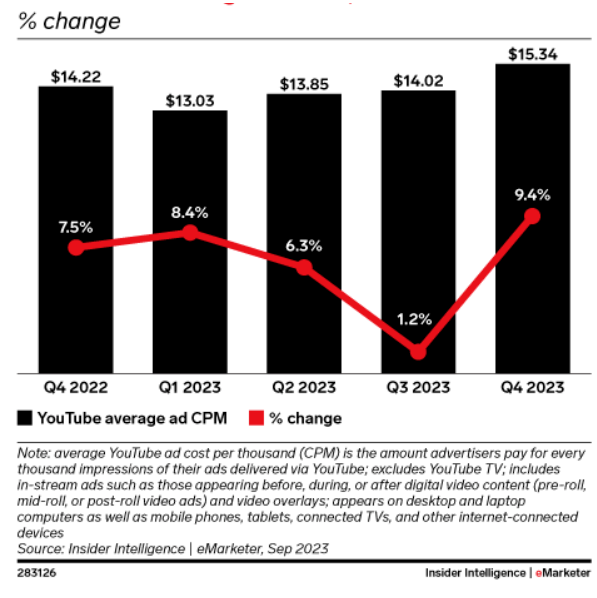
Similarly, YouTube RPM is expected to follow suit. The average YouTube RPM for creators in 2026 is anticipated to hover between $2 and $8 per 1,000 views, with higher earnings for those in premium niches and geographic markets. The underlying principle remains: RPM provides the most accurate measure of a creator’s actual take-home earnings.
Strategies for Maximizing YouTube RPM
Creators seeking to enhance their YouTube RPM can implement several strategic approaches:
-
Focus on High-Demand Keywords: Research and utilize keywords that are actively being searched for by audiences and are of high interest to advertisers. Tools like TubeBuddy’s Keyword Explorer can assist in identifying such terms. However, it’s crucial that these keywords genuinely align with the video’s content to maintain audience trust and engagement.
-
Create Longer, Engaging Content: Longer videos (typically over 8 minutes) allow for the insertion of mid-roll ads, which can significantly boost ad revenue. The key is to maintain viewer interest throughout the video, providing value and pacing that encourages viewers to watch for extended periods. Simply extending video length without substance can be counterproductive.
-
Understand Your Audience: Tailor content to the interests and demographics of your target audience. If your audience resides in regions with high advertiser demand, your RPM is likely to be higher. Analyzing audience data within YouTube Analytics is crucial for this understanding.
-
Optimize Video Titles and Thumbnails: Compelling titles and eye-catching thumbnails increase click-through rates, leading to more views and potentially more ad impressions. This also signals to YouTube’s algorithm that your content is relevant and engaging, potentially leading to better ad placements.
-
Diversify Revenue Streams: While AdSense is a primary source of income, creators can also explore channel memberships, merchandise sales, affiliate marketing, sponsorships, and direct fan support to supplement their earnings and reduce reliance solely on ad revenue.
-
Engage with the Community: Building a loyal and engaged community can lead to higher watch times and increased viewership. Responding to comments, hosting Q&A sessions, and fostering a sense of connection can encourage repeat viewership.
In conclusion, while CPM offers a glimpse into the advertising market, it is RPM that truly defines a YouTube creator’s earnings per 1,000 views. By understanding the factors that influence both metrics and by strategically optimizing their content and engagement strategies, creators can work towards maximizing their revenue on the platform. The digital landscape of content monetization is constantly evolving, making continuous learning and adaptation essential for sustained success on YouTube.
Related posts: