Rolls-Royce Holdings Invests Millions in American Manufacturing Expansion, Fueling Critical Infrastructure and Data Center Growth

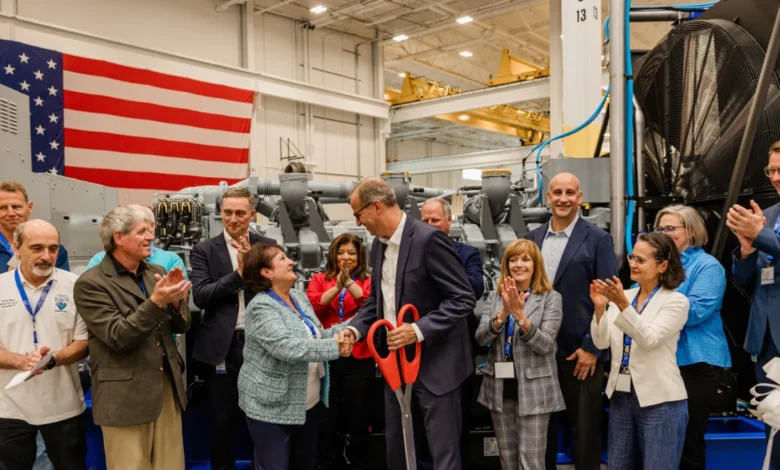
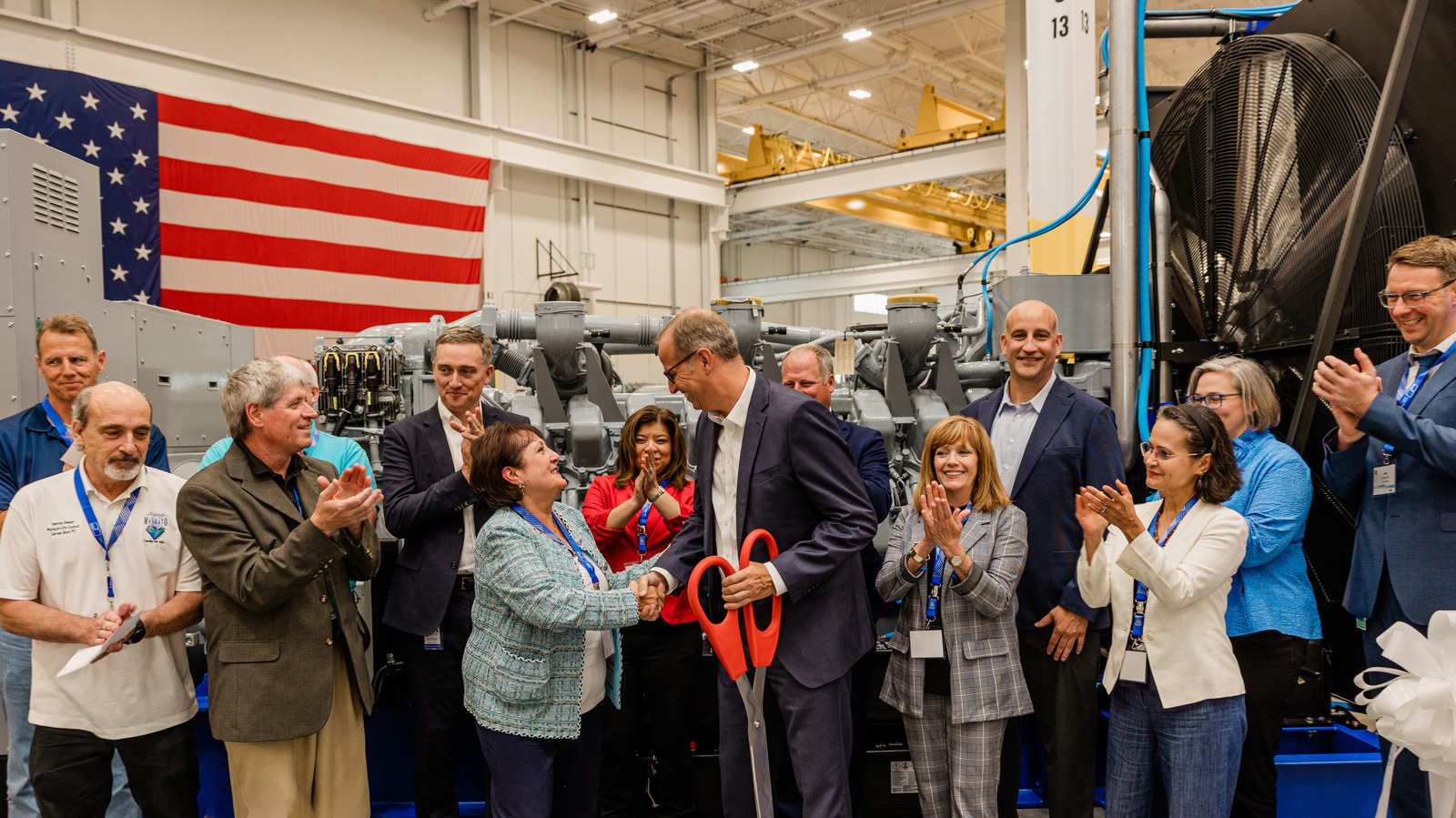
Rolls-Royce Holdings plc, a name synonymous with unparalleled automotive luxury, is making significant strategic investments in its American manufacturing operations, focusing not on opulent limousines but on the robust power systems that underpin global infrastructure. In a move underscoring the growing demand for reliable power generation, the company recently celebrated the official opening of its expanded logistics and assembly facility in Mankato, Minnesota. This multi-million dollar expansion, totaling $24 million, is poised to significantly boost the production of critical components, notably mtu Series 4000 generator sets, vital for everything from airports to the rapidly expanding data center industry.
The newly inaugurated facility represents a substantial commitment by Rolls-Royce Holdings to its U.S. presence. The expansion, announced in June 2025 and culminating in its opening in early July 2026, has already injected over 100 new jobs into the Mankato region. This influx of employment opportunities highlights the economic impact of the investment, demonstrating a tangible benefit to the local community. Crucially, these new roles are dedicated to the assembly and logistical support of the company’s industrial power solutions, a far cry from the bespoke craftsmanship associated with its automotive namesake.
At the heart of this expansion lies the escalating demand for backup power solutions. Rolls-Royce Holdings has identified the burgeoning data center sector as a primary driver for this increased production. These facilities, essential for the digital age, are voracious consumers of electricity. Ensuring uninterrupted operation is paramount, making robust and reliable backup power systems indispensable. In its official press release concerning the investment, the company explicitly cited the support for data centers as the principal motivation, noting a remarkable approximately 50% surge in demand for their power generation products throughout 2024 alone. This statistic alone illustrates the critical juncture at which the digital economy now stands, reliant on the industrial might of companies like Rolls-Royce Holdings.
With the expanded Mankato facility now fully operational, Rolls-Royce Holdings anticipates a twofold increase in its production capacity for the mtu Series 4000 generator sets. This significant leap in output is designed to meet current market demands and is strategically planned with future scalability in mind. The investment includes provisions for further expansion should demand continue to grow, demonstrating a forward-thinking approach to market trends and technological advancements in power generation. This commitment to enhancing manufacturing capabilities in the United States reflects a broader trend of industrial reshoring and strategic investment in key sectors that support national and global economic stability.
A Clear Distinction: Rolls-Royce Holdings vs. Rolls-Royce Motor Cars
The common association of the Rolls-Royce name with luxury automobiles often leads to confusion regarding the operational scope of Rolls-Royce Holdings plc. It is imperative to clarify that the entity investing in the Mankato facility and producing jet engines, backup generators, and propulsion systems for submarines is not the same company that manufactures the iconic Rolls-Royce cars. The automotive arm of the brand, Rolls-Royce Motor Cars, has a separate corporate lineage and is currently owned by BMW Group, with its operations headquartered in Goodwood, England.
This divergence in corporate identity stems from a complex history rooted in the early 1970s. The original Rolls-Royce company, a pioneer in both aviation and automotive engineering, faced severe financial difficulties. The primary catalyst for this crisis was the immense development cost associated with its groundbreaking RB211 turbofan engine. In 1971, the company was nationalized by the British government in an effort to salvage its critical aerospace capabilities. This intervention led to a fundamental restructuring, ultimately splitting the original entity into two distinct companies.
The aerospace and industrial divisions, including the lucrative jet engine business, were retained under the umbrella of Rolls-Royce Holdings. The automotive division, however, was initially sold to Vickers in 1980. This marked the beginning of a separate trajectory for the prestigious car marque. The ownership of the automotive division would undergo further changes, culminating in a notable bidding war between BMW and Volkswagen in the late 1990s. Ultimately, BMW secured the rights to the Rolls-Royce brand and its associated trademarks, while Volkswagen acquired the Crewe factory and the Bentley brand. BMW subsequently revitalized the Rolls-Royce Motor Cars brand, launching the Phantom VII in 2003, re-establishing its presence in the ultra-luxury automotive market.
The Rolls-Royce Holdings entity, on the other hand, continued its focus on high-performance engineering for industrial and defense applications. Its jet engine division, sold back to private investors in 1987, has since grown into one of the United Kingdom’s largest publicly traded companies. It is this industrial powerhouse that has strategically expanded its manufacturing footprint in the United States, with investments not only in Mankato, Minnesota, but also in other key facilities, such as its engine assembly plant in Aiken, South Carolina.
The Chronology of a Crucial Expansion
The strategic expansion of Rolls-Royce Holdings’ manufacturing capabilities in the United States is a testament to a carefully planned, multi-year initiative. The journey towards the inauguration of the enhanced Mankato facility began with significant strategic planning and capital allocation.
- June 2025: Rolls-Royce Holdings formally announced its intention to invest $24 million in expanding its logistics and assembly facility located in Mankato, Minnesota. This announcement signaled a clear commitment to bolstering its U.S. manufacturing base and addressing the growing market demand for its power generation solutions. The investment was framed as a response to increasing needs within critical infrastructure sectors, with a particular emphasis on supporting the burgeoning data center industry.
- Early July 2026: Following a year of intensive construction and operational integration, the expanded Mankato facility officially opened its doors. This milestone marked the culmination of the $24 million investment, bringing to fruition the company’s vision for increased production capacity and enhanced logistical capabilities. The opening event also served as a platform to highlight the direct economic benefits to the region, with the creation of over 100 new jobs.
- Ongoing Operations: With the new facility operational, Rolls-Royce Holdings is now positioned to significantly increase its output of mtu Series 4000 generator sets. The company has projected a twofold increase in production levels, a figure that underscores the substantial impact of the expansion on its ability to serve key markets. Furthermore, the facility has been designed with future growth in mind, incorporating modular elements that allow for further expansion should market demand necessitate it.
This timeline illustrates a deliberate and phased approach to expanding its industrial power generation capabilities. The strategic decision to invest in Mankato reflects a commitment to not only meet current demand but also to position the company for sustained growth in a sector critical to global economic and technological advancement.
Supporting Data and Market Dynamics
The decision by Rolls-Royce Holdings to significantly invest in its U.S. manufacturing operations, particularly in Mankato, is underpinned by robust market data and evolving global trends. The company’s focus on backup generators for large-scale infrastructure and data centers is directly correlated with several key economic and technological drivers.
1. Data Center Growth: The global data center market is experiencing exponential growth. Reports from industry analysts consistently project substantial increases in data center construction and expansion. For instance, Mordor Intelligence projects the global data center market to grow from $240.83 billion in 2023 to $410.43 billion by 2029, at a compound annual growth rate (CAGR) of 9.25%. This expansion is fueled by the increasing demand for cloud computing, artificial intelligence, big data analytics, and the Internet of Things (IoT). These applications all require vast amounts of processing power and, consequently, reliable and continuous power supply.
2. Power Demand of Data Centers: Data centers are notoriously power-intensive. A single large data center can consume as much electricity as a small city. According to the International Energy Agency (IEA), data centers and data transmission networks accounted for around 1-1.5% of global electricity consumption in recent years. This figure is projected to rise as the digital economy expands. The reliance on uninterrupted power necessitates robust backup systems, including generators, to mitigate the impact of grid outages.
3. Infrastructure Modernization: Beyond data centers, there is a global push for infrastructure modernization and resilience. Airports, hospitals, telecommunications networks, and critical manufacturing facilities all rely on dependable power. Rolls-Royce’s mtu Series 4000 generator sets are designed to meet these stringent requirements, offering high efficiency, reliability, and performance under demanding conditions. The demand for such systems is further amplified by an increasing awareness of the vulnerabilities of existing power grids to extreme weather events and other disruptions.
4. U.S. Manufacturing Landscape: The United States represents a significant market for industrial power solutions. The government’s focus on energy security and the resilience of critical infrastructure, coupled with private sector investment in advanced manufacturing and technology, creates a favorable environment for companies like Rolls-Royce Holdings to expand their domestic production capabilities. Investing in U.S. facilities can also offer advantages in terms of supply chain proximity, reduced logistics costs, and responsiveness to customer needs within North America.
The confluence of these factors—explosive data center growth, escalating power demands, the need for infrastructure resilience, and a supportive U.S. manufacturing environment—provides a compelling justification for Rolls-Royce Holdings’ strategic investment in its Mankato facility. The company is not merely reacting to market trends; it is positioning itself to be a key enabler of the digital and industrial future.
Broader Impact and Future Implications
The expansion of Rolls-Royce Holdings’ manufacturing facility in Mankato, Minnesota, extends its impact far beyond the immediate economic benefits of job creation and increased production. This strategic investment has broader implications for the critical infrastructure sector, the U.S. manufacturing landscape, and the ongoing digital transformation.
1. Enhancing Critical Infrastructure Resilience: By increasing the production of high-reliability backup generators, Rolls-Royce Holdings is directly contributing to the resilience of vital infrastructure. In an era where disruptions can have cascading economic and societal consequences, the availability of robust power solutions is paramount. This investment strengthens the ability of sectors like healthcare, transportation, and telecommunications to withstand power outages, ensuring continuity of essential services.
2. Powering the Digital Economy: The exponential growth of data centers is a defining feature of the 21st century. These facilities are the backbone of cloud computing, artificial intelligence, and the vast digital services that underpin modern life. Rolls-Royce’s expanded capacity to produce generators directly supports this growth, ensuring that the increasing demand for digital services can be met without interruption. This is crucial for the continued innovation and economic competitiveness of the United States.
3. Strengthening U.S. Industrial Base: The significant investment in U.S.-based manufacturing facilities like the one in Mankato contributes to the revitalization and strengthening of the American industrial base. By creating high-skilled jobs and fostering advanced manufacturing capabilities, Rolls-Royce Holdings is not only meeting market demand but also contributing to technological self-sufficiency and economic security. This move aligns with broader national interests in enhancing domestic production capacity for critical technologies.
4. Setting a Precedent for Industrial Power Solutions: The success of this expansion and the increasing demand for Rolls-Royce’s mtu Series 4000 generators may set a precedent for other industrial power solution providers. It highlights the strategic importance of investing in advanced manufacturing to meet the evolving needs of key sectors. The company’s commitment to scalability also suggests a forward-looking approach that anticipates future market shifts and technological advancements in power generation and energy management.
In essence, Rolls-Royce Holdings’ strategic foray into expanding its industrial power generation manufacturing in the United States underscores a pivotal moment. It demonstrates a keen understanding of market dynamics, a commitment to critical infrastructure, and a significant contribution to the nation’s industrial capabilities, all while deftly navigating the historical distinctions within the Rolls-Royce brand. The future of power, it seems, is being built in places like Mankato, Minnesota, by a company whose name is now synonymous with powering the essential systems of our modern world.