Resight Leverages Maxon One Ecosystem to Forge Cinematic Storytelling for Blood of Heroes

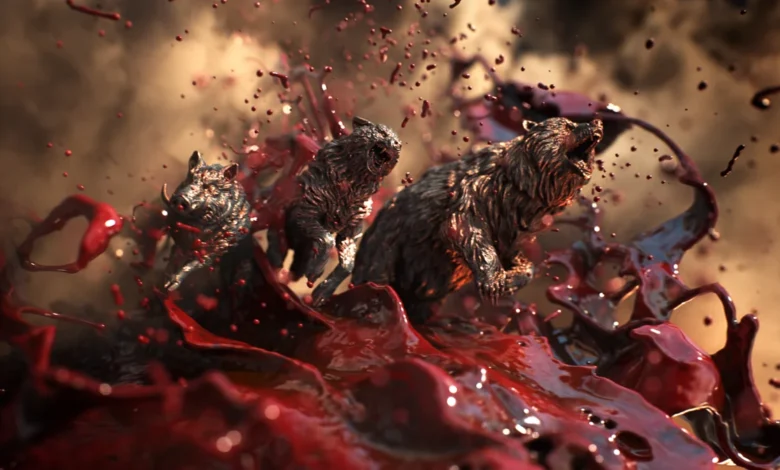
The digital entertainment landscape is currently defined by an unprecedented saturation of content, with thousands of interactive titles vying for consumer attention on an annual basis. Within this hyper-competitive environment, the role of the cinematic trailer has evolved from a mere promotional tool into a vital narrative bridge that establishes the emotional and aesthetic stakes of a game’s universe. Recently, Resight, a visual effects (VFX) studio based in Tbilisi, Georgia, demonstrated the height of this craft through its work for Vizor Games’ "Blood of Heroes." By utilizing the Maxon One suite alongside a sophisticated array of secondary tools, Resight successfully translated a complex, poetic myth into a high-fidelity story trailer that captures the grandeur of Scandinavian-inspired mythology.
The Genesis of the Blood of Heroes Narrative Project
The collaboration between Resight and Vizor Games began with the production of a standard cinematic trailer designed to showcase the visceral combat and atmosphere of "Blood of Heroes." Following the success of that initial project, the studio was tasked with a more ambitious goal: creating a story trailer that would explain the origins of the game’s universe. Unlike gameplay-focused marketing, a story trailer requires a distinct visual language that can convey abstract concepts such as the birth of gods and the formation of existence itself.
The project originated from a "poetic myth" authored by the team at Vizor Games. This text served as the foundational blueprint for the Resight team, led by founder Andrey Voytishin. The primary challenge lay in maintaining the established aesthetic of the game while elevating the visual style to a level of "epic grandiosity" suitable for a creation myth. The creative process involved an extensive pre-production phase where the team analyzed contemporary cinematic references, ranging from high-budget feature films to acclaimed television series, to establish a visual benchmark that would resonate with modern audiences.
Chronology of Production: From Concept to Final Render
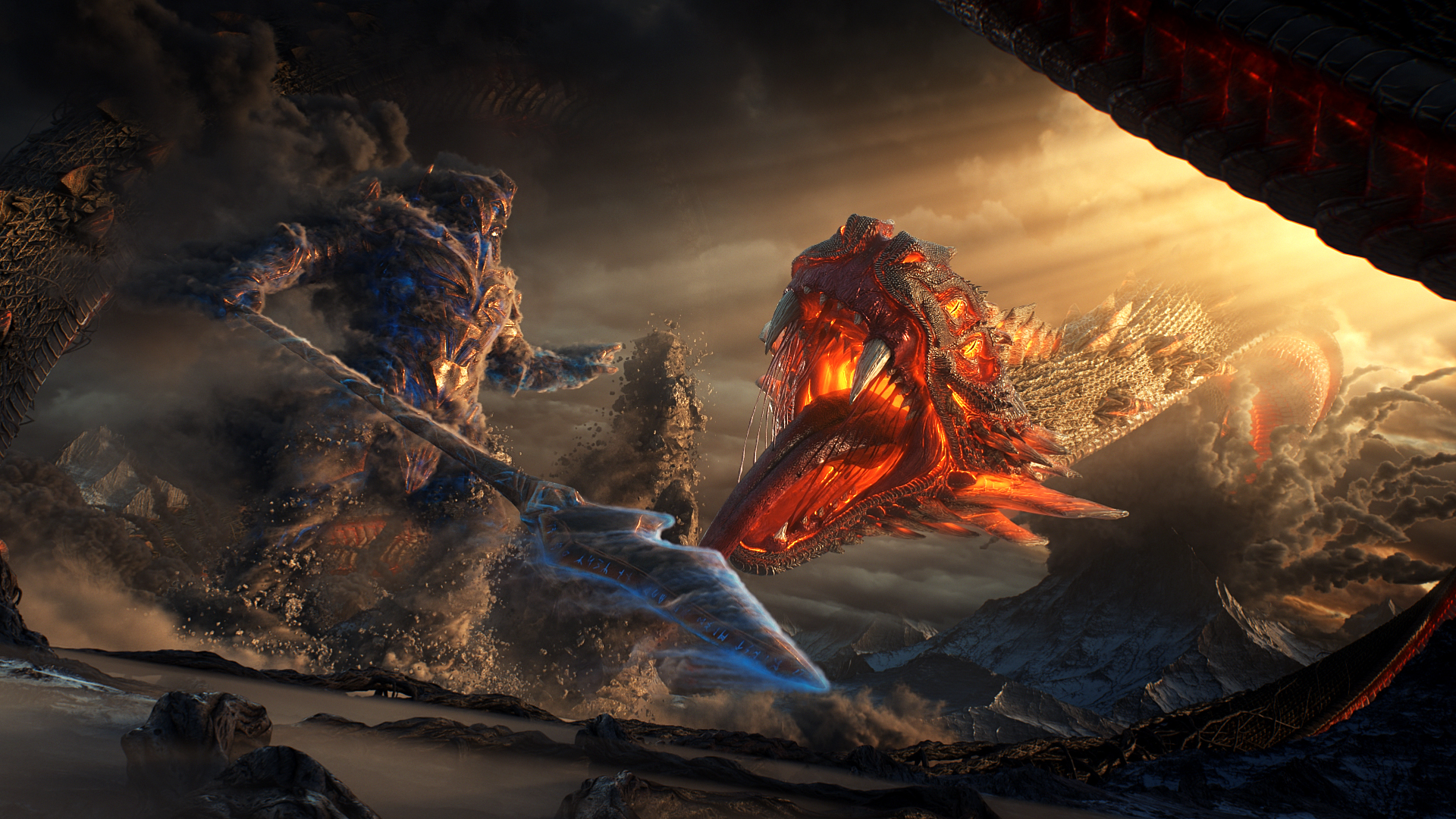
The production timeline for the "Blood of Heroes" story trailer was characterized by a need for constant adaptation. Because the game was still under active development during the trailer’s creation, Resight’s artists had to function as both animators and concept designers. Every environment, deity, and atmospheric effect had to be built from the ground up, as there were few existing assets that could be directly imported from the game engine.
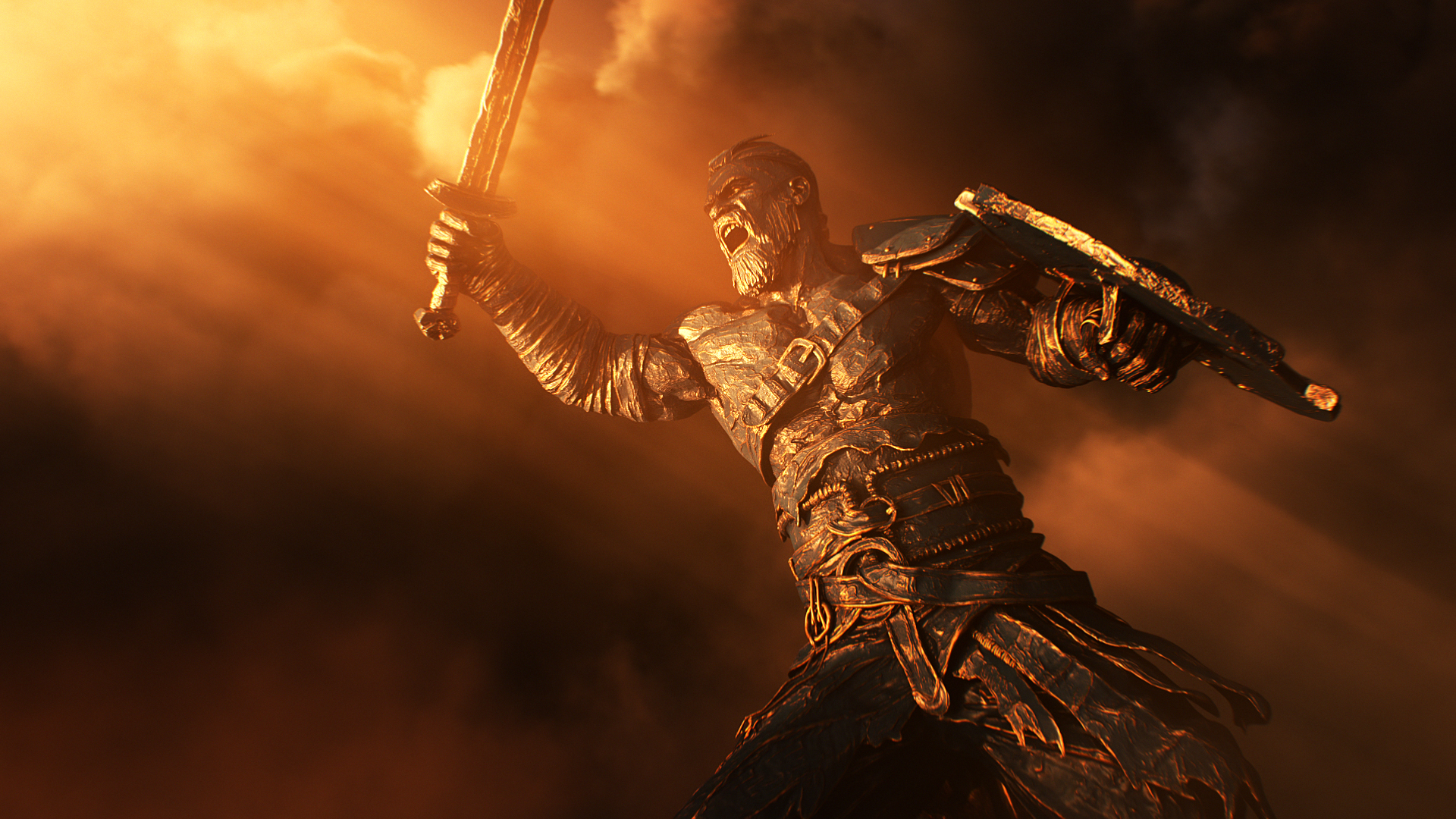
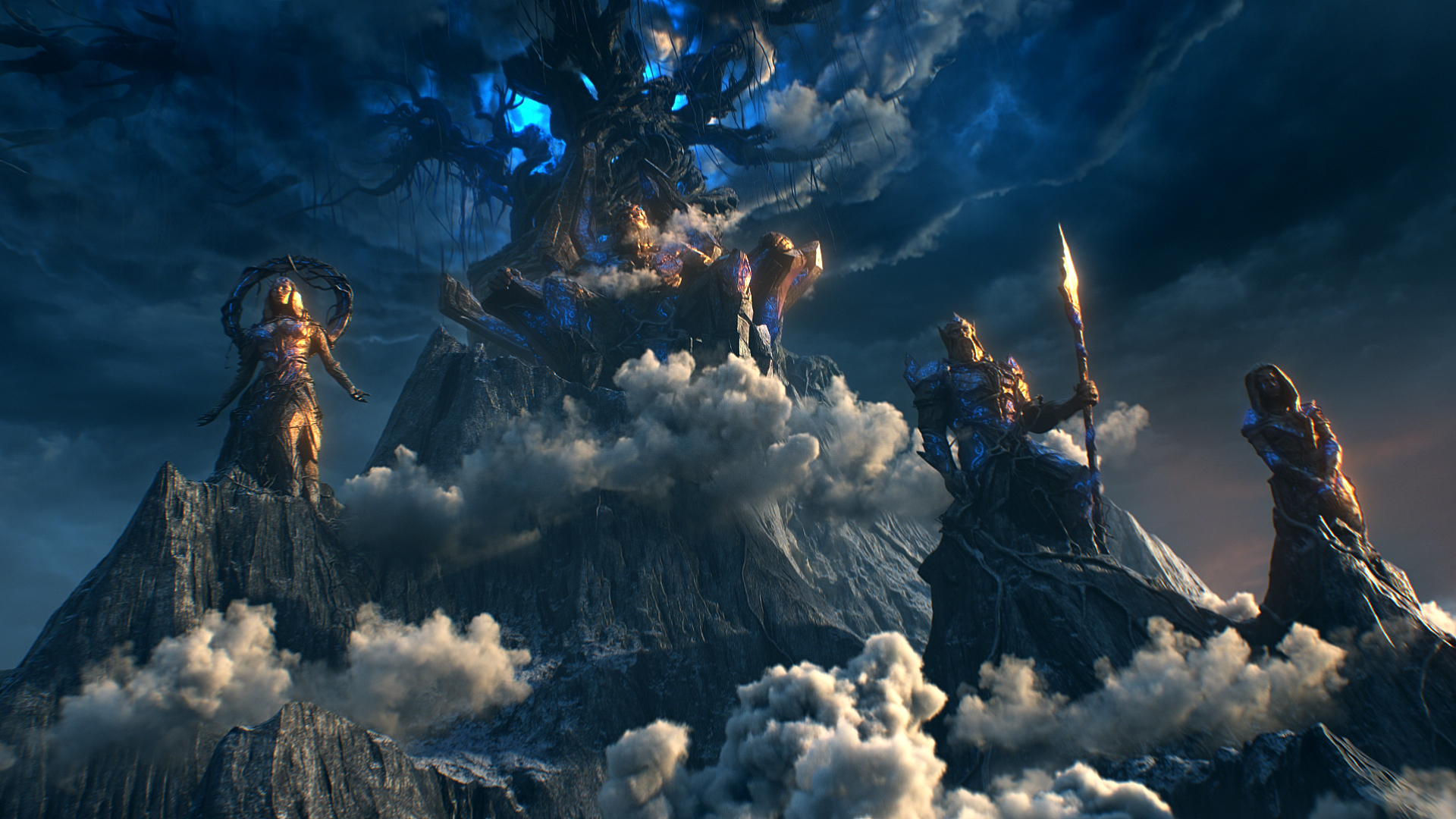
The initial conceptual phase considered a "statue-based" narrative, where the camera would move through a gallery of frozen moments. However, this was quickly abandoned in favor of a more dynamic approach. The team realized that to truly capture the spirit of the "Tree of Life" and the scale of the gods, the environment needed to feel alive and expansive. This led to the development of a bespoke world-building pipeline that prioritized scale and atmospheric depth.
Following the conceptual sign-off, the project moved into a rigorous production phase. This involved sculpting high-detail characters in ZBrush, building environments in World Creator and SpeedTree, and integrating these elements within Cinema 4D. The final stages involved complex simulations for fire, smoke, and particles, culminating in a multi-layered compositing process in After Effects.
Technical Infrastructure: The Maxon One Ecosystem and Beyond
At the heart of Resight’s workflow was Maxon One, a comprehensive toolset that includes Cinema 4D, ZBrush, and Red Giant tools. This ecosystem provided the "primary hub" for the project, allowing for a seamless transition between modeling, animation, and final compositing.
- Cinema 4D as the Central Hub: Cinema 4D served as the assembly point for the entire project. Its reputation for stability and its robust integration with third-party renderers like Octane made it the ideal platform for managing the massive datasets required for the trailer’s epic vistas.
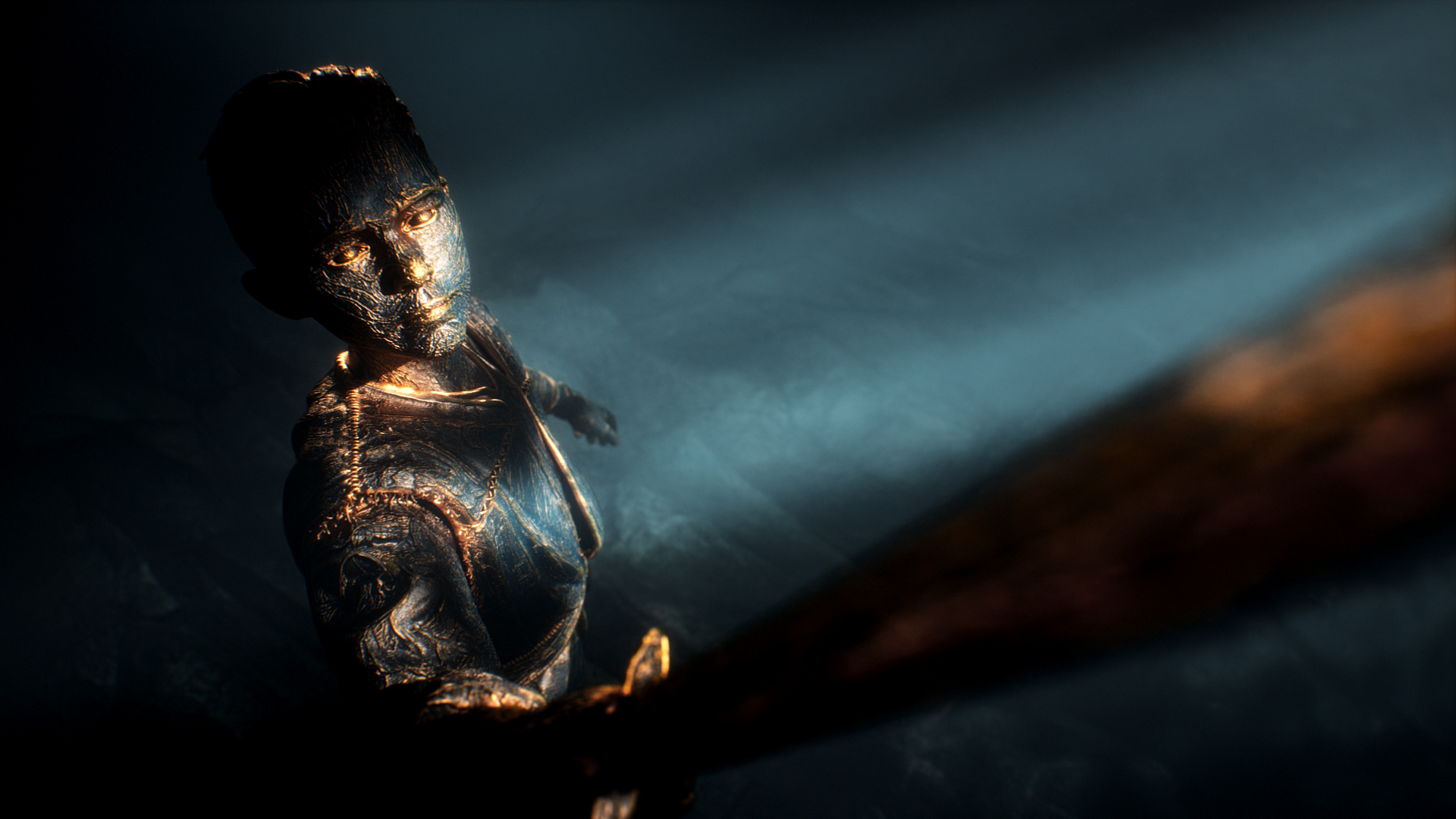
- ZBrush for Character and Environmental Sculpting: For the "Blood of Heroes" project, ZBrush was indispensable. The studio utilized features such as DynaMesh for rapid prototyping of the god statues and the main mountain ranges. The implementation of ZRemesher 4.0 and the Bas Relief features allowed the artists to maintain high-frequency details while optimizing the geometry for the animation pipeline.
- Red Giant and After Effects: The final "look" of the trailer was achieved through extensive compositing. Red Giant tools, specifically the Universe suite, were used to add cinematic textures, glows, and transitions that tied the disparate 3D elements together into a cohesive visual narrative.
To supplement the Maxon One suite, Resight integrated specialized software to handle specific environmental tasks. RizomUV was employed for precise UV mapping, while Substance Painter allowed for high-fidelity texturing. For the natural world, SpeedTree provided the complex geometry for the "Tree of Life," and World Creator was used to generate the rugged, mountainous terrain that defines the game’s setting.
Overcoming Technical Hurdles in Simulation and Scale
One of the most significant technical challenges faced by the Resight team was the execution of "single-shot" sequences. Several key moments in the trailer involve long, continuous camera movements that pass through multiple layers of smoke, fire, and particle simulations without a single cut. In a traditional 3D environment, such scenes are notoriously difficult to manage due to the sheer volume of data and the potential for render failures.
To solve this, Resight implemented a sophisticated "layering and optimization" strategy. Each complex shot was subdivided into multiple sub-scenes. For instance, a single mountain vista might be split into five distinct layers:
- The Primary Layer: Containing the gods, mountains, and primary vegetation.
- The Atmospheric Layer: Dedicated to cloud formations and storm simulations.
- The Particle Layer: Managing the fine dust and magical embers.
- The Simulation Layer: Handling the specific physics-based smoke and fire.
- The Background Layer: Providing the distant horizons and matte paintings.
By using the same virtual camera across all these sub-scenes, the team ensured that every layer would align perfectly during the compositing stage in After Effects. This modular approach provided the flexibility to tweak individual elements—such as the density of a cloud or the brightness of a fire simulation—without needing to re-render the entire heavy scene.
Case Study: The Nebula and the Tree of Life
The "Nebula Sequence" stands as a testament to the studio’s technical ingenuity. This sequence required the camera to fly through a celestial expanse representing the birth of the universe. To achieve this, Resight combined 3D models of gods and cosmic structures with fluid and particle simulations.
Using Turbulence FD for gaseous effects and X-Particles for the "constellation" details, the team transformed geometric shapes into glowing emitters. This allowed the nebula to maintain a consistent structure while exhibiting the fluid, ethereal movement expected of a cosmic event. The integration of matte paintings further enhanced the depth of the scene, creating a sense of infinite scale that would have been impossible to achieve with 3D geometry alone.
Procedural Efficiency and Material Assets
In an industry where timelines are often compressed, efficiency is as important as artistic talent. Resight addressed this by developing a library of procedural material assets. These materials—covering earth, rock, stone, and character skin—were designed to be adaptable across different models.
While the initial development of these procedural shaders was time-consuming, it paid dividends during the revision phase. If a client requested a change to the color of the mountains or the texture of a god’s skin, the team could apply the change globally across the procedural assets rather than manually re-painting individual textures. This methodology not only ensured visual consistency throughout the trailer but also allowed the studio to meet tight deadlines without sacrificing quality.
Broader Impact and Industry Implications
The success of the "Blood of Heroes" story trailer highlights the growing importance of regional VFX hubs in the global gaming industry. Studios like Resight, based in Georgia, are proving that world-class cinematic content can be produced outside of traditional industry centers like Los Angeles or London. This decentralization is fueled by the accessibility of powerful tools like Maxon One, which level the playing field for boutique studios.
Furthermore, the project underscores a shift in how game developers approach storytelling. As multiplayer "live-service" games become more prevalent, developers are increasingly using high-end cinematics to provide the narrative context that might be missing from the core gameplay loop. By investing in "myth-building" trailers, companies like Vizor Games are able to build a more loyal fanbase that is invested in the lore of the world, not just the mechanics of the combat.
Official Perspectives on Creative Success
Reflecting on the project’s completion, Andrey Voytishin emphasized the human element behind the technology. He noted that while tools like Cinema 4D and ZBrush are essential, the "recipe for success" remains a combination of passion, patience, and a refusal to give up on complex problems. This sentiment is echoed across the VFX industry, where technical expertise must be matched by a deep commitment to the narrative vision.
The "Blood of Heroes" story trailer serves as a benchmark for what is possible when a studio masters the intersection of art and technology. Through the strategic use of Maxon One, Resight has not only created a stunning piece of marketing for Vizor Games but has also contributed a significant work of digital art to the broader gaming community. As the industry continues to evolve, the lessons learned by the Resight team regarding optimization, procedural workflows, and layered compositing will undoubtedly serve as a guide for future creators aiming to visualize the impossible.