How Cantina Creative created the crucial map sequences of Amazon’s ‘The Lord of the Rings: The Rings of Power.’

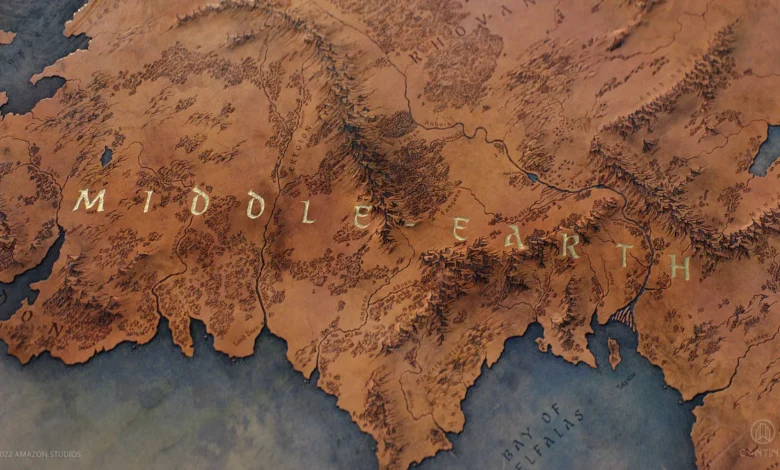
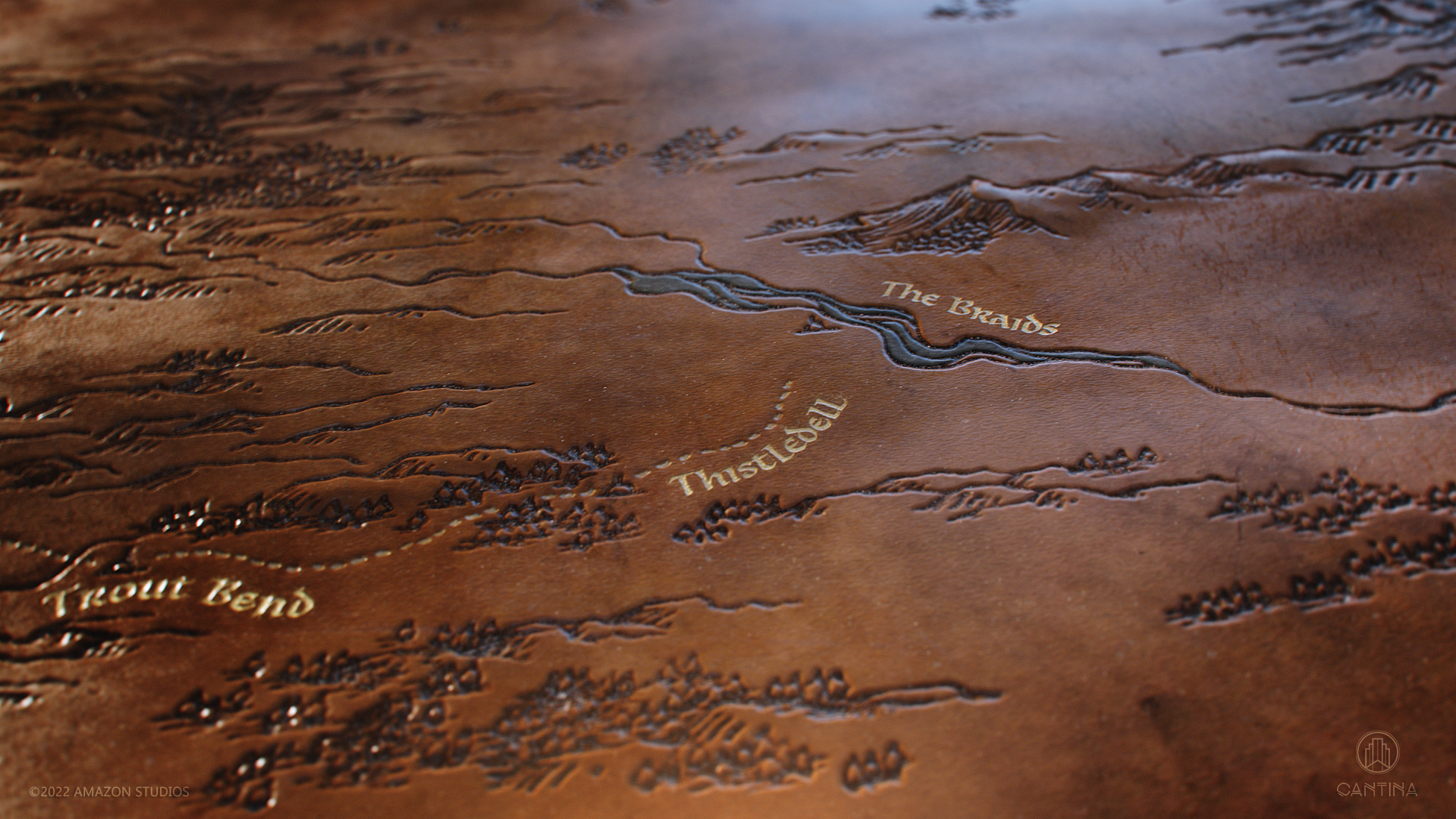
The visual landscape of Middle-earth has long been defined by its geography, a tradition established by J.R.R. Tolkien’s own hand-drawn illustrations and further solidified by the iconic cartography seen in Peter Jackson’s film trilogies. When Amazon Studios embarked on the ambitious task of bringing the Second Age to life in "The Lord of the Rings: The Rings of Power," the production required a navigational centerpiece that would not only serve as a storytelling device but also stand as a masterpiece of digital craftsmanship. Cantina Creative, a visual effects and design studio renowned for its intricate user interface (UI) work and high-fidelity motion graphics, was tasked with the creation of this central artifact: a photorealistic, weathered leather map of Arda.
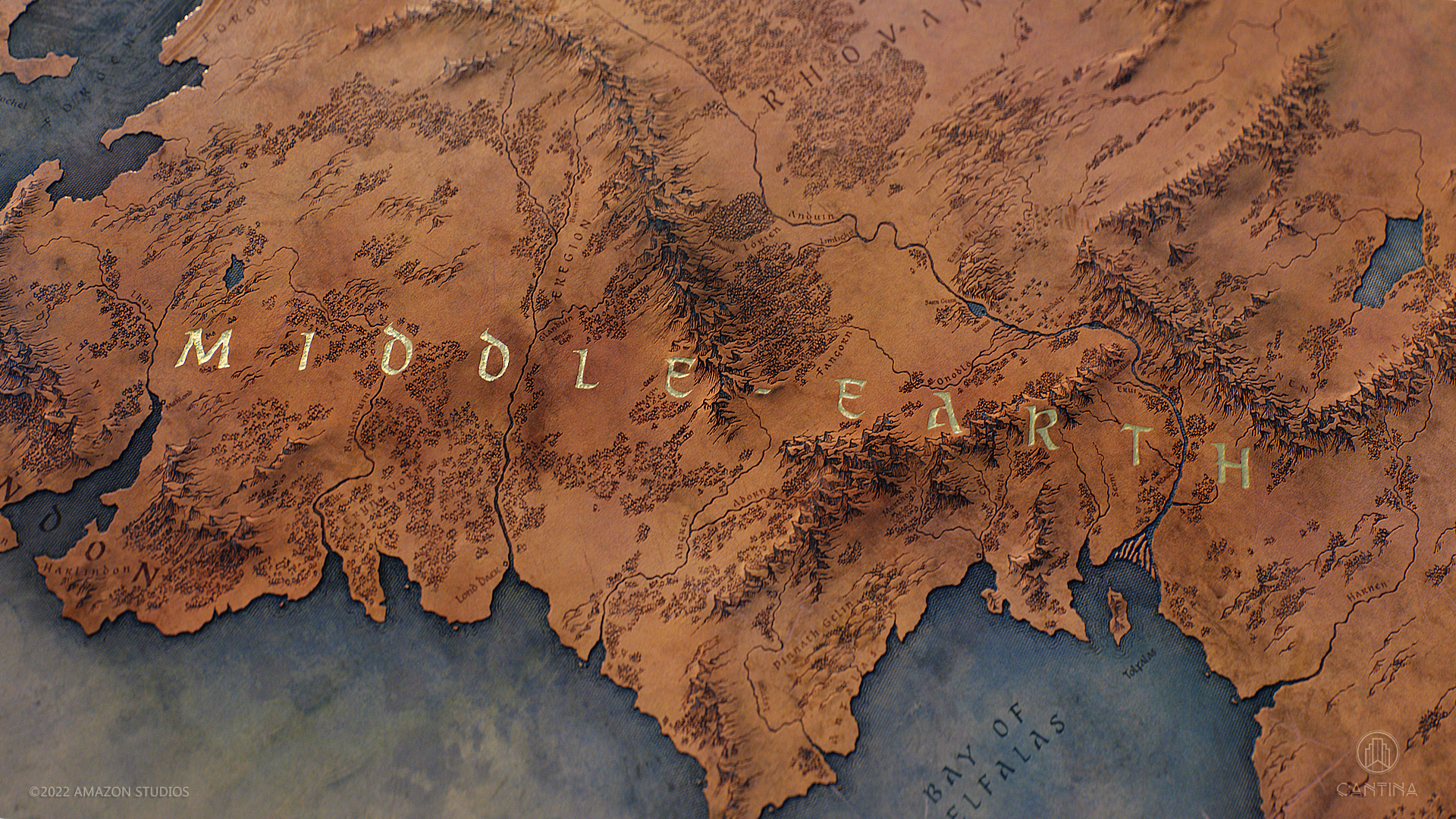
The project represents a significant milestone for Cantina Creative, particularly following its acquisition by Territory Studio under the umbrella of the Territory Group. This partnership has positioned the studio as a dominant force in the intersection of interface design and narrative filmmaking. For "The Rings of Power," the challenge was to move beyond mere information display and create a "living" object that felt tangible, historical, and deeply integrated into the world-building of the series.
A Legacy of Cartographic Continuity
Accuracy is the cornerstone of the Tolkien fandom, where geographical consistency is viewed with the same scrutiny as linguistic or chronological fidelity. To ensure the map resonated with the established aesthetic of Middle-earth, Cantina Creative began its journey by collaborating with Daniel Reeve. Reeve is the master calligrapher and cartographer responsible for the maps seen in both "The Lord of the Rings" and "The Hobbit" film trilogies. By utilizing Reeve’s original artwork as a foundational layer, the team ensured a direct visual lineage to the previous cinematic iterations of Middle-earth.
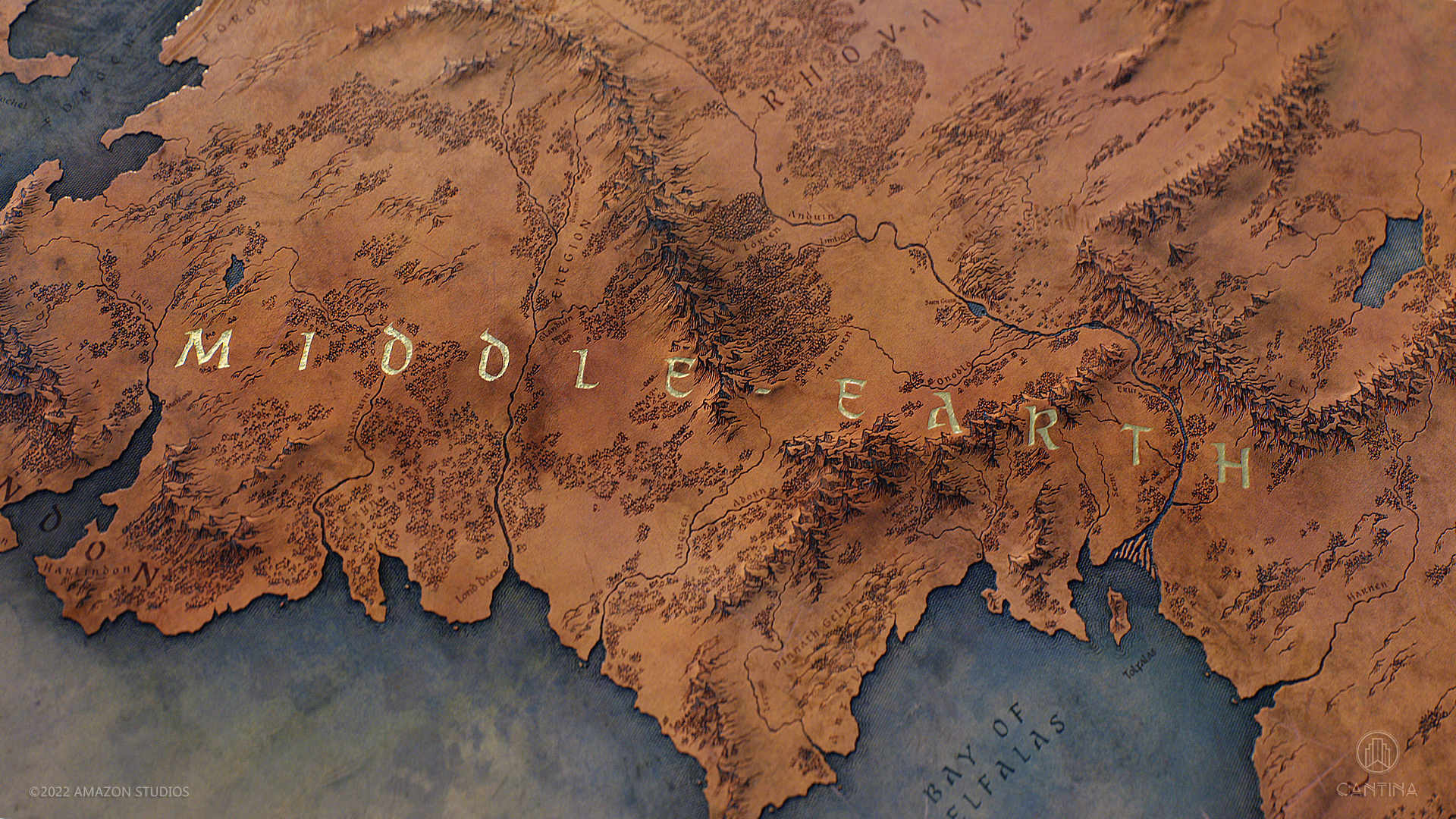
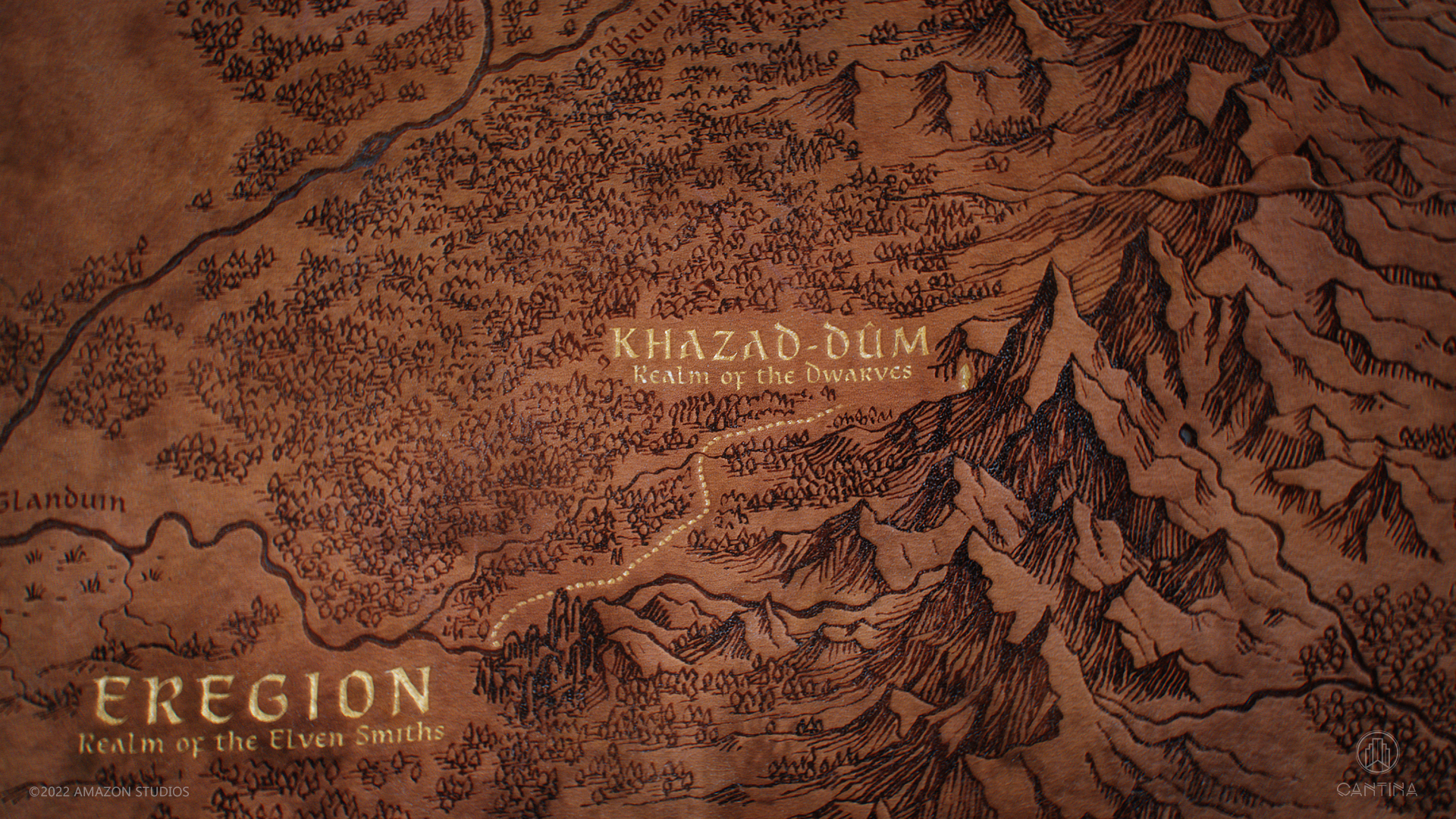
VFX Supervisor Aaron Eaton emphasized the weight of this responsibility, noting that the team’s status as fans themselves fueled a desire to avoid any perceived shortcuts. The workflow involved taking Reeve’s high-resolution illustrations and translating them into three-dimensional data. This was achieved through carved displacement mapping, where the lines of the map were treated not as mere ink on a surface, but as physical grooves etched into a hide. This approach allowed the CG map to react to light and shadow in a way that mimicked the uneven topography of hand-tooled leather.
The Intersection of Physical Craft and Digital Artistry
To achieve a level of photorealism that would hold up under extreme close-up shots, the team at Cantina Creative sought out traditional expertise. CG Supervisor Julianne Dome led a research initiative that took the team to a leathercraft shop in the San Fernando Valley. Under the guidance of master craftsman Wayne Christensen, the VFX artists studied the nuances of leatherwork, including the specific ways tools indent the surface, how the material stretches, and how it absorbs oils and pigments over time.
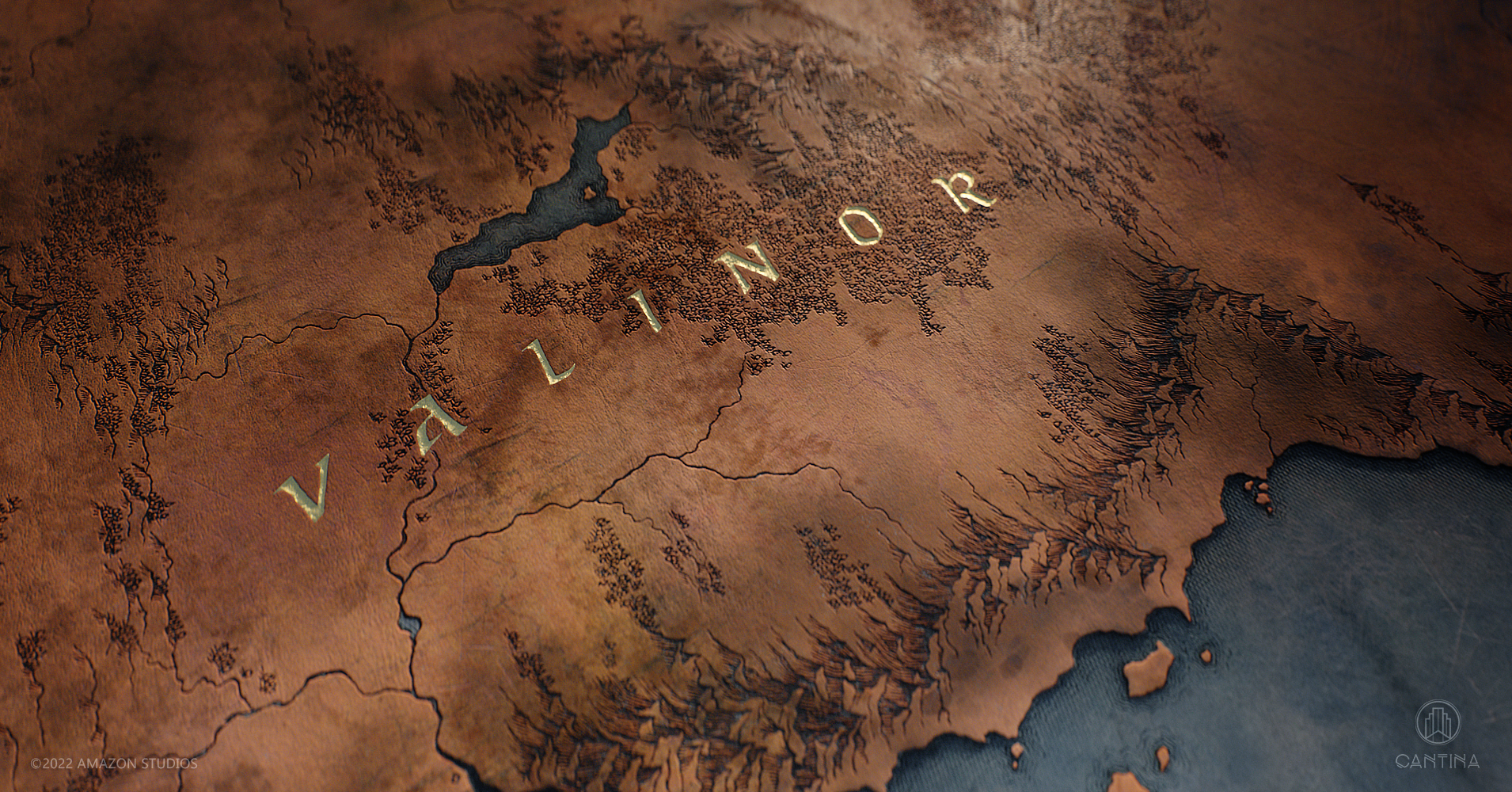
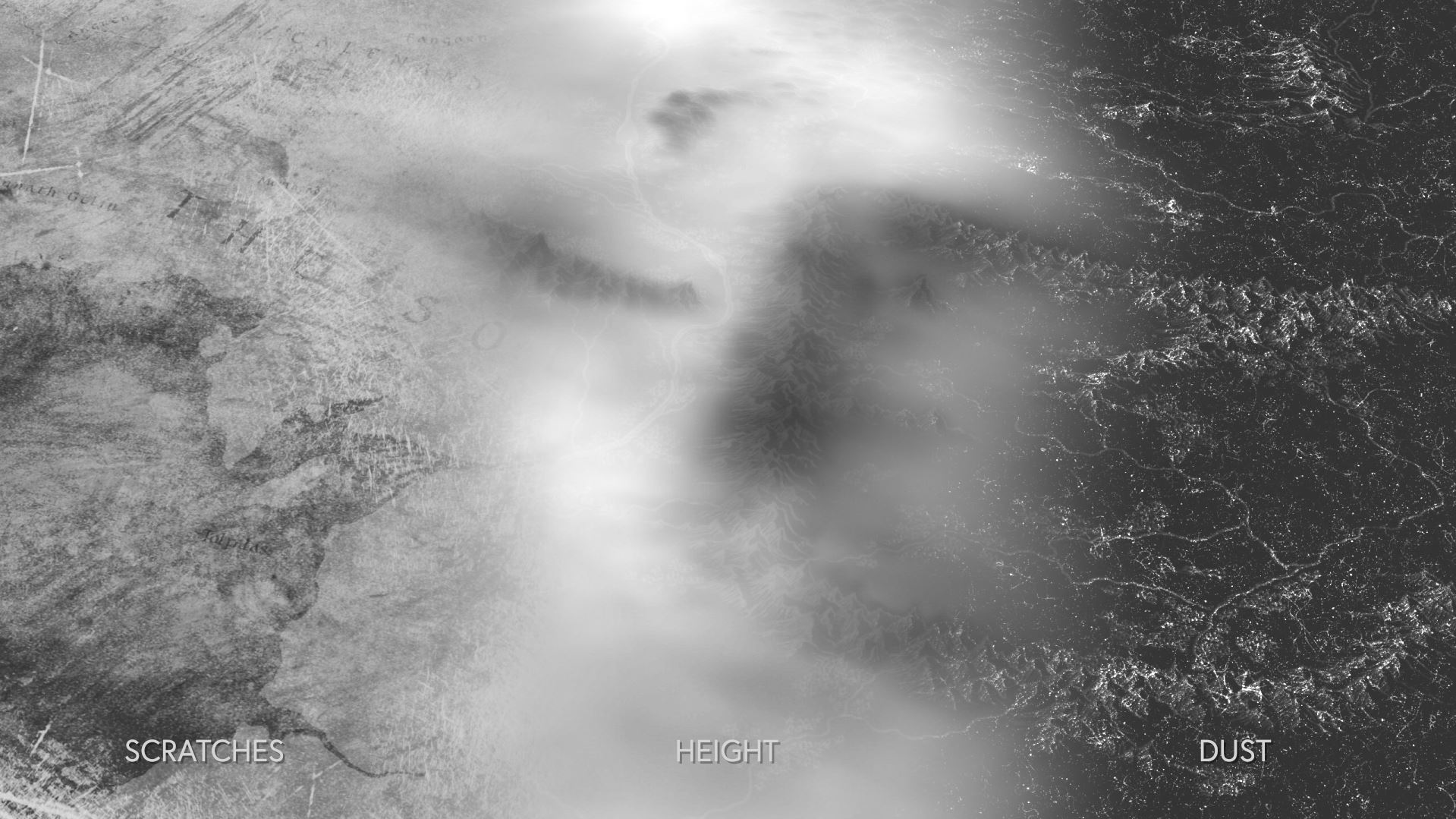
This physical research was vital for the creation of the digital shaders used in the final render. The team documented the process through extensive reference photography, capturing the way light interacts with the "grain" of the leather and the "patina" that develops through handling. In the digital environment, the artists did not simply apply a texture; they built a history. This included layers of simulated sun damage, accumulated dirt, natural oils from human hands, and even microscopic dust particles settled within the carved crevices of the mountains and coastlines.
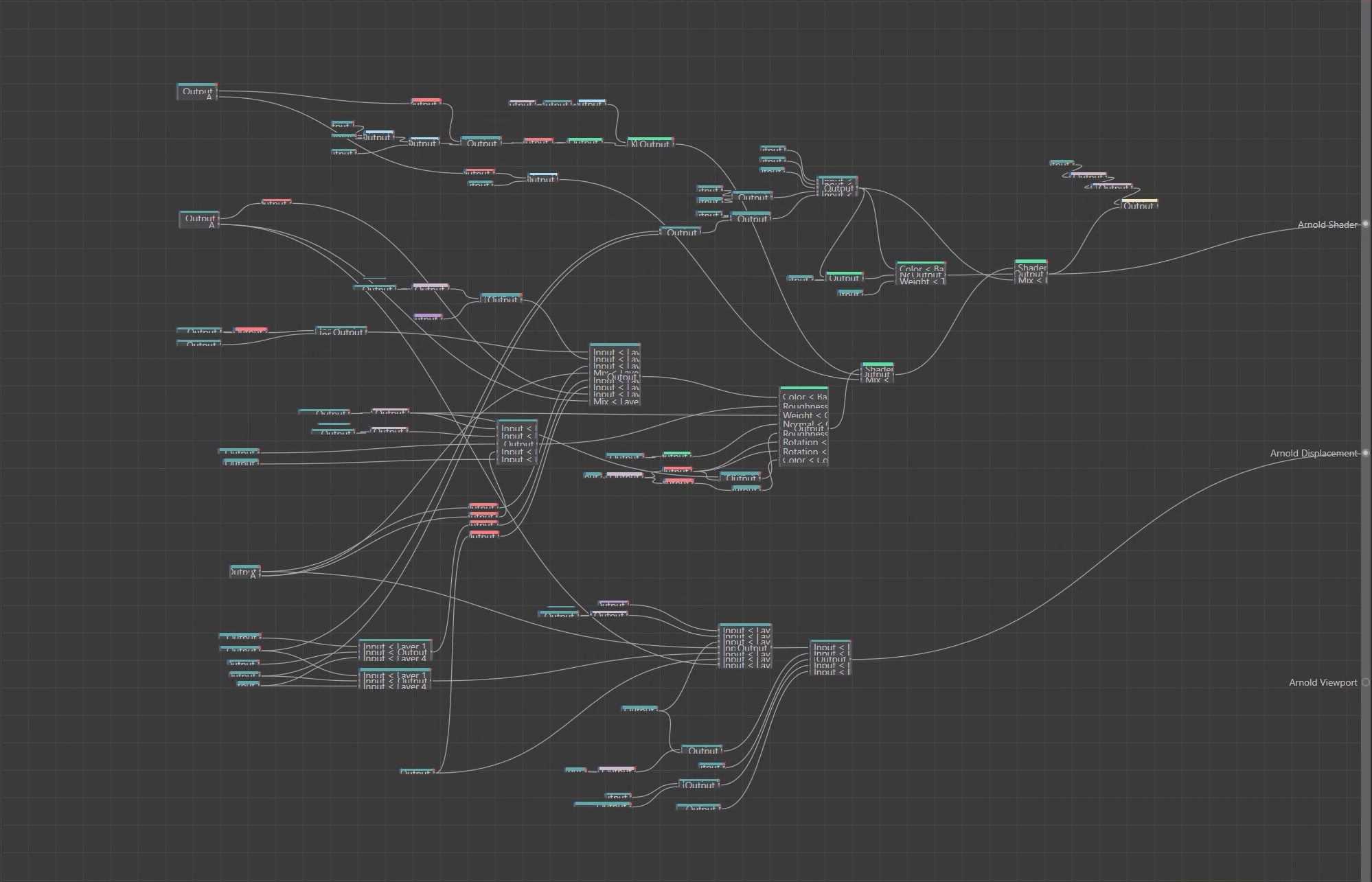
The technical stack for this undertaking included Cinema 4D for the primary 3D modeling and procedural noise patterns, Substance Painter for the detailed texturing and weathering, and Arnold for the final photorealistic rendering. By leveraging Cinema 4D’s procedural capabilities, the artists could maintain control over a massive surface area—estimated at a virtual scale of approximately six feet—ensuring that the texture remained crisp regardless of the camera’s proximity.
Technical Chronology and Production Milestones
The development of the map sequences followed a rigorous production timeline designed to integrate seamlessly with the show’s post-production schedule.
- Phase I: Conceptualization and Reference (Late 2021): The initial phase involved the acquisition of Daniel Reeve’s artwork and the subsequent visit to Wayne Christensen’s leather workshop. This period focused on defining the "materiality" of the map.
- Phase II: Digital Prototyping (Early 2022): Using Substance Painter, the team developed the "clean" version of the leather, followed by the iterative application of displacement maps to simulate the carving process.
- Phase III: Motion Capture and Camera Choreography: To ensure the camera movements felt grounded in reality, the team utilized a motion capture system. By recording manual camera moves over a life-sized virtual representation of the map, they avoided the "robotic" feel often associated with purely digital camera paths.
- Phase IV: Lighting and Final Rendering (Mid-2022): The final stage involved the application of warm, naturalistic lighting designed to mimic ambient daylight or the flickering glow of a torch, reinforcing the map’s existence within the diegetic world of the show.
Cinematic Scale and Narratological Impact
One of the primary functions of the map in "The Rings of Power" is to provide the audience with a sense of scale and progression across the sprawling geography of the Second Age. The series features multiple converging storylines, ranging from the nomadic journeys of the Harfoots to the maritime expeditions of the Númenóreans.
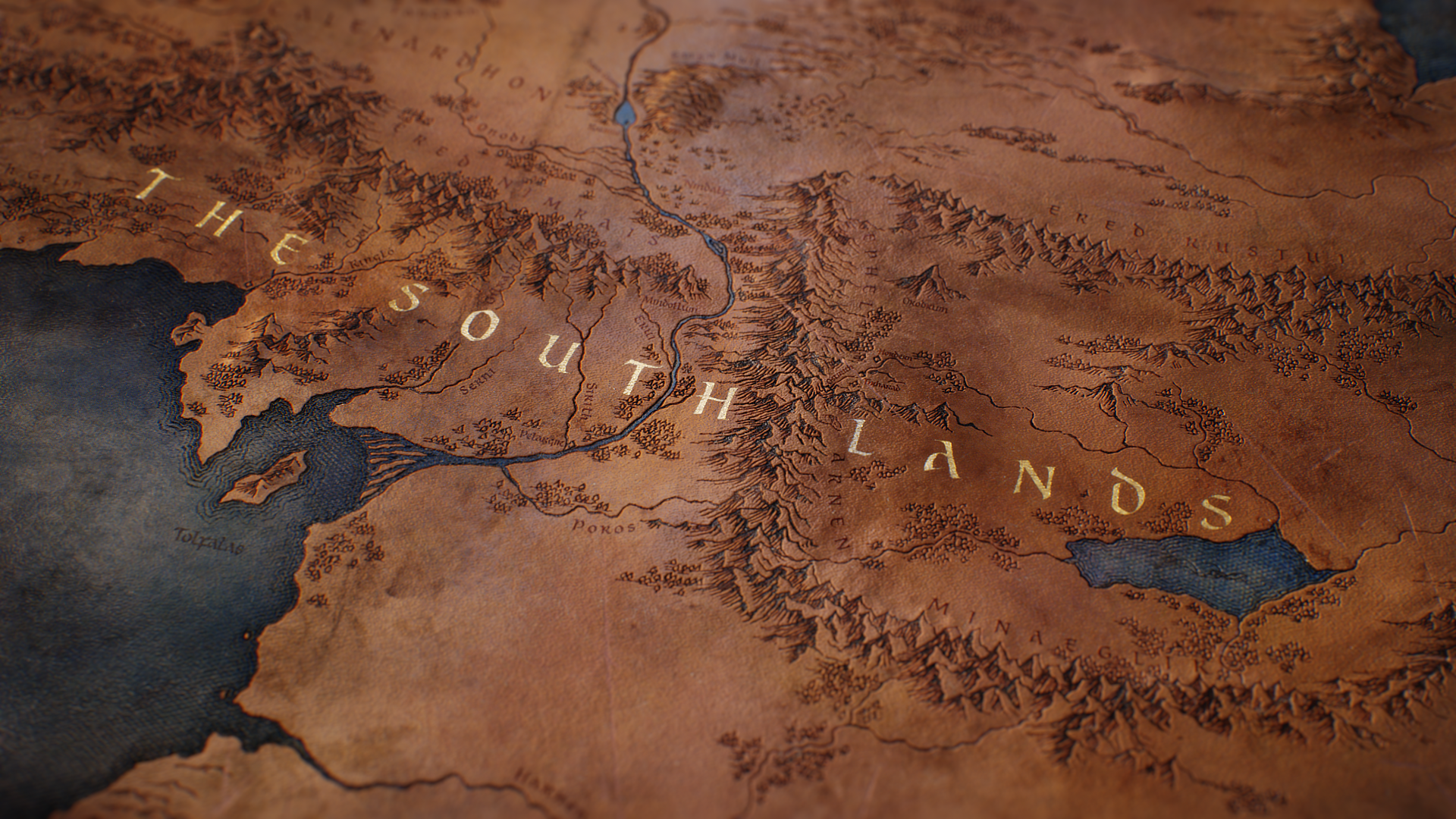
To convey these differing scales, Cantina Creative used varied camera heights and focal lengths. When depicting the vast crossing of the Sundering Seas, the camera was positioned at a higher altitude, emphasizing the immense distances involved. Conversely, for the slow, methodical treks of characters within Middle-earth, the camera was brought within inches of the leather surface. This macro-cinematography allowed viewers to see the individual pores and fibers of the hide, creating an intimate connection between the viewer and the physical world of the characters.
The use of motion capture for these camera movements was a strategic decision to maintain "perceived scale." By physically moving a camera rig in their office to navigate the virtual map, the artists were able to inject human imperfections—slight wobbles and natural accelerations—that signal to the viewer’s brain that the object being filmed is a tangible, physical entity.
Industry Implications and the Role of Territory Group
The success of the map sequences in "The Rings of Power" highlights a broader trend in the visual effects industry: the move toward "invisible" VFX that prioritizes tactile realism over spectacle. Cantina Creative’s ability to merge traditional craftsmanship with high-end computational tools is a testament to the evolving philosophy of the Territory Group.
Since its acquisition, Cantina has benefited from the synergy within the group, which specializes in "near-future" UI for blockbusters and innovative storytelling solutions for streaming platforms. The project also underscores the massive investment Amazon Studios has placed in the production. With a reported budget of $465 million for the first season alone, the pressure on vendors like Cantina to deliver world-class visuals was immense. The map sequences have been widely praised by both critics and fans for their beauty and their adherence to the "Tolkienian" spirit, serving as a vital bridge between the narrative and the audience’s understanding of the world.
Analytical Conclusion: The Map as a Living Document
In the context of modern television, the map in "The Rings of Power" serves as more than a transition graphic; it is a narrative anchor. By treating the map as a physical artifact—one that has been touched, aged, and carved—Cantina Creative has contributed to the "lived-in" aesthetic that is essential for high fantasy.
The project demonstrates that even in an era of digital dominance, the most effective visual effects are often those rooted in the physical world. By studying the history of leather tooling and the physics of light on organic surfaces, Cantina’s artists were able to create a digital asset that carries the weight of history. As the series progresses into future seasons, this map will likely continue to evolve, reflecting the changing borders and shifting fortunes of the Second Age, remaining a crucial guide for viewers navigating the complex tapestry of Tolkien’s legendarium.
The collaboration between Cantina Creative, Daniel Reeve, and the production team at Amazon Studios stands as a benchmark for how specialized VFX houses can elevate a production through a combination of fan-driven passion and technical precision. The result is a piece of digital cartography that feels less like a computer-generated image and more like a relic recovered from the archives of Middle-earth itself.