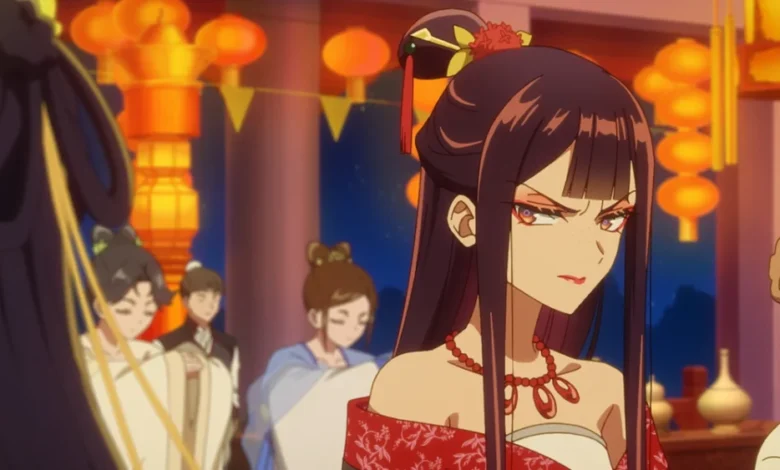
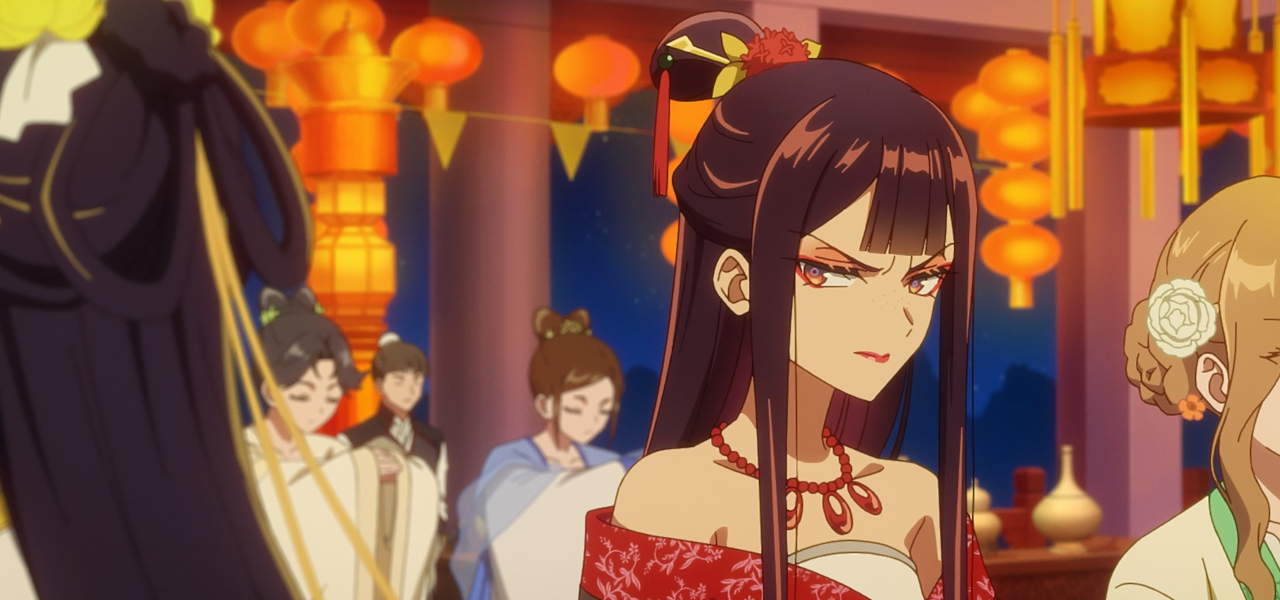
Toho Global and Crunchyroll have officially unveiled the inaugural trailer for Though I Am an Inept Villainess, providing a compelling glimpse into the forthcoming courtly fantasy anime series, which is slated for its highly anticipated global debut in July 2026. This initial visual offering has ignited significant discussion among anime enthusiasts and industry observers, setting the stage for what is expected to be a prominent title in the summer anime season. The series, an adaptation of Satsuki Nakamura’s critically acclaimed light novel, promises a rich tapestry of political intrigue, identity challenges, and survival drama set within the opulent yet treacherous confines of an imperial court.
Unveiling the Narrative: A Deeper Dive into the Plot
At the heart of Though I Am an Inept Villainess lies a narrative deeply rooted in the popular "isekai" and "villainess" subgenres, yet it distinguishes itself with a pronounced focus on political machinations and character-driven survival. The story introduces Kou Reirin, a noblewoman who experiences an abrupt and mystifying transmigration, finding her consciousness inhabiting the body of a disgraced villainess. This premise immediately establishes a high-stakes scenario where the protagonist must navigate a perilous new reality, far removed from her previous life and reputation.
The setting is an imperial court rife with tension, where powerful clans ceaselessly vie for influence and the ultimate prize: producing the next empress. This backdrop transforms the personal struggle of Kou Reirin into a grander narrative of strategic maneuvering, alliances, and betrayals. Her journey is not merely about adapting to a new identity but about surviving a hostile environment where every action carries significant political weight. The themes of identity swap, often a source of comedic or romantic entanglement in similar narratives, are here imbued with a sense of urgency and danger, as Reirin’s survival hinges on her ability to outwit her adversaries and understand the complex power dynamics of the court. The series is poised to explore the psychological toll of such an existence, forcing Reirin to confront her past, present, and the uncertain future of her borrowed life, all while attempting to prevent the tragic fate that typically befalls the "villainess" character in such fictional worlds.
The Creative Minds Behind the Adaptation: Doga Kobo and Key Staff
The production of Though I Am an Inept Villainess is spearheaded by Doga Kobo, an animation studio with a long-standing reputation for its distinctive visual style and expertise in character-driven narratives, particularly in the realm of romantic comedies and slice-of-life genres. Founded in 1973, Doga Kobo has evolved significantly, becoming known for titles like Monthly Girls’ Nozaki-kun, Himouto! Umaru-chan, and New Game!. While often associated with lighter fare, their meticulous animation quality and expressive character work suggest a strong foundation for bringing the intricate emotional landscape and courtly aesthetics of Though I Am an Inept Villainess to life. Their involvement signals a commitment to high-quality visual execution and character animation, crucial for a series that relies heavily on character expressions and detailed settings.
The directorial helm is taken by Mitsue Yamasaki, a seasoned professional whose resume includes significant contributions to high-profile productions. Yamasaki’s experience as an episode director for the globally acclaimed Attack on Titan demonstrates her capability in handling large-scale, intense narrative sequences. Her role as series director for Zenshu further highlights her versatility and capacity to guide a project’s overall creative vision. Her leadership is expected to provide a cohesive and compelling interpretation of Nakamura’s work, balancing the political intrigue with the personal journey of the protagonist.
Yoshiko Nakamura is responsible for the series composition, a critical role that involves structuring the narrative flow and ensuring thematic consistency across episodes. Nakamura’s previous work on popular series like Gekkan Shoujo Nozaki-kun (Monthly Girls’ Nozaki-kun) and Hiiro no Kakera (Scarlet Fragment) showcases her adeptness at crafting engaging dialogue and pacing storylines effectively. Her contribution will be vital in translating the light novel’s complex plot into a digestible and captivating episodic format.
Character designs are handled by Ai Kikuchi, whose artistry will define the visual identities of the diverse cast inhabiting the imperial court. Kikuchi’s work is instrumental in establishing the aesthetic appeal of the series, from the opulent attire of the nobility to the nuanced expressions that convey the characters’ inner turmoil and strategic intentions. The initial trailer already hints at a refined and appealing character design style that aligns with the fantasy-romance genre while maintaining a unique flair.
The musical score, an essential component for setting the mood and enhancing narrative tension, is composed by Yukari Hashimoto. Known for her diverse contributions to anime soundtracks, including works for March Comes in Like a Lion and Sarazanmai, Hashimoto’s ability to blend orchestral elements with more contemporary sounds suggests a rich and evocative score that will underscore the drama, romance, and political machinations of the series. The collaboration of these experienced individuals promises a high-caliber production that honors the source material while delivering a fresh and engaging animated experience.
A Proven Track Record: Success of the Source Material
The anime adaptation of Though I Am an Inept Villainess arrives with a substantial foundation of existing popularity and critical acclaim, stemming directly from its source material. Satsuki Nakamura’s light novel series has garnered significant buzz and commercial success long before its transition to animation, indicating a strong pre-existing fanbase and a proven narrative appeal.
A key indicator of its standing within the literary world came in 2023, when the light novel secured top honors in its category at the Everyone’s Choice Electronic Comic Awards. This award, recognizing excellence in digital comics and light novels, reflects strong reader engagement and critical appreciation within the Japanese market. Such accolades often serve as a strong precursor to further adaptations, as they highlight a property’s resonance with its target audience and its potential for broader appeal.
Further cementing its popularity, the series consistently ranked highly in BookLive’s annual listings. BookLive, a prominent Japanese e-book retailer, compiles these rankings based on sales data and reader reviews, providing a robust measure of a title’s commercial performance and widespread acceptance. Consistent high rankings indicate not just a fleeting trend but sustained interest and a loyal readership, which translates directly into a built-in audience for the anime adaptation.
The combined sales figures underscore this success emphatically: across its light novel and manga iterations, Though I Am an Inept Villainess has sold over four million copies. This impressive milestone places it among the most successful properties in its genre, signifying its widespread appeal across different media formats. The transition from light novel to manga is a common and often strategic step in the Japanese publishing industry, serving to expand the readership and visualize the narrative, further paving the way for an anime adaptation. The robust sales figures demonstrate that the core story and characters resonate deeply with a broad demographic, providing a solid commercial backing and high expectations for the animated series. This pre-existing success mitigates much of the risk typically associated with new anime productions, offering a strong indicator of potential audience engagement and commercial viability.
The Rise of the "Villainess" Genre: A Cultural Phenomenon
The narrative framework of Though I Am an Inept Villainess fits squarely within the burgeoning "villainess" subgenre, a distinct and increasingly popular offshoot of the broader isekai (another world) genre that has captivated audiences across light novels, manga, and anime. This genre typically features a protagonist who is reincarnated or transported into the body of the antagonist from a fictional story, often an otome game or a novel, and must then strive to avoid a predetermined bad ending—usually involving ruin, exile, or death.
The genesis of the villainess genre can be traced back to the early 2010s, initially gaining traction on Japanese web novel platforms like Shosetsuka ni Naro ("Let’s Become a Novelist"). Its popularity surged through the mid-2010s and into the 2020s, driven by its unique blend of fantasy, romance, and empowerment themes. What distinguishes the villainess trope from traditional isekai is its focus on subverting expectations and challenging the established narrative. The protagonist, armed with meta-knowledge of the fictional world, actively works to defy her fate, often showcasing intelligence, resourcefulness, and a surprising capacity for kindness despite her ‘villainous’ label.
This genre resonates particularly strongly with female audiences, offering narratives that empower characters to take control of their destinies, challenge societal norms, and often find genuine happiness or romance outside of the pre-scripted story. Titles like My Next Life as a Villainess: All Routes Lead to Doom! (often credited with popularizing the genre in anime), Accomplishments of the Duke’s Daughter, and The Most Heretical Last Boss Queen: From Villainess to Savior have demonstrated the genre’s broad appeal and versatility, ranging from comedic escapades to more serious political dramas.
Though I Am an Inept Villainess taps into this well-established popularity while adding its own distinct flavor. By emphasizing political intrigue and survival drama within an imperial court setting, it promises a more mature and complex exploration of the genre’s themes. The protagonist’s struggle is not just about avoiding a bad ending but about navigating a treacherous political landscape, making it appealing to viewers who appreciate strategic depth alongside character development. The continued success of such titles reflects a broader trend in the anime and manga industries towards diversifying narrative perspectives and catering to a wider range of reader interests, particularly those seeking strong, proactive female protagonists who defy traditional archetypes.
The Voices of the Imperial Court: Cast Additions and Their Impact
The success of any anime adaptation is heavily reliant on its voice cast, and Though I Am an Inept Villainess is assembling a formidable ensemble of talent to bring its complex characters to life. Leading the cast are Manaka Iwami and Natsumi Kawaida, whose previous roles suggest their capability to portray the nuanced emotional spectrum required for this series. While specific character assignments are yet to be fully detailed, their casting as primary voices indicates their central roles in the narrative, likely embodying Kou Reirin and other pivotal figures within the imperial court. Manaka Iwami is known for her roles as Tohru Honda in Fruits Basket and Maquia in Maquia: When the Promised Flower Blooms, showcasing her ability to convey both vulnerability and inner strength. Natsumi Kawaida, with roles such as Fuka in Pokémon Journeys: The Series and Rina in Rent-A-Girlfriend, demonstrates versatility in portraying a range of personalities.
Further enhancing the vocal talent are the recent additions of Makoto Furukawa and Yuichiro Umehara. These two voice actors are highly respected figures in the industry, known for their distinctive voices and extensive portfolios. Makoto Furukawa is celebrated for his roles as Saitama in One-Punch Man, Shirogane Miyuki in Kaguya-sama: Love Is War, and Benimaru in That Time I Got Reincarnated as a Slime. His presence often lends a charismatic and authoritative quality to his characters, which would be well-suited for a series steeped in courtly politics. Yuichiro Umehara has likewise made a significant mark with roles such as Goblin Slayer in Goblin Slayer, Seiya Ryuuguuin in Cautious Hero: The Hero Is Overpowered but Overly Cautious, and Ensei in The Apothecary Diaries. Umehara’s voice often conveys a sense of calm strength or subtle menace, perfect for the intricate dynamics of rival clans and potential antagonists within the story.
The inclusion of such prominent voice actors not only elevates the series’ production value but also generates considerable anticipation among fans. Their ability to infuse characters with depth and personality is crucial for a story that relies on complex relationships and emotional resonance. The combined talent of these individuals promises to deliver compelling performances that will undoubtedly contribute to the immersive experience of Though I Am an Inept Villainess, making the intricate world of imperial court politics and personal struggle feel authentic and engaging to the audience.
Strategic Collaboration: Toho Global and Crunchyroll’s Distribution Prowess
The global release of Though I Am an Inept Villainess is a collaborative effort between two industry giants: Toho Global and Crunchyroll. This partnership underscores a strategic approach to maximizing the anime’s reach and impact, leveraging the unique strengths of both entities.
Toho Global, a subsidiary of the venerable Japanese entertainment conglomerate Toho Co., Ltd., plays a pivotal role in the production and distribution of a vast array of media, including anime. Toho has a long history of producing and distributing some of Japan’s most iconic films and anime series, and its global arm is instrumental in extending this legacy to international markets. Their involvement often signifies a project with significant financial backing and high production standards, as Toho is known for investing in quality content. Their expertise in licensing, marketing, and navigating the complexities of international distribution makes them a formidable force in bringing Japanese content to a worldwide audience.
.png)
Crunchyroll, on the other hand, stands as the preeminent global streaming service dedicated exclusively to anime. With a vast subscriber base spanning over 200 countries and territories, Crunchyroll offers unparalleled reach for anime content. Its platform provides simulcast capabilities, allowing international viewers to watch new episodes shortly after their Japanese broadcast, thereby fostering a unified global fandom and minimizing piracy. Crunchyroll’s strategic acquisitions and partnerships have solidified its position as the go-to destination for anime enthusiasts worldwide, offering a diverse library that caters to various tastes.
The collaboration between Toho Global and Crunchyroll for Though I Am an Inept Villainess is a potent combination. Toho’s deep roots in Japanese production and content creation, coupled with Crunchyroll’s expansive global distribution network, ensures that the series will not only be produced with high quality but also made accessible to a massive international audience from day one. This partnership reflects a broader industry trend where Japanese production houses are increasingly working with global streaming platforms to bypass traditional regional licensing hurdles and deliver content directly to fans worldwide, capitalizing on the ever-growing international demand for anime. For Though I Am an Inept Villainess, this means a robust marketing campaign, widespread availability, and the potential to become a breakout hit on a global scale, further cementing the "villainess" genre’s international appeal.
Anticipation Builds: Fan Engagement and Market Expectations
The release of the first trailer for Though I Am an Inept Villainess has predictably sparked considerable excitement and discussion across various fan communities. Given the established popularity of the light novel and manga, anticipation among existing fans is exceptionally high. They are eager to see how the intricate plot, compelling characters, and political machinations will translate into animated form. Initial reactions to the trailer typically focus on the animation quality, character designs, and the faithfulness of the adaptation to the source material, all of which appear to be met with general approval.
Beyond the existing fanbase, the series is poised to attract a broader audience, particularly those drawn to the flourishing "villainess" and "isekai" genres. The combination of a strong female protagonist, a fantastical imperial court setting, and themes of identity and survival aligns perfectly with current trends in anime consumption. The strategic release in July, often a competitive season for new anime, indicates confidence from Toho Global and Crunchyroll in the series’ ability to stand out.
Market expectations are also significant. The demonstrated commercial success of the source material, with over four million copies sold, provides a strong indicator of the anime’s potential commercial viability. This success suggests a pre-validated market for merchandise, spin-offs, and potentially multiple seasons if the anime performs well. For Crunchyroll, a popular series like this can drive new subscriptions and retain existing ones, solidifying its position as a leading anime distributor. For Toho Global, it further expands its portfolio of successful international anime properties. The series’ ability to generate social media buzz, fan art, and online discussions will be a key metric of its success, signaling its cultural impact and long-term potential in the highly competitive anime market.
Looking Ahead: The Future of "Though I Am an Inept Villainess"
As Though I Am an Inept Villainess prepares for its July 2026 debut, its future trajectory appears promising, buoyed by its strong foundations and strategic backing. The existing success of the light novel and manga series, which continues to release new volumes, provides ample source material for multiple anime seasons. Should the first season resonate strongly with audiences, a swift announcement for subsequent seasons would be a logical and anticipated development, allowing the anime to delve deeper into the intricate political landscape and character arcs that define the story.
Beyond the anime series itself, the popularity of such properties often translates into a wide array of ancillary products. This could include further manga adaptations, drama CDs, character goods, figures, and even video game adaptations, further extending the franchise’s reach and revenue streams. The "villainess" genre, in particular, has proven fertile ground for merchandise that appeals to its predominantly female audience.
The success of Though I Am an Inept Villainess will also serve as a barometer for the continued global appeal of the "villainess" subgenre and Japanese light novel adaptations in general. A strong performance could encourage more investment in similar narratives, fostering further diversification within the anime industry and catering to a wider demographic of viewers. It reinforces the trend of international collaborations for distribution, ensuring that compelling stories from Japan can find a global audience without significant delay. The series stands as a testament to the enduring power of well-crafted narratives, regardless of their initial medium, to transcend boundaries and capture the imagination of a worldwide audience. Its impending release is not just an event for fans, but a significant moment for the broader anime industry, signaling continued growth and evolution in content creation and global distribution strategies.
The release of the first trailer for Though I Am an Inept Villainess marks a significant milestone for a property already beloved by millions. With its July 2026 premiere on the horizon, the combined efforts of Doga Kobo, Mitsue Yamasaki, Yoshiko Nakamura, Ai Kikuchi, Yukari Hashimoto, and its stellar voice cast, alongside the robust distribution network of Toho Global and Crunchyroll, promise an adaptation that is poised to captivate audiences worldwide and further cement the "villainess" genre’s place in the anime canon.