Hasselblad Legal Action Halts Independent Firmware Modifications for Medium Format Cameras

For several weeks during the autumn of 2026, owners of high-end Hasselblad medium format cameras experienced an unexpected wave of unofficial performance enhancements courtesy of independent developers and passionate technology enthusiasts. These unauthorized third-party tweaks aimed to unlock advanced capabilities, optimize internal workflows, and refine user interfaces on some of the most sophisticated photographic equipment on the market. However, this period of grassroots innovation came to a sudden halt this week when legal representatives for Hasselblad intervened, issuing formal cease-and-desist notices to the independent programmers behind the modifications. The swift legal maneuver has sparked intense debate within the global photography community regarding device ownership, modification rights, and the delicate balance between corporate intellectual property protection and consumer customization.

The unauthorized modifications began appearing in online developer forums and specialized photography communities earlier in the autumn season. Independent hackers and tech-savvy photographers turned their attention to Hasselblad’s sophisticated medium format ecosystem, identifying avenues to introduce customized features that manufacturers had not officially implemented. Supporters of the movement argued that these community-driven updates served a vital purpose by breathing new life into older hardware, correcting minor operational bottlenecks, and introducing user-requested functionalities that official firmware updates had omitted. For a brief window, enthusiasts praised the collaborative spirit of the tech community, viewing the patches as a benign way to maximize the utility of expensive camera bodies.

As word of the modifications spread across digital platforms, the reaction from corporate leadership was swift and uncompromising. Legal counsel representing Hasselblad moved quickly to protect the company’s proprietary firmware, software architecture, and hardware integrity. According to notices sent to the independent developers, the unauthorized modifications constituted a direct infringement of copyright law and violated end-user license agreements. Furthermore, corporate representatives emphasized significant technical concerns, warning that unverified firmware patches could lead to severe hardware instability, sensor degradation, and potential safety hazards. By the end of the week, the repositories hosting the modifications had been taken offline, effectively neutralizing the grassroots upgrade project.

The tension between camera manufacturers and independent software modifiers is not a new phenomenon within the consumer electronics industry. Over the past decade, manufacturers of digital cameras, smartphones, and agricultural equipment have increasingly tightened control over their proprietary operating systems. Companies frequently argue that protecting underlying source code is essential for maintaining brand reputation, ensuring device security, and preventing intellectual property theft. In the high-end medium format sector, where equipment precision and image reliability are paramount, manufacturers maintain rigorous quality control standards. Any deviation from factory-approved software can complicate warranty claims and introduce unpredictable variables into professional shooting environments where equipment failure carries substantial financial costs.

Conversely, the developer community and consumer advocacy groups view these restrictions through the lens of digital ownership and the historic right to modify purchased goods. Proponents of open modification argue that once a consumer purchases a piece of hardware, they should possess the autonomy to alter its software environment to suit their specific professional requirements. In fields such as astrophotography, specialized scientific imaging, and documentary filmmaking, users frequently push equipment beyond factory limitations. The abrupt suppression of the Hasselblad hackers highlights a growing philosophical divide between manufacturers who envision tightly controlled, closed ecosystems and consumers who advocate for open, customizable technology.
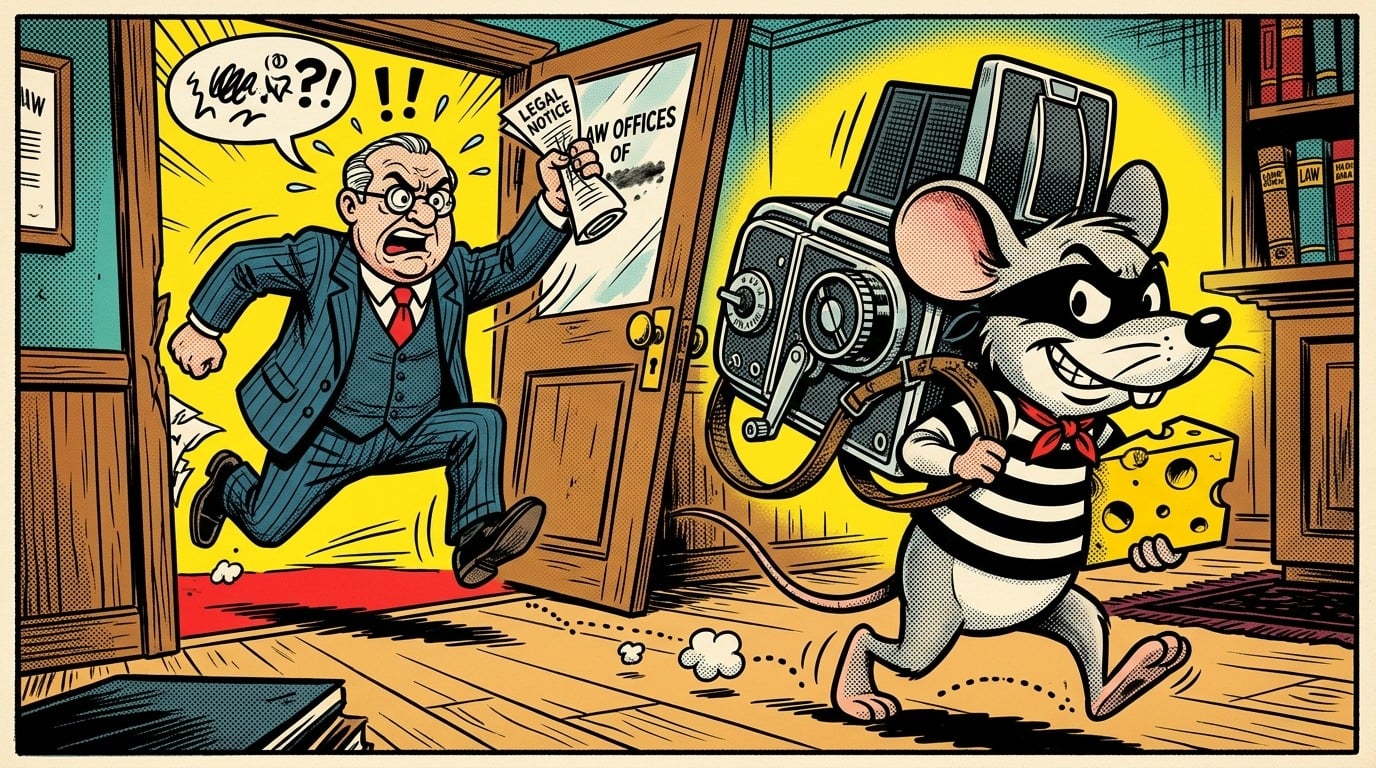
The broader implications of this legal enforcement extend well beyond the immediate community of Hasselblad users. Industry analysts note that this incident sets a formidable precedent for other high-end camera manufacturers facing similar grassroots modification movements. As digital cameras increasingly resemble sophisticated computers running complex operating systems, the lines between hardware ownership and software licensing will continue to blur. Manufacturers are expected to reinforce their digital rights management protocols and update their end-user license agreements to deter future independent development. For professional photographers and hobbyists alike, the situation serves as a stark reminder of the legal boundaries governing modern digital tools and the enduring dominance of corporate intellectual property rights over consumer customization.