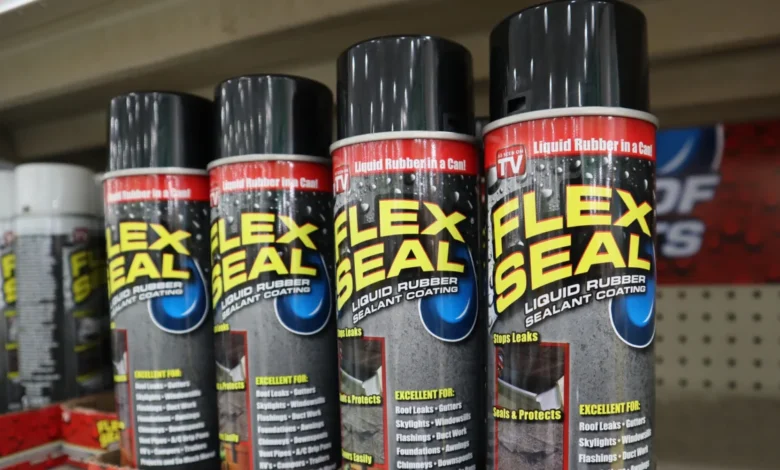
The allure of a quick, inexpensive fix for a flat tire has tempted countless motorists stranded on the side of the road or facing an unexpected repair bill. Among the myriad of household and DIY products marketed for their miraculous sealing capabilities, Flex Seal—famous for its dramatic infomercials showcasing boats sliced in half and held together by rubberized coatings—frequently attracts the attention of experimental do-it-yourselfers. However, automotive experts, tire manufacturers, and the makers of Flex Seal itself issue a unified, emphatic warning: using this rubberized aerosol spray to repair a punctured or leaking vehicle tire is not only ineffective, but it is also exceptionally dangerous.
While specialty tire sealants are engineered specifically to handle the internal pressures, thermal fluctuations, and structural demands of a rolling automotive tire, consumer-grade waterproofing sprays are designed for static surfaces like gutters, RV roofs, and concrete foundations. Understanding the physical mechanics of tires, the chemistry of aerosol sealants, and the rigorous safety standards required for roadworthy vehicles reveals why attempting to patch a tire with Flex Seal can lead to catastrophic failure.
The Mechanics of a Tire and the Limits of DIY Sealants
To understand why a product like Flex Seal fails when applied to a tire, one must first examine what happens structurally when a tire suffers a puncture. A modern automotive tire is a complex composite of synthetic rubber, steel belts, fabric cords, and internal air pressure that can range anywhere from 30 to over 80 pounds per square inch (PSI), depending on the vehicle. When a nail, screw, or piece of debris pierces the tread, it breaches multiple layers designed to maintain structural integrity.
Proper tire repair is not merely about stopping air from escaping; it is about restoring the structural continuity of the tire. According to industry standards established by organizations such as the U.S. Tire Manufacturers Association (USTMA), a professional puncture repair requires the tire to be dismounted from the wheel rim. A technician must then inspect the inner liner for hidden structural damage, clear out the puncture channel, fill the injury with a rubber stem to keep moisture and debris out of the steel belts, and apply a patch to the inner liner to seal the air pressure securely.
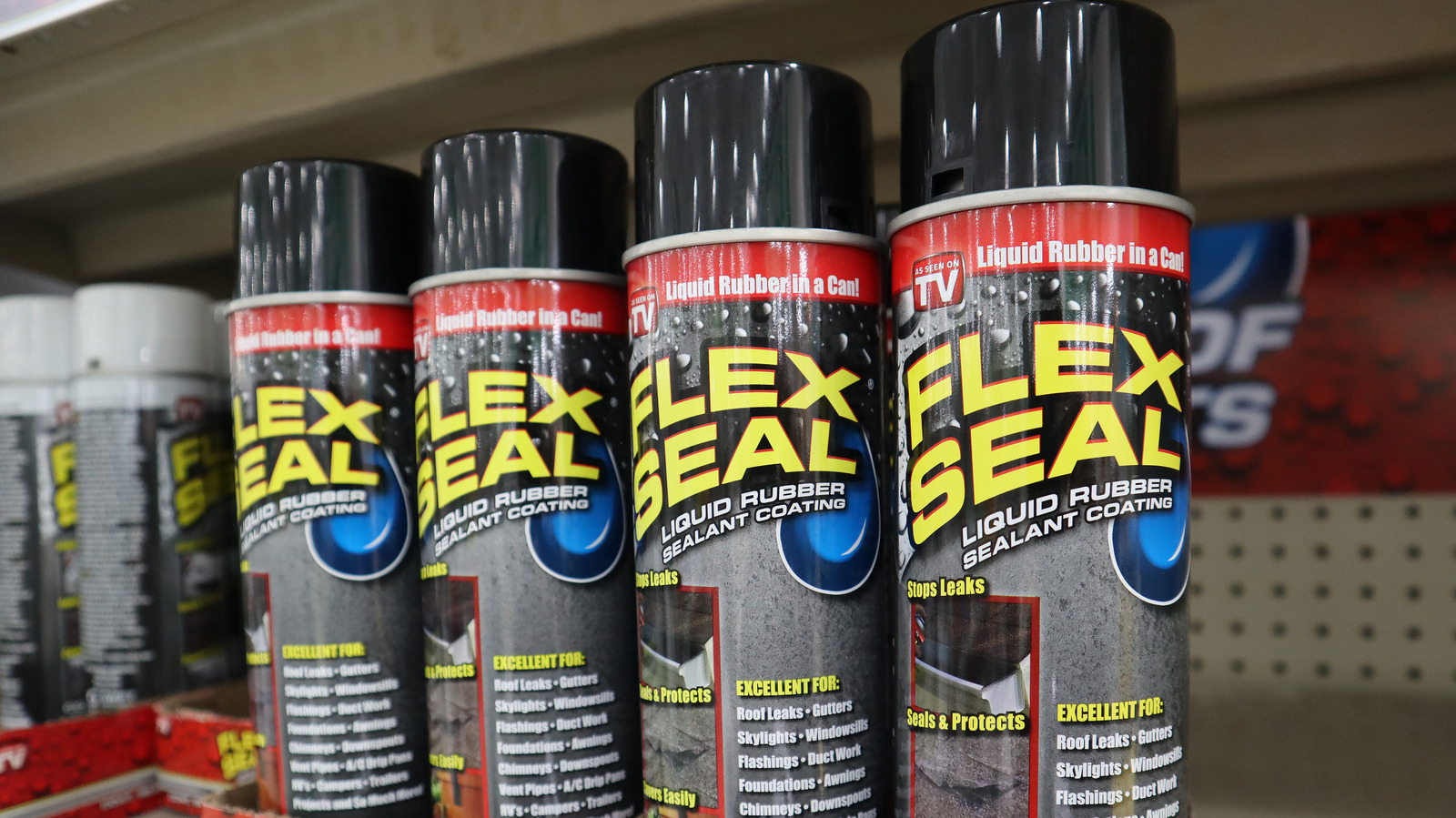
In stark contrast, applying a spray-on coating like Flex Seal is an entirely superficial exterior measure. When sprayed onto the outside of a tire around a puncture, the liquid rubber attempts to bridge the gap from the outside in. However, it lacks the adhesive strength, tensile resilience, and vulcanizing properties required to withstand the immense centrifugal forces, flexing sidewalls, and friction generated by a vehicle traveling at highway speeds.
The Illusion of a Fix: Cure Times and Hidden Damage
One of the primary hazards of relying on Flex Seal for automotive emergencies involves its physical drying and curing properties. Flex Seal is formulated to dry to a watertight, rubberized coating, but this process is neither instantaneous nor designed for high-stress environments. Depending on humidity, temperature, and the thickness of the application, full curing for certain Flex Seal formulations can take anywhere from 24 to 48 hours.
For a motorist stranded on a roadside, waiting two days for an aerosol spray to cure is entirely impractical. Even if a driver attempts to apply the spray and wait, the resulting exterior seal is little more than a thin skin. As soon as the vehicle begins to move, the weight of the car compresses the tire against the asphalt, causing the tread blocks to flex and distort. This constant flexing immediately stresses the fragile, unreinforced layer of dried Flex Seal, causing it to crack, peel, or break away from the rubber surface.
Furthermore, applying Flex Seal creates a dangerous illusion of safety. If a motorist sprays the product over a puncture and observes that the tire temporarily holds air, they may be lulled into a false sense of security and drive at high speeds on an unsafe tire. Beneath the exterior layer of rubberized spray, the underlying puncture often continues to expand, allowing moisture to seep into the internal steel belts. Over time, rust can compromise the steel cords, setting the stage for a sudden and violent tire blowout.
Broader Industry Standards and Safety Implications
The automotive aftermarket and tire safety organizations have long established clear protocols regarding what constitutes a repairable tire versus one that must be discarded. The USTMA maintains strict guidelines, dictating that punctures should only be repaired if they are located within the tread area and do not exceed one-quarter of an inch in diameter. Sidewall punctures, shoulder damage, and large gashes are universally deemed unrepairable because the structural integrity of those zones cannot be safely restored.
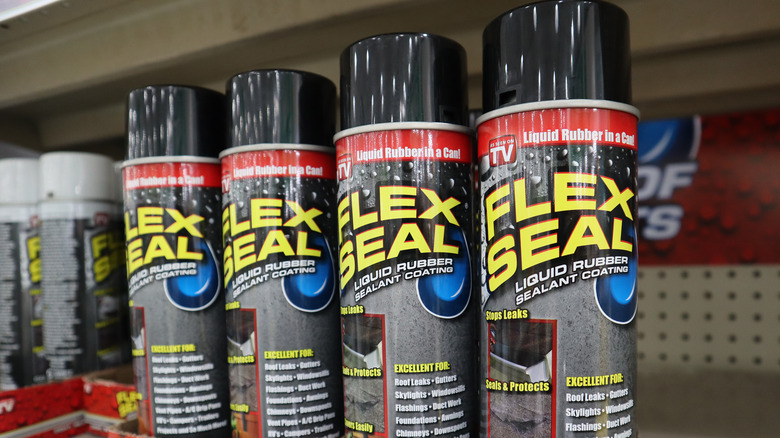
When a driver applies an unauthorized substance like Flex Seal, it complicates matters even further for professional technicians. The thick, rubberized coating often obscures the actual dimensions and exact location of the puncture. If a motorist eventually brings the compromised tire to a professional repair shop, the technician must spend valuable time stripping away the foreign sealant just to assess the damage. In many cases, the presence of non-automotive chemicals on the tire interior or exterior renders the tire entirely unserviceable, forcing the owner to purchase a completely new tire regardless of whether the original puncture was small.
Liability and insurance considerations also play a critical role in the broader implications of DIY tire hacks. In the event of an accident caused by a tire failure, investigators analyze vehicle maintenance records and component integrity. Using unapproved consumer products to jury-rig critical safety components like tires introduces significant legal and financial liabilities for vehicle owners, particularly if the failure results in property damage, injury, or worse.
Safe Alternatives for Emergency Tire Repair
For motorists looking to maintain tire pressure or handle roadside emergencies safely, several industry-approved products and methods exist that do not compromise safety.
- Emergency Tire Sealant Aerosols (Fix-a-Flat style): Unlike exterior waterproofing sprays, temporary emergency tire inflators and sealants are engineered to be injected through the valve stem directly into the interior of the tire. As the wheel rotates, the centrifugal force distributes the liquid latex or polymer compound across the inner liner, sealing minor tread punctures from the inside out while simultaneously reinflating the tire enough to reach the nearest service station. However, these are strictly temporary measures intended to get the vehicle to a mechanic at low speeds.
- Plug Kits: Traditional exterior plug kits allow experienced users to insert a rubberized plug directly into a tread puncture using specialized tools. While effective as a roadside get-home measure, professional shops generally recommend following up a plug with an interior patch-plug combination for long-term safety.
- Professional Service: Whenever a tire loses pressure, the safest and most reliable course of action is to replace the compromised wheel with a temporary spare (donut) and transport the damaged tire to a certified tire technician for a thorough internal inspection.
Conclusion: The Right Tool for the Job
The viral popularity of DIY life hacks and unconventional product applications has created a culture where consumers frequently test household items in scenarios far outside their intended design parameters. While Flex Seal has earned a legitimate reputation as a versatile and effective tool for waterproofing gutters, sealing leaky outdoor structures, and patching non-structural residential leaks, it remains wholly unsuited for the high-pressure, high-stress demands of automotive tires.
Safety experts and manufacturers continue to emphasize that tires are among the most critical safety components on any vehicle. Attempting to bypass professional repair standards with a can of waterproofing spray substitutes genuine mechanical integrity with a superficial band-aid, risking not only the longevity of the tire but the lives of everyone sharing the roadway. Motorists facing tire damage are urged to rely on proven, industry-standard emergency products and certified professional technicians to ensure safe and reliable travel.