Professional Sound Alliance Launches as a Strategic Defense Against AI Intellectual Property Theft and Unlicensed Audio Use

The creative industries have long navigated the complex waters of copyright protection, but a new frontier has emerged as artificial intelligence tools gain the ability to synthesize, replicate, and "scrape" audio assets. In direct response to this systemic challenge, a coalition of industry leaders has formally established the Professional Sound Alliance (PSA). This new advocacy group aims to unite sound designers, field recordists, and audio engineers to combat the unlicensed exploitation of their life’s work. Chaired by Douglas Price, founder and CEO of Pro Sound Effects, the organization seeks to provide the audio community with the same level of institutional advocacy long enjoyed by musicians and voice actors.
The formation of the PSA arrives at a critical juncture for the post-production industry. As generative AI models become increasingly sophisticated, the datasets required to train them often rely on vast, uncompensated archives of human-created audio. For sound professionals, whose work ranges from bespoke Foley to complex, layered cinematic soundscapes, this unauthorized ingestion of intellectual property poses an existential threat to both their economic livelihoods and the integrity of their craft.
The Genesis of the Alliance: A Response to Technological Disruption
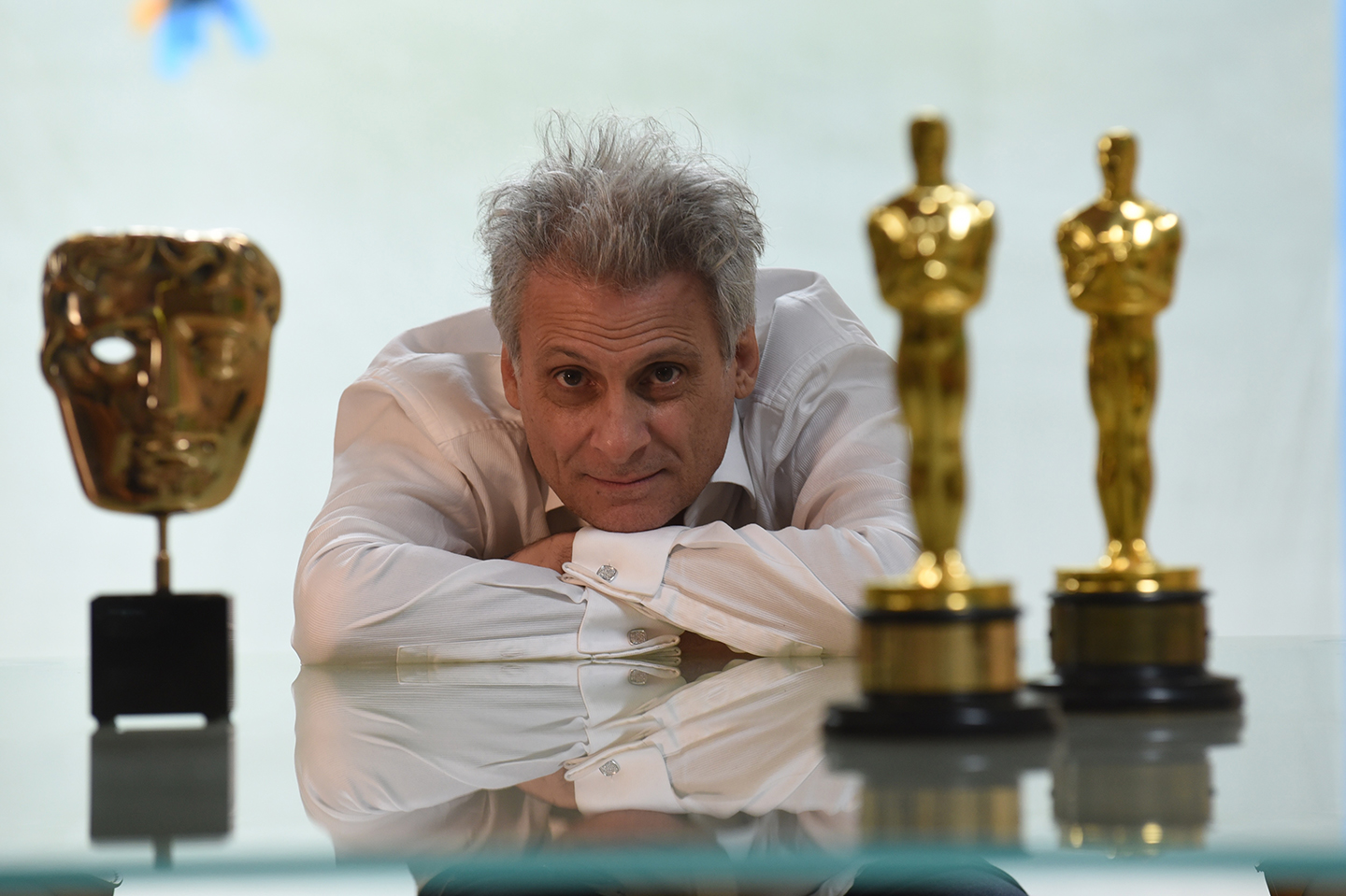
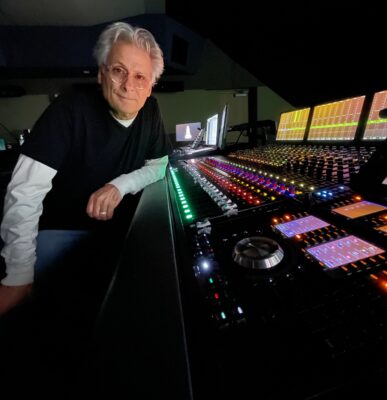
The impetus for the PSA began as a series of informal discussions between industry veterans who recognized that the "sound community"—a broad sector encompassing everything from production recordists to high-end sound designers—lacked a unified legislative and moral voice. Douglas Price and Mark Mangini, a two-time Academy Award-winning sound artist known for his work on Dune and Mad Max: Fury Road, identified a glaring omission in the ongoing dialogue regarding AI and intellectual property.
While high-profile debates have raged regarding the use of copyrighted music and dialogue in AI training sets, the specific category of "sound effects"—the nuanced, often invisible sonic textures that define film, television, and gaming—has been largely overlooked. Mangini, whose career spans decades of technical and artistic innovation, noted that the initial motivation was to prevent the widespread "scraping" of proprietary sound libraries. The alliance aims to formalize a standard for how these assets are licensed, protected, and credited, ensuring that the human labor behind a sound effect is acknowledged rather than harvested by automated systems.
Organizational Structure and Industry Representation
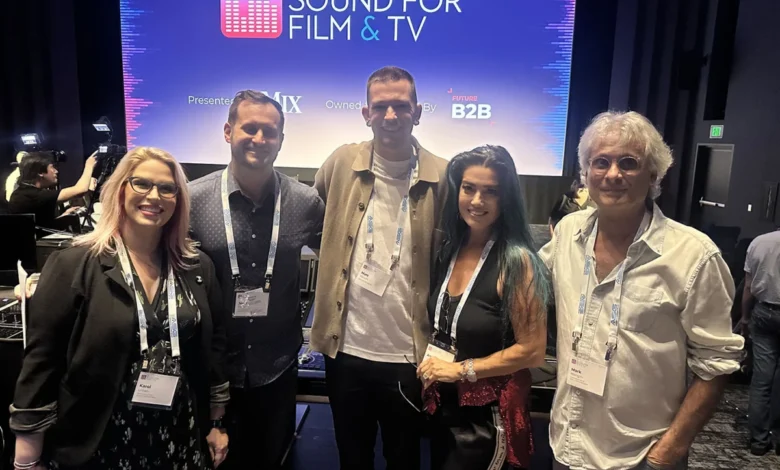
The PSA is currently bolstered by a robust advisory council, which includes figures such as Pierre Langer, CEO of Boom Library; Craig Nimens, Vice President of Sound Ideas; and Karol Urban, an Emmy-nominated re-recording mixer and former president of the Cinema Audio Society. The presence of these individuals ensures that the alliance represents a cross-section of the industry, bridging the gap between independent field recordists and major commercial sound library developers.
The organization is actively soliciting support through an online petition, encouraging sound professionals globally to join the ranks. This petition serves as a quantitative metric of the industry’s consensus, providing the PSA with the necessary leverage to engage in negotiations with technology companies, legal entities, and policy-making bodies regarding the ethical use of audio data.
The Anatomy of Audio Production: Why Protection Matters
To understand the urgency behind the PSA, one must recognize the depth of the labor involved in modern sound design. Public perception often assumes that audio in film is captured primarily on-set, with perhaps a few stock music tracks added later. The reality is a multi-layered process of capture, synthesis, and manipulation.
Field recordists frequently spend weeks or months in the field, documenting unique environmental sounds—from the nuances of mechanical machinery to the atmospheric textures of remote landscapes. These recordings are not merely data points; they are artistic documents. Once captured, these sounds undergo rigorous post-production: editing, metadata tagging, and curatorial processing. Companies like Pro Sound Effects maintain libraries containing millions of assets, each vetted through quality control processes that demand professional expertise.

The "bespoke" quality of these sounds is what grants film and television their emotional resonance. When an AI model scrapes these libraries to generate "synthetic" sound effects, it effectively strips the work of its context and human intent, producing a generic result that lacks the narrative depth of a human-designed soundscape. The PSA argues that the proliferation of such AI-generated content risks creating a culture of "sonic blandness," where the unique, lived experience of the artist is replaced by a mathematical average of stolen intellectual property.
Economic and Legal Implications of AI Scraping
The legal challenges regarding AI and copyright are currently unfolding in real-time, with numerous lawsuits pending across the creative sector. The PSA intends to monitor these developments closely, focusing specifically on the nuances of audio-visual copyright. Under current intellectual property laws, the "fair use" doctrine is frequently cited by AI developers to justify the ingestion of massive datasets. However, the PSA contends that the systematic harvesting of specialized sound libraries—which are typically sold under restrictive licensing agreements—constitutes a clear violation of existing contractual and intellectual property frameworks.
Data suggests that the market for sound effects and stock audio has grown significantly over the last decade, fueled by the rise of streaming platforms and global gaming demand. This growth has made audio libraries an attractive target for AI training. By aggregating the collective power of thousands of sound professionals, the PSA aims to create a "no-scrape" standard, potentially leading to new industry-wide protocols for data harvesting and model training.
A Timeline of Advocacy and Future Goals
The launch of the PSA follows a trajectory of growing concern within the post-production community. In early 2024, discussions among audio professionals intensified as the first wave of AI audio generators began surfacing, capable of outputting sound effects based on text prompts. By mid-2024, the need for a unified body became clear, leading to the formation of the PSA’s interim leadership team.
Moving forward, the alliance has outlined a multi-phase agenda:
- Awareness and Education: Developing resources to help sound professionals understand their rights in the age of generative AI.
- Legislative Lobbying: Engaging with government agencies to advocate for regulations that protect audio intellectual property from unauthorized training use.
- Industry Standards: Establishing a "Human-Created" certification or metadata tag, which would allow content creators to distinguish between authentic, human-produced sound and AI-synthesized output.
- Coalition Building: Continuing to integrate other global sound organizations into the alliance to ensure a unified international stance.
The Philosophical Stance on Human Creativity
Beyond the technical and legal arguments, the PSA presents a strong philosophical case for the preservation of human-led artistry. Douglas Price has framed the alliance’s mission as one of human rights in an era of rapid technological displacement. He argues that if the industry allows the entirety of human-recorded history to be used to train machines that eventually replace the very people who created that history, the result will be a permanent loss of cultural diversity and meaning.
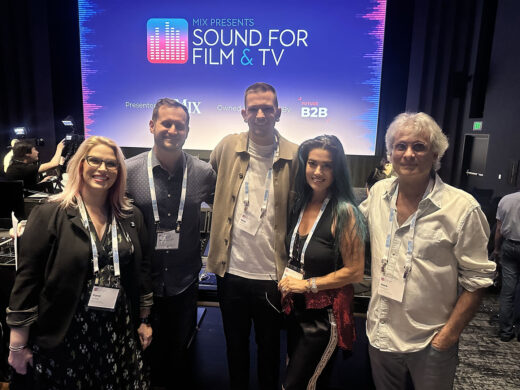
Mark Mangini echoed this sentiment, emphasizing that the "soul" of sound design is tied to the physical reality of the recordist. Whether it is the act of recording a motorcycle at dawn or capturing the specific resonance of a glass explosion, these experiences are fundamentally human. The act of "listening" and the interpretation of that sound into a story are functions of human consciousness that cannot be replicated by current algorithmic processes.
Conclusion: A Call to Solidarity
The Professional Sound Alliance is not merely a reactionary body; it is an proactive effort to redefine the relationship between technology and the creative arts. For the thousands of professionals who work in the shadows of the film and television industry, the PSA offers a mechanism for collective action.
As the battle over AI regulation continues, the alliance provides a focal point for those who have dedicated their lives to the craft of sound. By signing the petition and participating in the coalition, sound artists are not only protecting their individual assets but are also contributing to the preservation of the medium itself. The coming years will undoubtedly present significant hurdles, but with a structured, leadership-driven organization at the helm, the audio community is better positioned than ever to defend the integrity and value of their work.
For those interested in the history of the craft, or for filmmakers seeking to better understand the soundscapes they rely on, resources like Mark Mangini’s book, Did You Hear That?, serve as a reminder of the depth and expertise inherent in professional sound design. The PSA invites all industry participants—from entry-level editors to veteran supervisors—to join the movement and ensure that the future of sound remains a human endeavor.
Related posts: