Nitrogen Gas Vs. Hydraulic Shock Absorbers: Which Type Is Better For Daily Driving?

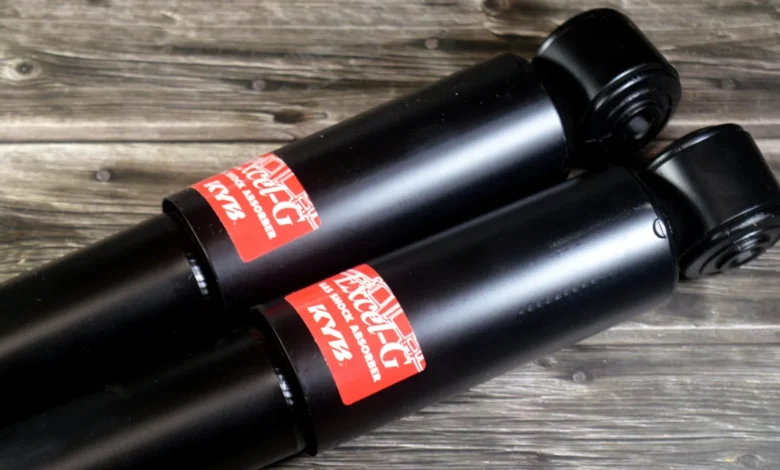
When it comes to vehicle maintenance and modification, few components are as critical to safety, handling, and passenger comfort as the suspension system. At the heart of this system lie the shock absorbers—devices engineered to control impact and rebound movement, keeping the tires firmly planted on the road surface. As original equipment components degrade over time, vehicle owners are frequently faced with a pivotal replacement decision: should they stick with traditional oil-filled hydraulic shock absorbers, or upgrade to high-performance nitrogen gas-charged alternatives? To answer this question, automotive engineers and suspension specialists emphasize that motorists must evaluate their driving habits, vehicle classification, and performance expectations. While nitrogen gas shocks have long dominated the performance and heavy-duty sectors, standard hydraulic shock absorbers continue to serve as the baseline for everyday passenger vehicles. Understanding the mechanical differences, cost implications, and performance traits of each system is essential for making an informed purchasing decision.
The Evolution of Suspension Technology: A Chronological Overview
The quest for a smoother, more controlled ride has driven automotive engineering for over a century. In the early days of the automotive industry, simple leaf springs and rudimentary friction dampers managed the immense forces generated by unpaved roads and heavy loads. However, as vehicle speeds increased and road networks expanded, these primitive systems proved inadequate for maintaining tire contact and ride stability.
During the 1920s and 1930s, the introduction of the direct-acting hydraulic shock absorber marked a major milestone in suspension design. These early hydraulic units relied purely on fluid displacement, forcing oil through restrictive internal valves to dampen the kinetic energy of wheel movements. For decades, hydraulic shocks were the undisputed industry standard, providing adequate comfort for the leisurely driving speeds and heavier, boat-like chassis designs of mid-century automobiles.
By the mid-to-late 20th century, the rapid growth of motorsports and high-performance road cars exposed the limitations of pure hydraulic systems. Under aggressive driving conditions—such as rapid cornering, hard braking, and continuous traversal of rough surfaces—hydraulic fluid undergoes severe agitation. This agitation leads to a phenomenon known as aeration or foaming, where air mixes with the hydraulic oil. When fluid foams, it loses its viscosity and dampening resistance, resulting in a sudden, dangerous loss of suspension control known as shock fade.
To combat shock fade, engineers developed gas-pressurized shock absorbers in the 1950s and 1960s, a technology popularized in racing and high-performance street applications by brands like Bilstein and KYB. By introducing a charge of pressurized nitrogen gas—either separated from the oil by a floating piston or emulsified directly within the fluid chamber—engineers successfully eliminated fluid foaming. The pressurized gas maintained constant, positive pressure on the oil, ensuring instantaneous response times and consistent dampening characteristics even under extreme thermal stress. Today, both technologies coexist in the automotive marketplace, each serving distinct market segments and driving demographics.
Mechanical Comparison: How Nitrogen Gas and Hydraulic Shocks Operate
To fully appreciate the debate between nitrogen gas and hydraulic shock absorbers, one must examine their internal architecture and operational physics. Despite sharing the same primary objective—dissipating kinetic energy and controlling vehicle body roll—their internal mechanics diverge significantly.
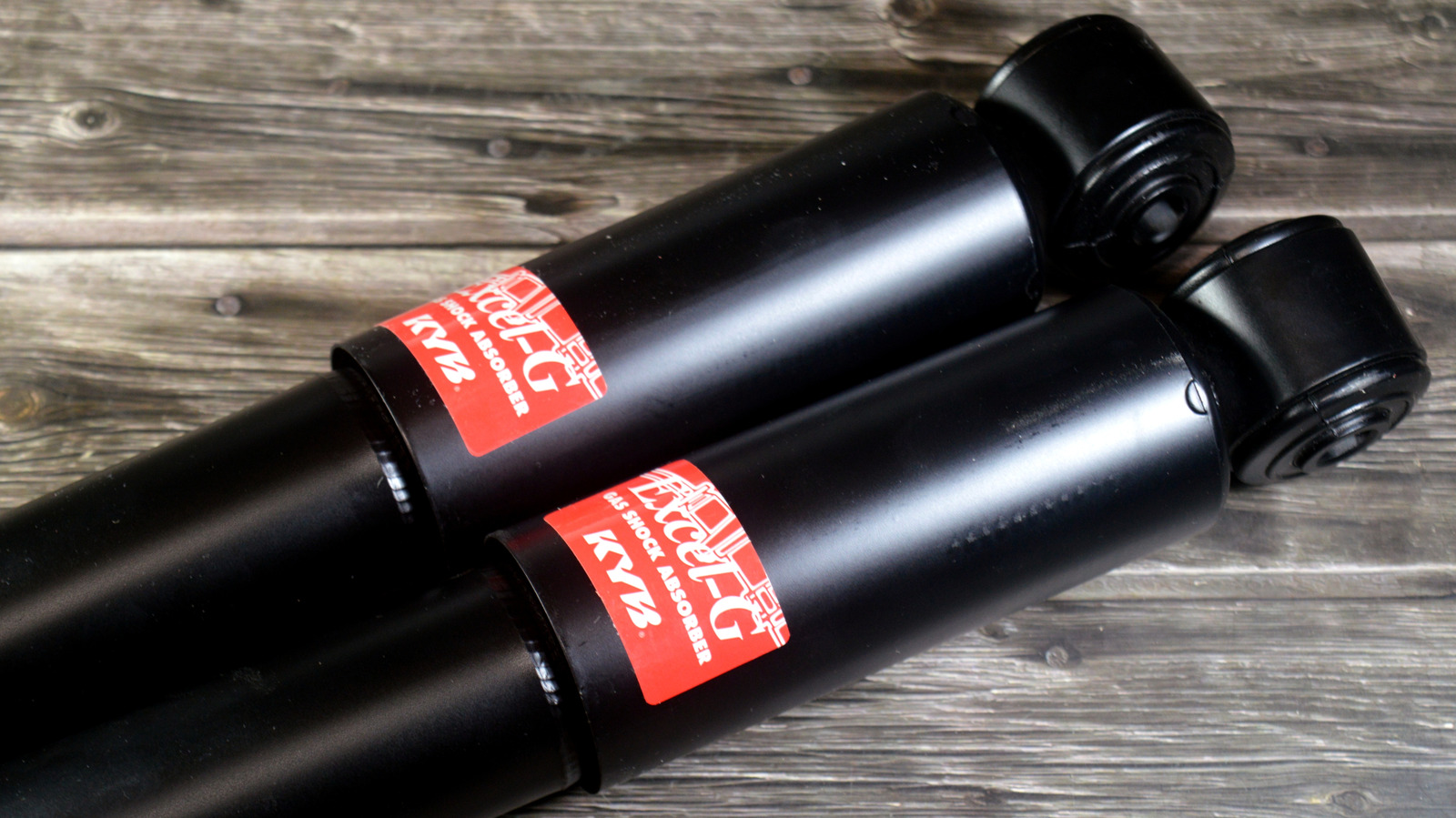
Hydraulic shock absorbers operate on a straightforward hydraulic principle. Inside the cylindrical metal body, a piston attached to a piston rod moves up and down as the vehicle’s suspension compresses and extends. The lower section of the cylinder is filled with hydraulic oil. When a wheel strikes a bump or pothole, the upward force pushes the piston through the oil. The oil is forced to flow through carefully calibrated orifices and shim stacks within the piston valve. This restriction converts the kinetic energy of the suspension movement into thermal energy, which is then dissipated into the surrounding air through the shock body. The result is a smooth, cushioned impact absorption that filters out minor road imperfections and provides a relaxed, comfortable ride quality.
Nitrogen gas shock absorbers utilize the same basic hydraulic dampening principles but add a secondary, highly pressurized gas charge—typically utilizing inert nitrogen gas. The inclusion of nitrogen serves two vital purposes. First, the gas acts as a spring supplement, providing a slight upward force that aids in the rapid return of the piston to its neutral position. Second, and most importantly, the pressure exerted by the nitrogen gas prevents the hydraulic fluid from vaporizing or foaming when subjected to rapid, high-frequency cycling and elevated temperatures.
Gas shocks generally fall into two design categories: twin-tube gas shocks and mono-tube gas shocks. In twin-tube designs, nitrogen gas is often mixed directly with the oil or housed in a low-pressure outer chamber. In mono-tube high-pressure designs, the oil and nitrogen are completely separated by a floating dividing piston inside a single cylinder, ensuring zero contamination between the gas and fluid while allowing for maximum heat dissipation.
Performance Characteristics and Daily Driving Implications
When evaluating which system is superior for daily driving, automotive analysts stress that "daily driving" is not a monolith. The ideal shock absorber depends heavily on the vehicle type, geographic location, and the driver’s personal preferences behind the wheel.
For the average commuter driving a standard sedan, hatchback, or crossover at moderate speeds, traditional hydraulic shock absorbers are frequently the most logical choice. Hydraulic units offer a softer, more forgiving ride profile. They excel at isolating the cabin from minor road irregularities, expansion joints, and minor potholes, reducing driver fatigue during long highway commutes or relaxed city driving. Furthermore, because of their simpler internal architecture and lower manufacturing overhead, hydraulic shocks are significantly more affordable to purchase and replace, making them an economically attractive option for budget-conscious motorists.
Conversely, drivers of performance vehicles, sports cars, heavy-duty pickup trucks, and four-wheel-drive off-road rigs will find distinct advantages in nitrogen gas shock absorbers. The primary advantage of gas shocks is enhanced responsiveness. Because the nitrogen gas maintains constant pressure on the internal fluid, the shock reacts instantaneously to road inputs. This translates to significantly reduced body roll during aggressive cornering, shorter stopping distances by maintaining optimal tire contact during heavy braking, and superior stability when carrying heavy payloads or towing trailers.
Additionally, nitrogen gas shocks excel in environments characterized by poor road infrastructure or severe weather conditions. When navigating heavily rutted dirt roads, unpaved terrain, or washboard surfaces, standard hydraulic shocks can quickly overheat and experience shock fade due to fluid aeration. Nitrogen gas shocks maintain their dampening integrity under these demanding conditions, ensuring predictable handling and vehicle control when it matters most.
Economic Factors, Lifespan, and Maintenance Considerations
Vehicle owners must also weigh the financial implications of choosing between nitrogen gas and hydraulic shock absorbers. While upfront equipment costs heavily favor hydraulic units, long-term ownership calculations involve factors such as durability, replacement frequency, and overall vehicle wear.
Under normal driving conditions, both hydraulic and gas-charged shock absorbers typically have a functional lifespan ranging from 50,000 to 100,000 miles, depending on road quality, driving style, and manufacturing build. However, degradation is often gradual, making it difficult for drivers to notice the subtle loss of dampening performance until the vehicle exhibits warning signs such as excessive bouncing after bumps, nose-diving during braking, or uneven tire wear.
From a pricing perspective, hydraulic shocks represent the entry-level tier of the aftermarket suspension market, appealing to drivers seeking straightforward, cost-effective repairs. Nitrogen gas shocks command a higher retail price due to the precision engineering required to manufacture tight-tolerance mono-tube housings, floating pistons, and high-pressure gas seals.
Industry experts note that upgrading from hydraulic to gas shocks during a routine suspension replacement is a popular modification for vehicle owners seeking to sharpen their handling characteristics without altering ride height or installing aggressive aftermarket lowering springs. However, drivers who prioritize absolute comfort over handling agility should exercise caution before making the switch, as gas-charged units inherently deliver a firmer, stiffer ride that transmits more road feedback directly into the cabin.
Broader Industry Trends and Conclusion
As the automotive landscape shifts toward advanced vehicle architectures, including heavy battery-electric vehicles (EVs) and sophisticated semi-autonomous driving systems, the demands placed on suspension components are evolving rapidly. Heavier vehicles require robust dampening systems capable of managing increased mass and kinetic energy during dynamic maneuvers. Consequently, original equipment manufacturers are increasingly outfitting modern passenger vehicles with advanced gas-charged or electronically controlled adaptive suspension systems as standard equipment.
Ultimately, the choice between nitrogen gas and hydraulic shock absorbers is not about identifying a universal "better" option, but rather matching the correct mechanical technology to specific operational requirements. Motorists who view their vehicles strictly as comfortable transportation appliances for relaxed commutes will find that traditional hydraulic shocks deliver reliable, budget-friendly performance. Meanwhile, performance enthusiasts, truck owners, and drivers demanding precise handling control will continue to rely on the advanced thermal management and instantaneous response of nitrogen gas shock absorbers to keep their vehicles stable, safe, and responsive on every journey.