Demystifying the Instagram Algorithm: A Comprehensive Guide to Content Distribution and Platform Strategy

Instagram has moved toward a model of radical transparency regarding its ranking systems, providing creators and businesses with unprecedented insight into how content is surfaced across its platform. Despite the common misconception that a single "Instagram algorithm" governs the entire user experience, the reality is far more nuanced. Instagram utilizes a suite of distinct ranking systems for each specific surface of the application—namely the Feed, Stories, Explore, and Reels—each designed to cater to different user behaviors and objectives.

Understanding these mechanics is essential for creators and brands aiming to optimize their digital presence. While the platform employs unique signals for each section, the core principles of content distribution remain rooted in the platform’s overarching goal: to maximize user retention by serving relevant, engaging content.
The Evolution of Instagram Ranking: Why Chronology Was Replaced
The transition from a strictly chronological feed to an algorithmic one was a strategic pivot intended to combat the "noise" created by the sheer volume of content published daily. According to Head of Instagram Adam Mosseri, the platform’s ranking systems are built upon two primary objectives: to connect users with their friends and family, and to introduce them to new content based on their personal interests.

Without ranking, the average user would be inundated with high-frequency content from large commercial entities, effectively drowning out the posts from individual creators and personal connections. By predicting the likelihood of a user interacting with a post—through actions such as likes, comments, shares, and watch time—Instagram filters the content landscape to provide a curated experience.
The Four Pillars of Content Ranking
In recent technical disclosures, Instagram identified four specific principles that dictate how content is prioritized across its ecosystems:

- Originality: Instagram has shifted its focus to favor original creators over aggregators. Since April 2026, the platform has actively reduced the reach of accounts that primarily repost content from others. The system now utilizes sophisticated signal processing to determine the origin of a piece of media, penalizing those who do not add significant value or create original works.
- Recency: The platform prioritizes fresh content. Data indicates that a significant share of daily impressions is now dedicated to content published within the previous 24 hours. This adjustment was made to ensure that the platform remains a destination for real-time information and trends.
- Breaking Content: To maintain the platform’s viability for emerging talent, Instagram employs an "auditioning" process. This system selects content from smaller, public accounts and tests it with a broader audience. If the content generates positive engagement, the algorithm accelerates its distribution, providing smaller creators with the opportunity to reach millions.
- Model Size: Instagram has scaled its artificial intelligence infrastructure, utilizing larger, more complex AI models to improve the accuracy of its ranking predictions. This investment in backend architecture ensures that the platform is increasingly adept at understanding user intent and content relevance.
Decoding Engagement Signals
While Instagram tracks thousands of data points, three engagement signals have been identified as the most influential for ranking: watch time, likes, and shares (sends).
- Watch Time: Crucial across all formats, this is the primary metric for Reels. It measures the duration a user remains engaged with a piece of content.
- Likes: These are weighted more heavily when the platform is determining which content to show to a user’s existing followers.
- Sends (Shares): This is the most critical metric for reaching non-followers. When a user shares a post via Direct Message (DM), it serves as a high-intent signal that the content is valuable, prompting the algorithm to prioritize that post for similar audiences.
Surface-Specific Strategies: Feed, Stories, Explore, and Reels
Each area of the application serves a distinct strategic purpose for brands and creators:

- The Feed: Primarily serves to maintain visibility with existing followers. Ranking here is heavily influenced by the history of interaction between the user and the account.
- Stories: These are the primary vehicle for deepening existing relationships. Since Stories are ranked based on the frequency of DMs and profile interactions, they are less effective for reaching new audiences but vital for community retention.
- Explore: This surface is designed for discovery. It ranks content based on the user’s past behavior and the popularity of the post among users with similar interests. It is the most effective tool for organic growth and discovery.
- Reels: As a recommendation-heavy surface, Reels are the primary engine for reaching new, non-following audiences. Success here depends on viral potential, clear topical categorization, and a high retention rate within the first three seconds of the video.
Practical Implications for Content Strategy
To align with these algorithmic realities, digital strategists must pivot away from "hacks" and toward sustainable content practices.
Consistency and Analytical Rigor
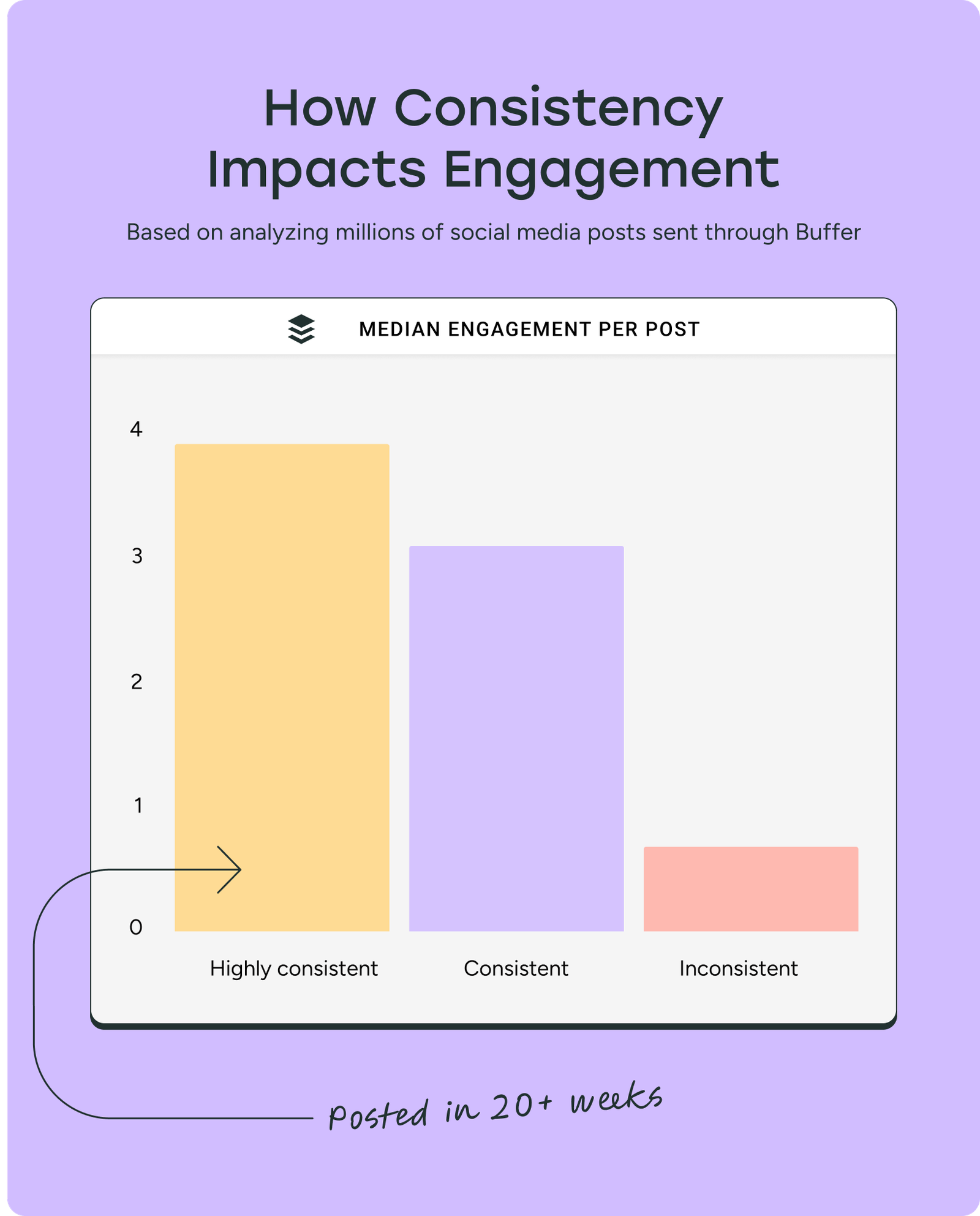
Data from over 100,000 accounts suggests that consistent posting—defined as a predictable, sustainable cadence—leads to significantly higher engagement rates. Furthermore, creators are encouraged to evaluate their performance based on engagement rates (percentage of viewers who engaged) rather than raw reach. This provides a more accurate picture of content resonance.
The Role of Keywords and SEO
With the confirmed decline in the efficacy of hashtags—now capped at five per post—the focus has shifted toward Instagram SEO. Incorporating relevant, descriptive keywords into captions and profile biographies allows the platform’s AI to categorize content more effectively, ensuring it reaches the intended audience without relying on generic, saturated hashtag streams.
Multimedia Diversification
The platform rewards creators who utilize a variety of formats. While Reels are effective for reach, carousels often generate higher engagement per person reached. A balanced strategy that repurposes long-form ideas into carousel slides or concise video snippets allows a creator to maximize their footprint across all four algorithmic surfaces.

The Impact of User Controls
Instagram’s recent introduction of "Your Algorithm" tools allows users to actively curate their feeds by providing feedback on AI-summarized interest topics. Users can now "reset" suggested content or specifically request to see more or less of certain categories.
For creators, this means that niche specialization is no longer just a branding preference—it is a requirement for algorithmic stability. If a creator deviates too far from their core niche, they risk triggering "not interested" signals, which can cause the algorithm to decrease their reach within their primary target demographic.

Navigating Recommendation Guidelines
It is imperative that creators adhere to Instagram’s recommendation guidelines to maintain eligibility for Explore and Reels distribution. Content featuring misinformation, sensitive topics, or "engagement bait" (e.g., contests requiring follows) is systematically deprioritized. Understanding these guardrails is essential; even if content does not violate standard community guidelines, failing to meet recommendation standards can render an account effectively invisible to new audiences.
Conclusion
The Instagram algorithm is not a static gatekeeper, but an adaptive system designed to facilitate content-user alignment. By prioritizing original content, maintaining a clear niche, and focusing on high-intent engagement metrics like shares and watch time, creators can build a resilient strategy that survives platform updates. Success on Instagram today is less about chasing fleeting trends and more about consistently delivering value that the platform’s AI can reliably categorize and distribute to the right audience. As the platform continues to refine its machine learning models, the fundamental value of authentic, original, and engaging content remains the most reliable currency for growth.
Related posts: