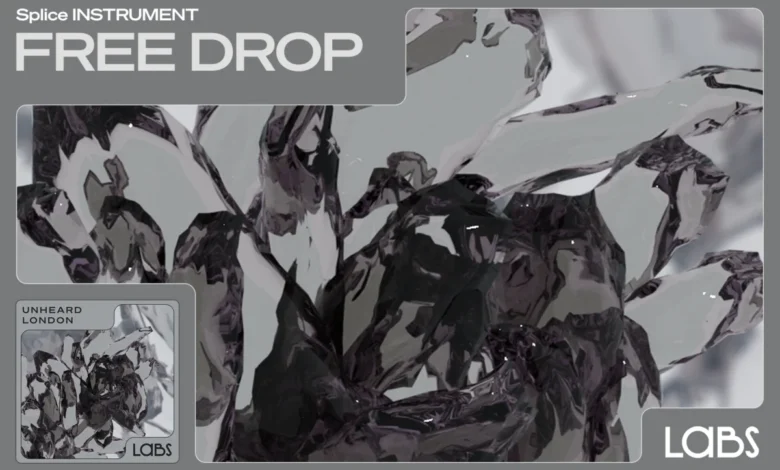
The Mechanics of the Splice INSTRUMENT Free Drop Initiative
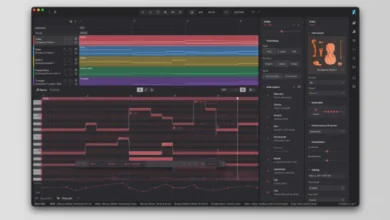
The Splice INSTRUMENT platform, which functions as both a standalone application and a VST/AU plugin for Digital Audio Workstations (DAWs), has evolved its engagement strategy through the "Free Drop" initiative. This program operates on a time-sensitive model: users are encouraged to claim specific, high-quality presets within a designated monthly window. Once claimed, these assets are permanently integrated into the user’s library, effectively removing the barriers to entry for professional-grade sound design.
This month’s selection, released on October 20, 2026, features a diverse range of sonic textures. Beyond the experimental synth pad, the update includes a "haunting vocal synth" and a "tender alto sax," demonstrating a commitment to covering a wide spectrum of musical needs, from pop and electronic production to cinematic scoring and jazz composition.
Spotlight on Unheard London: Field Recording Meets Synthesis
The centerpiece of the current drop, the "476 to Kings Cross" preset, is drawn from the broader Unheard London sample pack. This collection represents a significant technical undertaking in the realm of modern music production, moving away from traditional subtractive synthesis toward "found sound" integration.
The Unheard London project utilized specialized recording techniques to capture the acoustic signature of England’s capital. Sound designers employed electromagnetic field (EMF) sensors and high-sensitivity contact microphones to document phenomena typically inaudible to the human ear. This includes the subtle electrical hum of power pylons, the mechanical resonance of e-bike motors, the rhythmic vibrations of underground tube railings, and the metallic ring of bridges spanning the Thames.
By transmuting these raw, industrial vibrations into playable synth pads, Splice is catering to a growing market of producers looking for "dystopian" or "raw" textures—sounds that possess a tangible, organic grit that purely digital oscillators often struggle to replicate. The result is a preset that functions effectively within the hyperpop, IDM (Intelligent Dance Music), and ambient soundscape genres.
Chronology of the Splice INSTRUMENT Ecosystem
Since its inception, Splice has sought to bridge the gap between cloud-based storage and creative workflow. The evolution of the INSTRUMENT plugin marks a pivot from simple sample distribution to active sound generation.
- Initial Launch: Splice introduced the INSTRUMENT plugin to allow users to interact with its massive cloud library directly within their DAW environments, bypassing the need for manual file management.
- The Free Drop Strategy: Recognizing the need for recurring user engagement, Splice launched the Free Drop program. This move effectively turned the platform into a "living" instrument, where the interface is updated monthly with new sonic capabilities.
- Expansion into Field Recording: In mid-2026, the company shifted its focus toward unique, location-based sound design. The Unheard London pack serves as a primary example of this, highlighting a trend toward ethnographic sound design—the practice of documenting specific geographic locations and repurposing that data for musical applications.
Data-Driven Trends in Digital Music Production
The music production software industry has seen a marked increase in the demand for "organic-synthetic hybrids." Market data indicates that producers are increasingly abandoning stock synth presets in favor of textures that carry a narrative or a physical history.
According to industry reports from 2025 and 2026, the use of contact microphones and field recorders in professional music production has risen by approximately 18% annually. This is largely attributed to the democratization of hardware, such as portable field recorders and specialized EMF sensors, which were previously limited to high-end film post-production houses. By providing these sounds for free, Splice is positioning itself as a leader in this niche, lowering the barrier to entry for independent producers who lack the resources to perform their own professional-grade field recordings.
Official Positioning and Industry Implications
While Splice has not issued a formal press release regarding the specific financial impact of the Free Drop initiative, the strategy is widely viewed by industry analysts as a customer retention and acquisition tool. By providing high-value, exclusive content at no cost, the company maintains a high "stickiness" rate among its user base, ensuring that subscribers remain active even when not in the middle of a project.
"The goal of these drops is to provide creators with tools that they wouldn’t necessarily seek out themselves," said a source familiar with the platform’s content development strategy. "By injecting these sounds into the workflow, we are essentially pushing the aesthetic boundaries of the average bedroom producer, encouraging them to experiment with textures that have a physical, lived-in quality."
The implications for the broader industry are clear: hardware and software developers are realizing that in an era of infinite sound availability, "curation" and "narrative" are the new currency. A plugin that simply provides a saw-tooth wave is no longer enough; producers now seek plugins that provide a saw-tooth wave that was recorded off the side of a rusted bridge in Central London.
How to Access and Utilize the New Presets
For current users of the Splice ecosystem, accessing the October 2026 drops requires a straightforward update process:
- Installation: Users must ensure they have the latest version of the Splice INSTRUMENT plugin installed.
- Authentication: Upon launching the plugin—either in a standalone mode for sound design experimentation or as a VST/AU plugin within a DAW—users must navigate to the interface’s main menu.
- The Droplet Icon: The "Free Drop" indicator, styled as a water droplet, serves as the primary notification center for new assets.
- Integration: Clicking the icon reveals the monthly selection. Selecting a preset allows for immediate download and integration into the user’s local directory.
Once these files are downloaded, they are fully compatible with standard MIDI mapping and automation, allowing producers to manipulate the experimental synth pads using standard modulation parameters like LFOs, filter envelopes, and resonance sweeps.
Conclusion: The Future of Curated Sound
The inclusion of the Unheard London presets into the Splice INSTRUMENT platform serves as a benchmark for how software-as-a-service (SaaS) companies in the creative sector are evolving. By moving away from static libraries and toward a dynamic, monthly-updated model, Splice is fostering a culture of continuous sonic discovery.
As technology continues to merge the lines between professional sound design and home production, the value of such drops will likely grow. For producers, the availability of these specific, high-quality, and cost-free experimental tools represents a shift in the creative landscape—one where the physical world is increasingly becoming the primary source of digital inspiration. Whether this trend toward "location-based synthesis" will influence the broader pop charts remains to be seen, but for now, the addition of the "476 to Kings Cross" pad provides a tangible tool for those looking to inject a sense of urban reality into their compositions.