Navigating the Trust Recession: How Brands Can Reclaim Authenticity in the Age of AI and Skepticism

The modern digital landscape is confronting a profound paradox: while social media remains the primary connective tissue between global brands and consumers, user confidence in these very platforms is rapidly eroding. According to recent data from Sprout Social’s Q3 2026 Pulse Survey, authenticity has firmly entrenched itself as the single most critical brand characteristic on social media. Yet, navigating this landscape requires significantly more effort than it did even a year ago, as audiences grow increasingly cynical toward the content flooding their feeds.
This growing skepticism is well-documented. Sprout Social’s Q1 2026 Pulse Survey revealed that 35% of social media users trust these platforms less than they did just twelve months prior. The rapid proliferation of artificial intelligence-generated content has poured fuel on this fire, blurring the line between genuine human experiences and manufactured digital marketing. In response, digital strategists, industry analysts, and marketing executives are grappling with what has been coined the "trust recession"—a cultural shift demanding that brands demonstrate genuine transparency, reveal who is actually behind their messaging, and follow through rigorously when customers reach out for support.
Background Context: The Evolution of the Digital Trust Recession
To understand the current crisis of confidence, one must examine how social media transformed from a networking utility into the foundational engine of modern consumer behavior. Over the past decade, social channels shifted from mere advertising billboards into primary search engines, customer service desks, and product discovery hubs. Consumers no longer visit a corporate website first; instead, they encounter a brand via peer recommendations, scroll through comment sections to gauge product reliability, and direct complaints straight to public timelines.
However, the democratization of content creation—supercharged by accessible generative AI tools—has triggered market saturation. Users are routinely confronted with hyper-polished, synthetic imagery and unverified claims, leading to fatigue and suspicion. This environment was thoroughly dissected during Sprout’s "Be So FR" webinar, which served as a midyear reality check for digital marketers in 2026. Experts during the session noted that consumers can effortlessly spot corporate posturing, prompting an urgent mandate for brands to shift away from sterile advertising tactics and toward raw, verifiable reality.

Chronology and Data-Driven Insights on Consumer Behavior
The trajectory of consumer sentiment throughout 2026 highlights a clear timeline of shifting expectations.
In the first quarter of 2026, baseline surveys captured the initial wave of AI fatigue. Approximately 28% of consumers voiced a primary demand: they wanted brands to immediately stop publishing AI-generated content without clear labeling. This data underscored a fundamental requirement for regulatory transparency and human oversight in content creation workflows.
By the second quarter of 2026, the stakes of public communication escalated dramatically, particularly regarding corporate accountability and crisis management. Data from Sprout’s Q2 Pulse Survey indicated that the vast majority of consumers—64%—now encounter breaking news about a brand crisis directly on social media rather than through traditional press releases or investor relations pages. Furthermore, these consumers overwhelmingly stated that they expect immediate, public responses on social platforms rather than delayed, formal statements buried on corporate web pages. The same data reinforced the enduring power of peer-to-peer validation, showing that 57% of users place the highest level of trust in everyday consumers for product recommendations, easily outpacing corporate employees, mega-influencers, or industry experts.
As the industry moved into the third quarter of 2026, responsiveness emerged as a baseline operational metric rather than a secondary customer service objective. Sprout’s Q3 Pulse Survey underscored that 38% of consumers now expect a customer care response on social media within two hours, with an exacting 14% demanding a reply within mere minutes.
The Four Pillars of Trust: Consistency, Responsiveness, Transparency, and Proof
To counteract the trust recession, market leaders are increasingly organizing their communications around four foundational pillars: consistency, responsiveness, transparency, and proof—while actively avoiding the corresponding trust-breaking behaviors that alienate modern audiences.
Consistency requires maintaining a recognizable voice and aligning daily publishing cadences with stated corporate values. Brands that chase fleeting social media trends clashing with their core identity, or make promises their operations cannot fulfill, quickly find their credibility undermined.
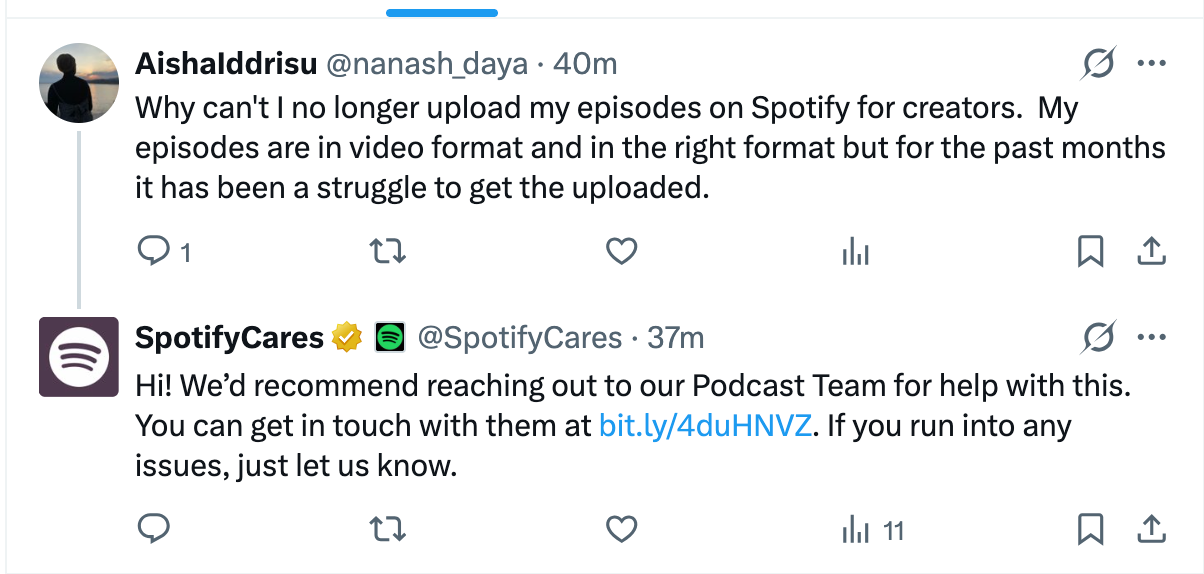
Responsiveness bridges the gap between customer expectation and brand reliability. Exemplary organizations treat inquiries with urgency, mirroring practices like those demonstrated by support handles such as SpotifyCares, which routinely troubleshoot creator upload issues within minutes and establish direct pathways to specialized technical teams. Conversely, ignoring customer grievances or deploying generic, automated deflection replies actively destroys brand equity.
Transparency involves the explicit disclosure of paid partnerships, the ethical labeling of AI-assisted media, and the immediate acknowledgment of corporate missteps. Hiding sponsorships or presenting synthetic assets as authentic user experiences represents a critical failure in contemporary digital governance.
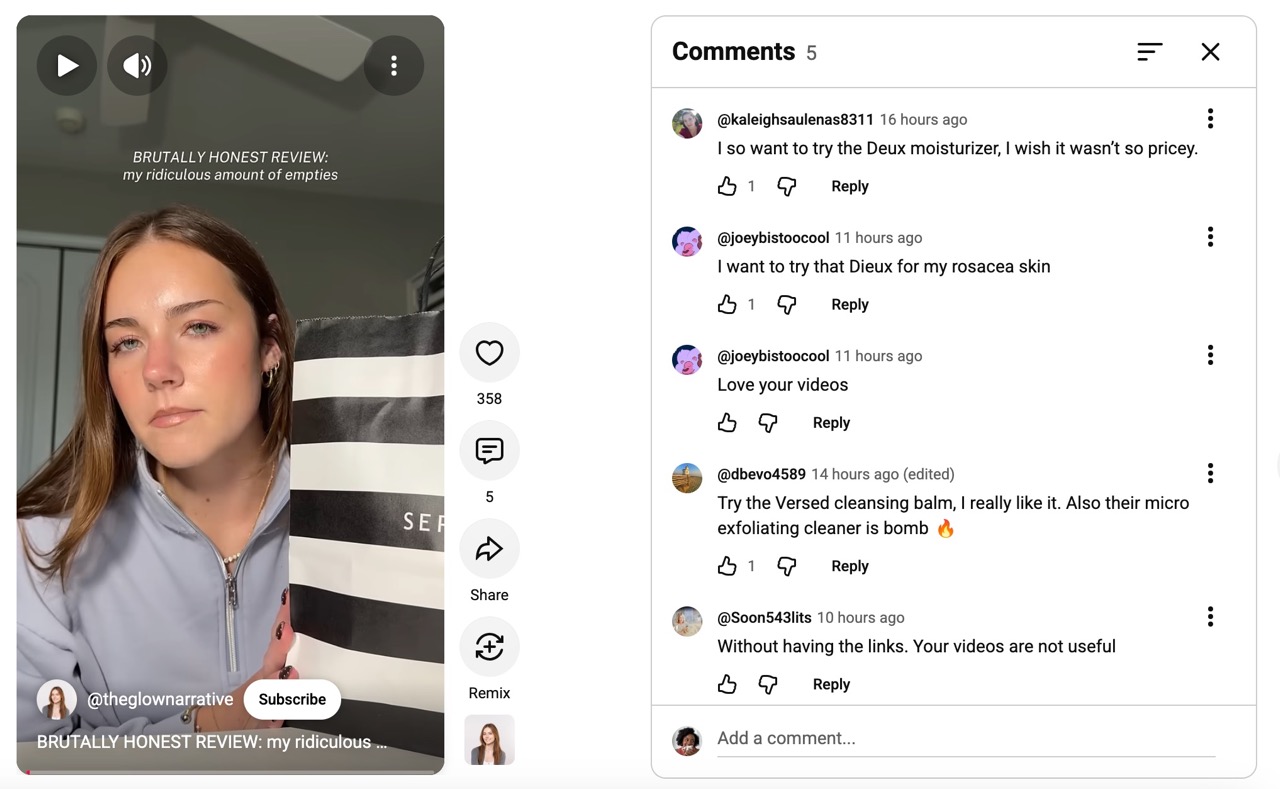
Finally, proof relies on verifiable evidence. Rather than relying on unsupported marketing claims, credible brands leverage real customer reviews, frontline employee expertise, and transparent creator partnerships to validate their product promises.
Strategic Implications: Transforming Trust Into Growth
The business implications of prioritizing trust extend far beyond brand sentiment metrics; they serve as a direct lever for sustainable commercial growth. When organizations successfully foster authentic connections, consumers exhibit higher conversion rates, increased loyalty, and a greater willingness to advocate for the brand within their own social circles.
Industry analysts point to five actionable strategies for organizations seeking to operationalize these insights:
- Prioritize Authentic Brand Voice: Research indicates that 26% of consumers want brands to sound less corporate, while 24% desire a reduction in overtly sales-driven language. Transitioning away from stock promotional copy toward specific, useful information helps establish genuine rapport.
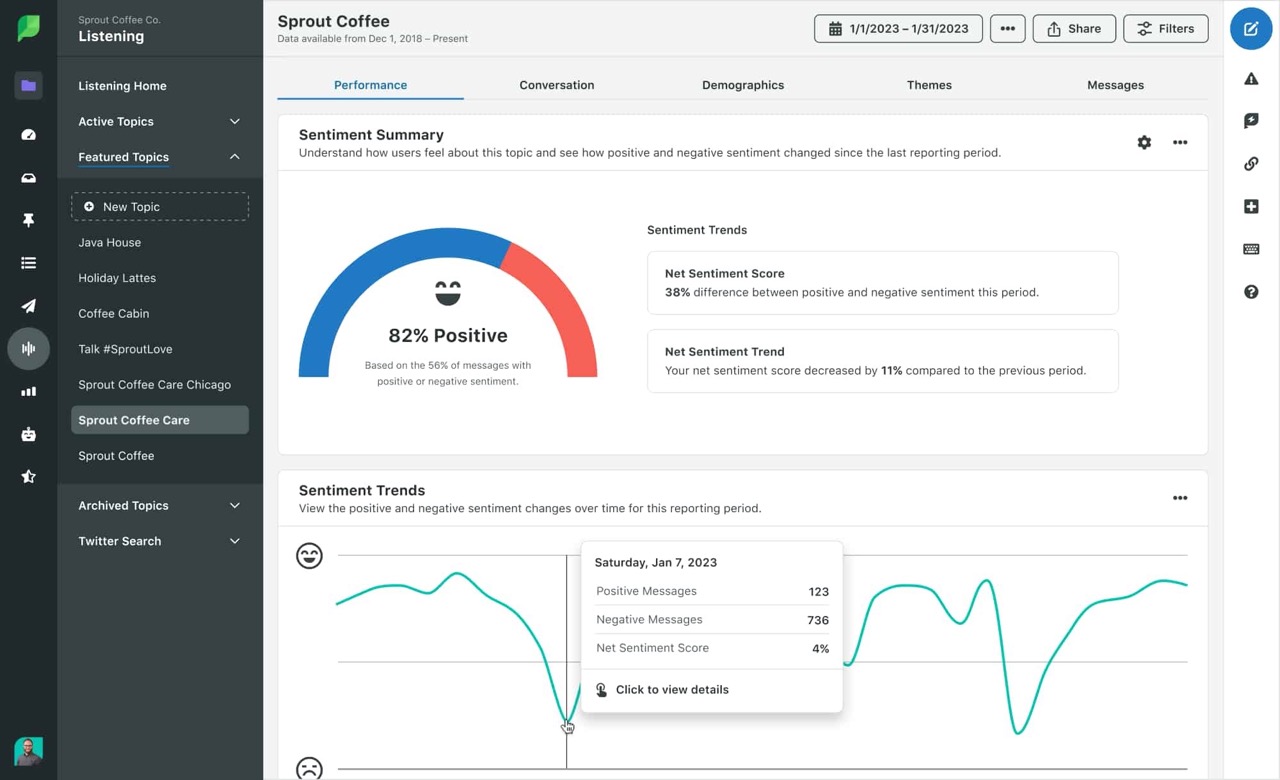
- Leverage Advanced Social Listening: Modern brands must look beyond direct interactions by utilizing tools like Sprout Social Listening. By tracking macro-conversations, sentiment trends, and emerging industry pain points across the wider web, companies can diagnose unmet customer needs before they escalate into crises.
- Voke Rigorous Influencer Partnerships: With the 2026 Influencer Marketing Report showing that 47% of consumers prioritize a creator’s topical expertise over their raw follower count (which sat at just 17% in the same metric), brands must focus on authentic alignment, thorough vetting, and clear disclosure protocols.
- Amplify User-Generated Content and Employee Voices: Giving frontline employees a platform to demonstrate product utility—supported by fair compensation models, as 61% of consumers believe employees should be paid for social promotion—adds an invaluable layer of human credibility.
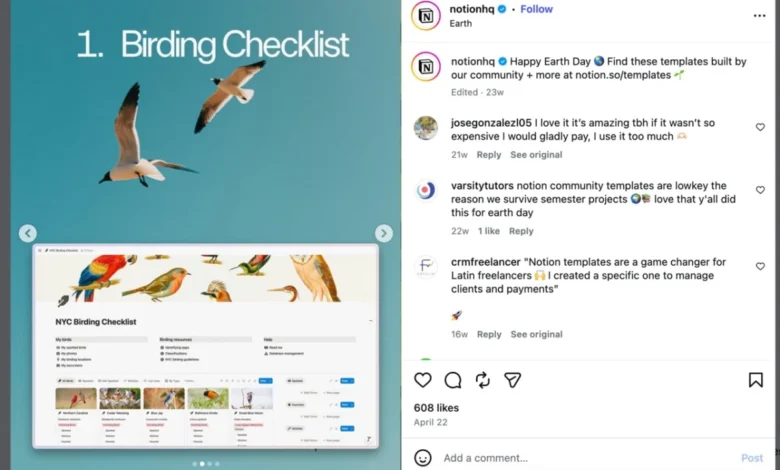
- Cultivate Communities Over Audiences: Shifting the focus from passive broadcasting to interactive community spaces allows consumers to collaborate, share resources, and co-create value, as demonstrated by community-driven initiatives from tech leaders like Notion.
Broader Industry Impact and Outlook
The overarching takeaway for the marketing and communications sector in late 2026 is clear: trust is no longer a peripheral asset managed exclusively by public relations departments. It is the core currency of digital commerce. As artificial intelligence continues to reshape content creation, the brands that thrive will be those that anchor their strategies in radical transparency, swift accountability, and verifiable human experiences.
By continually auditing their digital interactions against the benchmarks of consistency, responsiveness, transparency, and proof, organizations can successfully weather the trust recession and build resilient, long-lasting relationships with increasingly discerning global audiences.
Frequently Asked Questions
What is brand trust on social media?
Brand trust on social media is the confidence people have that your brand shares accurate information and follows through on its commitments. It develops through the content you publish, how you respond to customers, and what others say about their experiences with your business.
Why is brand trust on social media important?
People use social media to research products and compare experiences before buying. Trust gives them confidence to consider your brand, act on recommendations, and return after a positive experience.
How can brands measure trust on social media?
Track sentiment, recurring themes in customer feedback, and the quality of conversations about your brand. Combine social listening findings with customer surveys that ask directly about trust. Monitor changes over time, especially after campaigns or service improvements, rather than treating engagement alone as proof of trust.
How do you rebuild brand trust on social media after a crisis?
Acknowledge the issue promptly, take responsibility for your brand’s role, and explain what you are doing to address it. Answer questions with verified information and provide updates as you make progress. Follow through on promised changes and show evidence that you have resolved the problem.