Mastering Holiday Social Media Customer Service: Essential Strategies for the 2026 Peak Shopping Season

The landscape of holiday shopping has fundamentally shifted away from physical storefronts toward digital channels, with social media emerging as the primary battleground for consumer engagement and brand loyalty. According to recent industry metrics, holiday shoppers no longer congregate exclusively outside big-box doors for doorbuster deals; instead, they utilize social media platforms to research, discover, and purchase gifts. Furthermore, when these transactional or experiential journeys encounter friction, consumers immediately pivot to social channels to voice frustrations, seek clarification, and demand resolutions from customer care departments.
This transition places an unprecedented burden on corporate customer support frameworks. Data from the Sprout Social Q3 2026 Pulse Survey underscores this shift, revealing that 86% of consumers intend to utilize social media for customer service functions during the holiday season. Specifically, 59% plan to rely on social care at levels comparable to 2025, while 27% anticipate increasing their usage. As retail volume escalates toward peak festive dates, social service ticket volumes are projected to surge proportionally, necessitating advanced resource management and strategic preparation from enterprise customer care teams.

The Centrality of Social Media in Modern Consumer Journeys
To comprehend the necessity of an integrated social care strategy, enterprises must evaluate how social platforms function within the broader consumer lifecycle. Social media no longer serves merely as an advertising billboard or a broadcasting tool; it operates as an end-to-end virtual marketplace encompassing discovery, social validation, and final checkout.
The Q3 2026 Pulse Survey indicates that social media now ties directly with physical retail stores as the primary resource for gift ideas and product discovery, with 46% of consumers identifying social channels as their primary tool for finding holiday gifts. Year-over-year metrics demonstrate continuous growth: 28% of all consumers intend to expand their social media usage for gift research compared to the previous year, while 50% plan to maintain identical engagement levels.

This behavioral trend is acutely pronounced among younger demographics. Among Millennials, 85% plan to utilize social media equally or more frequently for gift research in 2026, a figure mirrored by 88% of Generation Z respondents. Consequently, customer service infrastructures that fail to integrate deeply with social channels risk alienating the most commercially active demographic segments. Resolving inquiries directly within the platforms where discovery occurs directly correlates with heightened customer satisfaction scores and mitigated churn.
Chronology of Seasonal Inbound Surges and Direct Messaging Preferences
Historically, corporate holiday preparation begins months in advance, typically commencing with Q3 strategic alignments and culminating in the intense Q4 retail period characterized by Black Friday, Cyber Monday, and late-December shipping deadlines. During this compressed timeline, consumer outreach spikes across multiple vectors.

Analysis of channel preferences reveals that direct messaging remains the dominant modality for consumers seeking brand support on social networks. Approximately 55% of survey participants identify direct messaging as their preferred channel for brand interactions, eclipsing public comments, direct tags, and story replies. This preference is heavily tied to the rapid proliferation of native social commerce tools, such as TikTok Shop, Instagram Checkout, and Facebook Marketplace. Over half (57%) of surveyed consumers confirmed plans to complete purchases directly within social media applications during the 2026 festive season—38% having already done so and 19% preparing to experiment with social checkouts for the first time.
Because consumer inquiries span the entirety of the purchasing journey—from inventory restock notifications and shipping logistics to post-purchase returns and product troubleshooting—support organizations must maintain real-time visibility across all active networks. Relying solely on legacy support channels such as email, telephone queues, or web contact forms leaves enterprises blind to a massive segment of active consumer demands.
Ten Strategic Protocols for Holiday Customer Service Excellence

To navigate the impending volume increases without compromising service quality, customer care operations must implement structured, proactive methodologies. Industry leaders recommend a comprehensive ten-point framework designed to streamline operations and enhance team efficacy.
-
Proactive Operational Planning
Preparation must initiate well ahead of seasonal decorations. Organizations failing to coordinate inventory milestones, marketing campaigns, influencer collaborations, and operational staffing risk last-minute chaos. The Deloitte 2025 Holiday Retail Survey noted that 58% of consumers find holiday shopping inherently stressful, driven heavily by economic constraints highlighted by the Q3 2026 pulse survey, which revealed that 56% of consumers plan to curtail overall spending. While customer care cannot fix macroeconomic pressures, a frictionless support framework significantly alleviates consumer anxiety. -
Deployment of Dynamic, Holiday-Specific FAQs
Proactive resource creation minimizes repetitive inquiries. By deploying comprehensive FAQ pages tailored to seasonal pain points—such as return windows, delivery guarantees, and promotional exclusions—brands empower consumers to resolve basic queries autonomously. Case studies from organizations like Educational Testing Service (ETS) demonstrate that monitoring recurring pre-surge questions and translating them into accessible digital resources reduces inbound friction and drives down corporate response times.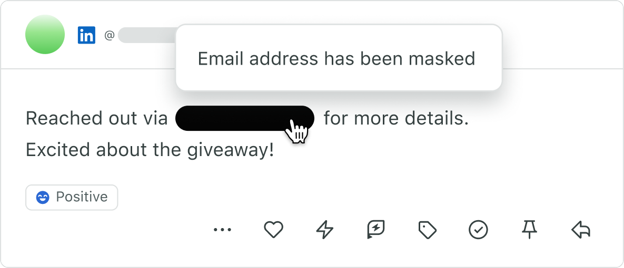
-
Strategic Staffing and Onboarding Optimization
Meeting consumer expectations for personalized and rapid responses requires adequate human capital. Approximately 70% of consumers demand personalized interactions when reaching out to brands. Furthermore, public query expectations vary: 33% of consumers expect an initial public response followed by a transition to private messaging, 28% are satisfied exclusively with public replies, and 22% prefer private communication from inception. Enterprises frequently hire seasonal personnel to manage this influx, necessitating intuitive case management platforms that reduce onboarding friction and prevent duplicate efforts. -
Priority-Based Triage and Sentiment Sorting
Efficiently managing inbound queues requires sophisticated message categorization. Utilizing automated sentiment analysis enables teams to segregate positive, neutral, and negative interactions into dedicated inboxes. Message intent models can automatically classify incoming communications into categories such as customer support, customer love, or high brand risk. Structured message tagging further refines team workflows, allowing organizations to route complex inquiries to specialized agents while capitalizing on positive sentiment for proactive brand engagement. -
Rigorous Protection of Sensitive Consumer Data
The holiday season witnesses a substantial escalation in digital fraud, phishing, and cyberscams. According to the Internet Crime Complaint Center’s (IC3) 2025 report, non-payment and non-delivery frauds accounted for over $503 million in consumer losses. Brands operating in regulated sectors must enforce stringent data governance, avoiding public collection of sensitive information like credit card numbers. Automated data-masking technologies and PCI-compliant secure forms are essential for shielding customer privacy during direct message interactions.
-
Integration of Artificial Intelligence and Automation
With 81% of marketers reporting positive productivity impacts from AI, automation serves as a vital force multiplier during peak retail windows. Consumer demand for speed is acute: 32% of social users expect a response on the same day, 24% expect replies within one to two hours, and 14% anticipate resolutions within minutes. Generative AI tools and rule-based chatbots—deployed via customizable bot builders—effectively handle routine inquiries regarding order tracking and shipping timelines, while assisting human agents in modulating response tones for brand alignment. -
Unified Omnichannel Context for Support Agents
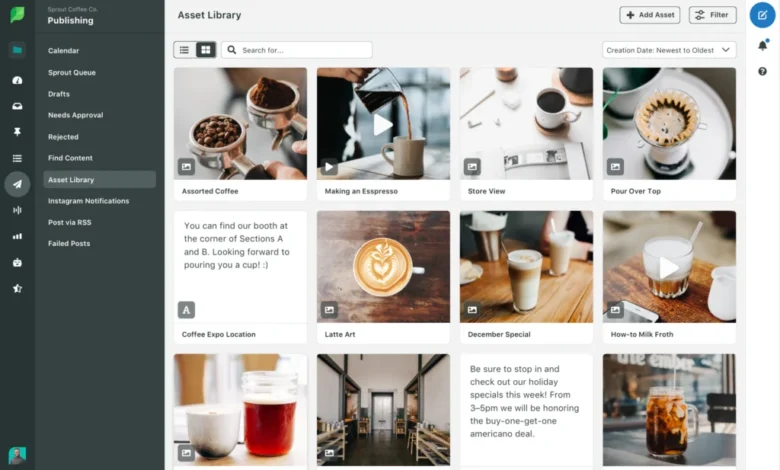
Fragmented technology stacks inhibit efficient support operations. Forcing agents to toggle between disparate systems slows resolution times and increases customer frustration. Integrating social management platforms with enterprise Customer Relationship Management (CRM) tools, such as Salesforce, provides agents with comprehensive customer history, recent interactions, and order details within a single interface. Advanced CRM integrations paired with internal AI assistants dramatically accelerate case resolution timelines. -
Establishment of Clear Collaboration Norms
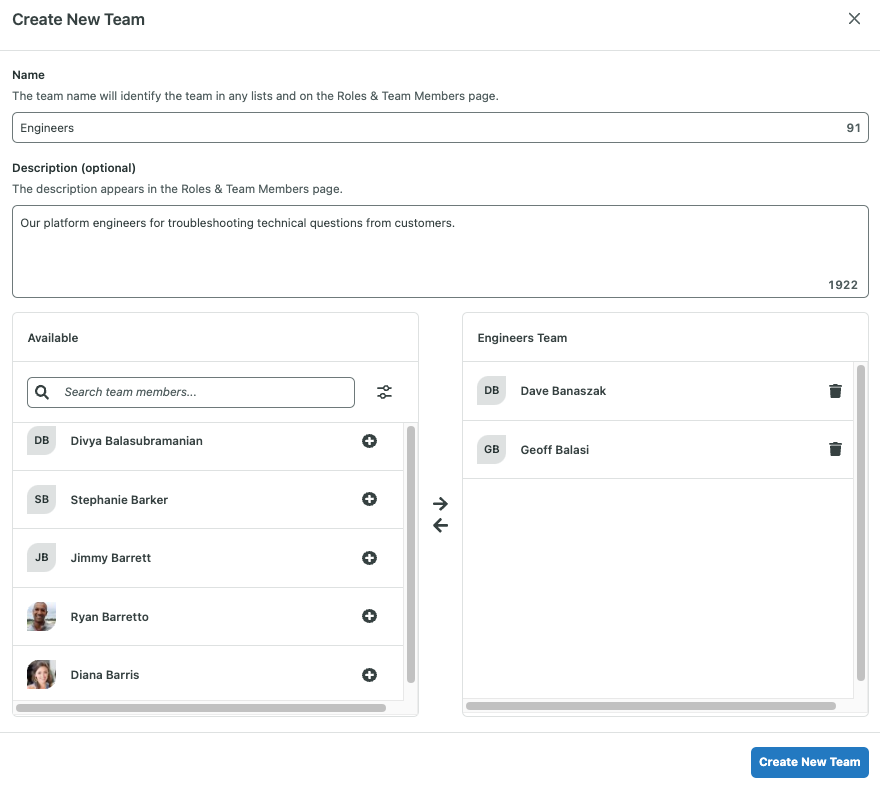
Cross-functional alignment is critical during high-volume periods. Organizations must define clear protocols regarding message approval workflows for seasonal hires, escalation paths for complex technical issues, and cross-departmental communication standards. Centralizing internal dialogue through specialized collaboration features within enterprise software prevents communication silos and ensures brand compliance across all outgoing public and private responses.
-
Early Crisis Detection and Predictive Monitoring
Beyond managing individual customer queries, organizations must monitor macroeconomic and brand-specific sentiment shifts. Predictive monitoring tools capable of tracking cross-channel media interest allow corporate communications and customer care teams to identify emerging public relations threats, supply chain disruptions, or delivery failures before they escalate into widespread crises. -
Real-Time Performance Analytics and Feedback Loops
Continuous operational refinement requires real-time data capture. Deploying customer satisfaction (CSAT) and Net Promoter Score (NPS) surveys directly within social platforms provides immediate qualitative feedback. Simultaneously, internal analytics tracking handle times, reply speeds, and resolution metrics supply stakeholders with concrete evidence regarding the operational and financial impact of modern customer care strategies.
Broader Implications and Long-Term Value
The implementation of a robust social customer service strategy during the holiday season yields benefits that extend far beyond the Q4 revenue window. Enterprises that successfully humanize digital connections, protect consumer data, and leverage automation to accelerate response times transform transactional holiday shoppers into loyal, long-term brand advocates. Conversely, organizations that neglect social care channels risk immediate brand degradation and permanent customer churn. As digital commerce continues its evolutionary trajectory, mastering social customer care remains a mandatory prerequisite for enterprise resilience and market leadership.