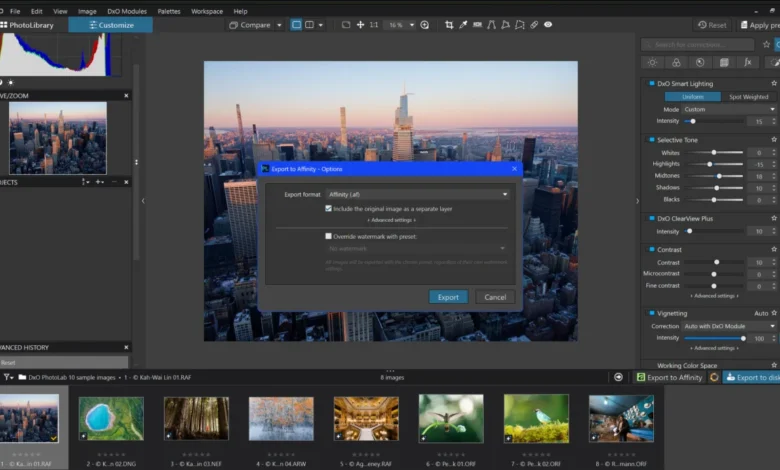
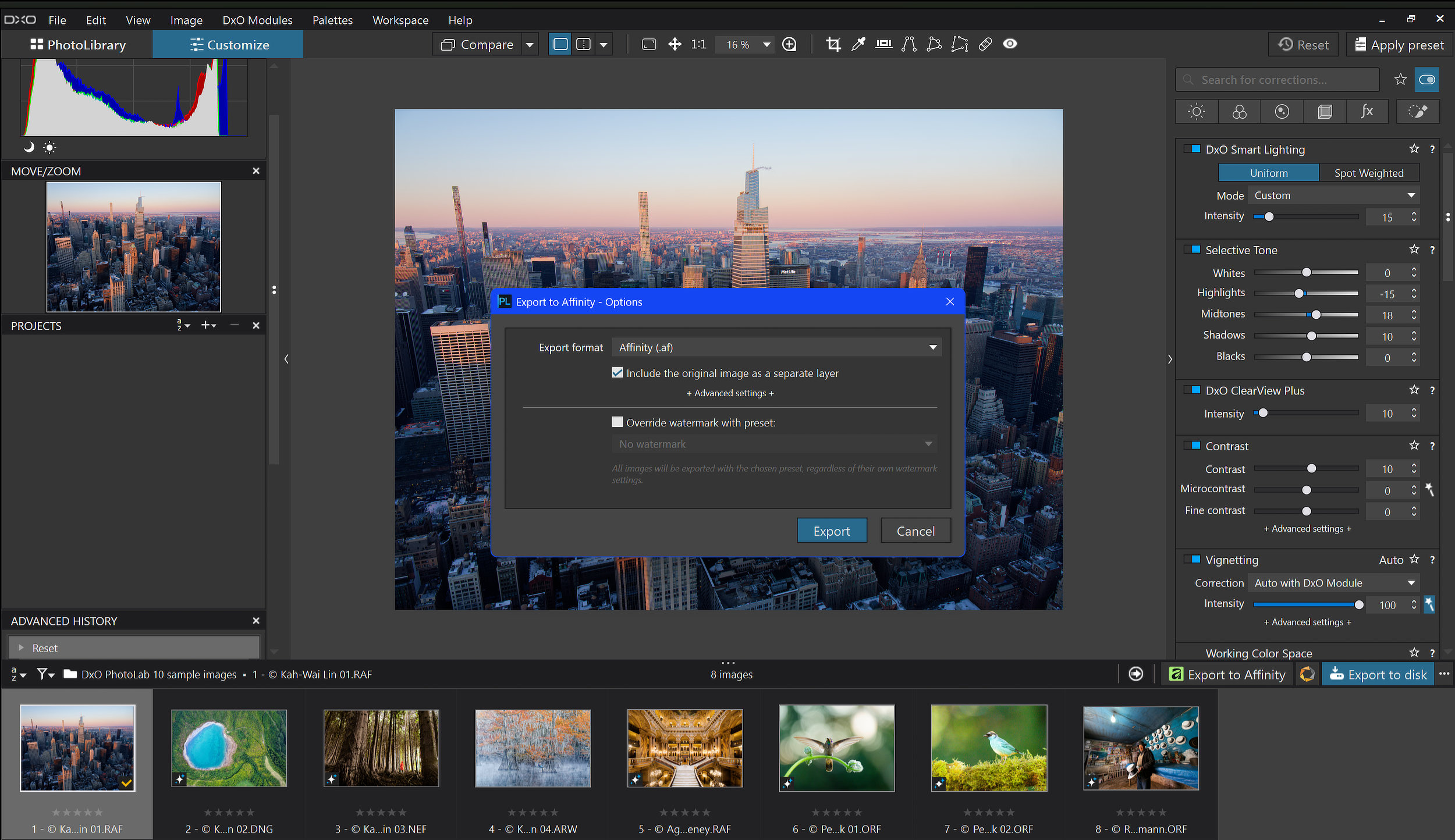
The landscape of digital imaging workflows has undergone a significant transformation with the release of DxO PhotoLab 10.1. This update introduces a seamless, one-click bridge between DxO’s industry-standard RAW processing engine and the comprehensive creative suite provided by Affinity. For professional photographers and digital artists, this integration addresses a long-standing friction point: the movement of high-fidelity image data between specialized RAW development software and advanced, layer-based creative editors. By allowing users to export directly into Affinity’s native .af file format, the collaboration effectively unites DxO’s science-led optical corrections and noise reduction with Affinity’s robust capabilities in retouching, compositing, and professional page layout.
The Evolution of the Professional Workflow
For over two decades, DxO has established a reputation for precision-engineered RAW processing. Its proprietary algorithms, which account for specific lens and sensor combinations, are designed to extract maximum detail and dynamic range from digital negatives. However, the post-development phase—often involving complex compositing, text integration, and graphic design—has traditionally required users to export images into intermediate formats like TIFF or PSD. These formats, while functional, often lack the deep, metadata-rich integration that a native file format can provide.
The introduction of direct support for the .af format marks a departure from this fragmented approach. DxO PhotoLab 10.1 now enables a workflow where a photographer can process a RAW file and, with a single action, transfer that data into an Affinity workspace. This new capability does not merely move an image; it creates a native document that can preserve the original, unprocessed RAW data as a separate, non-destructive layer. This gives retouchers the ability to perform surgical edits while maintaining a "source of truth" reference for color grading, masking, and composition.
Chronology of the Integration
The path to this partnership began with the recent launch of DxO PhotoLab 10, which focused on expanding AI-powered tools and enhancing the overall speed of RAW development. Recognizing that the modern creative workflow is increasingly non-linear, DxO sought a partner that shared its commitment to high-performance, subscription-free software.
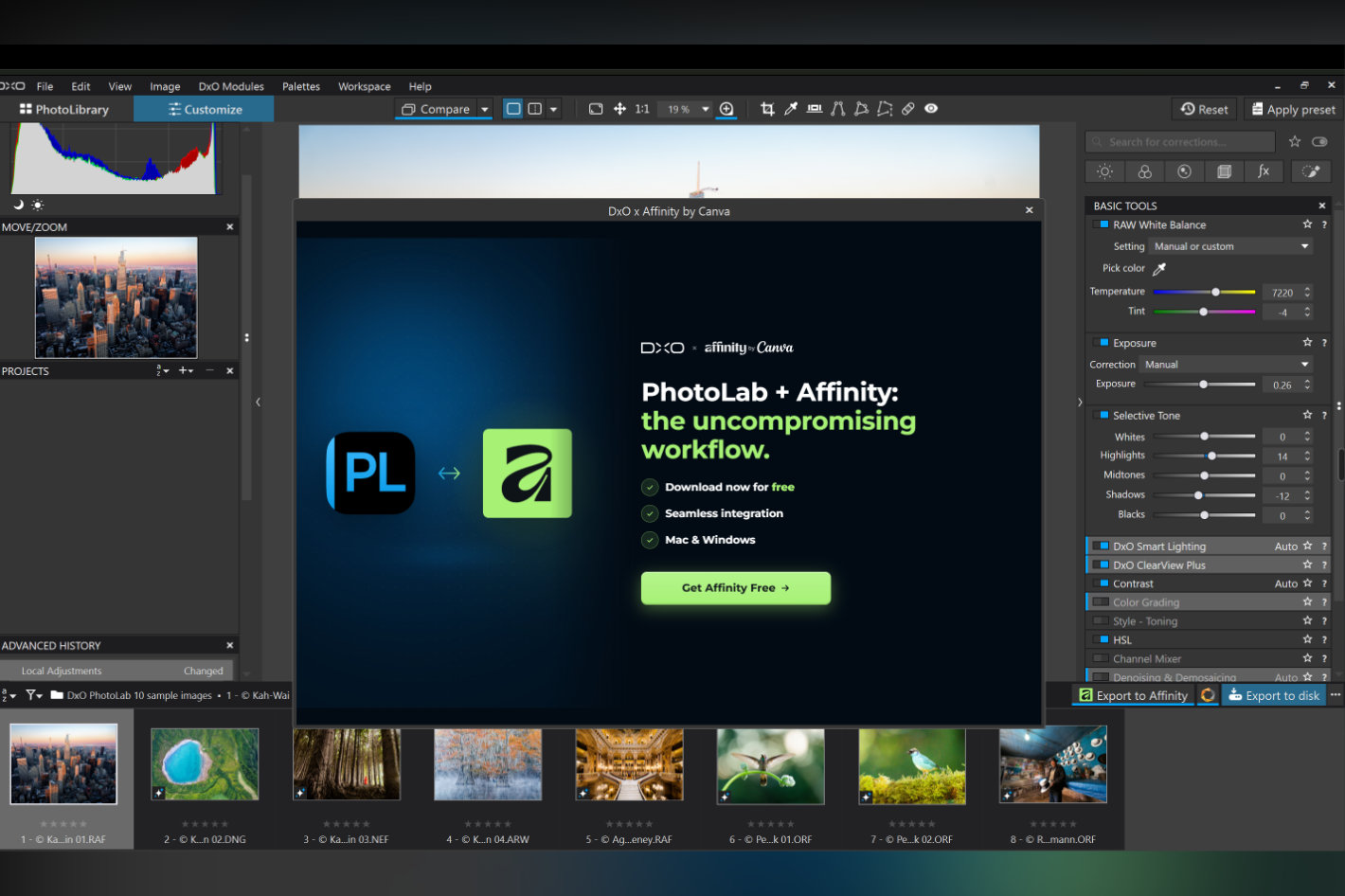
The announcement of this integration follows a broader trend in the creative software industry, characterized by consolidation and the pursuit of interoperability. As creative professionals move away from rigid, legacy subscription models, the demand for "open" ecosystems has grown. The partnership between DxO and the team at Affinity—now under the umbrella of Canva—serves as a direct response to this market shift.
The Technical Significance of the .af Format
The .af file format is the cornerstone of the Affinity ecosystem, underpinning Affinity Photo, Designer, and Publisher. Its design allows for the seamless exchange of assets between these applications without the need for conversion or flattening. By exporting directly to this format, DxO PhotoLab 10.1 essentially allows photographers to bypass the "destructive" step of final image export.
Because the .af document maintains layer-based information, a user can transition from a RAW-developed photograph directly into a layout or complex composite. This is particularly advantageous for commercial photographers who must deliver final assets in a format that includes typography, vector graphics, and specific print-ready layout parameters. Furthermore, the ability to include the original unprocessed RAW file as a hidden reference layer provides a fail-safe for complex retouches, allowing the artist to compare their progress against the original data at any stage of the creative process.
Perspectives from Industry Leadership
The collaboration has been met with enthusiasm from both organizations. Duncan Clark, CEO of Pro Design for Canva, highlighted the user-driven nature of this development. "Photographers and designers have been telling us loud and clear that they want simple, smooth workflows instead of fighting to get different products to talk to each other," Clark noted. He emphasized that the partnership is intended to meet the needs of a "new generation" of creatives who prioritize efficiency and technical sovereignty over locked-in, proprietary ecosystems.
Jérôme Ménière, founder and CEO of DxO, echoed these sentiments, noting that the partnership fills a specific gap in the market. "For more than twenty years, DxO has focused on extracting every ounce of quality from a RAW file," Ménière stated. "What happens after the RAW is developed—retouching, compositing, layout—deserved a partner of the same calibre. With Affinity, PhotoLab users now have a complete professional workflow, from RAW file to finished page, with no subscription required."
Broader Implications for the Creative Software Market
The decision to integrate these two platforms carries significant implications for the software market. By providing a clear, high-performance pathway between specialized RAW development and general-purpose creative tools, DxO and Affinity are positioning themselves as a viable alternative to the dominant industry players.
- Workflow Efficiency: By reducing the time spent on file management and export-import cycles, photographers can allocate more time to creative output.
- Economic Accessibility: The emphasis on a "no-subscription" model is a key differentiator. In an era where many professional tools have moved exclusively to recurring payment models, this partnership offers a permanent license approach that appeals to both independent freelancers and small-to-mid-sized agencies.
- Ecosystem Expansion: DxO has explicitly stated that this integration is the first of many. Future updates are expected to bring similar Affinity interoperability to the wider DxO suite, including the acclaimed Nik Collection. This suggests that DxO is moving toward a more cohesive, integrated ecosystem of creative tools rather than a collection of disparate plugins.
Future Roadmap and Availability
The integration is not a static feature; it is intended to be the foundation for a more interconnected suite of tools. According to internal reports from DxO Labs, the roadmap for the remainder of the year includes further workflow enhancements designed to deepen the connection between PhotoLab and the Affinity platform. These developments are likely to include more granular control over how data is passed between the two applications and potential support for broader metadata syncing.
For current users, the update is available immediately as a free enhancement for all DxO PhotoLab 10 owners. New users can access the software through the official DxO website, which offers a 30-day trial period. The Affinity suite, meanwhile, remains accessible through its own dedicated channels, requiring only a free Canva account for access to the software.
A New Standard for Interoperability
As the photography industry continues to evolve, the ability for software to communicate effectively will likely become a primary factor in purchasing decisions. The "walled garden" approach, which has defined the software industry for decades, is facing increasing pressure from user communities demanding greater flexibility.
By prioritizing direct, one-click integration, DxO and Affinity have signaled that they are listening to these demands. The result is a workflow that respects the technical integrity of RAW data while providing the creative freedom required for modern professional production. Whether for high-end studio photography, complex commercial compositing, or professional graphic design, this union of technologies represents a significant step toward a more efficient, user-centric, and technologically sophisticated creative future. As further integrations are rolled out across the DxO range, it is anticipated that this "source of truth" workflow will set a new benchmark for how professional photographers manage their digital assets from the moment of capture to final delivery.
Related posts: