California is moving aggressively to reshape its electric vehicle (EV) landscape following a crucial legislative package signed into law by Governor Gavin Newsom. Designed to tackle persistent bottlenecks in infrastructure deployment, permitting inconsistencies, and consumer transparency, the new statutes aim to clear the path for the state’s ambitious green energy targets. While many parts of the United States continue to grapple with sparse charging networks and high costs for long-distance travel, California is attempting to engineer a frictionless ecosystem for EV owners, developers, and municipalities alike.
The legislative sweep—encompassing several distinct bills including SB 969, SB 1283, AB 1820, SB 1267, and SB 615—directly addresses structural inefficiencies that have plagued the state’s transition toward clean transportation. By overhauling inspection protocols, capping and reducing bureaucratic fees, and safeguarding consumer rights regarding battery health, the state hopes to accelerate the pace of deployment to a staggering threshold: an estimated 400 new chargers installed every day through the end of the decade.
The Evolution of California’s EV Mandates
California’s journey toward an all-electric transportation future has been characterized by aggressive policy targets matched against complex bureaucratic hurdles. Years prior to the recent September legislation, the state established forward-thinking mandates, most notably setting a goal to phase out the sale of new gas-powered passenger cars by 2035. To support this massive paradigm shift, state lawmakers previously enacted legislation requiring local jurisdictions—cities and counties—to adopt streamlined, expedited permitting processes for electric vehicle service equipment (EVSE).
However, the execution of these mandates has been uneven. A comprehensive state review conducted prior to the new legislation revealed a fragmented implementation landscape. Investigators found that 77 local jurisdictions had only partially streamlined their permitting frameworks, while another 105 jurisdictions had failed to implement any streamlining measures at all.
Furthermore, developers frequently ran into steep, unpredictable local permit fees. Stakeholders pointed out that certain municipal fees had escalated dramatically, far outpacing the actual administrative cost of reviewing and inspecting projects. Industry groups, including the Electric Vehicle Charging Association (EVCA), repeatedly warned that these financial and procedural roadblocks were throttling the deployment of complex, high-capacity charging hubs necessary to support commercial fleets and high-density residential areas.
Breaking Down the New Legislation: SB 969, SB 1283, and AB 1820
The legislative package signed by Governor Newsom directly confronts these friction points through targeted regulatory interventions.
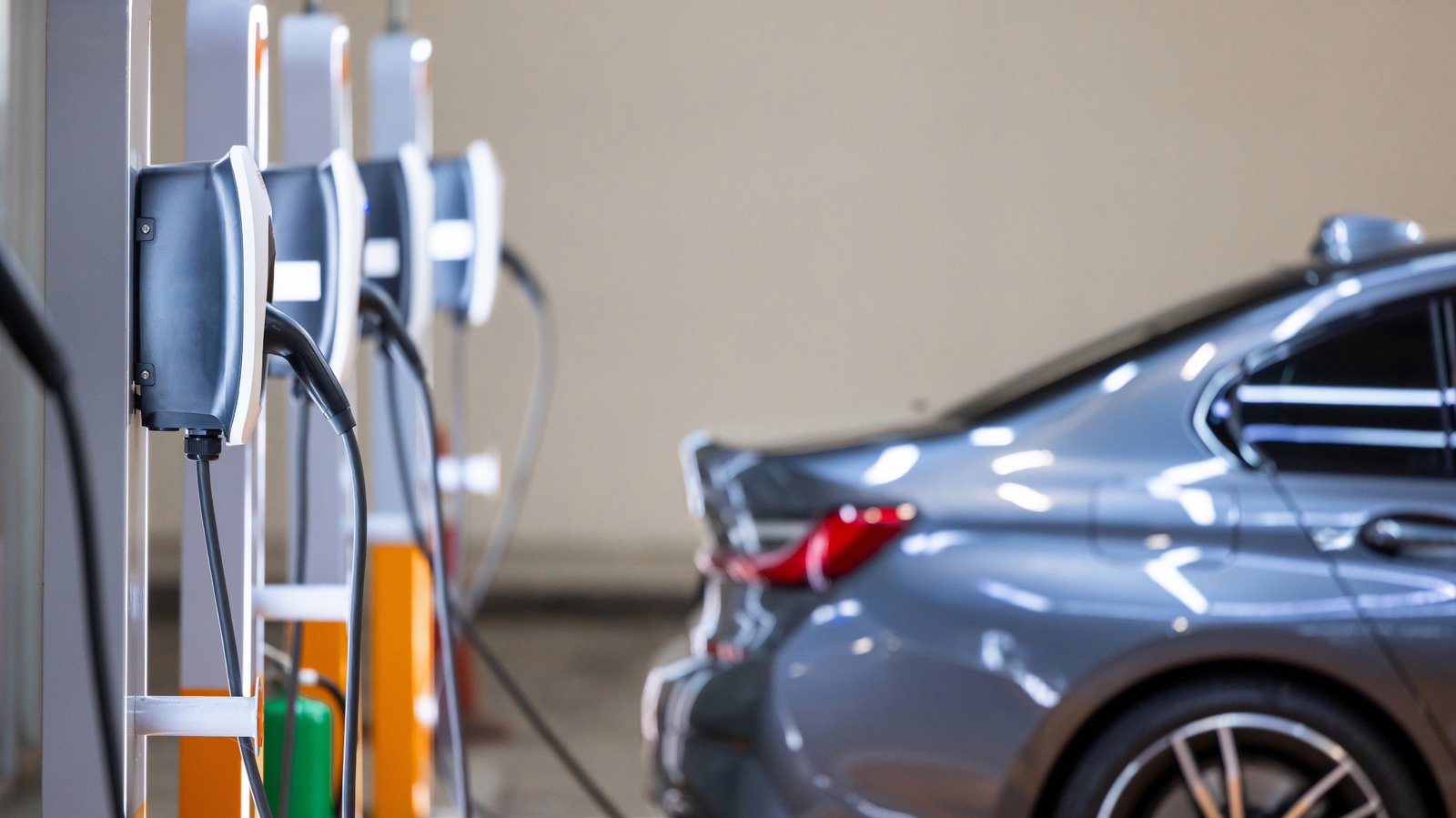
Senate Bill 969 targets the final phase of deployment: public charger activation. Under previous rules, even chargers that had undergone rigorous factory testing and quality assurance were subjected to redundant, time-consuming local inspection sequences before being permitted to supply power to consumers. SB 969 streamlines this process by establishing pathways that recognize manufacturer testing, allowing certified public chargers to come online and begin serving drivers much faster.
Complementing this is Senate Bill 1283, which broadens the scope of the state’s existing streamlined permitting rules. Historically, permits often bogged down when projects required ancillary civil and electrical engineering work. SB 1283 ensures that the expedited permitting process formally applies to necessary auxiliary infrastructure, such as excavation and trenching, heavy electrical equipment upgrades, and the integration of stationary battery storage systems.
Residential and multi-family accessibility receives a major boost through Assembly Bill 1820. Multi-unit dwellings, apartments, and mixed-use commercial-residential developments have traditionally lagged behind single-family homes in EV charger penetration due to complex property ownership structures and prohibitive municipal fees. AB 1820 slashes permitting obstacles and reduces fees specifically for these housing-integrated charging projects. This legislative adjustment is expected to democratize EV ownership for urban residents and renters who lack access to private garages or dedicated driveways.
Addressing Homeowners Associations and Battery Transparency
Beyond municipal permitting, the legislative package tackles niche structural barriers and consumer protection issues that directly influence market adoption.
Senate Bill 1267 focuses on the often contentious relationship between electric vehicle owners and Homeowners Associations (HOAs). Historically, property management boards and HOAs could exercise broad discretion—or outright obstruction—regarding the installation of Level 2 chargers in shared parking lots or assigned community spaces. SB 1267 reinforces the rights of residents within HOA-governed communities, establishing clearer legal pathways for individuals to install necessary charging infrastructure without facing arbitrary architectural or procedural pushback.
On the consumer education front, Senate Bill 615 addresses the opaque secondary market and overall consumer anxiety regarding EV energy storage components. As the pre-owned EV market expands, buyers frequently worry about the degradation rates, expected lifespans, and replacement costs of lithium-ion traction batteries. SB 615 mandates clearer, standardized battery health and performance disclosures, giving shoppers transparent, verifiable data when purchasing an electric vehicle.
Stakeholder Reactions and Industry Response
The reception from clean energy advocates, transportation coalitions, and industry stakeholders has been overwhelmingly positive, though underlying tensions regarding municipal budgets remain a point of discussion.
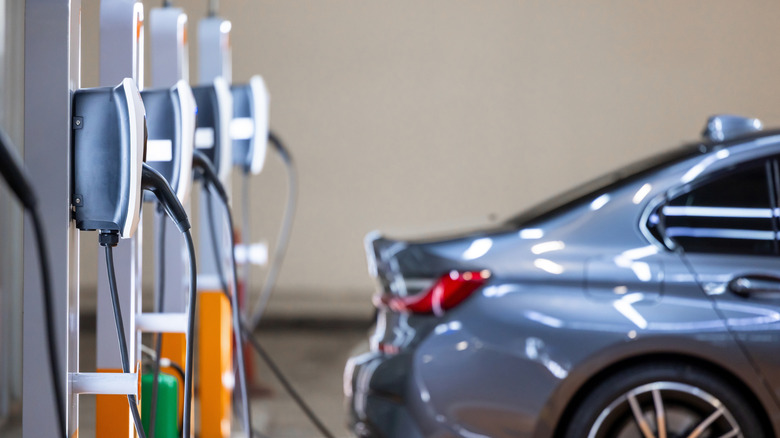
The Electric Vehicle Charging Association was among the most vocal supporters of the package, issuing statements praising the legislation for directly targeting chronic permitting delays and inflated bureaucratic costs. Similarly, the California Electric Transportation Coalition emphasized that the new rules are indispensable for constructing the physical foundation of the state’s green economy.
Proponents point to mathematical necessity to justify the urgency of these reforms. According to projections cited by the EVCA, California must install upwards of 400 new chargers every single day between now and 2030 to keep pace with projected vehicle adoption rates and avoid gridlock at public stations. Without streamlined permitting and reduced soft costs, developers argued that hitting this operational velocity would be mathematically impossible.
Conversely, some local government associations and municipal representatives expressed cautious reservations during the legislative drafting process. Concerns centered on the fee caps introduced in bills like AB 1820, with local entities arguing that restricted permitting revenues might fail to cover the genuine administrative expenses incurred by local building and safety departments during thorough engineering reviews. However, the legislative consensus ultimately prioritized regional infrastructure acceleration over municipal revenue collection.
Broader Economic and Environmental Implications
The long-term implications of California’s September 2026 EV charger laws extend far beyond state borders. As the nation’s largest automotive market and a pioneer in environmental regulation, California’s policy shifts frequently serve as a blueprint or catalyst for national standards.
By dismantling the bureaucratic barriers that stall multi-family residential charging, the state is addressing a key demographic barrier: equity in clean transportation. Historically, EV adoption has skewed heavily toward affluent homeowners capable of installing home-charging units. By easing installations in apartment complexes and community associations, the new laws help ensure that lower- and middle-income residents living in multi-family housing can reliably transition to electric mobility.
Furthermore, expediting the deployment of heavy-duty electrical upgrades and battery storage integration via SB 1283 creates a more resilient energy grid. Charging stations integrated with localized battery storage can buffer peak electrical demand, drawing power during off-peak hours and feeding it back into vehicles or the grid during high-stress periods. This synergy between transportation infrastructure and grid stability is viewed by energy analysts as a critical milestone for the state’s clean energy transition.
Ultimately, Governor Newsom’s signature on these bills marks a strategic pivot from high-level aspirational mandates to granular, operational execution. By streamlining the machinery of government down to the permitting desk, California is attempting to prove that aggressive climate goals can be met not just through regulatory force, but through administrative efficiency.