How Father Funk Built a Bass-Driven Electronic Masterpiece Using Scarbee and Native Instruments Kontakt for Funk The System


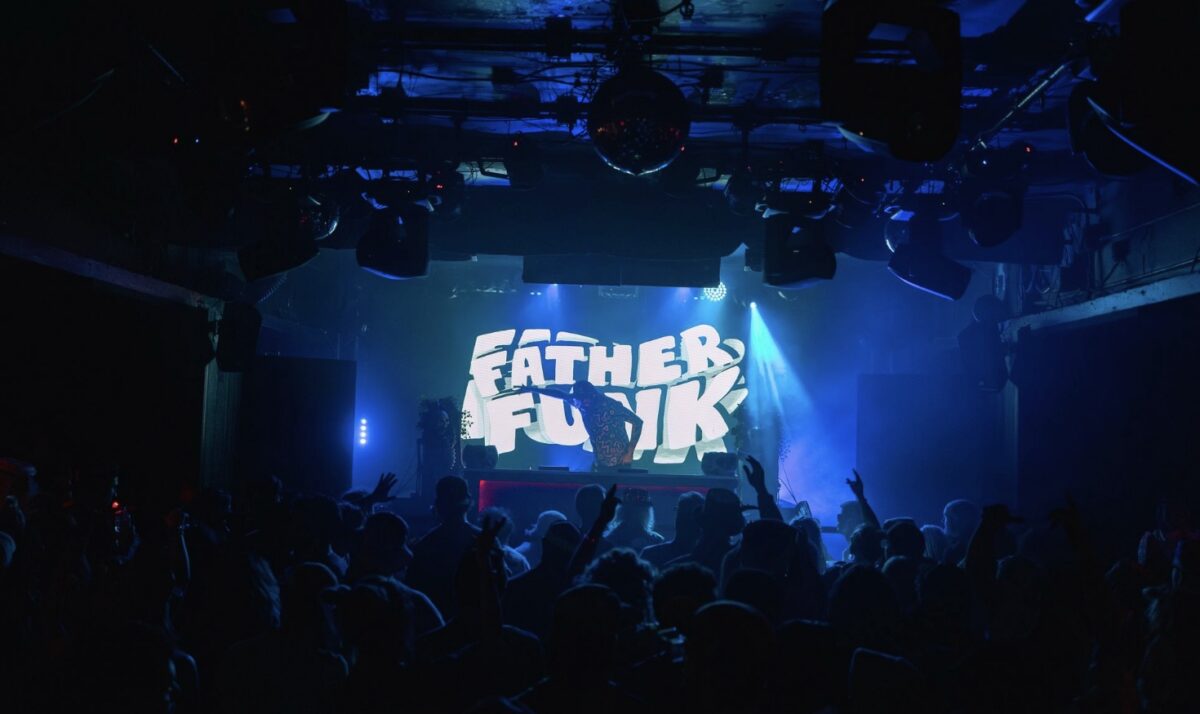
The intersection of organic musicianship and electronic music production has long been a fertile ground for sonic innovation, yet few artists navigate this boundary quite as fluidly as the producer known as Father Funk. Marking a significant milestone in a career defined by festival anthems, cross-genre collaborations, and a decade of relentless touring, the UK-born and Vancouver-based producer has released his latest studio album, Funk The System. The record serves as a masterclass in modern sound design, capturing the chaotic, high-energy environment of a live stage within a meticulously engineered, bass-heavy electronic framework. Rather than relying solely on pre-programmed sequences or digital loops, every track across the album pulses with authentic musicality, drawing directly from the artist’s extensive background as a multi-instrumentalist proficient in bass guitar, standard guitar, and percussion.
The Genesis and Conceptual Framework of Funk The System
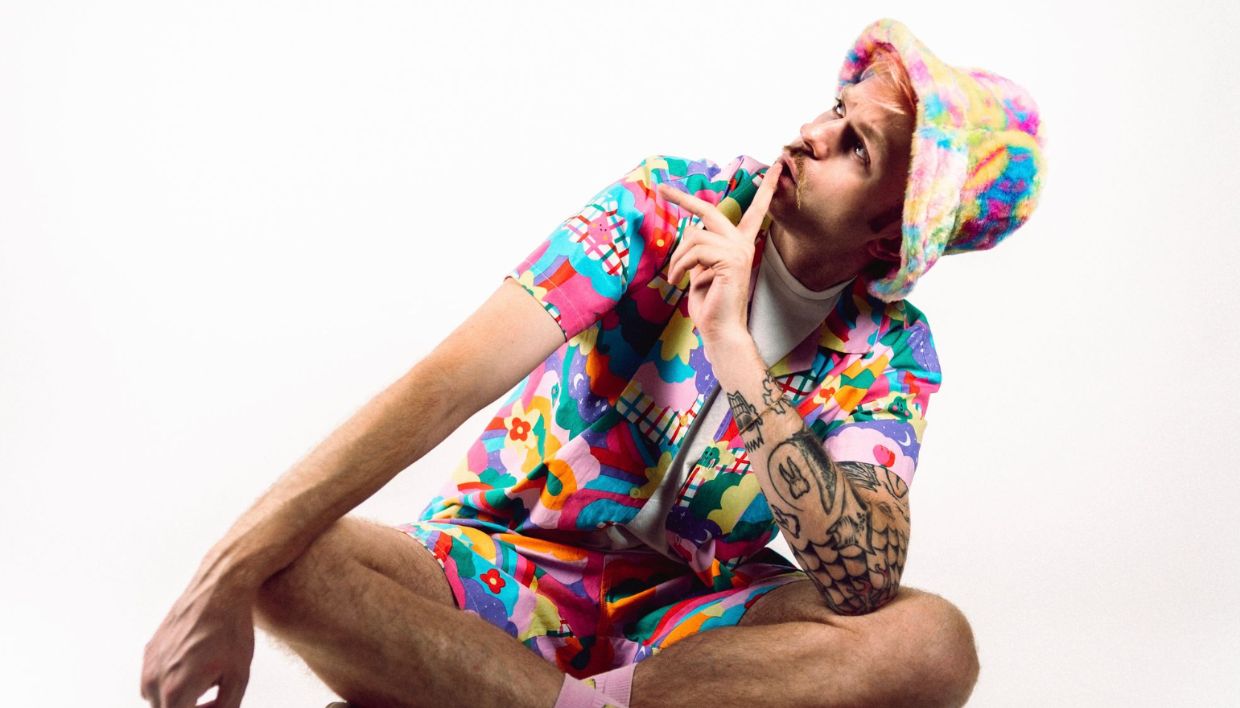
To fully appreciate the scope of Funk The System, one must examine the conceptual foundations that guided its creation. For Father Funk, whose real-world experience as a gigging bass player informs every frequency he touches, the wall separating physical performance from digital sound design is virtually non-existent. The production process for the album rarely began with traditional electronic music tropes; instead, it frequently commenced with high-concept musical ideas. A prime example of this methodology is the track Jazzercise, an ambitious stylistic collision of traditional jazz phrasing and modern dubstep gravity.
In the early stages of these sessions, Father Funk prioritized organic elements—laying down organic-sounding guitar parts, rhythmic keyboard motifs, and live drum grooves. Historically rooted in sample-based production, the producer’s primary objective was to forge an initial foundation that sounded indistinguishable from an obscure, vintage vinyl record unearthed from a dusty crate. Once this foundational audio block was established, it was systematically dissected—either by breaking it down into individual stems or through creative resampling—to serve as the bedrock for the overarching song structure. This methodology bridges the gap between classic hip-hop and funk sampling aesthetics and the demanding sonic landscape of contemporary bass music.
The Technical Anatomy of Low-End Power: The Role of Scarbee Jay-Bass
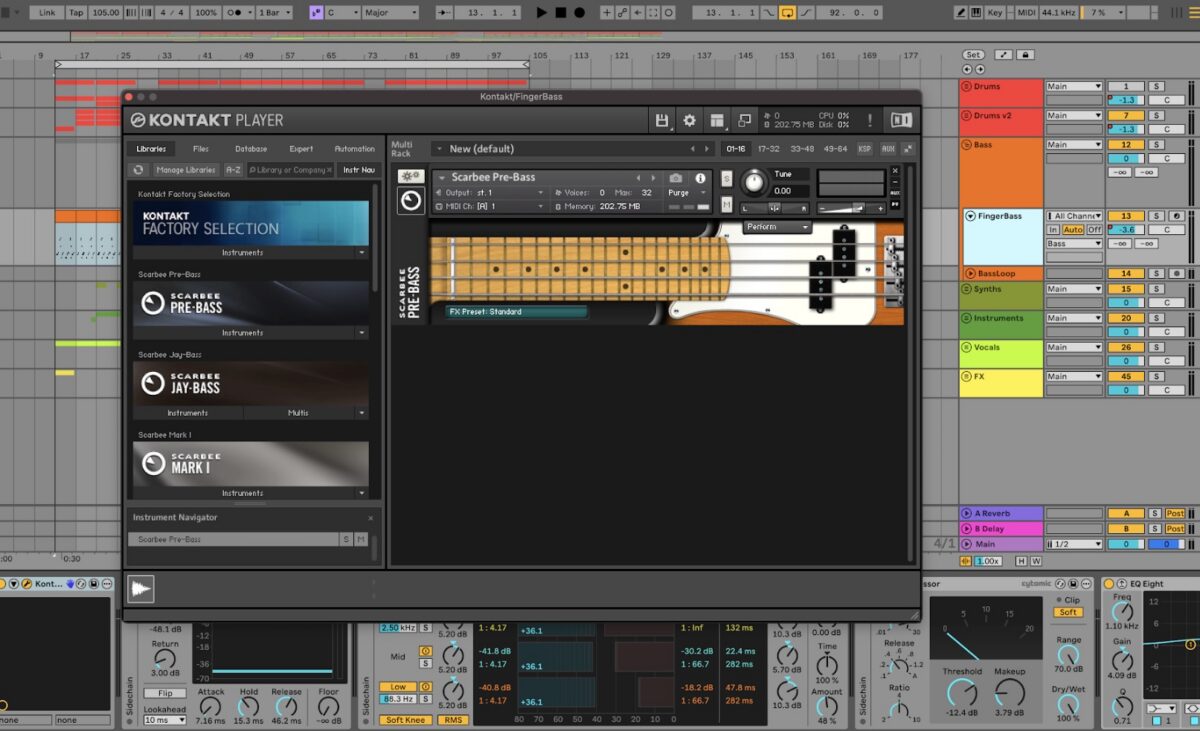
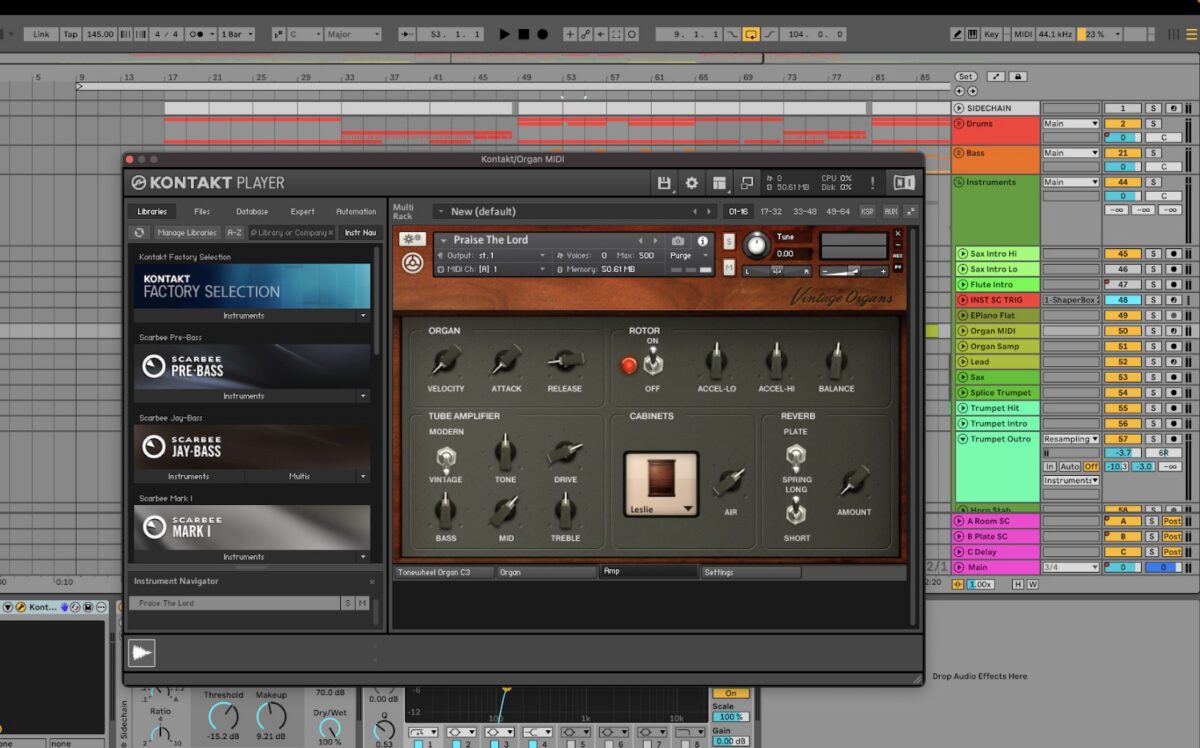
At the heart of the album’s low-end supremacy is Native Instruments’ Scarbee Jay-Bass, a premier sampled instrument hosted within the Kontakt ecosystem. While Father Funk possesses the technical capability to record live bass lines for every track in his catalog, he frequently opts for the Kontakt library due to its unrivaled consistency, warmth, and roundness, especially within busy, multi-layered electronic arrangements.
In the context of modern bass music, maintaining structural clarity while delivering maximum physical impact is a notoriously difficult balancing act. Father Funk approaches the Scarbee Jay-Bass not merely as a simulation of a traditional instrument, but as an aggressive sonic element meant to anchor the drop. Standard processing chains for these bass lines often involve heavy multi-stage distortion followed by multiband dynamic processors like OTT, ensuring that the instrument punches through dense mixes without getting lost among synthesizers, sub-basses, and percussion.
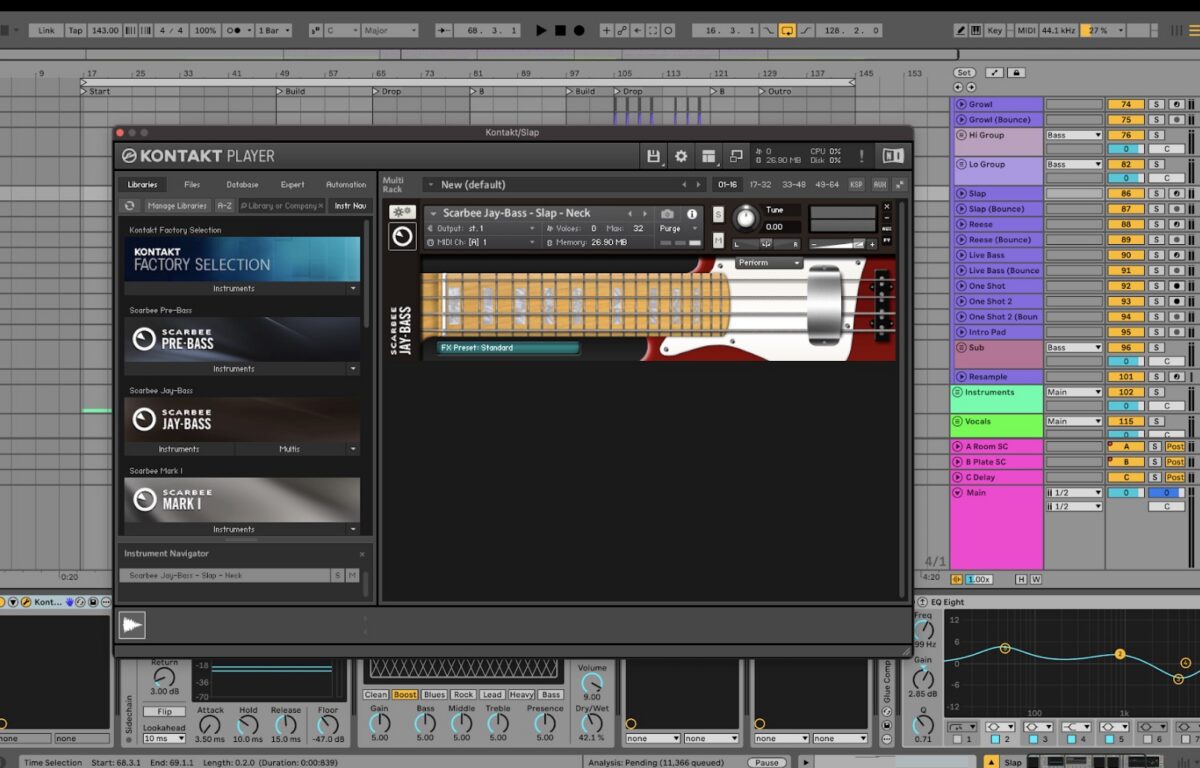
When discussing low-end management, the producer notes that the primary challenge of using sampled electric basses in aggressive electronic genres is the loss of critical high-frequency transients. To counter this, heavy EQ and compression are deployed to accentuate upper-mid and high-end details, while a separate, dedicated sub-bass layer is frequently introduced underneath simple fingered basslines. Conversely, for faster slap-bass passages, the inherent punch of the plugin is highlighted to deliver the tactile sensation of a thumb striking strings.

Mastering MIDI Realism: The Human Element in Digital Audio Workstations
One of the most defining characteristics of Funk The System is the illusion of a live band performing at maximum velocity inside a computerized environment. Achieving this level of realism requires meticulous attention to MIDI programming—a domain where Father Funk’s deep understanding of physical instrument mechanics proves invaluable.
Rather than relying heavily on internal plugin GUIs or complex modulation controls to inject movement, the producer achieves emotional expression through precise adjustments to MIDI note length, velocity mapping, and timing. Ghost notes—the short, syncopated, percussive hits nestled between primary notes in a funk bassline—play a pivotal role. By drastically lowering the velocity of specific MIDI notes on the Scarbee Jay-Bass, the instrument transitions from sounding like a muted pitch to an authentic, percussive string-thump.
Furthermore, note duration is treated as a dynamic performance variable rather than a static grid alignment. By extending MIDI notes so that they bleed into subsequent triggers, the virtual instrument naturally generates realistic hammer-on effects. This granular approach to programming ensures that no two phrases trigger identically, a variation further amplified by Father Funk’s signature workflow habit: extensive resampling. By rendering MIDI performances to audio and comping multiple takes together, the producer locks in the exact articulations, transient responses, and groove required to keep electronic music feeling genuinely human.
The Resurgence of Groove and Swing in Modern Electronic Music
Beyond individual instrument processing, the rhythmic integrity of Funk The System is anchored by a strict adherence to swing and pocket timing. Drawing heavily from traditional funk and soul aesthetics, the album rejects the sterile, perfectly quantized grid common to much of contemporary electronic dance music. Father Funk frequently utilizes groove templates such as the Notator 16D Swing within Ableton Live to infuse his arrangements with bounce and momentum.
This philosophical approach to rhythm highlights a broader conversation within the electronic music industry regarding the soullessness of automated production tools. As artificial intelligence and pre-made preset packs flood the market, albums like Funk The System provide a timely reminder that emotional resonance stems from artistic intent, touch, and cultural understanding of genre traditions.
Industry Implications and the Future of Virtual Instruments
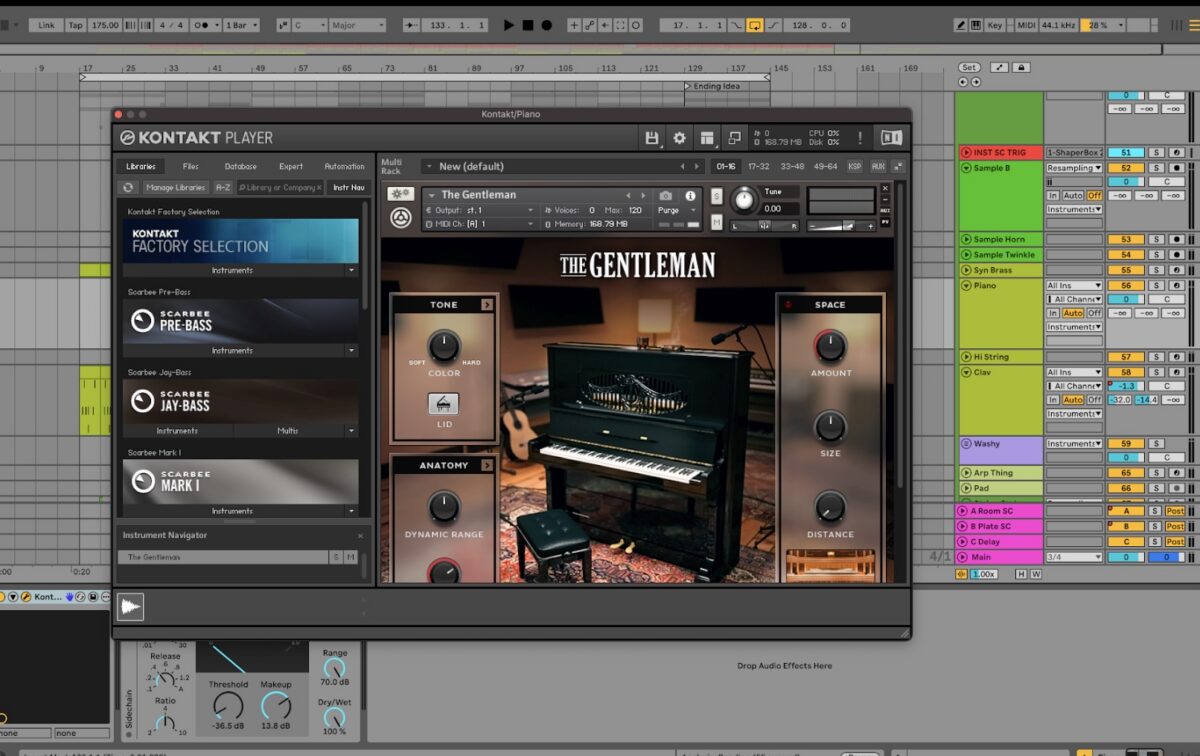
The commercial and critical reception of Funk The System arrives at a time when software samplers like Native Instruments Kontakt have become ubiquitous in professional studios worldwide. The album demonstrates that high-end sample libraries are no longer limited to cinematic scoring or traditional genre replication; rather, they are powerful catalysts for genre-defying electronic production.
By proving that virtual instruments can deliver the grit, warmth, and raw aggression required for festival-ready bass music, Father Funk has established a blueprint for hybrid production. The collaboration between a seasoned multi-instrumentalist and advanced software ecosystems underscores a larger industry shift: technology does not replace musicianship—it expands its vocabulary.
Conclusion: A Definitive Statement on Artistic Independence
Funk The System stands as a monumental achievement in Father Funk’s decade-long career, symbolizing the pinnacle of his creative independence. By seamlessly fusing the technical precision of MIDI programming and Kontakt-based sample libraries with the raw, unapologetic attitude of live funk performance, he has crafted a sonic identity that defies simple categorization.
For producers and music enthusiasts alike, the album serves as an inspiring case study in balancing digital flexibility with organic expression. Whether through the clever deployment of ghost notes, aggressive distortion chains, or meticulously crafted swing patterns, Father Funk has proven that electronic music, at its core, remains a deeply human endeavor driven by touch, groove, and uncompromising intent.
Related posts: