Why Human-Centric Marketing Is the Only Sustainable Strategy in the Era of AI Search

The digital marketing landscape is undergoing a profound transformation as search engines and artificial intelligence platforms increasingly prioritize authentic human expertise over mass-produced, machine-generated content. For over two decades, the SEO industry has been defined by cycles of experimentation—from exact-match domains and article directories to the more recent reliance on programmatic pages and AI-generated listicles. However, historical data and evolving search engine guidelines indicate that these short-term tactics, often classified as loopholes, carry significant long-term risks. As Google, Bing, and major AI companies refine their algorithms to combat spam, businesses that have prioritized automated scaling are finding their visibility, traffic, and leads severely suppressed.

The Lifecycle of SEO Loopholes and Algorithmic Corrections
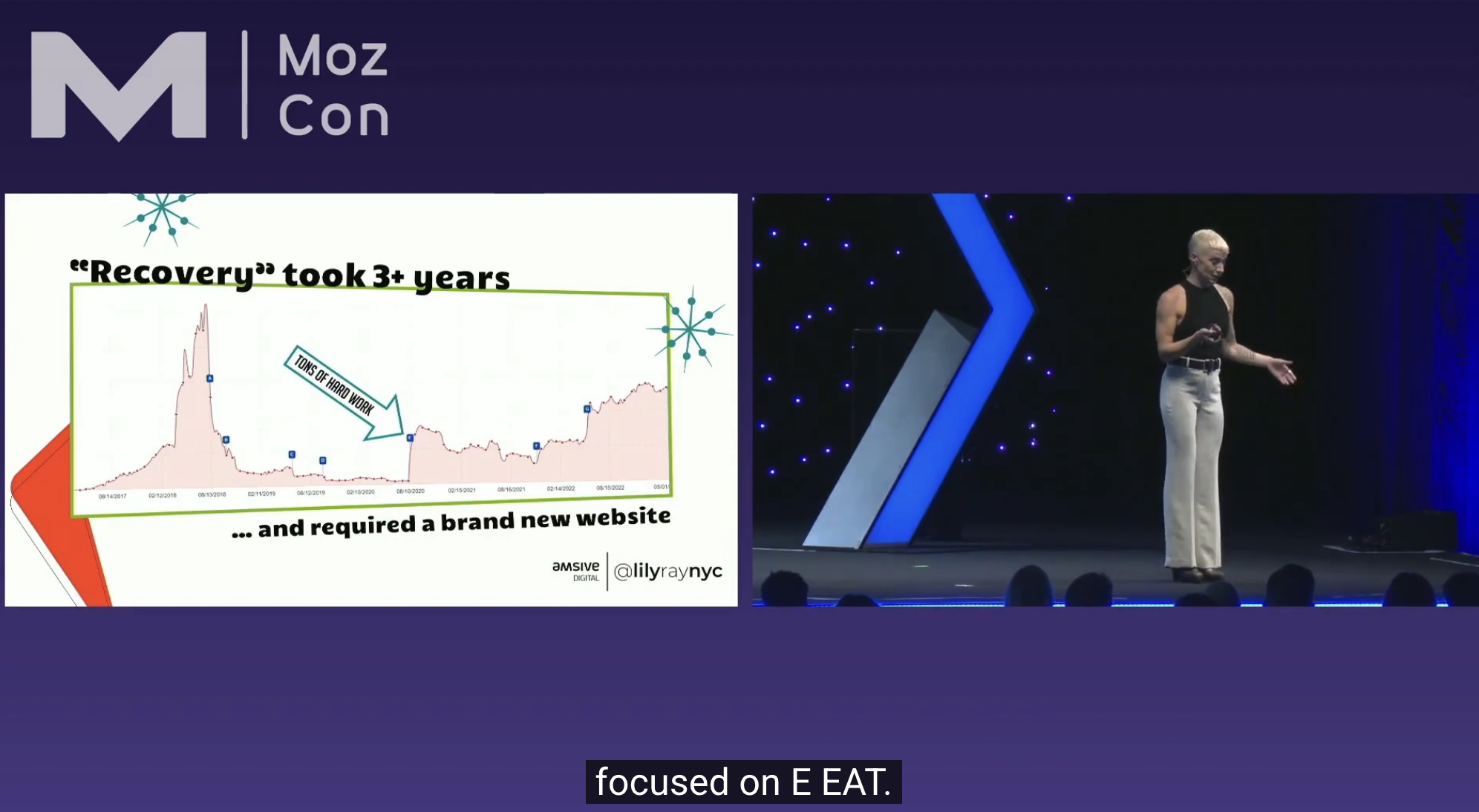
The history of search engine optimization is littered with cautionary tales of brands that attempted to circumvent algorithmic standards. In the early 2010s, the practice of purchasing backlinks became a common strategy for inflating domain authority. This was abruptly dismantled in 2012 by Google’s Penguin update, which devalued such links and penalized the sites that relied on them. By 2018, the industry shifted toward scaling content production, often utilizing automated tools for medical and high-stakes information. The subsequent "Medic" update disproportionately affected these sites, signaling a shift in how search engines verify the quality and legitimacy of information in "Your Money or Your Life" (YMYL) sectors.
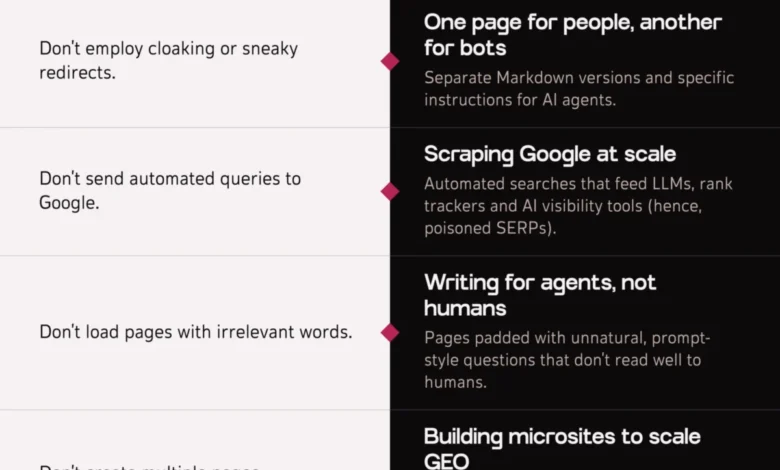
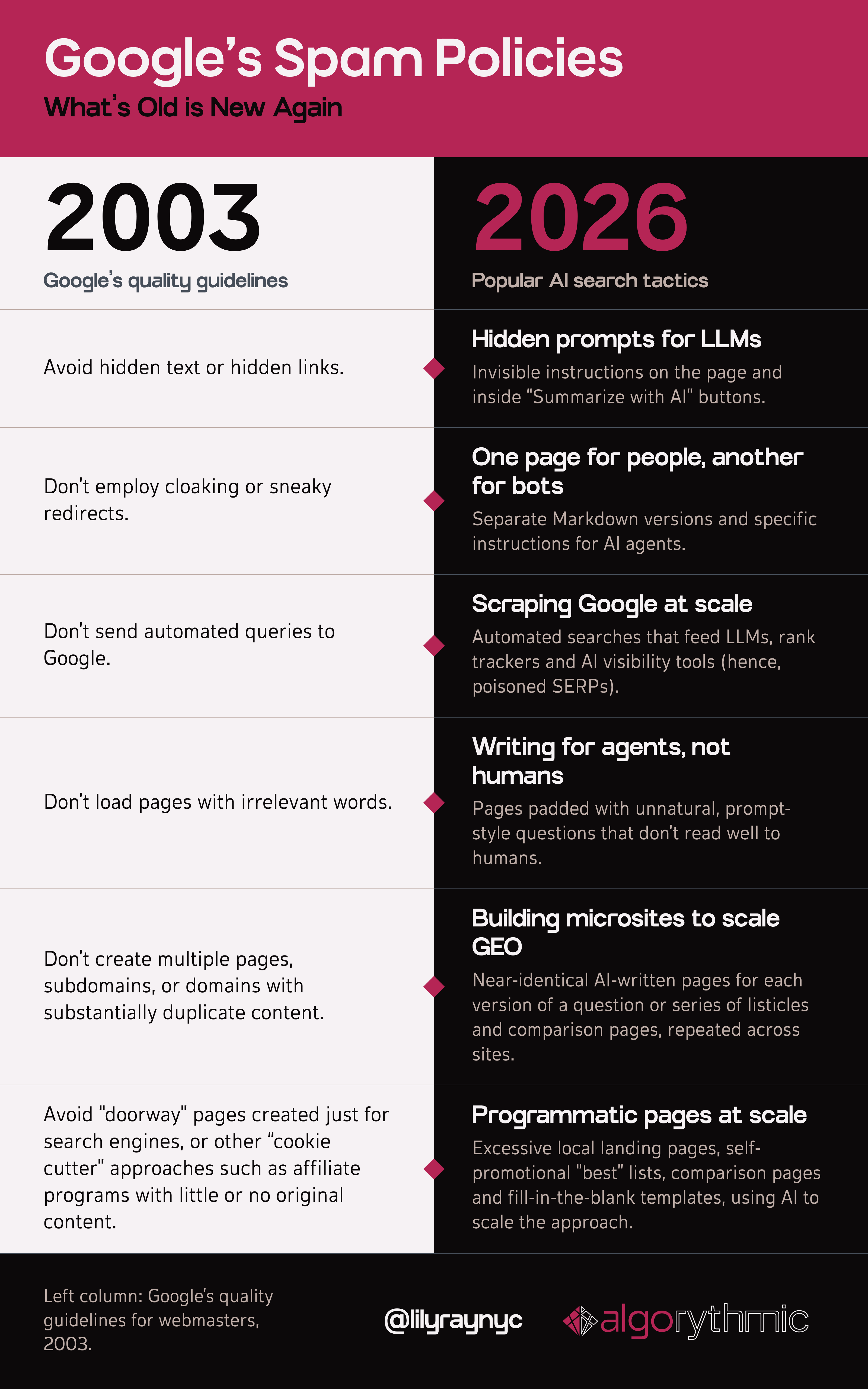
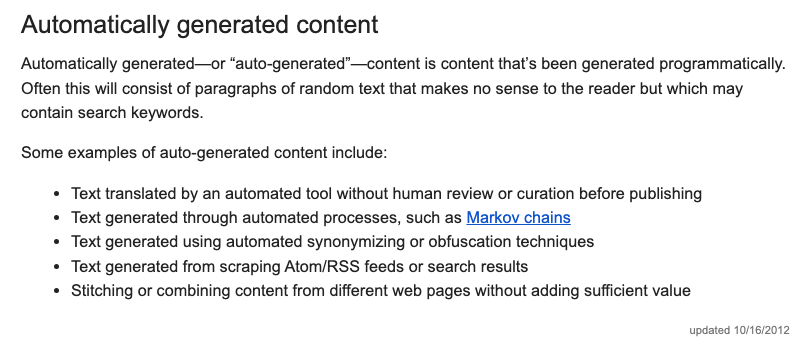
The current challenge centers on Generative AI. While many enterprise-level marketers have prioritized the rapid scaling of AI content, Google’s updated spam policies, particularly those introduced in March 2024, explicitly target "scaled content abuse." These policies apply regardless of whether the content is created by automation, human effort, or a hybrid of both. The core issue remains consistent with Google’s 2003 Webmaster Guidelines: the creation of content for the primary purpose of gaming search results rather than providing genuine value to users.

The Evolution of Google’s Quality Framework
Google’s guidance on content quality has remained remarkably consistent since its inception. In 2003, the company explicitly warned against "cookie-cutter" pages and sites with little or no original content. Over time, these requirements evolved into the E-E-A-T framework—Experience, Expertise, Authoritativeness, and Trustworthiness.
E-E-A-T serves as a benchmark for content quality, particularly in sectors where accuracy is paramount. While some marketers view E-E-A-T as a checkbox exercise, it is fundamentally a methodology for building brand credibility. According to the current Search Quality Rater Guidelines, which reference E-E-A-T extensively, the primary goal is to identify content that is created by individuals with demonstrable knowledge or lived experience. This shift represents a move away from anonymous, generic content toward content that can be tied to a specific, identifiable authority.
Data-Driven Shifts in Search Visibility
The impact of shifting toward human-centric content is measurable. Studies conducted over the past several years, including analyses of sites that recovered from major algorithm updates, show a strong correlation between the presence of verified experts and sustained organic visibility. Winning sites are frequently those that transparently display credentials, provide original insights, and foster a reputation that is independent of search rankings.
Furthermore, the rise of AI-driven search experiences, such as Google’s AI Overviews, has highlighted a clear preference for platforms that aggregate authentic human interaction. Data from Ahrefs and Semrush consistently show that platforms like Reddit and YouTube—where content is driven by user discussion, video tutorials, and first-hand reviews—are among the most cited sources in AI search results. In a 2026 analysis, Reddit and YouTube accounted for a significant percentage of citations, suggesting that AI models are effectively "re-ranking" the web by prioritizing platforms where humans share what they actually know.
The Professionalization of Brand Evangelism
One of the most effective strategies for modern businesses is the cultivation of internal experts. By elevating practitioners—such as doctors, engineers, or experienced consultants—to the status of public-facing brand evangelists, companies can establish an "authority trail." This trail includes conference speaking engagements, podcasts, research publications, and verified social media presence.
The success of this strategy is evident in the performance of organizations that have moved away from anonymous blogging. For instance, brands that hire respected industry figures to represent their SEO and content initiatives often see an increase in natural, high-quality backlinks and improved sentiment within their respective communities. This approach provides a level of insulation against algorithmic volatility because the authority is tied to the reputation of the individual, which is harder to fabricate than a website’s content.
Challenges to Human-Centric Marketing
Despite the clear benefits, implementing a human-centric strategy presents logistical hurdles. Many corporations operate under strict compliance and legal requirements that limit the ability of employees to engage in public discourse. Additionally, there is the risk of "talent churn," where an expert leaves the organization, taking their personal brand with them.
To mitigate these risks, industry leaders are increasingly adopting a "collective authority" model. Instead of relying on a single individual, companies are diversifying their voices, creating a repository of expert-driven content that remains valuable to the brand regardless of any single contributor’s status. This distributed approach builds a robust brand identity that is less vulnerable to shifts in personnel.

The Growing Consumer Demand for Authenticity
The shift toward human-centric marketing is not merely an SEO strategy; it is a response to changing consumer sentiment. Market research from 2026 indicates that a significant portion of the public has developed "slop fatigue"—a growing distrust of content that feels overly synthesized or devoid of a human perspective. As AI-generated content becomes commoditized and free to produce, the premium on genuine, unique, and opinionated human insight is rising.
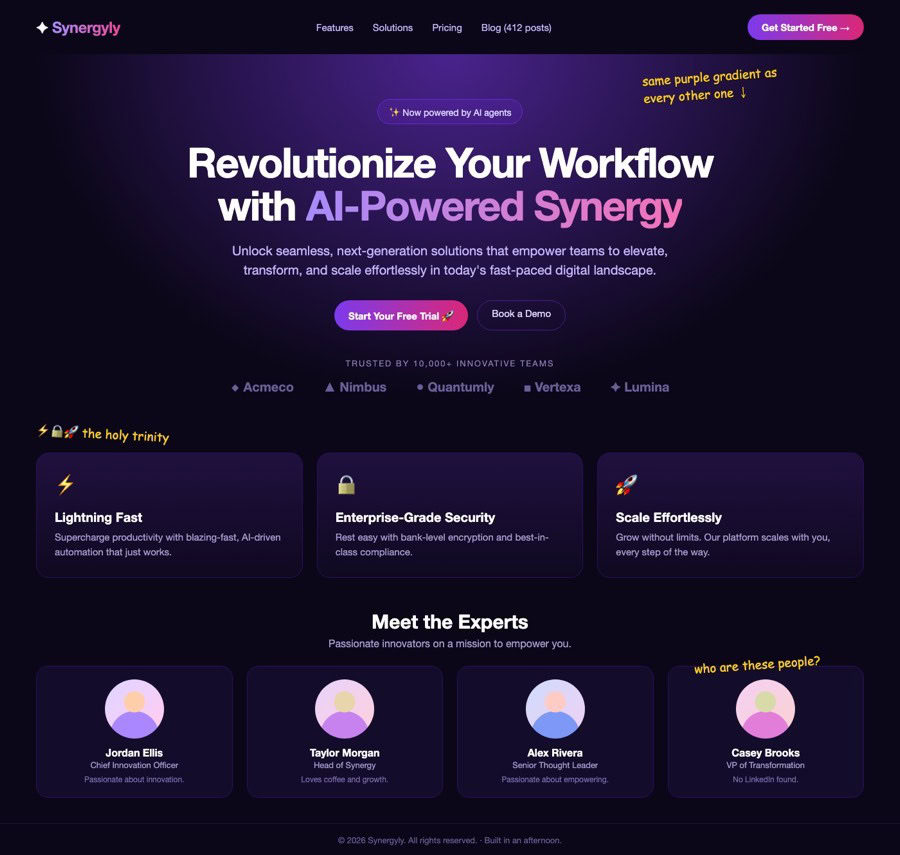
Search engines are increasingly capable of identifying the "footprint" of a real expert. Factors such as the presence of an author’s name, consistent credentials, and cross-platform verification are becoming standard signals. In contrast, sites that use AI-generated headshots, fabricated credentials, or generic templates are finding it increasingly difficult to maintain rankings. Google’s recent updates specifically targeting the fabrication of creator profiles illustrate that the company is actively refining its systems to penalize deceptive practices.
Implications for the Future of Digital Strategy
For digital marketers, the takeaway is clear: the era of scaling content for the sake of visibility is reaching its expiration date. Future-proofing a digital strategy requires a departure from shortcut-based tactics in favor of long-term investment in brand reputation. The most sustainable path involves fostering deep expertise, encouraging public participation from internal subject matter experts, and prioritizing the user experience over the mechanical requirements of search algorithms.
As search engines continue to integrate generative AI into their core products, the ability to provide "human-in-the-loop" content will be the defining factor for success. Brands that can demonstrate, prove, and articulate their unique expertise will be the ones that survive the ongoing transition of the web. Ultimately, search engines are not moving toward a system that favors one specific technical hack, but rather a system that mirrors the real-world standard of trust: we listen to those who have the experience, the evidence, and the reputation to back up their claims. By aligning marketing strategies with this fundamental human preference, businesses can secure their place in the evolving digital ecosystem.