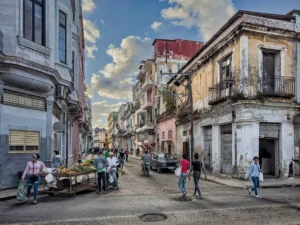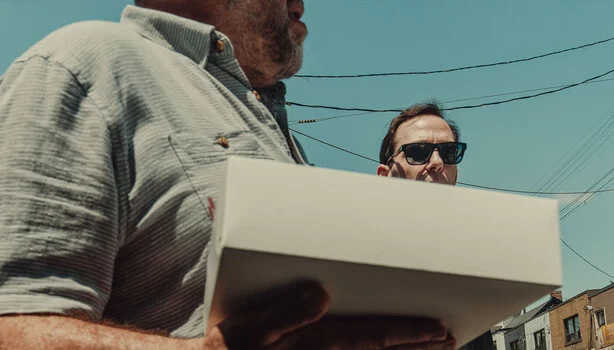
Street photography, a genre celebrated for its accessibility and raw portrayal of life, is facing an existential crisis. What was once a vibrant and spontaneous art form, requiring little more than a camera and a keen eye for the everyday, is increasingly being diluted by predictable tropes and rigid self-imposed rules, according to a growing chorus of critics and practitioners. This pervasive trend, fueled by the algorithmic nature of social media and a desire for belonging, threatens to strip street photography of its authenticity and its very soul.
The allure of street photography lies in its democratic nature. Unlike disciplines requiring expensive equipment or exotic travel, it can be practiced anywhere, by anyone, with minimal financial outlay. From bustling metropolises to quiet suburban lanes, the urban landscape and its inhabitants offer an endless canvas for exploration. This accessibility has undoubtedly contributed to its meteoric rise in popularity over the past decade, with platforms like Instagram and YouTube becoming primary conduits for sharing and consuming street photography. However, this very popularity has, paradoxically, led to a homogenization of the genre.
The Predictable Palette: Common Tropes Dominating Social Feeds
A casual scroll through any popular street photography feed reveals a striking lack of originality. Commonplace images, executed with technical proficiency but lacking conceptual depth, dominate the visual landscape. These include:
- The Shaft of Light: A solitary figure walking through a dramatic sunbeam, often staged or waiting for the opportune moment, emphasizing light and shadow over narrative.
- The Puddle Reflection: A distorted or mirrored image of a person or urban scene captured in a puddle, a recurring motif that has become a cliché.
- The Doorway or Archway Frame: A person perfectly positioned within an architectural opening, creating a sense of depth but often sacrificing spontaneity.
- The Mural Interaction: A subject seemingly interacting with a large-scale street art piece, a popular technique that can feel contrived.
- The Hip-Shot Approach: Candid, often blurry, images taken from the hip of people walking towards the camera, frequently lacking a clear subject or purpose.
While these techniques can serve as valuable learning tools for aspiring photographers – aiding in the mastery of timing, composition, exposure, and zone focusing – the problem, as many observers note, is that too many photographers remain content to linger in this introductory phase. This phenomenon is exacerbated by online influencers and content creators who often showcase these predictable shots, inadvertently setting a benchmark for what is perceived as "successful" street photography. The adoption of specific attire, like the iconic cowboy hat, further underscores the trend of adopting a persona rather than cultivating a unique photographic voice.
Social Media’s Algorithmic Grip on Creativity
The pervasive influence of social media platforms cannot be overstated. Algorithms designed to maximize engagement often favor visually striking, easily digestible images, inadvertently promoting a specific aesthetic. This creates a feedback loop where photographers, seeking validation and visibility, produce content that aligns with popular trends, rather than exploring their own unique perspectives.
"We’re not exploring the world around us with curiosity; we’re simply hunting for examples of images that platforms like Instagram have programmed us to look for," observes one critic of the current street photography landscape. "We’re not discovering and creating; we’re part of a Pokémon scavenger hunt, collecting images like young schoolboys used to collect stamps." This analogy highlights the shift from genuine artistic expression to a form of visual data collection, driven by external metrics rather than internal artistic impulse. The question then arises: has street photography become formulaic, predictable, and ultimately, soul-less?
The Rise of the Gatekeepers: Arbitrary Rules and Genre Policing
Adding to the creative stagnation is the emergence of self-appointed "gatekeepers" who rigidly define what constitutes "proper" street photography. These individuals often enforce a stringent checklist of rules, stifling experimentation and discouraging diverse approaches to capturing the urban environment.
A common point of contention is the perceived need for "candid" shots. Many are told that asking a subject for permission negates the authenticity of street photography, even if the encounter leads to a more compelling or collaborative portrait. This dogmatic stance often dismisses valuable photographic interactions and overlooks the nuanced relationship between photographer and subject.
Furthermore, the definition of street photography itself has become a battleground. Images of interesting storefronts, architectural details, or even empty streets are frequently deemed ineligible, unless they prominently feature a human element, often in a specific context (e.g., walking through a shaft of light). The use of longer lenses, which allows for a different perspective and a less intrusive approach, is also often discouraged in favor of the more intimate, albeit sometimes confrontational, wide-angle perspective.
This internal policing stands in stark contrast to other photographic genres. Landscape photographers are not typically questioned on the precise dimensions of a mountain, nor are wildlife photographers challenged on the perceived "wildness" of a pigeon photographed in an urban setting. Yet, street photographers can spend hours debating whether a photograph falls under street, documentary, urban, or environmental portraiture. The underlying sentiment among many practitioners is that the photograph’s impact should be the sole arbiter of its worth, not adherence to arbitrary genre classifications.
A Legacy of Unfettered Curiosity: The Masters of the Past
Examining the work of seminal street photographers from the past reveals a different ethos. Figures like Henri Cartier-Bresson, William Eggleston, Tom Wood, and Peter Mitchell were not constrained by rigid definitions. Their portfolios showcase a broad range of subjects, driven by an insatiable curiosity and a genuine interest in the world around them. Whether it was people, architecture, shopfronts, or even decaying signs, their photographs were born from a personal connection to their subject matter, rather than a desire to conform to prevailing trends. Their work feels authentic because it reflects their individual vision and their unique way of seeing.
Consider the example of a photograph capturing a street scene rich with tapas bars in Spain. If this image is devoid of human figures, some contemporary purists might dismiss it as not being "street photography." However, such a photograph, if it effectively conveys the atmosphere, culture, and essence of that street, can be profoundly evocative and tell a story in its own right. The exclusion of such work based on a narrow definition impoverishes the genre.
Reclaiming the Soul: Towards a More Meaningful Street Photography
To address the perceived decline in originality and depth, a paradigm shift is necessary. One immediate step would be to move beyond the repetitive capture of mundane street scenes with no inherent narrative or visual interest. While documenting everyday life has inherent value, the sheer volume of such images produced today risks rendering them monotonous and unmemorable for future generations.
For a street photograph to resonate in the contemporary landscape, it needs to transcend mere documentation. According to seasoned observers, compelling street photographs typically possess at least one, and ideally all three, of the following qualities:
- A Narrative: The image suggests a story, prompting the viewer to ponder what is happening or what might happen next.
- Emotional Resonance: The photograph evokes a feeling, connecting with the viewer on an emotional level.
- Visual Intrigue: The image possesses a unique aesthetic quality, composition, or use of light that captures and holds the viewer’s attention.
Photographs that embody these characteristics are those that viewers pause to examine, immerse themselves in, and ultimately remember. These are the images that possess "soul."
The Peril of Belonging: Originality vs. Tribe Mentality
The drive to belong to a community is a fundamental human need. In street photography, this often translates into adopting the visual language and stylistic conventions of popular online "tribes." This pursuit of belonging, while understandable, can often be at odds with originality. When the primary motivation is to fit in, the impetus to develop a unique artistic voice diminishes.
The result is a proliferation of visually similar images, where focal lengths, editing styles, and compositions become standardized. Street photography transforms from an act of seeing and interpreting into an exercise in conforming. While there is no inherent harm in producing images that align with popular trends – and indeed, it can be enjoyable – the desire for a personal and unique body of work necessitates a departure from these well-trodden paths.
Instead of asking, "What should a street photographer photograph?" and seeking answers on social media, practitioners are encouraged to ask themselves a more profound question: "What am I genuinely interested in?" This introspective approach can unlock new avenues of creativity and lead to the development of work that is deeply personal and authentic. This principle, it is argued, applies not only to street photography but to all genres of artistic endeavor.
A Renewed Vision: Embracing the Unseen and the Uncategorized
Many contemporary street photographers are beginning to look beyond the conventional subjects. Their focus is shifting towards elements often overlooked by the mainstream: shopfronts, safety cones, signage, intricate architectural details, layered compositions, subtle gestures, and fleeting human interactions. These are the visual whispers of the street, often ignored in the pursuit of more overt human drama.
Some may argue that these subjects fall outside the traditional definition of street photography. However, for those seeking to express their creativity and explore their personal vision, these labels become increasingly irrelevant. The emphasis shifts from conforming to genre expectations to capturing the essence of a place and one’s own unique response to it.
The modern street photographer, driven by curiosity and a desire for honest, personal expression, finds fertile ground in these often-unseen aspects of urban life. This is where the true soul of street photography may reside – not in adhering to outdated rules or chasing fleeting trends, but in the courage to see, interpret, and capture the world as it is, through an individual lens. The street itself, with its ever-changing tapestry of life and form, offers an inexhaustible source of inspiration for those willing to look beyond the predictable and embrace the profoundly personal.