The End of an Era: Snook’s Dream Cars Museum to Close After 24 Years Due to Growing Shortage of Classic Car Mechanics

The automotive preservation community is facing a sobering reality as specialized skills required to maintain vintage vehicles grow increasingly scarce. Snook’s Dream Cars, a celebrated living museum located in Bowling Green, Ohio, has announced its permanent closure scheduled for October 2026. After operating for nearly a quarter of a century, the museum’s founder, Jeff Snook, made the difficult decision to shut down the facility and auction off its renowned collection. The primary catalyst for this closure is not financial pressure or declining visitor interest, but rather the retirement of the museum’s master mechanic, Terry Stetler, and the inability to find a qualified successor capable of servicing internal combustion engines from a bygone era.
This impending closure underscores a broader, systemic challenge within the global automotive restoration industry: the generational gap in mechanical expertise. As modern vehicles become heavily digitized, reliant on advanced microchips, computer diagnostics, and electric powertrains, traditional mechanical knowledge—such as tuning carburetors, adjusting mechanical points, and servicing vintage transmissions—is fading from standard trade school curriculums. Without a new generation of skilled artisans stepping up to maintain automotive history, iconic living museums and private collections face an uncertain future.
A Living History of the Open Road
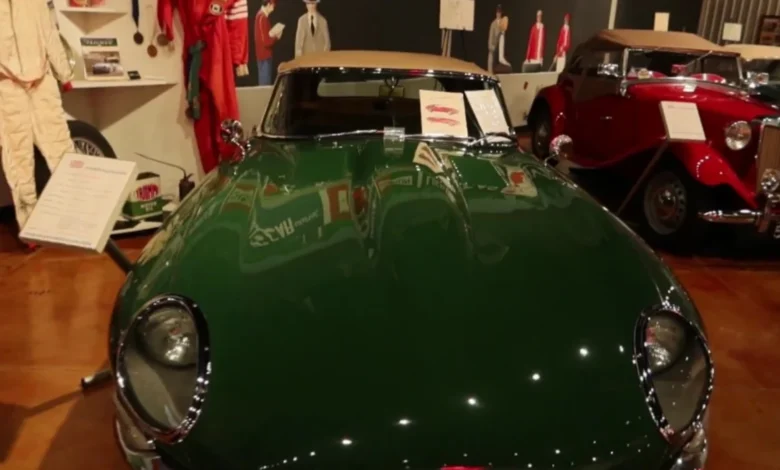
Established in 2002, Snook’s Dream Cars was never a traditional, sterile museum where vehicles sat lifeless behind velvet ropes. Instead, it operated under the philosophy of a "living museum," where the collection remained fully functional, road-worthy, and regularly driven. Spanning four decades of automotive history from the 1930s onward, the museum housed an eclectic and meticulously maintained fleet of vehicles representing global engineering. Visitors could view American icons from Ford and Packard alongside international masterpieces, including British Triumphs and Japanese classics like the Datsun.
The immersive experience of the museum was amplified by its thoughtful curation. The vehicles were displayed against meticulously recreated historical backdrops, including a replica 1960s racetrack scene and period-accurate storefronts that transported visitors directly into the mid-20th-century American landscape.
The roots of this impressive collection trace back more than six decades, originating in a shared passion between Jeff Snook and his late father, Bill Snook. The elder Snook was a dedicated automotive enthusiast who instilled a lifelong love of motoring in his son. Their journey into preservation began over sixty years ago when the father-and-son duo collaborated to restore a vintage Model A Ford back to working order. That successful restoration project planted the seeds for what would eventually blossom into a public sanctuary for automotive heritage in Bowling Green.
The Anatomy of a Mechanic Shortage
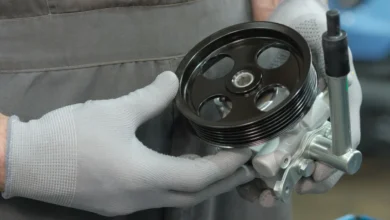
At the heart of the Snook’s Dream Cars closure is an irreplaceable human element: Terry Stetler. For years, Stetler served as the resident mechanical wizard responsible for keeping the museum’s diverse fleet running smoothly. Working on vehicles built in the 1930s, ’40s, ’50s, and ’60s requires a specialized diagnostic intuition that cannot be plugged into a computerized code reader. It demands tactile experience, acoustic awareness, and a deep understanding of carburetors, mechanical ignition systems, and custom fabrication.
When Stetler reached retirement, Jeff Snook initiated a search for a replacement who possessed the requisite knowledge and trustworthiness to oversee the fleet. However, that search proved unsuccessful. In an interview with the Toledo Blade, Snook highlighted the core of the issue, stating that it is becoming increasingly difficult to keep older cars on the road without qualified, skilled, and professional mechanics. In Snook’s assessment, newly minted automotive technicians are thoroughly trained in modern electronic architectures and diagnostic software, but they frequently lack exposure to carburetors and traditional mechanical systems.
This talent deficit is not isolated to Bowling Green. Across the United States and Europe, the classic car industry is grappling with a severe labor shortage. In February 2026, Emily-Sianne Cox, manager at the U.K.-based classic car restoration specialist Clayton Classics, addressed this disparity in an interview with The Financial Times. Cox noted that while there remains a robust and growing market demand for the restoration and maintenance of vintage automobiles, the industry suffers from a critical lack of qualified specialists capable of executing the labor-intensive work.
Chronology of the Museum and Its Final Chapter
The trajectory of Snook’s Dream Cars spans a rich history of community engagement, preservation, and automotive celebration:
- 1960s: Jeff Snook and his father, Bill Snook, successfully restore a Model A Ford, sparking a lifelong collecting and restoration partnership.
- 2002: Snook’s Dream Cars officially opens its doors in Bowling Green, Ohio, designed as an immersive, living automotive museum featuring decades of global car culture.
- 2002–2026: For 24 years, the museum operates successfully, displaying functional classics against curated historical backdrops while participating in local community events.
- Early 2026: Longtime master mechanic Terry Stetler announces his retirement, prompting an exhaustive but ultimately unsuccessful search for a qualified successor.
- September 2026: Jeff Snook publicly announces that the museum will permanently close its doors in October 2026 due to the inability to secure skilled mechanical labor.
- Fall 2026: Partnering with Hagerty, the museum initiates a comprehensive auction block to rehome the vehicles and memorabilia, ensuring the collection remains active and appreciated by new caretakers.
- October 2026: Snook’s Dream Cars officially ceases operations, concluding 24 years of public education and automotive preservation.
The Transition: Passing the Torch via Hagerty Auctions
Rather than placing the vehicles into indefinite storage or allowing the collection to sit dormant, Jeff Snook has opted to disperse the fleet through a specialized partnership with Hagerty, a prominent name in the classic car community. Through the Hagerty Marketplace platform, the museum’s prized possessions are finding new homes where enthusiasts can continue to drive, show, and maintain them.
The auction catalog features an impressive array of automotive history. Among the notable lots are a pristine 1971 Datsun 240Z 5-Speed, a classic 1957 Chevrolet Bel Air Convertible, and even rare collectibles such as a Kaiser Darrin Roadster Pedal Car. Bidding activity highlights sustained market enthusiasm for these vehicles, with the Bel Air and Datsun commanding substantial bids of $48,000 and $30,000, respectively, during the early phases of the auction. This strategic dispersal ensures that while the physical museum space in Bowling Green is closing its chapter, the individual cars will remain operational components of the broader classic car ecosystem.
Broader Industry Implications and the Future of Automotive Heritage
The closure of Snook’s Dream Cars serves as a case study for the wider challenges confronting the heritage transport sector. As internal combustion engines face regulatory shifts and modern vehicles transition toward electrification and autonomous technology, educational institutions are shifting their focus exclusively toward contemporary engineering. Vocational schools rarely dedicate curriculum hours to the intricacies of carburetors, manual transmissions, or vacuum-advance distributors.
Industry analysts point out that preserving automotive history requires treating mechanical restoration not merely as a hobby, but as a recognized trade with formalized apprenticeships. Organizations dedicated to historic vehicle preservation are increasingly pressured to establish mentorship programs that bridge the knowledge gap between retiring veteran mechanics and the younger generation of gearheads. Without deliberate intervention to incentivize and train artisanal mechanics, future generations risk losing the ability to physically operate and maintain the mechanical artifacts of the 20th century.
For the community of Bowling Green, Ohio, the departure of Snook’s Dream Cars marks the loss of a prominent cultural landmark that drew visitors from across the region to celebrate the golden age of motoring. Yet, the legacy established by Bill and Jeff Snook endures. Through their dedication to keeping history alive on public roads for over two decades, they demonstrated that automobiles are more than metal, rubber, and glass—they are mechanical expressions of human ingenuity. As the cars transition to new private collections via Hagerty, the spirit of Snook’s Dream Cars lives on, leaving behind a clear message about the vital importance of protecting the specialized skills required to keep our automotive past moving forward.