The South Korean Automotive Empire: How Hyundai Built a Domestic Monopoly and the Few Independent Rivals That Survived

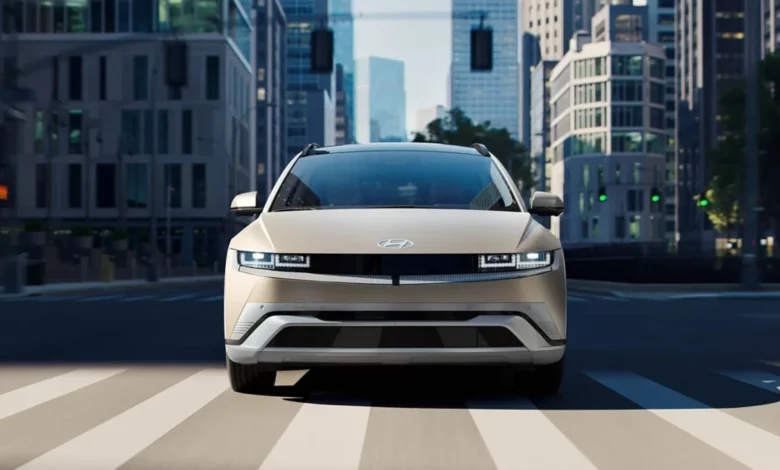
The global automotive landscape is often defined by national flagships: the United States has Ford, Japan relies on Toyota, Germany champions BMW, and South Korea is synonymous with Hyundai. Established in 1967 by visionary industrialist Ju-yung Chung, the Hyundai Motor Company set the foundation for what would become an industrial titan. The inauguration of the Ulsan assembly plant the following year marked the beginning of mass automotive manufacturing in the nation. Through a strategic early partnership with Ford, the Ulsan facility rolled out its very first vehicle, the Hyundai Cortina.
Decades later, that single complex has evolved into the largest integrated automobile manufacturing facility in the world, boasting a staggering annual output of approximately 1.6 million vehicles. Yet, the sprawling manufacturing metrics of Ulsan tell only a fraction of the broader corporate narrative. Today, the Hyundai Motor Group exercises an ironclad grip over the domestic market, stretching its corporate umbrella far beyond the core Hyundai nameplate to encompass prominent sibling brands like Kia and Genesis.
The Consolidation of a Nation’s Car Industry
The modern anatomy of South Korea’s automotive sector is characterized by near-total consolidation under the Hyundai Motor Group. This corporate dominance was largely forged during periods of profound economic turbulence. Kia, historically a fierce domestic rival, found itself casualty to the devastating 1997 Asian financial crisis. Succumbing to immense financial pressure and bankruptcy, Kia was acquired by Hyundai in 1998, a strategic absorption that effectively eliminated Hyundai’s primary domestic competitor and consolidated manufacturing capabilities, supply chains, and engineering talent.
Nearly two decades later, in 2015, Hyundai executed a pivot toward the upper echelons of the global market by launching Genesis as South Korea’s first dedicated luxury brand. Designed to compete directly with established European and Japanese luxury marques like Mercedes-Benz, BMW, and Lexus, Genesis quickly carved out a respected niche in international markets with a lineup characterized by refined styling, advanced technology, and competitive pricing.
With Hyundai, Kia, and Genesis all operating under the same corporate parent, consumer choices in South Korea for homegrown brands were funneled through a single pipeline. Today, Hyundai and Kia command an astonishing 90 percent of South Korea’s total domestic automotive market share. This near-monopoly is sustained by an expansive portfolio that spans entry-level sedans, such as the sharp and stylish Elantra, to versatile utility vehicles like the three-row Palisade SUV. Furthermore, the conglomerate tailors its offerings regionally, producing exclusive models for domestic consumption that never reach Western shores, such as the luxurious Hyundai Grandeur sedan and the rugged, utility-focused Kia Tasman pickup truck.
The Lone Domestic Survivor: KG Mobility
Despite the vast shadow cast by the Hyundai Motor Group, a solitary traditional competitor maintains an independent foothold in South Korea: KG Mobility, formerly known as SsangYong. Established initially in 1954 under a different moniker, the company spent its formative decades producing heavy-duty trucks and buses primarily destined for international export.
A pivotal chapter in the brand’s history began in 1986 when it was acquired by the SsangYong Group. Seeking to elevate its engineering and vehicle refinement, SsangYong forged a technological partnership with Mercedes-Benz in 1991. This collaboration bore fruit in 2001 with the launch of the Rexton, an off-roading SUV underpinned by licensed Mercedes-Benz powertrain and chassis technology. Over the subsequent years, the automaker pivoted heavily toward the production of rugged sport utility vehicles and pickup trucks.
Following turbulent ownership transitions and financial restructuring, the company was acquired by the KG Group, rebranding as KG Mobility to reflect a modern corporate vision centered on electrification and new mobility solutions. Demonstrating its competitive pulse, KG Mobility revealed South Korea’s first-ever domestic electric pickup truck, the Musso EV. In early 2026, KG Mobility captured a commanding 86 percent share of the domestic pickup truck market in South Korea, driven largely by the strong commercial performance of the Musso variant, which recorded steady sales figures following its January market rollout. Rather than fading into obscurity beneath Hyundai’s market dominance, KG Mobility has successfully carved out a resilient, specialized niche focused on rugged utility and alternative-fuel commercial vehicles.
Fallen Pioneers and Global Joint Ventures
While KG Mobility stands today as the sole active domestic rival to Hyundai, the historical ledger of South Korea’s automotive industry features ambitious enterprises that ultimately could not sustain operations. Among the most notable was Oullim Motors, originally founded in the 1990s as Proto Motors by a pioneering husband-and-wife engineering team.
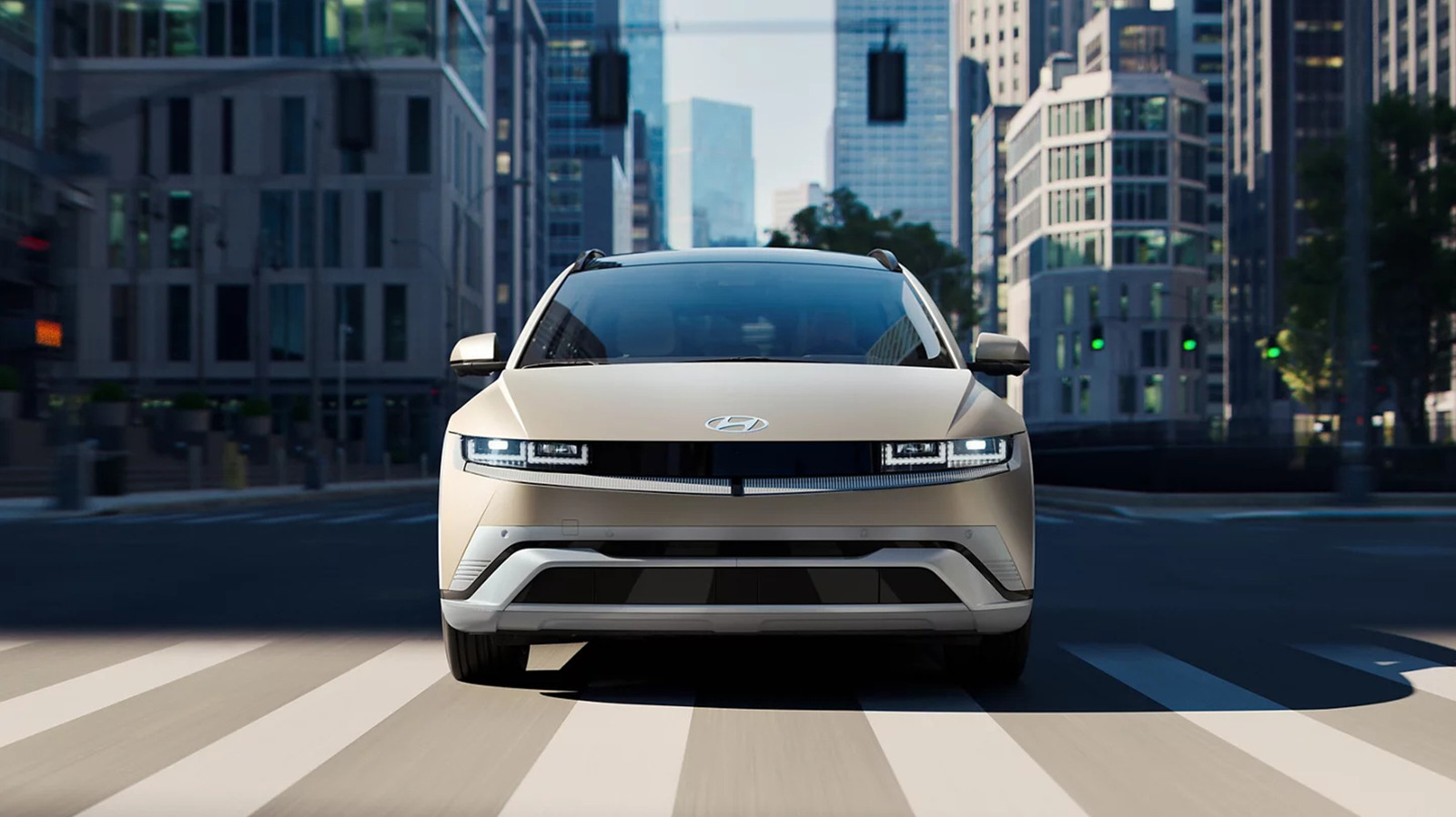
Oullim Motors etched its name into national motoring history by developing the Spirra, widely recognized as the first-ever hand-built supercar originating from South Korea. The mid-engine sports car captured the imagination of domestic automotive enthusiasts and even sparked exploratory discussions regarding an all-electric variant. However, high development costs, limited manufacturing scale, and fierce competition eventually caught up with the boutique manufacturer, and the company has remained inactive since 2016.
Beyond purely indigenous operations, the South Korean automotive ecosystem has long accommodated international joint ventures and global subsidiaries. Entities such as Renault Korea have maintained a continuous manufacturing and retail presence in the country for over two decades, tailoring French-derived designs and platforms to local tastes. Concurrently, GM Korea has operated as a significant industrial player, with strategic initiatives focused on expanding domestic production capabilities and export volumes to global markets.
Chronology of South Korean Automotive History
- 1954: Foundation of the enterprise that would eventually evolve into KG Mobility (formerly SsangYong), initially manufacturing utility trucks and buses.
- 1967: Ju-yung Chung founds the Hyundai Motor Company, laying the groundwork for the nation’s industrial expansion.
- 1968: The Ulsan assembly plant is established. In cooperation with Ford, the facility rolls out its very first vehicle, the Hyundai Cortina.
- 1970s: Hyundai debuts the Pony, recognized as the first independently developed mass-production car in South Korea, signaling the nation’s maturation as an automotive producer.
- 1986: SsangYong acquires the vehicle manufacturer, steering its future toward four-wheel-drive vehicles and SUVs.
- 1991: SsangYong enters into a landmark technical cooperation agreement with Mercedes-Benz, integrating German engines and powertrains into its upcoming models.
- 1990s: Proto Motors (later Oullim Motors) is founded, eventually developing the Spirra, South Korea’s pioneering hand-built supercar.
- 1998: In the wake of the 1997 Asian financial crisis and subsequent bankruptcy, Hyundai acquires its struggling domestic rival, Kia.
- 2001: The Mercedes-Benz-backed Rexton SUV is launched by SsangYong, cementing the brand’s reputation for rugged off-road capabilities.
- 2015: Hyundai launches Genesis as an independent luxury vehicle division, targeting the global premium segment.
- 2016: Oullim Motors ceases active vehicle production and development operations.
- 2023–2026: SsangYong officially rebrands as KG Mobility, launching innovative alternative-fuel utility vehicles like the Musso EV and capturing a dominant share of the domestic pickup market.
- 2025: Hyundai Motor Group reports a monumental annual revenue of $128.4 billion, solidifying its status as one of the world’s most economically powerful automotive conglomerates.
The Architectonic Growth of Hyundai
The meteoric rise of the Hyundai Motor Group cannot be attributed solely to shrewd corporate acquisitions and vehicle assembly volume. The company’s trajectory has been inextricably bound to the rapid modernization and infrastructure development of South Korea itself.
In the formative decades of the nation’s economic miracle, founding chairman Ju-yung Chung played an instrumental role in national infrastructure projects, including the construction of Route 1 in the 1960s—the vital highway artery connecting the economic hub of Seoul to the major port city of Busan. By building the physical roads upon which its vehicles would eventually travel, Hyundai positioned itself at the epicenter of South Korea’s industrialization.
As the country transitioned from an agrarian economy to a technological powerhouse, Hyundai mirrored that evolution. The 1970s introduction of the Hyundai Pony marked a critical psychological and economic milestone, proving that South Korea could design and manufacture a modern automobile independently without relying entirely on foreign licensing agreements.
In the contemporary era, Hyundai has aggressively pivoted toward next-generation mobility. As global markets tighten environmental regulations and accelerate the transition toward clean energy, the conglomerate has invested heavily in battery-electric vehicles, autonomous driving systems, and sustainable transport infrastructure. This forward-looking strategy includes the development and commercialization of advanced hydrogen fuel cell technology, evidenced by Hyundai’s deployment of hydrogen-powered buses and heavy-duty commercial trucks.
Furthermore, the corporation has systematically diversified its technological portfolio far beyond traditional passenger cars. Strategic investments and acquisitions have brought cutting-edge robotics pioneer Boston Dynamics under the Hyundai umbrella, while internal incubator ventures like ZER01NE focus intensely on artificial intelligence, advanced mobility services, and decentralized energy solutions.
Economic Implications and Global Standing
The fiscal realities underscore the sheer magnitude of the modern Hyundai empire. In 2025, the company posted a staggering $128.4 billion in annual revenue, placing it firmly among the most profitable and influential automotive entities on the global stage. This financial muscle allows the group to absorb cyclical market downturns, fund multi-billion-dollar research and development initiatives in electrification and software-defined vehicles, and maintain aggressive pricing strategies across North American, European, and Asian markets.
Industry analysts note that Hyundai’s dominance serves as both a stabilizing force and a point of scrutiny within South Korea’s broader economic ecosystem. While the conglomerate functions as an indispensable engine of national employment, technological innovation, and export revenue, its near-monopoly on domestic manufacturing leaves limited room for organic competition from smaller domestic startups.
Nevertheless, with KG Mobility holding its ground in the utility segment and international joint ventures maintaining a localized presence, the South Korean automotive market continues to exhibit resilience. As the industry races toward an electrified and autonomous future, the strategic decisions made within the boardrooms of Seoul and Ulsan will not only dictate the fortunes of the Hyundai Motor Group but will continue to define the technological trajectory of global mobility.