Sprout Social has long established itself as a premier, high-end platform for social media management, offering a robust suite of analytics, social listening, and engagement tools designed primarily for enterprise-level operations. However, the platform’s pricing structure—starting at $99 per month for solo users and reaching $249 per user per month for teams—has increasingly become a barrier for small businesses, independent creators, and boutique agencies. As digital marketing budgets face heightened scrutiny in the current economic climate, the demand for more cost-effective, agile alternatives has reached a record high.

The evolution of the social media management software market reflects a shift from monolithic, all-in-one "enterprise-only" platforms toward specialized, modular tools. For many organizations, the decision to migrate away from high-cost subscriptions is driven not only by the bottom line but by the need for tools that offer greater usability, faster onboarding times, and more intuitive interfaces. As of late 2024, the market landscape features a diverse array of competitors, each addressing specific pain points ranging from influencer management to cross-channel video optimization.
A Comparative Analysis of Market Leaders
The following data provides a foundational look at the current alternatives, focusing on their primary utility and entry-level price points for those looking to pivot away from Sprout Social.

| Tool | Core Specialization | Starting Price (Monthly) |
|---|---|---|
| Buffer | Flexibility and Ease-of-Use | Free (Paid from $6/channel) |
| Hootsuite | High-Volume Customer Support | $149/user |
| Agorapulse | ROI and Data Reporting | $99/user |
| Sendible | Agency-Specific Workflows | $35 |
| CoSchedule | Integrated Content Marketing | $39 |
| Later | Visual Planning & Influencer Marketing | $25 |
| Metricool | Paid Advertising & Analytics | $25 |
| RecurPost | Video-Heavy Content & Evergreen | $9 |
The Strategic Shift Toward Specialized Tooling
The transition from a centralized enterprise platform to a more specialized tool requires an understanding of where your team spends the most time. For many, the "all-in-one" promise of expensive suites is often overshadowed by features that remain underutilized.
1. Buffer: Prioritizing Accessibility and Growth
Buffer has maintained its position as the leading alternative for small to mid-sized businesses due to its "freemium" model. Unlike many competitors that gate essential features, Buffer’s free tier allows for the connection of three social channels and scheduling capabilities, making it a viable starting point for new creators. For growing teams, the $6-per-channel entry point for the Essentials plan provides a low-risk environment to scale operations without the upfront cost of enterprise licenses.
2. Hootsuite: The Enterprise Standard for Engagement
For teams managing thousands of incoming comments, DMs, and support tickets, Hootsuite remains a direct competitor to Sprout Social. Its integration ecosystem—boasting over 100 apps including Zendesk and HubSpot—allows support teams to treat social media as a genuine customer service channel. While it is one of the more expensive options, its ability to handle complex, high-volume collaborative workflows remains its primary value proposition.
3. Agorapulse: The Analytics-First Approach
Marketing managers tasked with justifying social media spending to stakeholders often find Agorapulse to be the most effective alternative. Its reporting engine is designed to map social activity directly to business outcomes, such as lead generation and sales conversion. By focusing on ROI, it effectively bridges the gap between creative social content and executive-level financial reporting.

4. Sendible: The Agency’s Choice
Agencies managing multiple clients face the unique challenge of maintaining brand identity and data privacy for dozens of disparate entities. Sendible’s "Workspaces" and white-label reporting features are specifically engineered for this. Its pricing model, which allows for unlimited users, removes the typical penalty agencies face as they hire more staff, making it a scalable long-term partner.
5. CoSchedule: Beyond Social Media
CoSchedule operates on the premise that social media is just one component of a broader content strategy. By integrating social scheduling with blog, newsletter, and event calendars, it acts as a central hub for marketing departments. For those who view social media as an extension of a content marketing calendar rather than a siloed function, CoSchedule provides a more holistic view of the organization’s output.

Technical Implications of Platform Migration
Migrating from a legacy system like Sprout Social involves significant logistical considerations. A common concern for digital managers is the potential loss of historical data and active queue content. However, the industry has standardized several "best practices" for this transition.
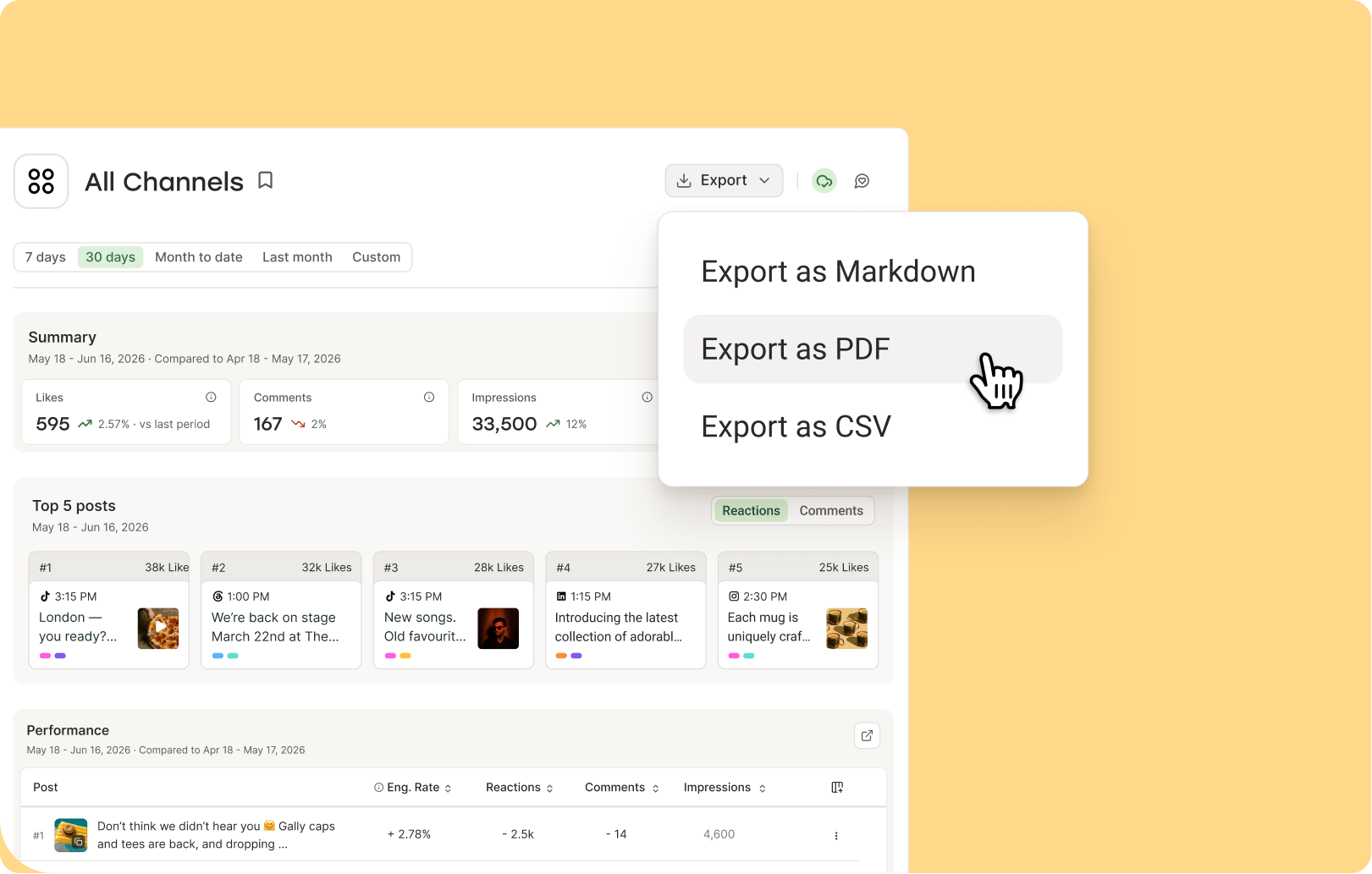
- Queue Preservation: It is recommended to export all scheduled content from the outgoing platform into a CSV format before cancellation. This ensures no gap in posting cadence during the transition.
- Data Archiving: While published posts and performance data can often be synced to new platforms, the depth of historical retrieval varies by tool and social network API limitations. Most experts suggest keeping a local archive of high-value historical reports for compliance and long-term trend analysis.
- API Continuity: When connecting social profiles to a new provider, users must ensure that all tokens are refreshed. Because social platforms like LinkedIn and Instagram frequently update their API policies, newer, more agile tools often provide more reliable, real-time connectivity than older, bulkier software.
Future-Proofing Your Marketing Stack
The current trend in social media management is toward "AI-assisted workflows." Many of the alternatives listed above have integrated generative AI to assist with caption writing, hashtag suggestion, and image creation. For instance, Metricool’s heatmap-style content calendar utilizes data-backed insights to suggest optimal posting times, while RecurPost automates evergreen content cycles, allowing teams to maintain a presence on platforms like TikTok and YouTube with minimal manual intervention.
Evaluating the Cost of Ownership
When selecting an alternative, teams should calculate the "Total Cost of Ownership" (TCO) rather than just the monthly subscription fee. This includes:
- Onboarding Time: How many hours will the team spend training on the new interface?
- Integration Costs: Does the tool require third-party plugins to match the functionality of the previous platform?
- User Scaling: How does the price change when you add your fifth, tenth, or twentieth team member?
As market saturation increases, the differentiation between these platforms continues to sharpen. The "best" tool is no longer defined by the highest number of features, but by the efficiency with which a tool solves the specific constraints of the user—whether that is a solo creator needing an aesthetic feed planner or a global agency needing a robust, white-labeled client portal.

The move away from Sprout Social is not merely a cost-cutting exercise; it is an opportunity for organizations to audit their workflows, eliminate underused tools, and adopt systems that align more closely with their specific, long-term growth objectives. Whether you prioritize deep ROI analytics, high-volume engagement, or cross-platform content management, the current market offers a level of specialization that was unavailable only a few years ago. By conducting a pilot test with a 14-day trial, teams can ensure that their chosen platform is not just a replacement, but an upgrade to their existing operational efficiency.