Ohuhu Early Black Friday Art Supply Sales Offer Significant Discounts for Creative Professionals and Hobbyists

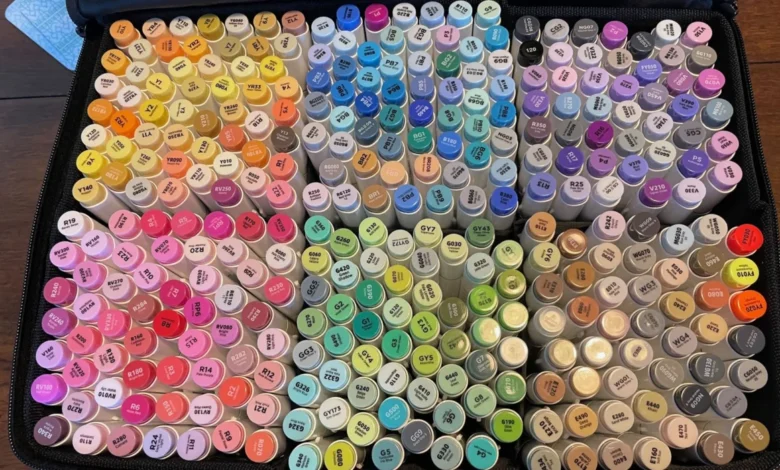
As the holiday shopping season approaches, the retail landscape for professional-grade art supplies has shifted, with major manufacturers launching aggressive early-bird promotions. Ohuhu, a brand that has gained significant market share among illustrators, designers, and hobbyists, has initiated a series of discounts across its flagship product lines. These price adjustments, which arrive ahead of the traditional Black Friday period, reflect a broader industry trend of extending holiday sales windows to capture consumer interest before the peak of late November shopping.
Current Market Promotions and Pricing Adjustments
The most notable reduction in the current promotional cycle involves the 48-count pack of refillable Kahuku acrylic paint markers. The price has been adjusted from an established retail point of $34.99 to $25.99, representing a 26% decrease. These markers, which feature direct-ink technology, have become a staple for mixed-media artists due to their versatility on non-porous surfaces, including ceramics, glass, plastic, and treated wood.
Parallel to the acrylic line, the company has implemented a 15% discount on its Honolulu alcohol-based markers. This set, which utilizes a dual-tip design featuring both brush and chisel nibs, is frequently cited in industry reviews as a high-value alternative to more expensive professional markers. By offering these discounts, Ohuhu is positioning its catalog to compete directly with established legacy brands that typically dominate the professional illustration market.
Beyond these specific product discounts, the company is utilizing a tiered incentive structure on its global storefront. Until November 30, customers can access volume-based savings: 15% off orders exceeding $169, 20% off orders over $269, and 25% off orders surpassing $329. This strategy serves two primary functions: it encourages higher-volume purchases by professional studios and educational institutions, and it manages inventory turnover for the upcoming fiscal year.
The Evolution of the Art Supply Market
To understand the significance of these sales, it is necessary to examine the evolution of the art materials market over the last decade. Historically, high-quality alcohol markers were prohibitively expensive for students and casual hobbyists, often retailing at prices that limited access to professional-grade tools. The entry of brands like Ohuhu into the market has democratized access to these instruments.
By leveraging direct-to-consumer sales channels and digital-first marketing, these manufacturers have bypassed traditional retail markups. This shift has forced a recalibration of pricing across the industry. Professional artists, who once relied exclusively on high-cost Japanese or European brands, now frequently integrate more affordable alternatives into their workflows for color-heavy projects, such as storyboarding, concept art, and architectural rendering.
The current promotional surge is not an isolated event but a response to the "Black Friday" phenomenon that has evolved into a month-long retail event. Data from market analysts suggests that consumer spending on creative supplies typically peaks in the fourth quarter, driven by gift-giving and the pursuit of creative hobbies as indoor activities increase during colder months.
Comparative Analysis of Marker Technologies
When considering the utility of the markers currently on sale, it is important to distinguish between the two primary technologies being offered: acrylic paint markers and alcohol-based ink markers.
Acrylic paint markers, such as the Kahuku line, utilize pigment suspended in an acrylic polymer emulsion. Once dry, these markers are opaque, water-resistant, and lightfast. They are particularly favored for street art, customization of personal items, and crafts that require layering colors on top of one another without the base layer bleeding through. The refillable nature of the current sale items also points to a sustainability trend, as users can purchase replacement ink rather than discarding the entire plastic casing, addressing a long-standing criticism of disposable art supplies.
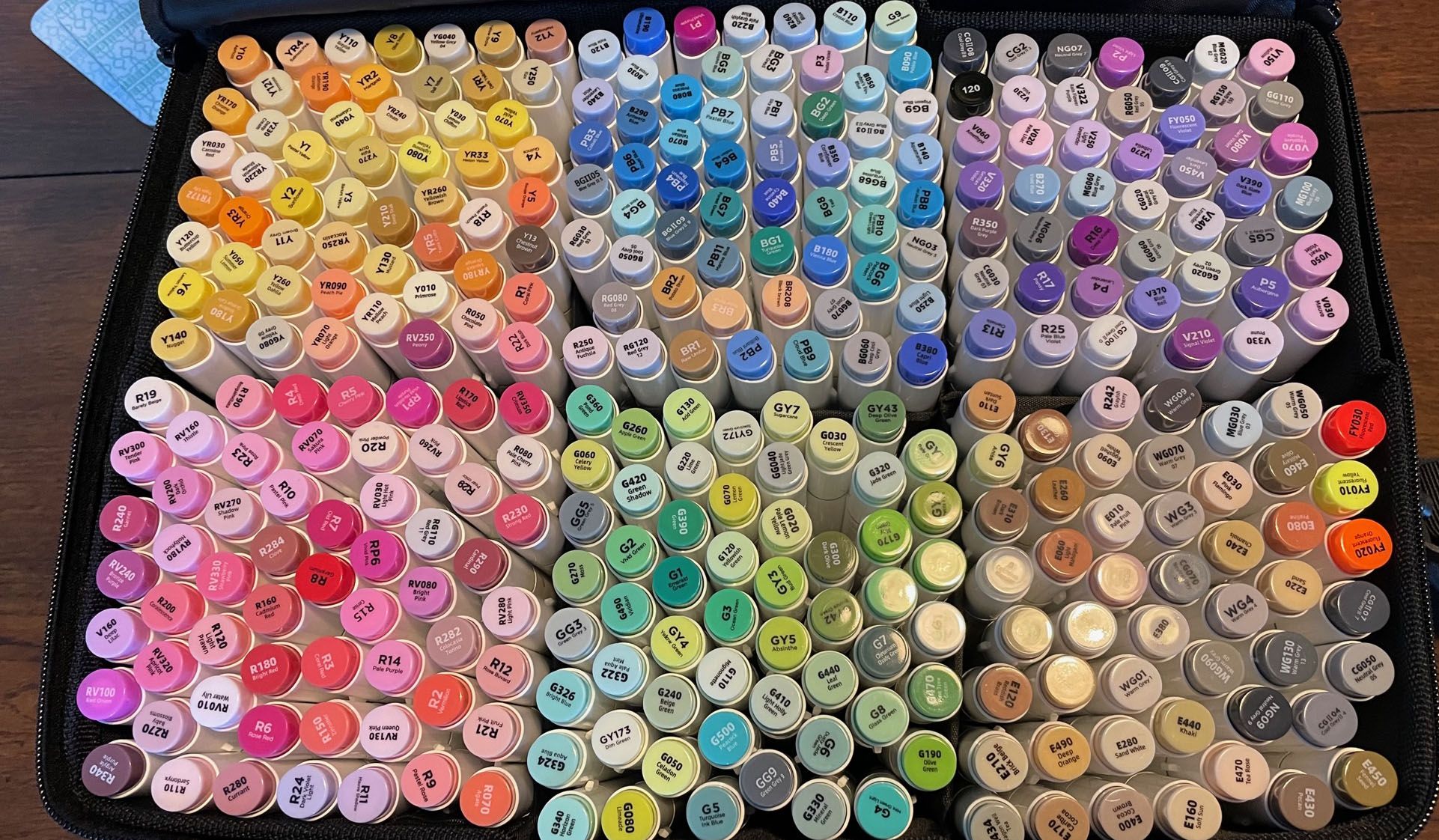
Conversely, alcohol-based markers like the Honolulu series utilize a solvent-based ink that is translucent and designed for blending. These tools are the industry standard for traditional illustration, fashion design, and manga production. The ability to layer colors to create smooth gradients is a hallmark of professional work, and the inclusion of brush and chisel nibs provides the necessary flexibility for both broad coverage and fine detail. The 15% discount on these sets is strategically targeted at the student demographic, which requires high quantities of ink for academic coursework and professional portfolios.
Strategic Implications for Creative Professionals
The decision to offer deep discounts during the pre-Black Friday window carries several implications for the professional art community. For independent studios and freelance artists, these sales represent an opportunity to replenish essential supplies at a lower cost-of-goods-sold. In an economic environment characterized by inflation, the ability to procure reliable tools at a reduced price point allows artists to maintain their profit margins on commissioned work.
Furthermore, the focus on bundle pricing suggests that the manufacturer is targeting the educational sector. Art teachers and program directors, who often operate on fixed budgets, are primary beneficiaries of volume-based discounts. By securing 25% off larger orders, educational institutions can equip more students with professional-grade tools, effectively bridging the resource gap that often exists in art education.
Chronology of Retail Trends
The current sales cycle follows a predictable timeline that has emerged over the last five years:
- Early October: Initial "teaser" sales begin to gauge consumer interest and test logistics.
- Early November: Expansion of inventory availability and the introduction of tiered discounts to incentivize larger, multi-item carts.
- Late November (Black Friday/Cyber Monday): The height of promotional activity, where the most significant discounts are usually applied to core product lines.
- Early December: The shift toward shipping logistics and final order deadlines to ensure holiday delivery.
By participating in this timeline, Ohuhu is effectively aligning its supply chain with global consumer demand. This methodology allows for better inventory management, as the company can clear out older stock to make room for new product lines scheduled for the upcoming spring season.
Looking Toward Future Developments
Industry observers note that the art supply sector is currently in a state of rapid innovation. Beyond mere price competition, brands are focusing on the longevity of products, the eco-friendliness of packaging, and the integration of digital tools. The move toward refillable markers is a direct response to consumer demand for more sustainable practices in the arts.
As we look toward the remainder of the year, it is expected that other major art supply retailers will follow suit, potentially leading to a period of intense price competition. For the end-user—whether they are a professional illustrator in a major studio or a student experimenting with new mediums—this competition serves as a vital benefit, ensuring that the barriers to entry for high-quality creative work remain as low as possible.
While the current offers on Ohuhu markers provide a clear financial advantage, professionals are advised to review their specific project needs before purchasing. Assessing the required volume of ink, the necessity of specific color palettes, and the compatibility of the markers with the intended surface materials remains the most critical step in making an informed purchasing decision. As the industry continues to move toward more accessible, high-performance tools, the current sales landscape offers a clear window into how modern retail strategies are shaping the creative output of the next generation of artists.