Aftershoot Launches Major Black Friday 2026 Savings Event for Professional Photography Workflows

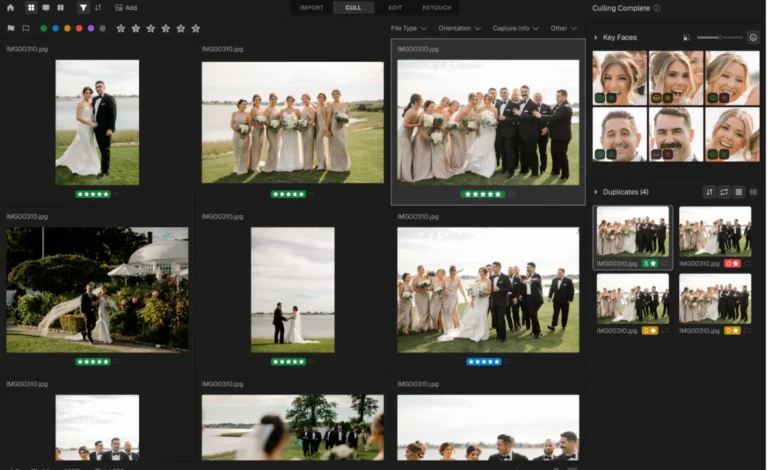
The professional photography industry is currently undergoing a significant technological shift as AI-driven automation becomes a standard component of the post-production workflow. To mark the 2026 Black Friday shopping season, Aftershoot has officially launched a comprehensive promotional campaign aimed at reducing the barrier to entry for its suite of culling, editing, and retouching tools. The promotion, which runs through November 27, 2026, provides aggressive discounts on all annual subscription plans, catering to photographers who manage high-volume event, wedding, and portrait sessions.
The primary offer consists of a tiered discount structure. The first 500 customers who sign up for an annual subscription will receive a 25% discount on any plan. Once this initial early-bird quota is exhausted, the discount shifts to a flat 20% reduction for the remainder of the sale period. These savings are applied automatically at checkout through the designated portal at aftershoot.co/blackfridaydeal.
Financial Breakdown and Subscription Structure
Aftershoot’s pricing strategy is built on a modular, subscription-based model that avoids the per-image fees common among many of its competitors. By opting for an annual commitment during this Black Friday window, users can achieve significant cost predictability. For instance, the premium Complete plan, which typically retails for $540 per year, is reduced to $405 for the first 500 early-bird subscribers. This represents a substantial saving when compared to the aggregate cost of monthly subscriptions.
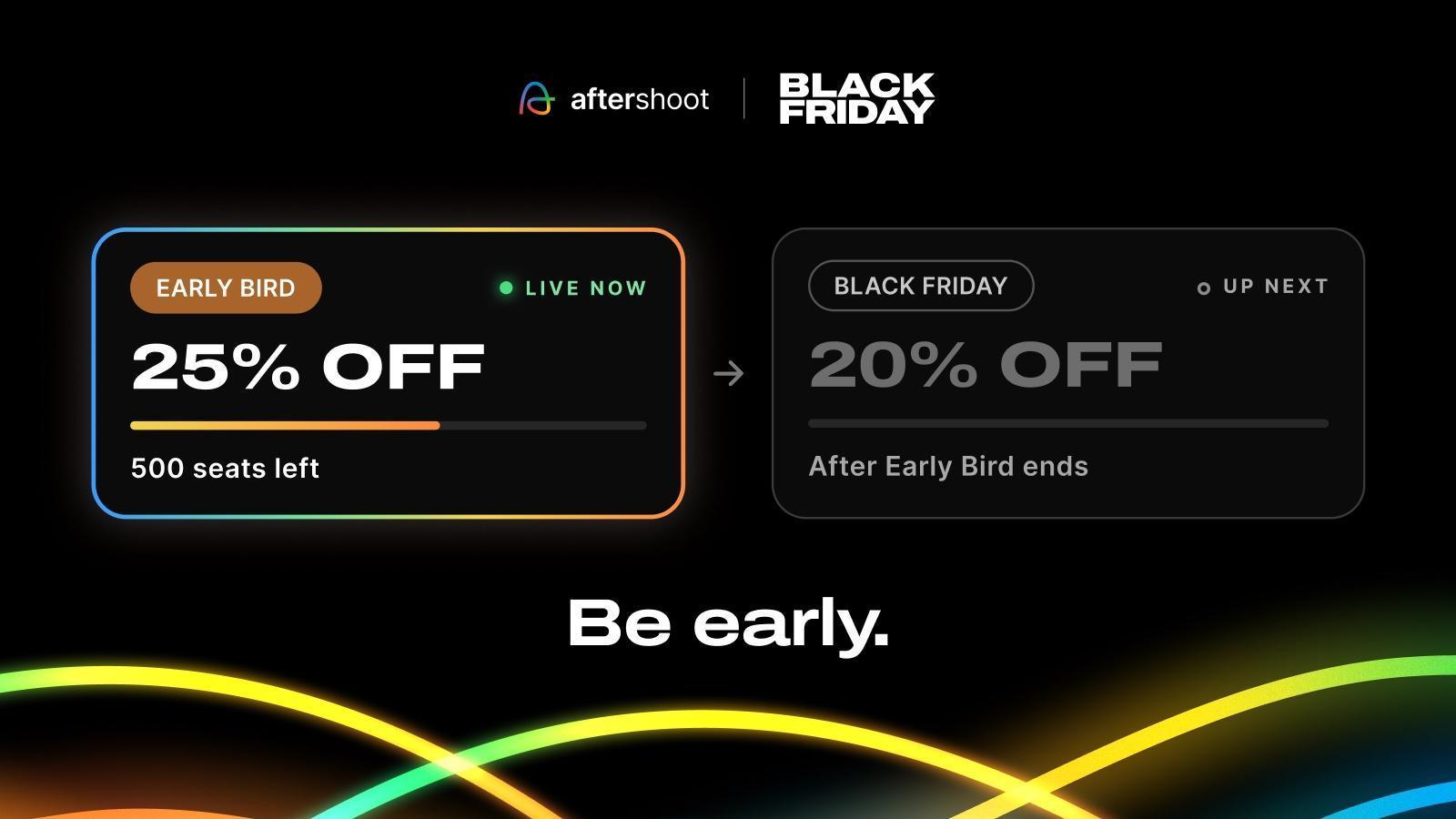
To put these figures in perspective, the standard monthly cost for the Complete plan is $55, totaling $660 annually. By securing the early-bird promotional rate, photographers are effectively reducing their annual expenditure on professional-grade AI software by $255—a margin that holds considerable weight for independent contractors and small studio owners managing tight operational budgets.
The promotional pricing is segmented across four distinct tiers:
- Select: Focused on AI-powered image culling.
- Edit: Designed for automated stylistic adjustments.
- Retouch: Specialized in portrait and skin correction.
- Complete: A bundle of all three modules, representing the most comprehensive value proposition.
Additionally, the company is incentivizing the adoption of its Galleries client delivery platform. Customers who purchase an eligible annual plan during the sale are granted access to the Galleries add-on for a flat fee of $25 per year, which includes 100 GB of secure cloud storage. For users requiring higher storage capacities, Aftershoot has further discounted its premium storage tiers by 25%.
The Evolution of the AI-Driven Workflow
The rise of AI in photography has been characterized by a transition from cloud-dependent processing to local, high-performance computing. Historically, early iterations of AI editing software required users to upload thousands of high-resolution RAW files to a server, resulting in significant latency issues and additional costs for cloud bandwidth. Aftershoot distinguishes its operational model by keeping all processing local to the user’s hardware. This design choice addresses two critical industry pain points: privacy and latency. By processing data on the local machine—whether a macOS or Windows system—photographers retain total control over their assets and avoid the bottleneck of internet upload and download speeds.
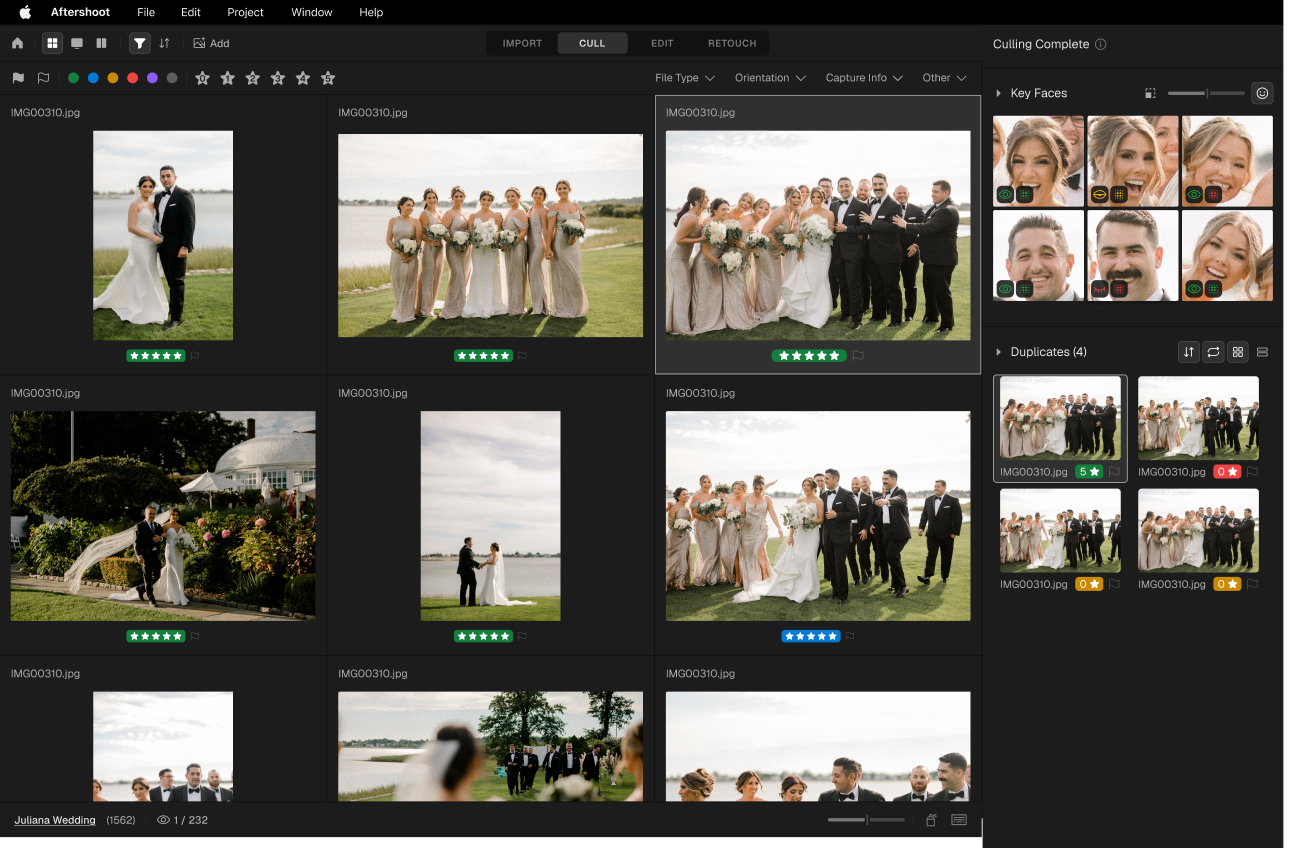
The software functions as an extension of existing industry-standard applications. Aftershoot does not aim to replace tools like Adobe Lightroom Classic, Capture One, Photo Mechanic, or Adobe Bridge; rather, it acts as a pre- and post-processing engine. The AI-generated edits are delivered as adjustable metadata settings. This is a crucial distinction for professional photographers, as it ensures that the "baked-in" nature of traditional AI filters is avoided. Users retain the ability to manually adjust exposure, white balance, or color grading after the AI has completed its initial pass.
Comparative Analysis: The Cost of Automation
When evaluating the market, the distinction between "flat-rate" and "per-image" pricing models becomes the primary differentiator. Competitors such as Imagen operate on a per-photo consumption model, often charging approximately $0.05 per image with additional monthly minimums. For a high-volume wedding photographer who might capture between 4,000 and 6,000 images per event, the per-photo model creates a variable cost that is difficult to project.
In contrast, Aftershoot’s unlimited, flat-rate pricing provides a fixed overhead. Whether a photographer is processing a 300-image headshot session or a 7,000-image multi-day destination wedding, the subscription cost remains identical. This predictability allows studio owners to better calculate their cost-per-job and adjust their service pricing accordingly.
Strategic Implementation for Photographers
Industry experts suggest that the "Select" module is currently the most popular entry point for event photographers. Given that culling—the process of sorting through thousands of photos to find the best shots—is often cited as the most time-consuming phase of the workflow, automating this task provides an immediate return on investment. At the discounted price of $90 per year, the Select module effectively pays for itself if it saves a photographer even a few hours of labor per month.
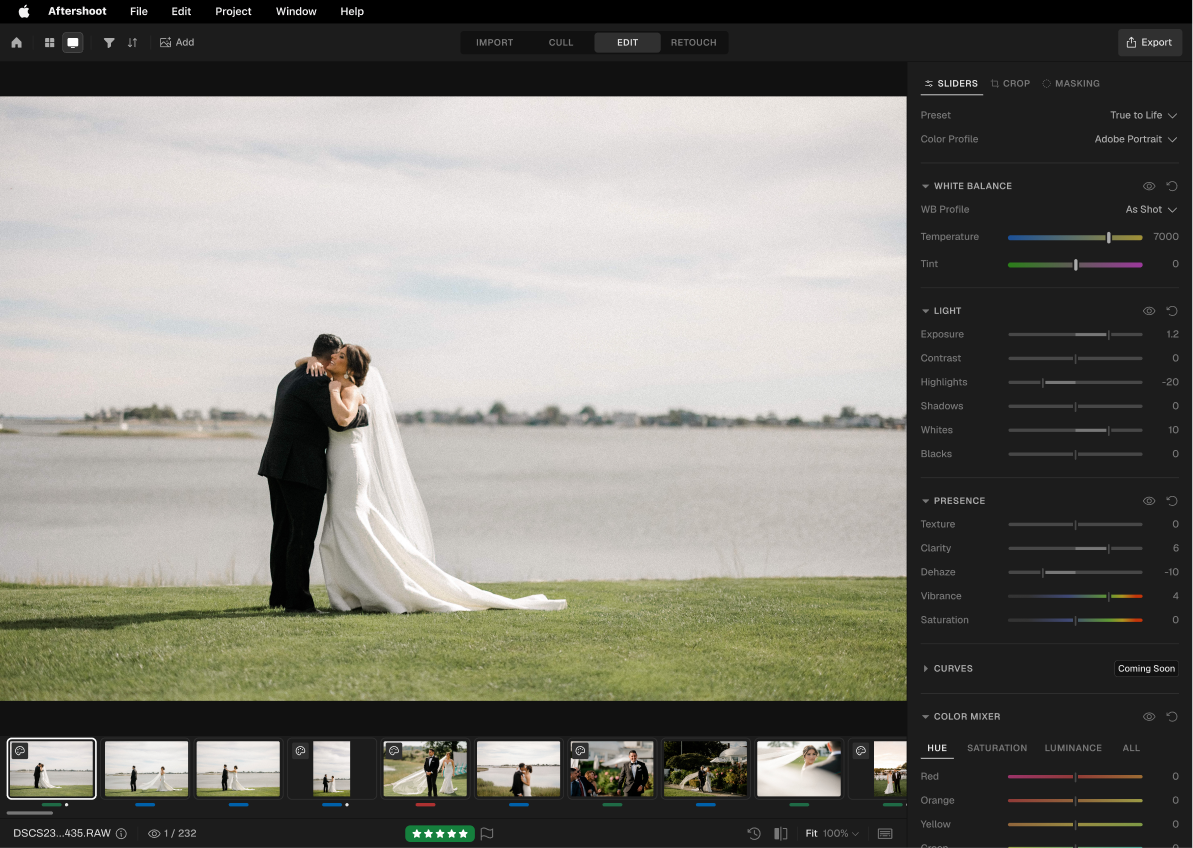
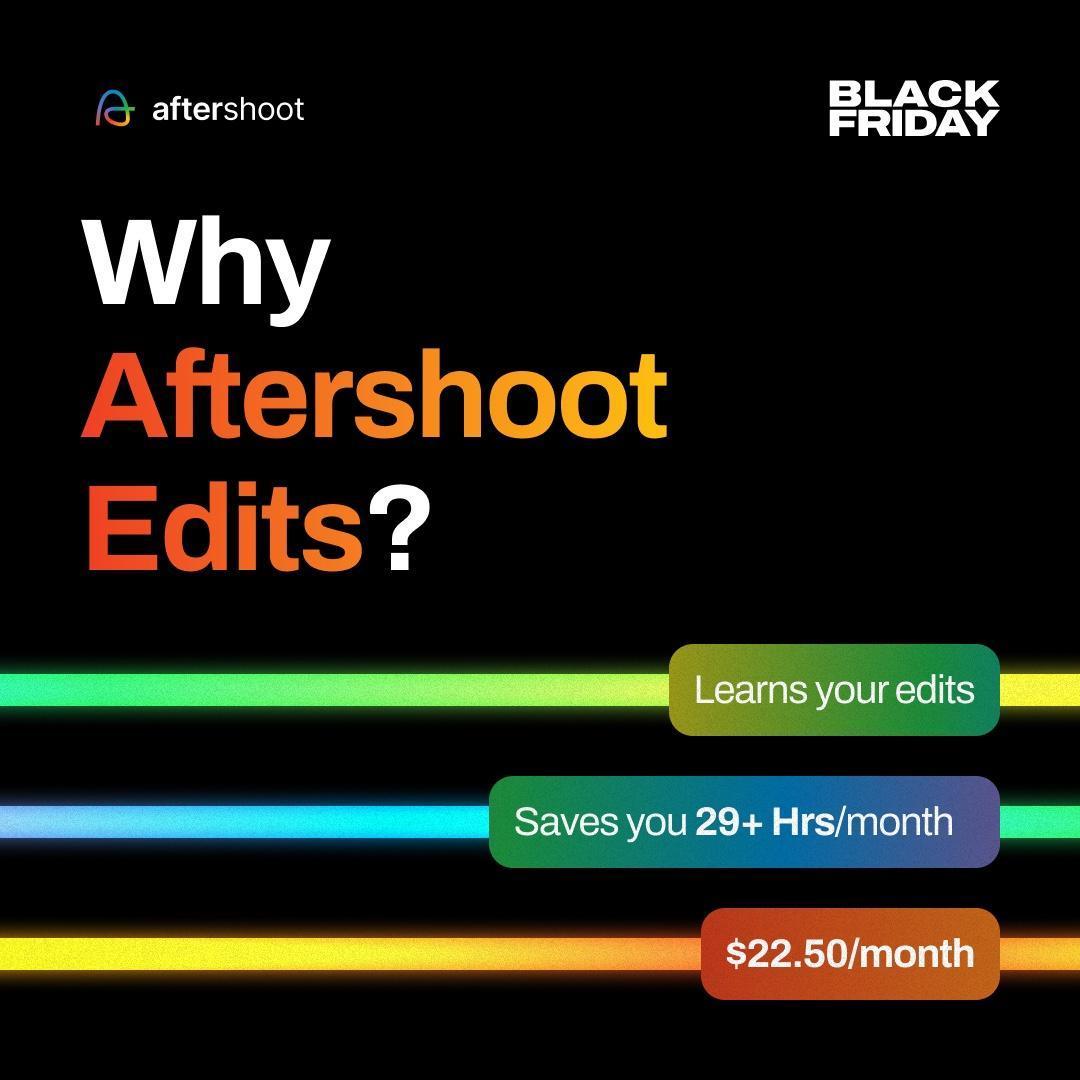
The "Edit" module, meanwhile, relies on the user’s historical data. The AI learns from a photographer’s past edits to replicate their unique aesthetic. For professionals who lack a deep archive of edited work, the company provides a Marketplace featuring over 30 AI styles created by established professional photographers. This allows newer photographers to achieve high-end, consistent results while they build their own catalog of stylistic preferences.
Technical Considerations and System Requirements
While the software is designed to be accessible, it is not without hardware prerequisites. Because the AI models run locally, the performance of the software is tethered to the specifications of the host computer. Aftershoot recommends a minimum of 8 GB of RAM, though professional users managing large catalogs typically require 16 GB or more to maintain smooth performance during bulk processing.
Furthermore, the efficacy of the AI is inherently tied to the quality of the input. In the initial weeks of using the Edit module, users should expect a period of "calibration." As the AI learns the specific nuances of the user’s editing style, minor manual adjustments may be necessary. Over time, as the software ingests more consistent data, the need for human intervention decreases.
Broader Implications for the Photography Industry
The decision to offer deep discounts during the 2026 holiday season reflects a broader trend of commoditization within the AI software space. As more developers enter the market, the competitive advantage is shifting from "AI capability" to "workflow integration" and "cost transparency."
By offering a low-cost, all-in-one suite, Aftershoot is positioning itself as an essential utility rather than a luxury add-on. This strategy is likely designed to capture market share from traditional editing houses and manual culling services. For the freelance community, this transition marks a definitive shift where the value proposition of a photographer is increasingly centered on creative direction and client interaction, while the repetitive, technical aspects of post-production are relegated to automated background processes.
Guidance for Prospective Users
For photographers who have not yet utilized AI in their workflow, the current sale presents an opportunity to test the software at a reduced risk. The company continues to offer a 30-day free trial, which, when combined with the Black Friday pricing, allows for a comprehensive assessment of the tool against the user’s specific workflow requirements.
Prospective subscribers are encouraged to audit their current annual software expenditures. For those who find that culling and basic editing currently consume more than 20 to 30 hours per month, the potential for time reclamation is high. As noted in industry benchmarks, the average user of the "Edit" module reports saving approximately 29 hours of labor per month. When scaled across a full year, this equates to more than 340 hours of recovered time—a significant asset for any business owner looking to expand their service offerings or improve their work-life balance.
In summary, the Aftershoot Black Friday 2026 event provides a measurable financial incentive for professional photographers to modernize their post-production pipeline. By prioritizing local processing, unlimited image volume, and fixed annual pricing, the platform remains a formidable contender in the rapidly evolving landscape of professional imaging software.