Netflix Launches New Whats Hot Hub Page as Streaming Giant Overhauls Content Discovery Strategy

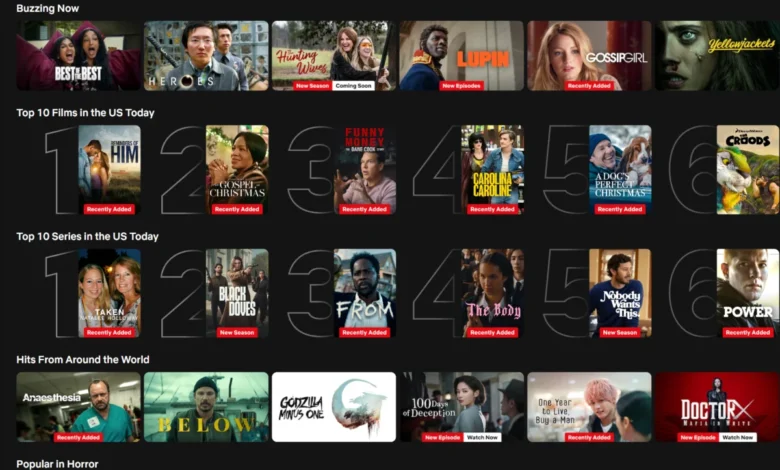
Netflix has officially introduced a dedicated "What’s Hot" hub, a centralized destination designed to highlight trending content across its global library. Accessible via the platform’s browser interface and integrated into mobile and television applications, the hub represents a significant departure from the algorithmic, personalized homepages that have defined the Netflix experience for over a decade. By prioritizing real-time popularity metrics over speculative machine-learning recommendations, the company is signaling a shift toward a more transparent, data-driven approach to viewer engagement.
This new interface, which currently appears to be in a limited rollout phase primarily within the United States, features a prominent "HOT" wordmark and a series of rows categorized by immediate audience interest. The launch follows a period of experimentation with platform architecture, including recent tests involving sidebar navigation menus and modular content displays on smart TV interfaces.
A Shift in Discovery Philosophy
Since 2020, Netflix has relied heavily on the "Top 10" daily lists to anchor user interest and provide a sense of urgency. The "What’s Hot" hub expands upon this framework by moving beyond simple numbered lists to incorporate a broader spectrum of momentum-based data. Unlike the standard Netflix homepage—which utilizes complex, opaque algorithms to curate mood-based "Because you watched" collections—the "What’s Hot" page is explicitly designed to minimize human or algorithmic "curation" in favor of raw behavioral data.
The hub aggregates content based on regional popularity, genre-specific performance, and "buzz" metrics. By doing so, the platform is effectively placing licensed content on equal footing with its flagship Originals. Data from the initial rollout indicates that popular licensed series—such as The Neighborhood, Hannibal, Power, and Gossip Girl—are receiving prominent placement alongside high-budget Netflix productions. This leveling of the playing field suggests a strategic move to maximize the value of licensed acquisitions, which often have high retention rates but historically suffered from lower visibility compared to the marketing-heavy Netflix Originals.
Chronology of Recent Interface Iterations
The debut of the "What’s Hot" hub is the latest in a rapid series of updates to the Netflix user experience. Over the past month, the platform has accelerated its deployment of dedicated content destinations, indicating a broader shift toward a "hub-centric" design philosophy.
- Early November 2026: Netflix initiates a comprehensive testing phase for a new TV application interface, emphasizing "modules"—standardized, data-rich rows that can be rearranged dynamically based on regional trends.
- Mid-November 2026: The company launches the KPop Demon Hunters fan hub. This verticalized destination serves as a template for future content-specific hubs, aggregating the film itself, auxiliary content like sing-along versions, behind-the-scenes choreography breakdowns, and spin-off stop-motion series.
- November 12, 2026: The "What’s Hot" hub begins appearing for a subset of users, providing a bird’s-eye view of trending content that transcends individual taste profiles.
These developments align with the company’s ongoing efforts to solve the "paradox of choice." As the platform’s library has grown into the thousands of titles, user fatigue—often described as "scrolling paralysis"—has become a significant metric of concern for streaming services. By creating these dedicated portals, Netflix is attempting to guide viewers toward consensus-driven content, thereby reducing the time spent searching for a title to watch.
Data-Driven Content Architecture
The structure of the "What’s Hot" hub is almost entirely dependent on quantitative analysis rather than qualitative editorializing. By categorizing content into groups such as "New Season," "New Episode," "Recently Added," and "Leaving Soon," the platform provides viewers with context that is often lost in the standard browsing grid.
Industry analysts suggest that this move is a calculated response to the saturation of the streaming market. With competitors like Disney+, Max, and Amazon Prime Video also refining their discovery tools, the ability to surface content that is currently part of the cultural zeitgeist is a key competitive advantage. The "What’s Hot" hub functions as a live pulse of the platform, allowing Netflix to capitalize on "water cooler moments" where millions of users are engaging with the same title simultaneously.
From a technical perspective, the hub leverages the "module" infrastructure Netflix has been testing for its television apps. These modules act as interchangeable building blocks, allowing the platform to swap out rows based on performance data without requiring a full system update. This flexibility is essential for a global service that must accommodate varying cultural trends in different territories.
Strategic Implications and Market Context
The move toward centralized hubs is not without historical precedent at Netflix. For years, the company has utilized branded hubs for major creative partners like Shondaland and Ryan Murphy, as well as highly specific, often esoteric, genre collections. However, the current transition is distinct in its scale and focus on mass appeal.
By shifting away from the "endless scroll," Netflix is acknowledging that its proprietary recommendation engine, while revolutionary in the early 2010s, may no longer be the most efficient way to capture the attention of a distracted audience. In an era of shorter attention spans and high competition for leisure time, the "What’s Hot" page acts as a filter, offering a "greatest hits" approach that appeals to the casual viewer who may not have a specific genre preference.
Furthermore, the prominence given to licensed titles within the hub indicates that Netflix is working to maximize the return on investment for non-original content. While Original programming remains the primary driver of new subscriptions, licensed content is essential for sustaining long-term engagement. By highlighting these titles in a "trending" context, Netflix ensures that its entire library—not just the latest blockbuster release—remains active in the minds of its subscribers.
Future Directions for Discovery
While the "What’s Hot" hub is currently a welcome addition for users seeking trending content, there is room for further development. Feedback from early adopters suggests that the hub could be improved by providing more granular data, such as global popularity maps or "trending in your city" features. Additionally, the inclusion of numbered lists within each genre category could provide the clarity that users currently lack when browsing the standard interface.
As Netflix continues to iterate on this design, the broader industry will be watching to see if this "hub-first" strategy translates into improved retention metrics. If successful, it is highly likely that we will see the expansion of these specialized destinations to include more niche interest groups, seasonal events, and perhaps even interactive features that allow users to influence the trends themselves.
For now, the "What’s Hot" hub stands as a testament to the evolving nature of streaming television. It is a transition from a service that tells you what you should like, based on your past behavior, to a service that shows you what the world is watching, reflecting a communal viewing experience that had once been lost to the era of on-demand streaming. Whether this will ultimately replace the traditional, personalized homepage remains to be seen, but it is clear that Netflix is betting on the power of the "hot" list to keep its massive, diverse audience engaged in an increasingly crowded digital landscape.