Morley and DOD Collaboration Results in the WTF Wah-ocTo-Fuzz Multi-Effect Pedal

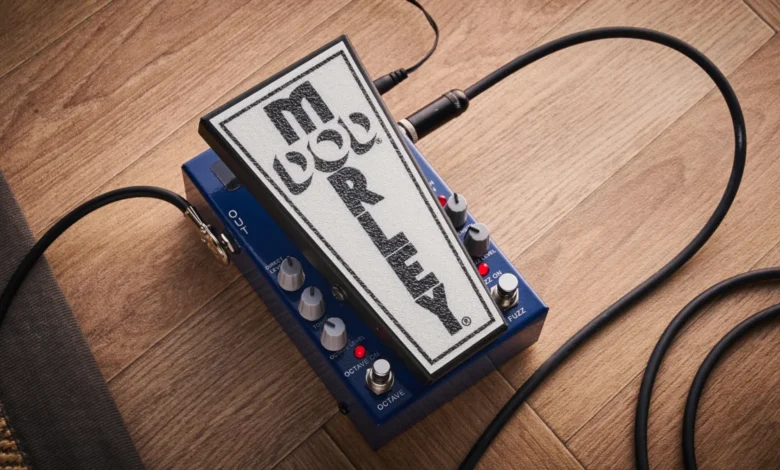
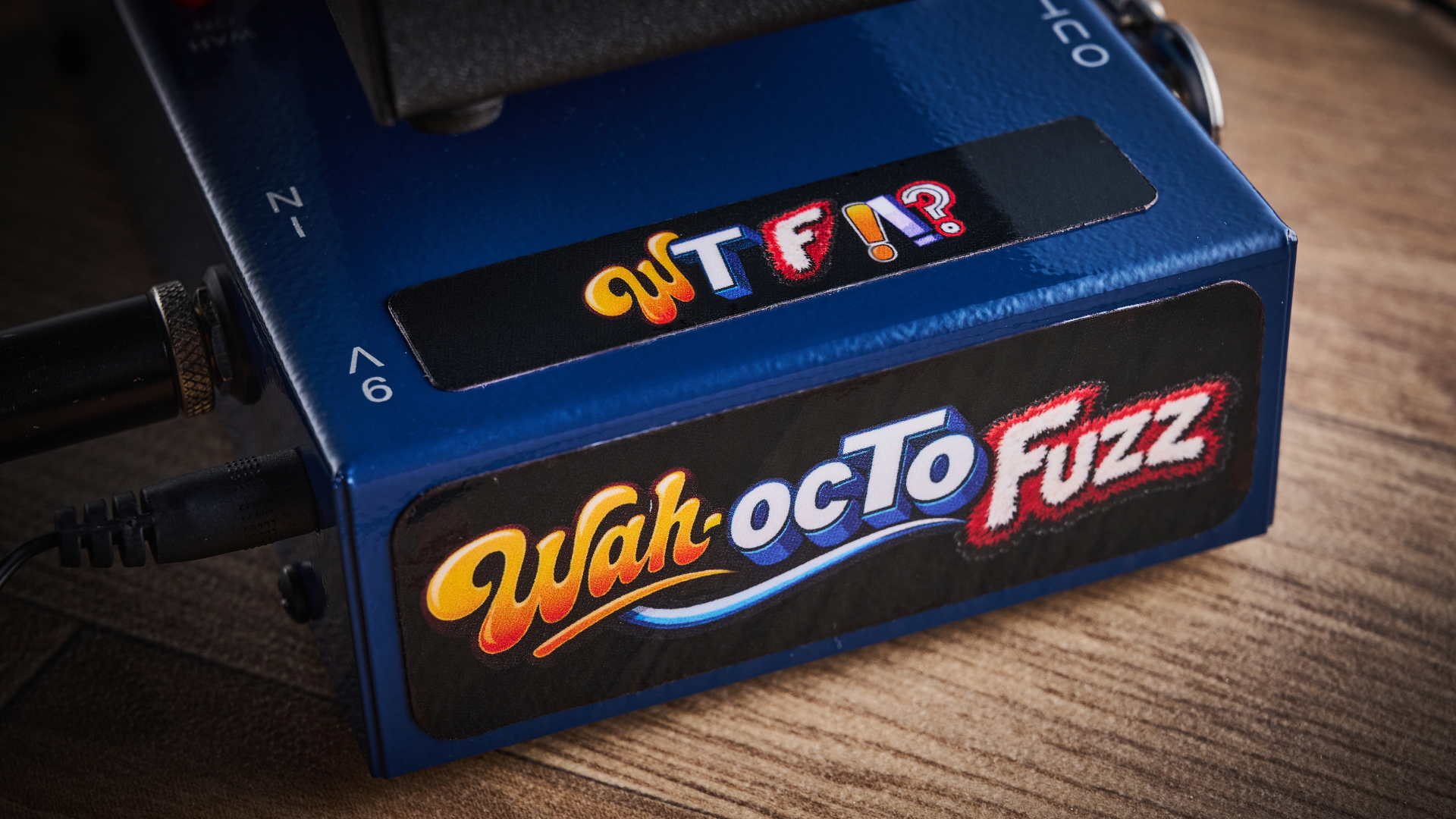
The music equipment industry has entered an era defined by high-profile collaborations, where legacy manufacturers merge their proprietary technologies to create hybrid products that cater to a modern market hungry for both vintage character and contemporary reliability. The latest entry into this collaborative landscape is the Morley x DOD Wah-ocTo-Fuzz, colloquially and officially referred to as the "WTF." This unit represents a strategic partnership between Morley, an Illinois-based pioneer in optical wah technology, and DOD, a brand synonymous with the American boutique pedal movement of the 1970s and 80s, now operating under the stewardship of Cor-Tek. By integrating Morley’s signature electro-optical wah circuitry with DOD’s cult-classic FX35 Octoplus and Morley’s own Power Fuzz circuit, the WTF attempts to provide a comprehensive "three-in-one" solution for guitarists and bassists seeking aggressive, textured tonal palettes.
The Landscape of Professional Pedal Collaborations
The emergence of the Morley x DOD WTF is part of a broader trend of industry "tag-teaming" that has gained significant momentum over the last decade. Historically, pedal companies operated in silos, guarding their circuit designs with litigious fervor. However, the success of the Boss and JHS partnership for the JB-2 Angry Driver demonstrated that combining two distinct brand identities into a single enclosure could drive significant consumer interest. This was followed by the Bliss Factory, a collaboration between Chase Bliss and Z-VEX, and the MXR Duke of Tone, which brought Analog Man’s highly sought-after overdrive to a mass-produced format.
The Morley and DOD partnership is particularly noteworthy due to the distinct heritage of both brands. Morley, founded in the 1960s as Tel-Ray Electronics, revolutionized the wah-wah market by replacing traditional, wear-prone potentiometers with electro-optical sensors. DOD, founded by David Oreste Di Francesco and John Johnson in 1973, became a staple of the 1980s and 90s pedalboard with its FX series. The WTF serves as a bridge between these two legacies, utilizing Morley’s robust hardware format to house a mix of circuits that defined different eras of rock and metal history.
Technical Specifications and Design Architecture
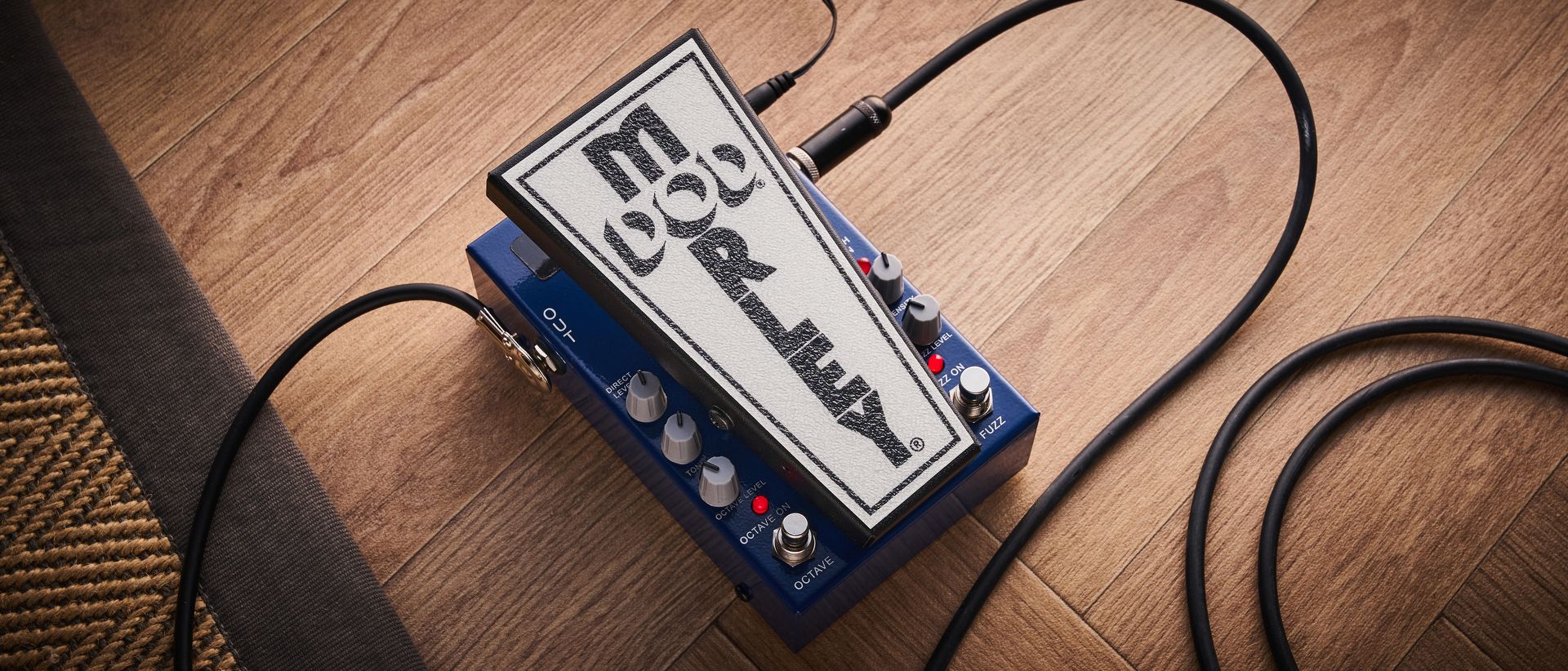
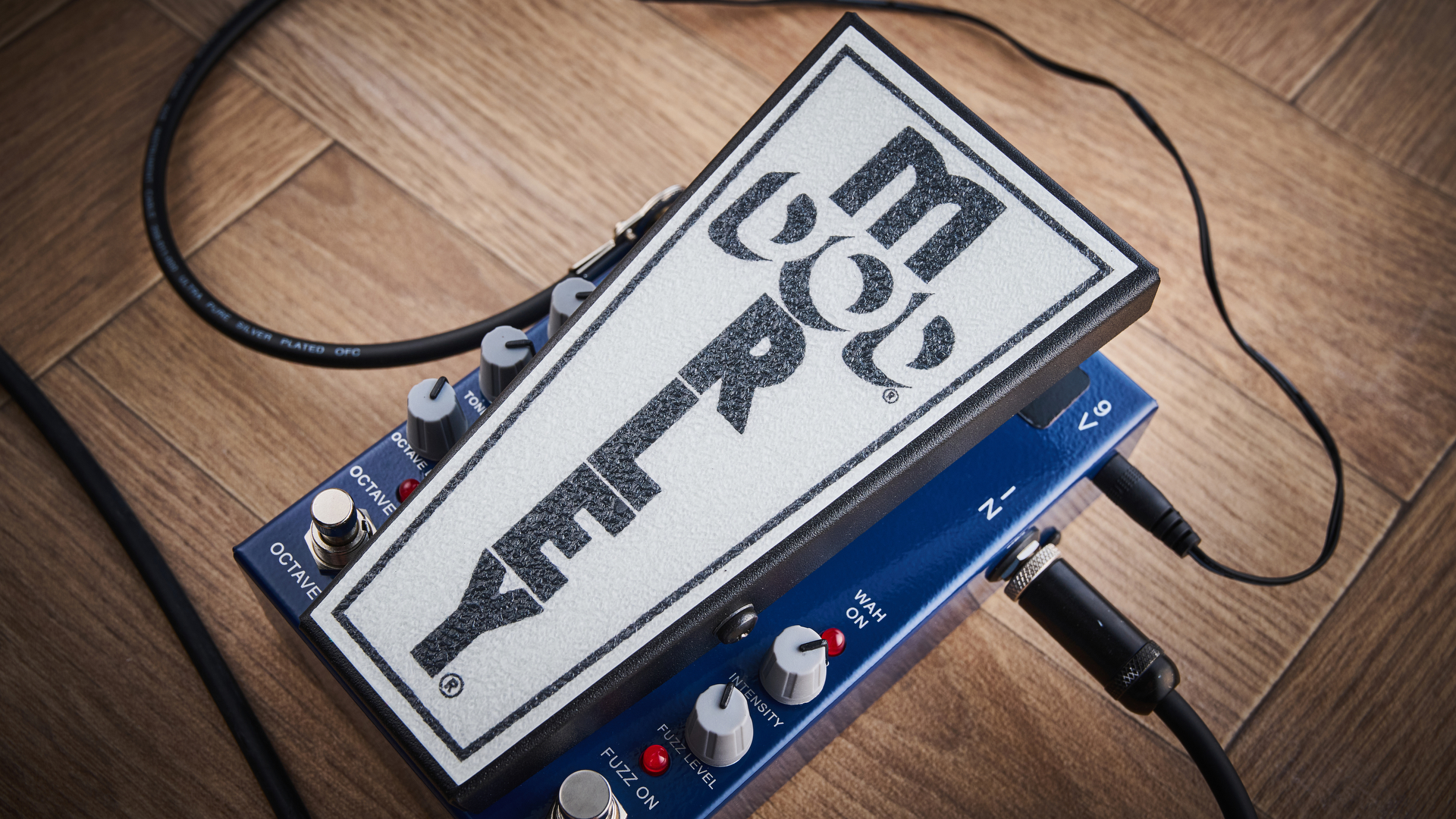
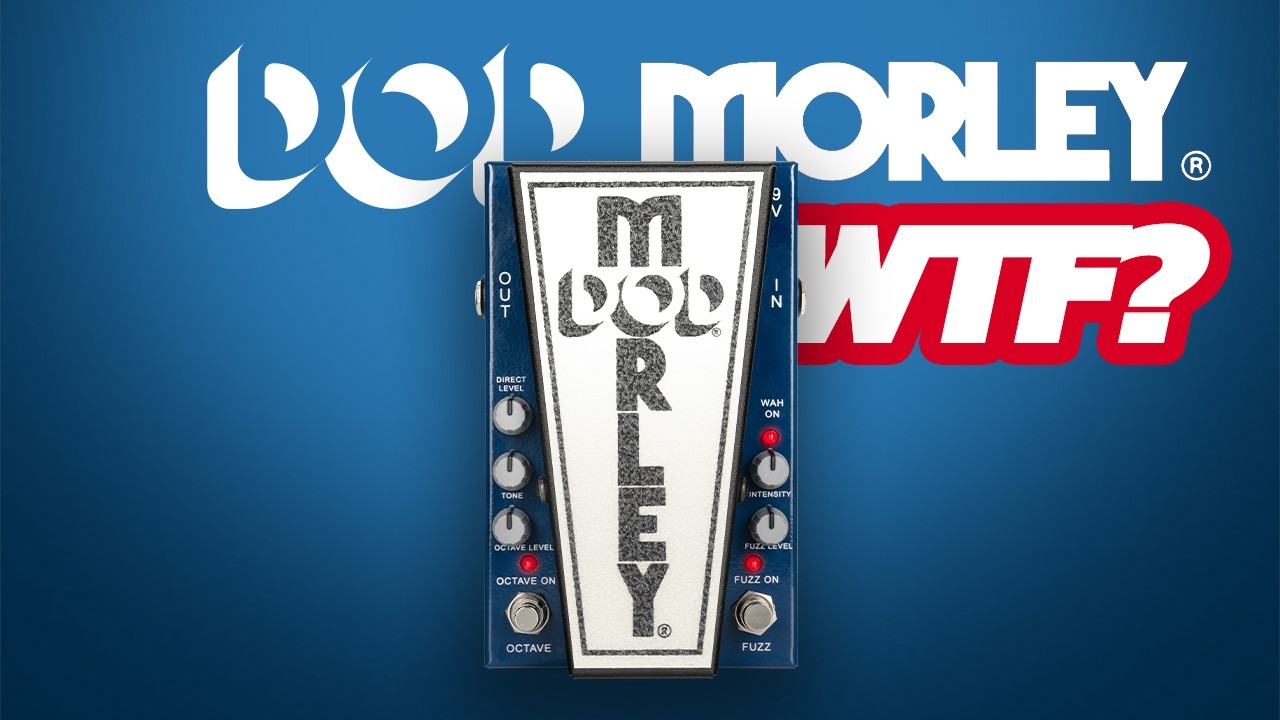
The Morley x DOD WTF is housed in a heavy-duty, cold-rolled steel enclosure, a hallmark of Morley’s "built-like-a-tank" manufacturing philosophy. The unit is finished in a deep navy blue, a direct aesthetic nod to the classic DOD livery of the 1980s. Physically, the pedal is larger than a standard compact stompbox, measuring significantly taller and wider than a traditional wah to accommodate the triple-circuitry load.
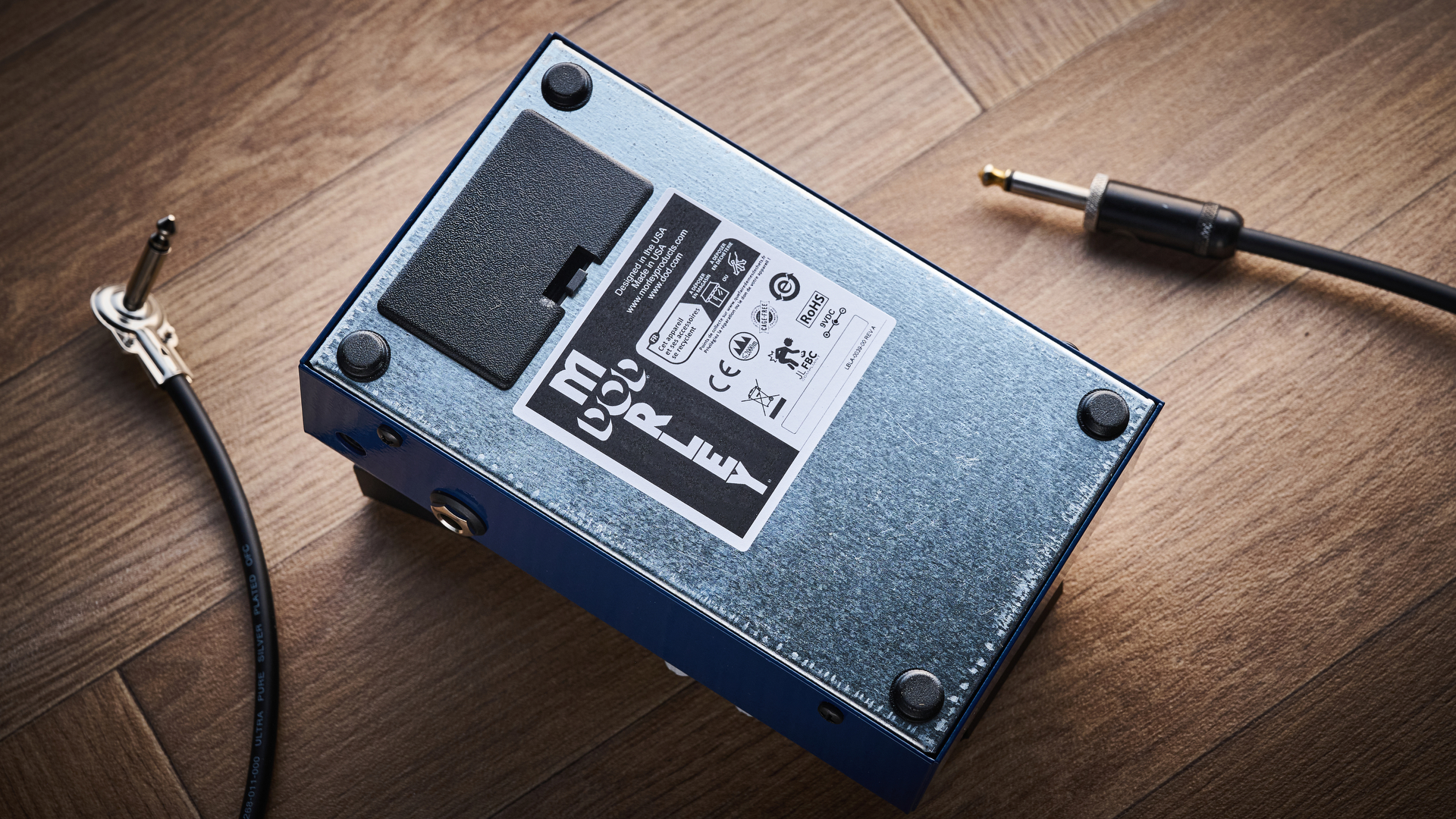
The device operates on a standard 9-volt DC power supply or a 9-volt battery, utilizing a buffered bypass system to maintain signal integrity over long cable runs. The input and output jacks are standard 1/4-inch mono. One of the most prominent features is the glow-in-the-dark treadle grip, designed for visibility on dimly lit stages—a practical addition that Morley has standardized across its modern product line.
Circuit One: The Electro-Optical Wah
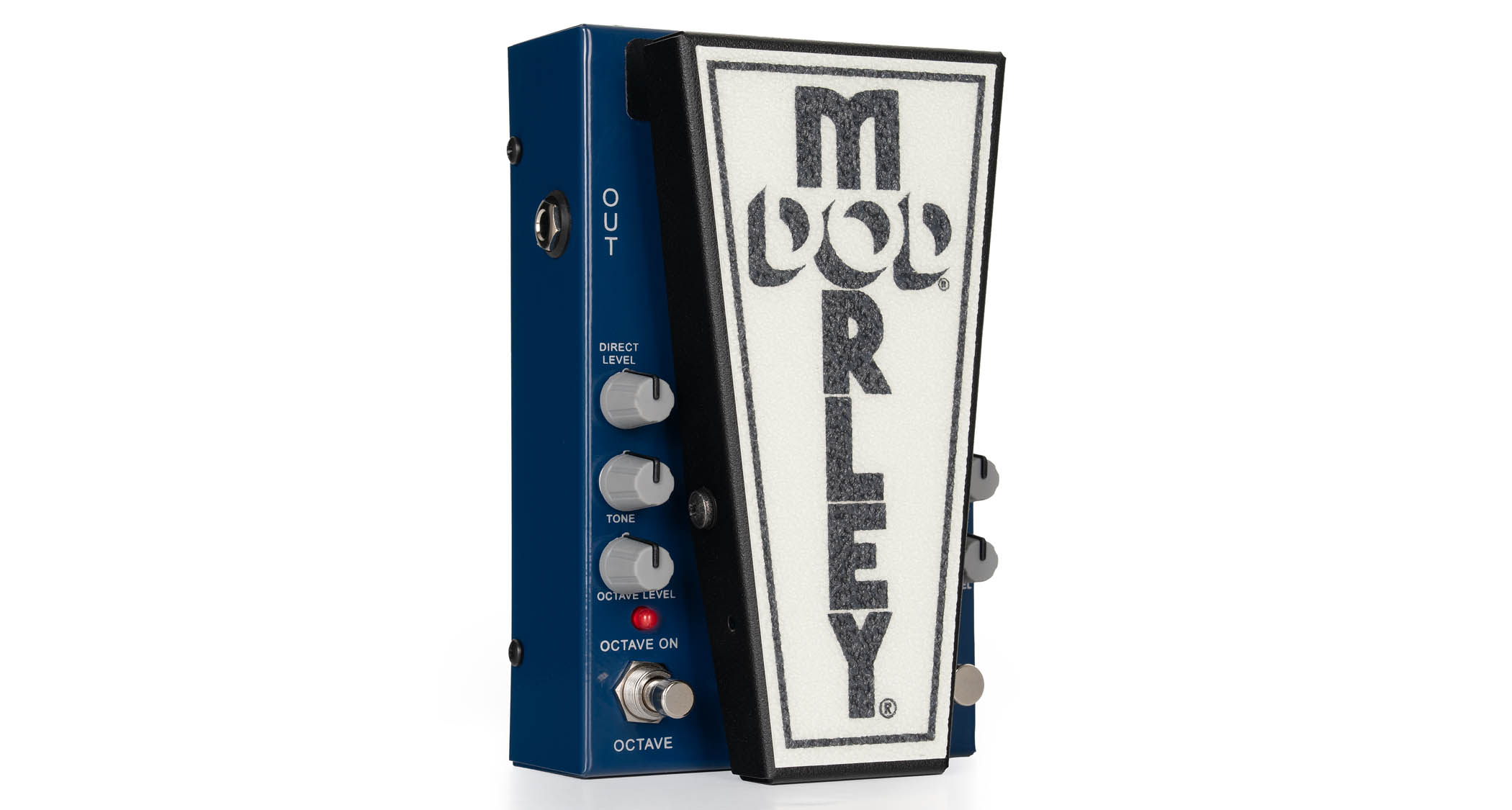
At the core of the WTF is Morley’s legendary wah circuit. Unlike the industry-standard Cry Baby, which uses a rack-and-pinion system to turn a potentiometer, Morley utilizes a light-dependent resistor (LDR) and a shutter system. As the treadle is moved, it varies the amount of light reaching the sensor, which in turn shifts the frequency of the filter.
The WTF employs a switchless design. There is no physical "toe-switch" to engage the effect; instead, the wah activates the moment the user places their foot on the treadle and begins to move it. The treadle is mechanically sprung, meaning it automatically returns to the "heel-down" position when released, immediately bypassing the wah effect. This design eliminates the common issue of accidentally leaving a wah engaged in a "cocked" position, which can lead to unwanted frequency humps in a live mix.
Circuit Two: The DOD FX35 Octoplus
The "Octo" portion of the WTF is a faithful recreation of the DOD FX35 Octoplus, a monophonic sub-octave pedal that was discontinued in 1994. In the vintage market, the FX35 has become a coveted item for its "glitchy" analog tracking, which adds a synthetic, growling character to single-note lines.
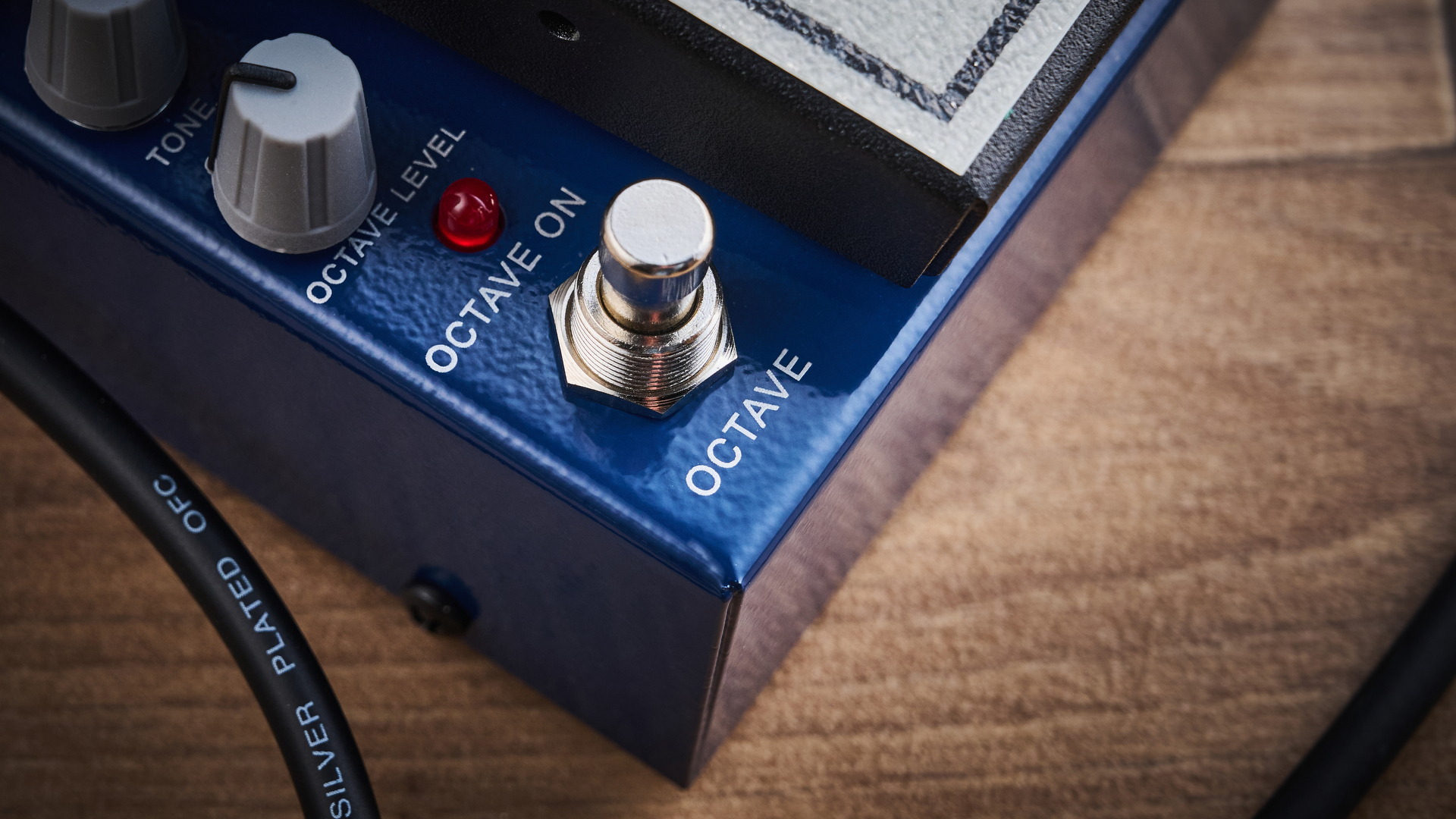
In the WTF, the octave circuit features three dedicated controls:
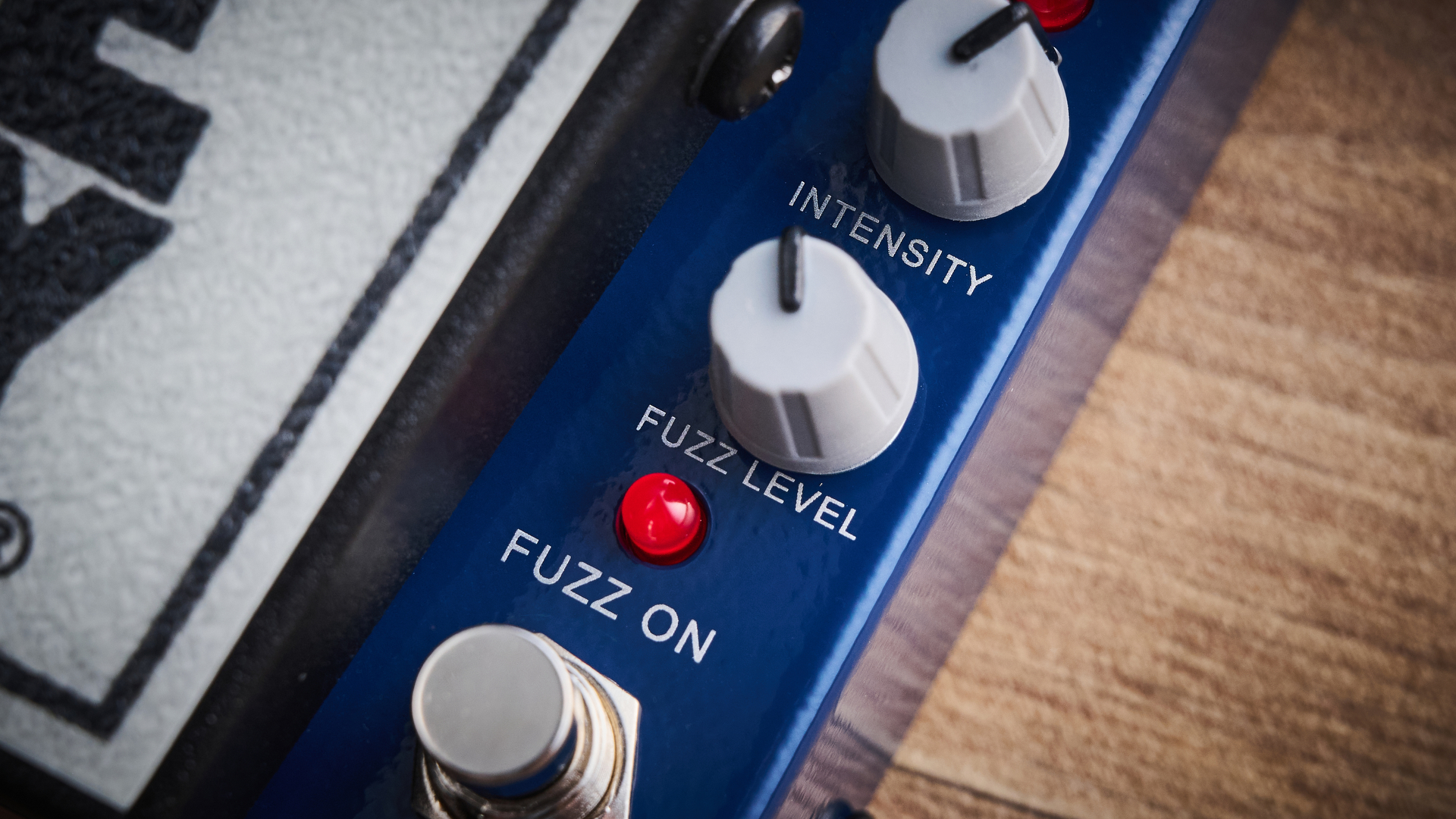
- Octave Level: Controls the volume of the sub-octave signal.
- Tone: Adjusts the brightness of the octave effect, allowing users to move from a deep, dub-like thud to a more aggressive, raspy growl.
- Direct Level: Allows the user to blend their original dry signal with the effect, which is crucial for maintaining note definition, particularly when using the pedal with a bass guitar.
Because the circuit is monophonic and analog, it lacks the perfect tracking found in modern digital polyphonic octavers like the EHX POG. However, this "imperfection" is the primary draw for enthusiasts, as the circuit produces unique artifacts and a "synthy" wobble when pushed with complex chords or fast legato playing.
Circuit Three: The Morley Power Fuzz
The final component of the WTF is the Power Fuzz, a circuit famously associated with the late Metallica bassist Cliff Burton. The Power Fuzz is a high-gain, 1970s-style circuit designed to provide a massive, "throaty" saturation that cuts through dense arrangements.
The fuzz controls on the WTF are intentionally minimalist:
- Level: Adjusts the overall output volume of the fuzz circuit.
- Intensity: Controls the amount of gain or "dirt" applied to the signal.
While the circuit lacks a dedicated tone knob—a point of critique for some users who find the fuzz inherently bright—its voicing is specifically tuned to interact with the wah and octave circuits. When soloed, the fuzz can sound somewhat thin or brittle compared to a classic Big Muff, but it is engineered to fill out and transform when the sub-octave is engaged.
Ergonomics and User Experience
From a functional standpoint, the WTF presents a unique set of ergonomic challenges and advantages. The switchless wah operation is widely regarded as a superior system for expressive playing, as it allows for "instant-on" filter sweeps. However, the physical layout of the fuzz and octave foot-switches has been noted as "cramped" by some reviewers.
The two switches are positioned closely to the right of the treadle. For players wearing larger footwear or those performing on dark stages, the risk of accidental dual-engagement is present. Many users have found that adding aftermarket "pedal toppers" to the switches increases the surface area and height, mitigating the proximity issue.
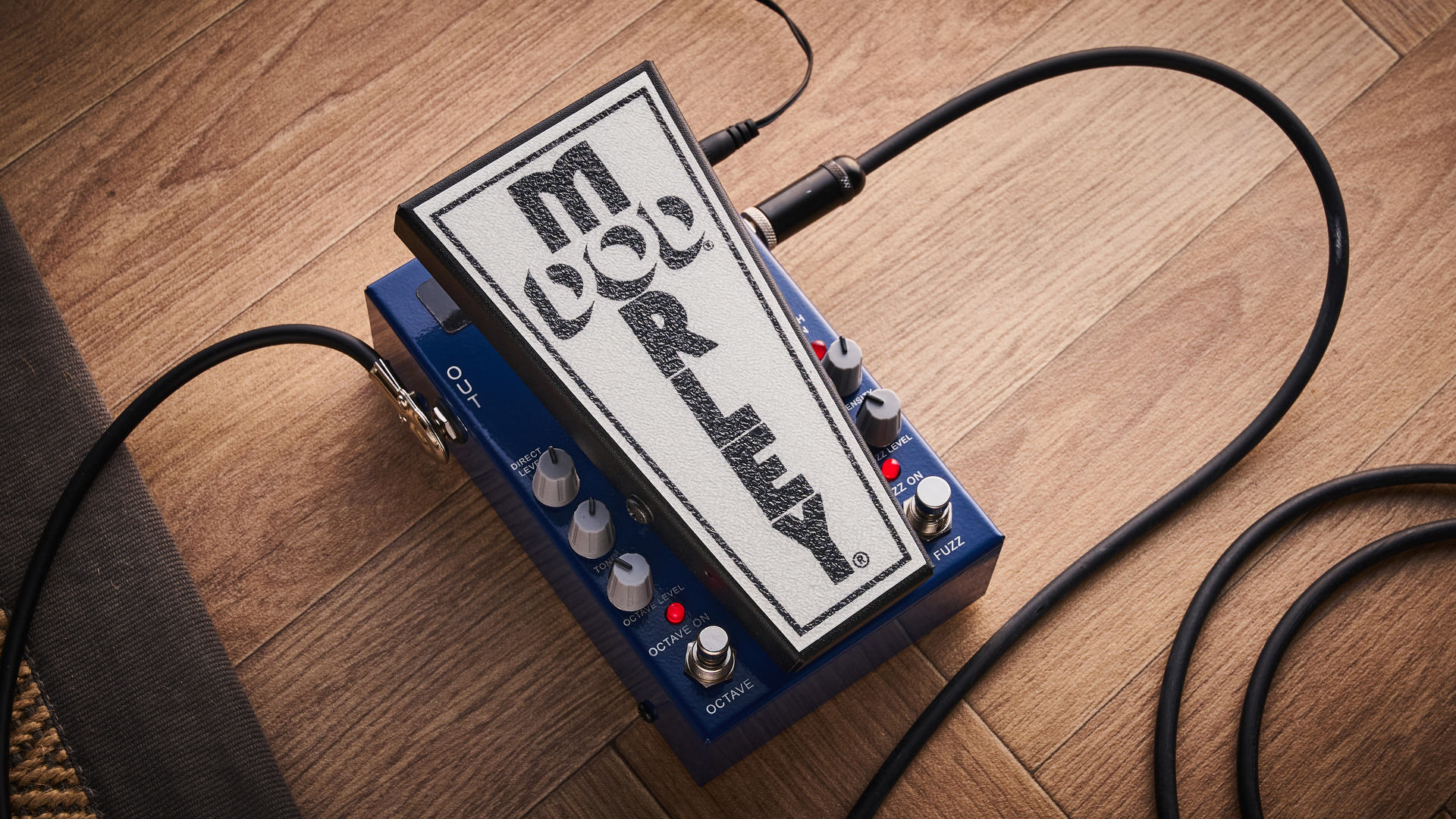
Additionally, the height of the unit is greater than that of a standard wah. This changes the angle of the foot during operation, which may require a period of adjustment for players accustomed to the lower profile of a Dunlop Cry Baby. The sprung treadle also means the pedal cannot be "parked" at a specific frequency to achieve a static filter sound without maintaining constant foot pressure.
Sonic Performance and Integration
In professional testing environments—using instruments such as the Gibson Firebird and Fender Telecaster through Class A tube amplifiers like the Fender Blues Junior—the WTF demonstrates its strength as a "stacking" tool.
The wah provides a wide, vocal sweep that avoids the "harsh" peakiness sometimes found in inductor-based wahs. The octave circuit provides a thick, subterranean foundation that, when paired with the fuzz, creates a "wall of sound" effect. This combination is particularly effective for stoner rock, doom metal, and experimental funk.
A notable characteristic of the WTF is how the circuits compensate for each other’s perceived weaknesses. The "thin" nature of the fuzz circuit is bolstered by the sub-octave’s low-end weight, while the wah’s filter sweeps help to shape the otherwise static "fizz" of the high-gain circuit. This synergy suggests that the pedal was designed less as three separate effects and more as a single, modular sound-design workstation.
Market Context and Future Implications
The release of the WTF comes at a time when DOD, under the ownership of Cor-Tek (the manufacturing giant behind Cort Guitars), is undergoing a significant brand revival. After years of dormancy, the reintroduction of classic DOD circuits in new formats suggests a strategic move to reclaim market share from boutique builders who have long used DOD’s discontinued designs as inspiration.
For Morley, the collaboration serves to diversify its image beyond being "just a wah company." By integrating legendary third-party circuits into their reliable hardware, Morley is positioning itself as a hardware platform for boutique tone.
Industry analysts suggest that the success of the WTF could lead to further "Morley-fied" versions of other DOD classics. Speculation within the gear community has already turned toward the possibility of a Morley wah integrated with the DOD Grunge distortion or the FX64 Ice Box chorus, which would further solidify this cross-brand ecosystem.
Conclusion and Final Assessment
The Morley x DOD Wah-ocTo-Fuzz is a specialized tool that prioritizes character and "weirdness" over clinical perfection. While it lacks some modern features—such as polyphonic tracking or a tone control for the fuzz—it compensates with a unique analog texture and a robust build quality that is rare in multi-effect units.
The pedal is best suited for players who view the guitar as a source of experimental sound rather than just a traditional melodic instrument. By reviving the FX35 Octoplus and pairing it with the Cliff Burton-adjacent Power Fuzz and Morley’s industry-standard optical wah, the WTF offers a curated "vibe" that is difficult to replicate with individual stompboxes. It stands as a successful example of how legacy brands can collaborate to preserve history while offering something genuinely new to the modern pedalboard.
Related posts: