The Untold Story of Donnie Iris: The Powerhouse Voice Behind Ah! Leah! and Pittsburgh’s Underrated Pop-Rock Legend

The music industry is replete with figures who achieved critical acclaim and cult status without ever scaling the topmost commercial peaks enjoyed by stadium-filling superstars. Among these, few are as uniquely talented or as universally respected by their peers as Donnie Iris. Born Dominic Ierace, Iris carved out a singular legacy across several decades, transitioning from garage-rock pioneer to mainstream pop-rock innovator, before cementing his status as a beloved icon of the Pittsburgh music scene. His journey—punctuated by monumental vocal stacking techniques, chart successes with The Jaggerz and The Cruisers, and high-profile praise from rock royalty like Steve Perry and Huey Lewis—tells the story of a consummate craftsman who left an indelible imprint on American rock and roll.
Early Beginnings and The Jaggerz Breakthrough
Born on February 28, 1943, in New Castle, Pennsylvania, a city situated roughly 40 miles northwest of Pittsburgh, Dominic Ierace discovered his passion for music early in life. Possessing a natural ear for melody and an undeniable vocal aptitude, he immersed himself in the burgeoning regional music scene of the 1960s. In 1964, he co-founded The Jaggerz, a blue-eyed soul and rock band that quickly established a formidable reputation across western Pennsylvania and the greater Ohio Valley.
As the primary songwriter for the group, Iris penned "The Rapper," a track that would become a defining regional anthem before capturing the national consciousness. Released at the turn of the decade, "The Rapper" skyrocketed up the charts, peaking at No. 2 on the US Billboard Hot 100 in 1970. The track showcased Iris’s innate understanding of pop structure, infectious grooves, and vocal arrangements. Despite this massive early success, The Jaggerz struggled to replicate the feat with subsequent releases, leading to internal frustrations and, ultimately, Iris’s departure from the band in 1976.
Following his exit from The Jaggerz, Iris briefly joined Wild Cherry, a funk-rock outfit that had achieved massive crossover success in 1976 with the ubiquitous smash hit "Play That Funky Music." Though his tenure with Wild Cherry was brief, it proved to be a pivotal professional turning point. During this time, Iris forged a creative partnership with keyboardist, songwriter, and producer Mark Avsec. This collaboration would form the bedrock of Iris’s most enduring and critically acclaimed artistic output.
The Rise of Donnie Iris and the Cruisers: The Magic of "Ah! Leah!"
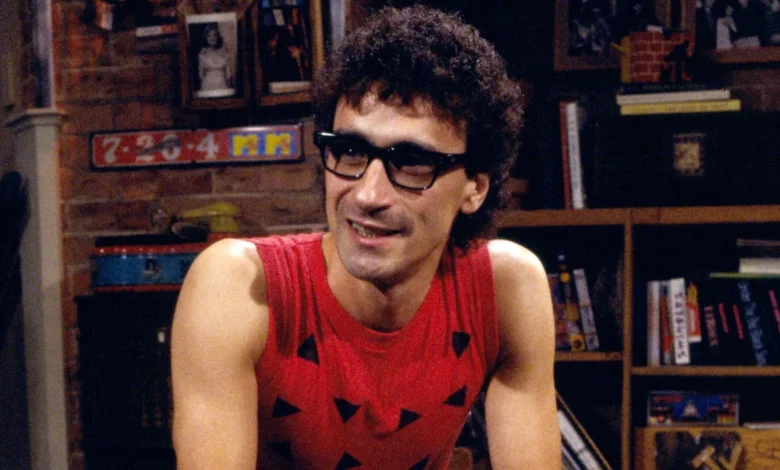
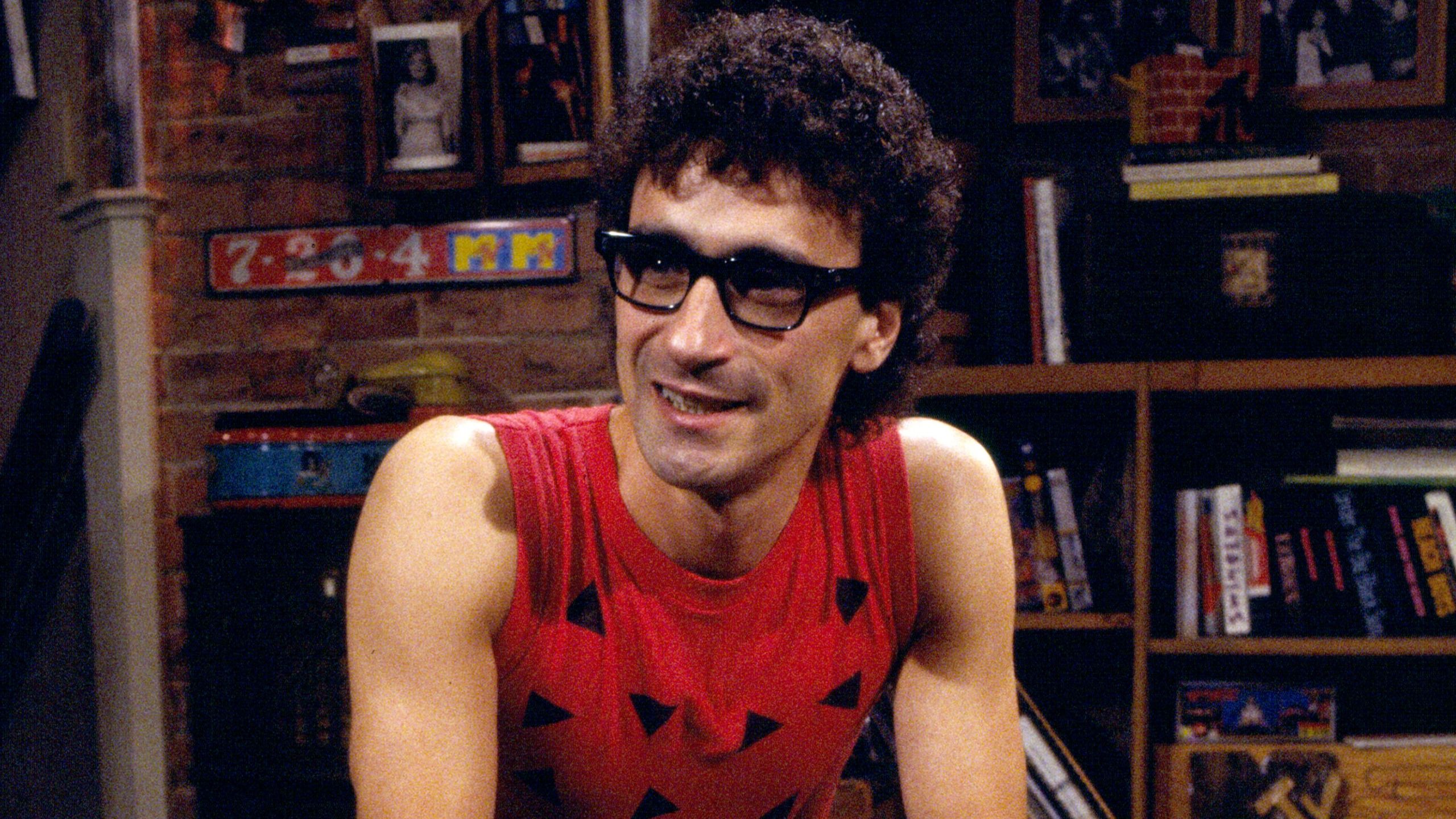
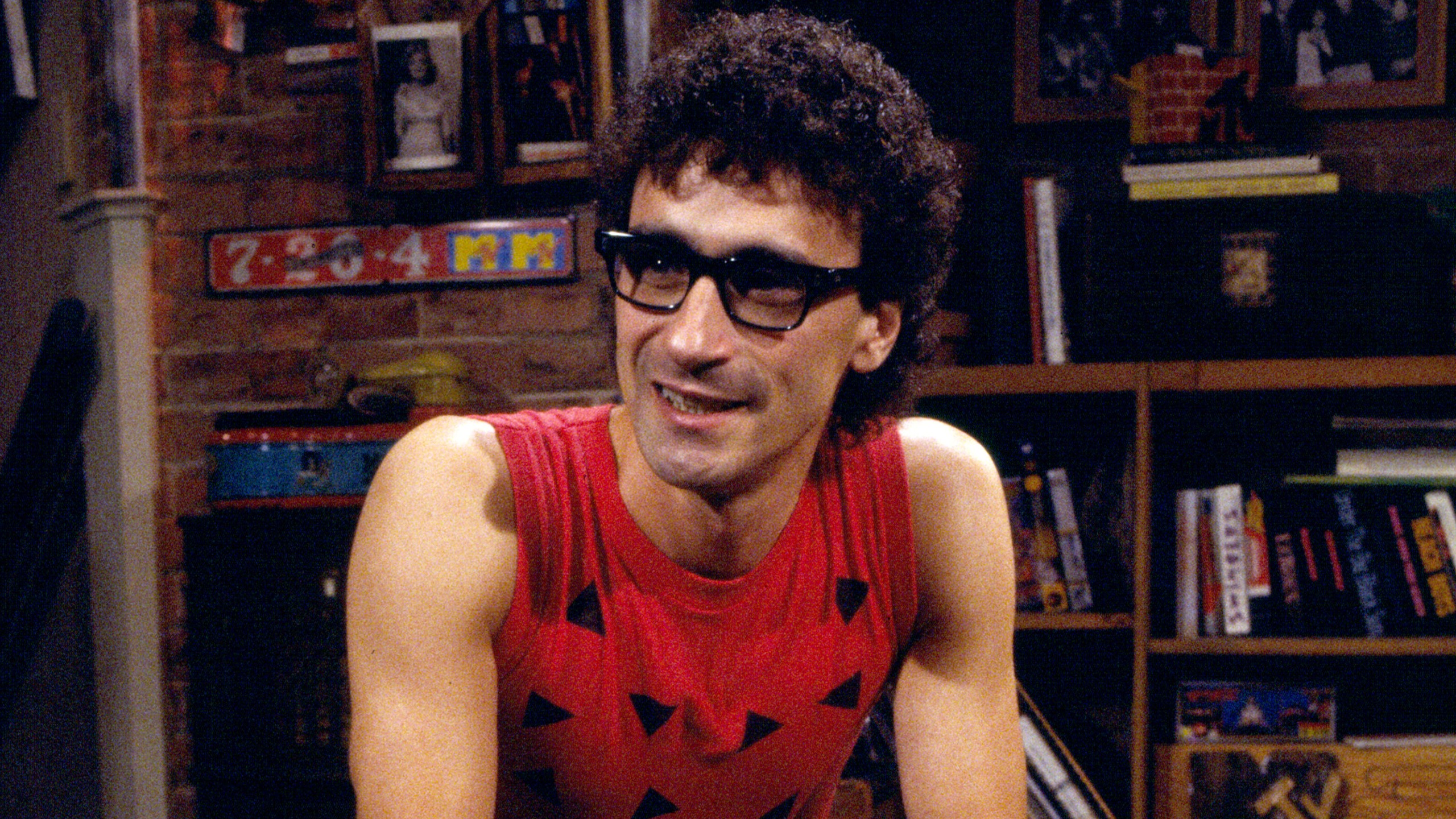
At the dawn of the 1980s, Iris and Avsec embarked on a new musical venture under the moniker Donnie Iris and the Cruisers. Armed with a distinct aesthetic that defied conventional rock-star archetypes—sporting short hair and distinctive glasses that drew frequent, flattering comparisons to Buddy Holly—Iris proved that substance and musicianship could successfully challenge superficial image-driven trends in the MTV era.
The partnership yielded an immediate triumph with Iris’s 1980 solo debut album, Back On The Streets. The record introduced listeners to a slick, quirky brand of power pop and arena-ready rock, highlighted by tracks like "I Can’t Hear You" and "Agnes." However, the album’s crown jewel was unequivocally "Ah! Leah!"
Driven by an infectious, driving rhythm and an unforgettable vocal hook, "Ah! Leah!" captured the imagination of rock fans nationwide, climbing to No. 29 on the US Billboard Hot 100. Its impact stretched far beyond standard commercial rotation, captivating some of the era’s most discerning vocalists. Most famously, Journey frontman Steve Perry was driving across the Golden Gate Bridge in San Francisco in 1980 when he first heard the track on the radio. Blown away by the sheer sonic force of the chorus, Perry later sought out Iris and The Cruisers backstage when the band opened for Journey in Ohio. Greeting Iris in his dressing room, Perry delivered high praise, declaring, “That’s the way vocals are supposed to sound!”
The Production Secret Behind the Sound
The extraordinary vocal power that so transfixed Steve Perry was not merely the result of a strong natural delivery, but rather a masterclass in studio innovation orchestrated by Mark Avsec. Recognizing the limitations of standard multi-tracking, Avsec engineered a groundbreaking vocal production technique for the chorus of "Ah! Leah!"
Rather than relying on simple double-tracking, Avsec overdubbed and stacked Iris’s voice more than 60 times. Reflecting on this experimental methodology during a 2021 reissue of Back On The Streets via Rock Candy Records, Avsec elaborated on Iris’s unique vocal qualities:
"His normal voice is not that distinctive, but as we worked together more and more I discovered the depth and range of his ability, and we began to develop a sound that was very, very distinctive. He has a whole Beatles style of voices that we tapped into. His falsetto is like no other, there are various things within his falsetto, whereas most singers barely have a falsetto in the first place. And of course he has the raspy growl that plays opposite the falsetto for such a dramatic contrast."
Iris, characterized throughout his life by a humble and unassuming demeanor, routinely credited Avsec with unlocking his full artistic potential, noting, “Mark just has a way of getting those voices out of me.”
Discussing the genesis of his signature track, Iris recalled how organic the writing process truly was: “We started out with just the hook, not even realising it was a name. We just wanted some sort of a chant vocal going on in the song. I said, ‘I know this girl named Leah. Why don’t we just make the song about her?’”
Continued Success and Evolution in the 1980s
Capitalizing on the momentum of his debut, Donnie Iris and the Cruisers released their sophomore effort, King Cool, in 1981. The album solidified the band’s commercial viability, producing another major radio hit with "Love Is Like A Rock," which broke into the top 40. Furthermore, the album featured tracks like "Sweet Merilee," which boasted a stacked-vocals chorus even more elaborate and massive than the one heard on "Ah! Leah!"
Throughout the remainder of the decade, Iris continued to tour relentlessly and release material, maintaining a fiercely loyal fanbase primarily anchored in the industrial Rust Belt, with Pittsburgh serving as his ultimate spiritual and cultural home. While broader national chart success eventually receded as musical landscapes shifted in the late 1980s and 1990s, Iris never stopped creating.
His prolific career spanned several more decades, encompassing diverse recording projects. In 2010, he released a holiday collection cleverly titled Ah! Leluiah! His final recorded offering released during his lifetime was the regional anthem "Pittsburgh Made," a fitting tribute to the city that had adopted him as one of its favorite sons.
Health Battle, Retirement, and Legacy
In 2023, Iris faced a formidable personal challenge when he was diagnosed with bladder cancer. Despite the diagnosis, he remained deeply dedicated to his craft and his audience. On September 28, 2023, Iris delivered a triumphant farewell live performance in Pittsburgh, sharing one final evening of music with the fans who had supported him for decades.
Shortly thereafter, on October 9, 2023, Iris officially announced his retirement via a heartfelt statement on social media. Reflecting on his remarkable trajectory, he wrote, “Music has given me far more than I could ever put into words.”
Donnie Iris passed away on October 26, 2023, at the age of 83. The outpouring of grief and tribute from the wider music community underscored his enduring, if occasionally under-recognized, significance. Among those paying homage was fellow rock veteran Huey Lewis, who remarked in 2021:
“I worked with Donnie more than a few times in the ’80s. He was tremendous. I’ve always been surprised he wasn’t much more popular considering how great he was.”
Broader Impact and Cultural Implications
The career of Donnie Iris offers a fascinating case study in the mechanics of rock history. In an industry heavily reliant on massive marketing machines, generational timing, and image cultivation, Iris carved out a lasting space through sheer musicianship, meticulous vocal production, and authentic songwriting.
While pop-rock history often prioritizes artists who achieved multi-platinum, stadium-filling status, the legacy of Donnie Iris demonstrates that true cultural longevity is frequently secured in the trenches of regional devotion and peer respect. From the soulful harmonies of The Jaggerz to the innovative multi-tracked vocal walls of The Cruisers, Iris and Mark Avsec expanded the technical boundaries of what melodic rock could achieve in the studio. Ultimately, Donnie Iris remains a beloved icon—a musician’s musician whose voice, captured across sixty stacked vocal tracks and echoing down the historic streets of Pittsburgh, continues to resonate as a timeless triumph of American rock and roll.
Related posts: