Friendgineer Labs Releases Chance Free Randomized Multi-FX Plugin for macOS and Windows

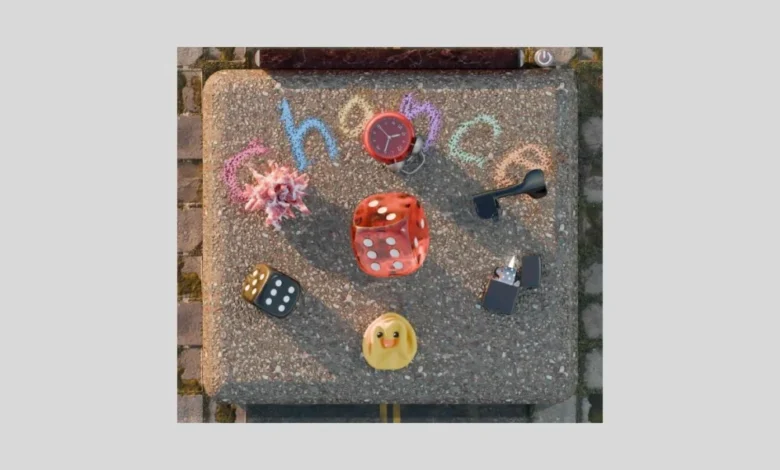
Friendgineer Labs has officially launched Chance, a comprehensive multi-effects processing tool designed to introduce controlled randomization and aleatoric elements into digital audio production. Developed as an entry for the 2026 KVR Developer Challenge, the plugin is available as a free download for users on both macOS and Windows platforms. Chance distinguishes itself in a crowded market of signal processors by prioritizing unpredictable outcomes, providing sound designers and music producers with a tool intended to break creative stagnation through "happy accidents."
The release of Chance comes at a time when the audio software industry is increasingly focused on generative and randomized workflows. While traditional plugins often prioritize precise control and repeatability, Chance is built on a philosophy of discovery. The software is structured around four primary effect categories: delay, modulation, reverb, and harmonics. By allowing users to manipulate the probability and intensity of these effects, Friendgineer Labs offers a workflow that favors experimentation over traditional parameter tweaking.
Technical Architecture and Feature Set
At its core, Chance utilizes a randomized effect chain architecture. The internal engine selects and applies various processing algorithms within the four designated categories. This ensures that every instance of the plugin can produce a unique sonic footprint, even when applied to identical source material.
The four categories represent the pillars of modern sound processing:
- Delay: This module handles temporal repetitions, ranging from standard rhythmic echoes to abstract, time-stretched textures.
- Modulation: This section introduces movement through chorus, flanging, and phasing effects, altering the pitch and phase of the signal to create width and depth.
- Reverb: The spatial engine provides everything from tight room simulations to expansive, ethereal atmospheres, essential for placing sounds within a three-dimensional field.
- Harmonics: This category focuses on saturation, distortion, and harmonic enhancement, allowing users to add grit, warmth, or aggressive edge to their audio.
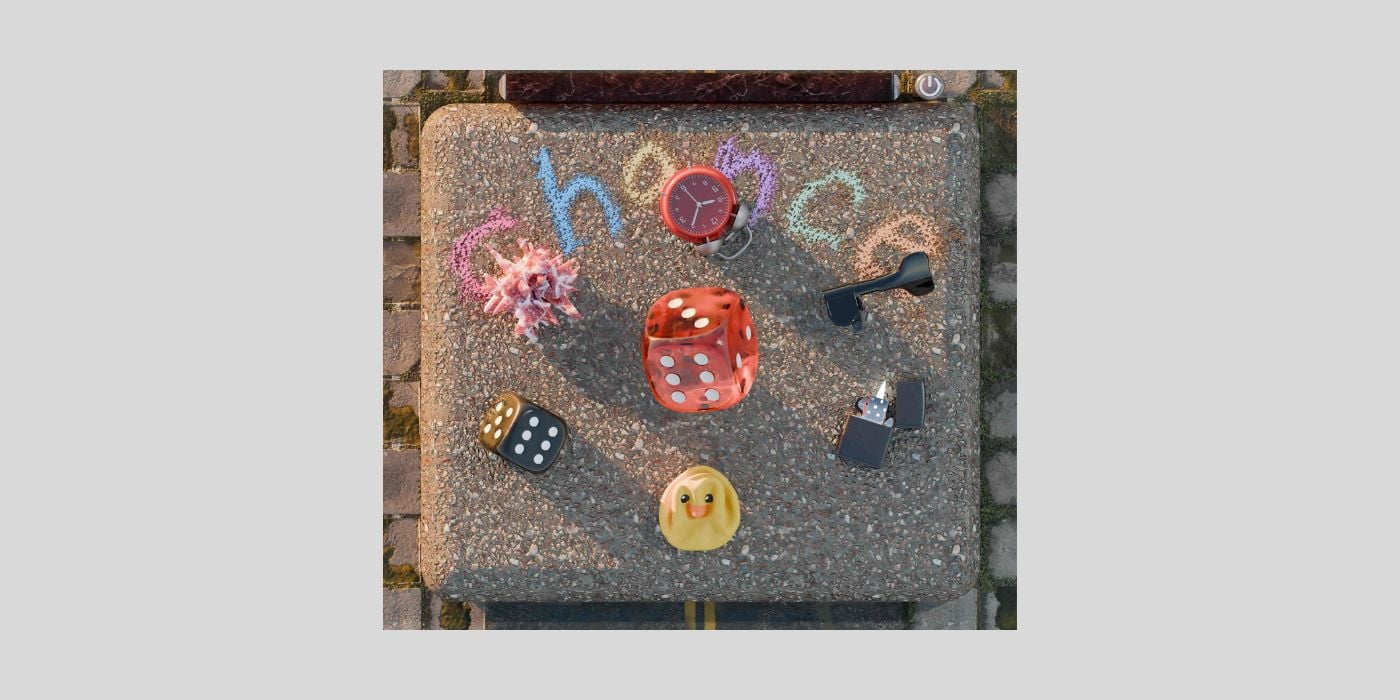
A central feature of the user interface is the "Duck" control. This visual element serves a critical functional purpose: it acts as a macro-control for blending the randomized effect chains while simultaneously applying multiband compression and limiting. This ensures that despite the potentially chaotic nature of the randomized effects, the output signal remains cohesive and dynamically controlled.
The 2026 KVR Developer Challenge Context
The KVR Developer Challenge is a biennial event that has historically been a breeding ground for some of the most innovative and enduring free software in the music technology industry. Established by the KVR Audio community, the challenge invites developers to create original audio plugins, applications, or sound libraries and offer them to the public for free.
The 2026 iteration of the challenge has seen a surge in entries that explore non-linear processing and generative techniques. Chance has emerged as a standout entry due to its balance of high-quality Digital Signal Processing (DSP) and an unconventional user interface. Historically, winners of the KVR Developer Challenge—such as Tokyo Dawn Labs and VladG—have gone on to become industry staples. By participating in this competition, Friendgineer Labs positions Chance within a legacy of community-driven innovation.
Collaboration and DSP Development
A significant aspect of the development of Chance is the collaboration between Friendgineer Labs and AudioLoom. AudioLoom, known for providing specialized DSP frameworks, assisted in ensuring that the randomized results remain musically useful. According to statements from the developer, the DSP was purpose-built to ensure "repeatability and reliability" within the context of randomness. This means that while the specific results are unpredictable, the underlying algorithms are tuned to avoid digital artifacts or unpleasant noise that can sometimes plague poorly optimized randomization engines.
Notably, Friendgineer Labs has explicitly stated that the plugin does not utilize "AI vibecoding" or machine learning algorithms. In an era where "AI" is frequently used as a marketing buzzword, the developers have opted for a traditional, albeit complex, mathematical approach to randomization. This decision emphasizes the role of the developer as a curator of possibilities, designing the boundaries within which the random engine operates.
Workflow and User Interface Design
The interface of Chance departs from the traditional "skeuomorphic" design—which mimics physical hardware—in favor of a more modern and idiosyncratic aesthetic. The "sick" interface, as described by early adopters, focuses on intuitive interaction rather than a plethora of knobs and sliders.
One of the most critical workflow details involves the plugin’s preset management system. Unlike standard plugins where a preset saves the exact state of every parameter, saving a preset in Chance saves the "blend" or the configuration of the randomized engine rather than the specific, randomized result. This ensures that every time a user opens a project, the plugin maintains its spirit of unpredictability while keeping the general character of the sound consistent with the user’s previous choices.
For users who require a degree of transparency, Chance includes a "solo mode" for each effect category. This allows producers to audition the delay, modulation, reverb, or harmonics individually, providing clarity on how each component contributes to the final output. This feature bridges the gap between total chaos and professional-grade sound design.
Safety Considerations and Technical Specifications
While the randomized nature of Chance is its primary selling point, it also presents certain technical challenges. Reviews on the KVR Audio forums and early user feedback have noted that certain combinations of effects—particularly within the harmonics and compression stages—can lead to significant increases in output volume.
Industry experts recommend that users employ a dedicated brick-wall limiter or a gain-staging plugin after Chance in their signal chain to protect monitoring equipment and hearing. Friendgineer Labs has addressed this by integrating a limiter into the "Duck" control, but the inherent unpredictability of the plugin necessitates cautious level management.
System Compatibility:
- Version: 1.0.6 (Initial release)
- Formats: AU, VST3, AAX
- Platforms: macOS (Intel and Apple Silicon), Windows (10 and 11)
- Price: Free (KVR Developer Challenge Entry)
Broader Implications for the Audio Industry
The release of Chance reflects a broader trend in the Digital Audio Workstation (DAW) ecosystem toward "controlled chaos." As digital music production becomes increasingly accessible, many producers find that perfectly quantized and predictable software can lead to a "sterile" sound. Tools like Chance, which prioritize the "happy accident," are becoming essential for adding organic, human-like variability to electronic compositions.
Furthermore, the decision to release Chance as a free tool via the KVR Developer Challenge highlights the ongoing importance of the freeware community. By providing high-quality DSP without a financial barrier to entry, Friendgineer Labs contributes to the democratization of advanced sound design tools.
Chronology of Development and Release
The development of Chance followed a timeline typical of high-end competition entries:
- Late 2025: Concept development and initial DSP architecture design in collaboration with AudioLoom.
- Q1 2026: Alpha testing and refinement of the randomization algorithms.
- Q2 2026: Interface design and integration of the "Duck" macro-control.
- July 2026: Official submission to the KVR Developer Challenge and public release of version 1.0.6.
- Current Status: The plugin is currently in the public voting phase of the KVRDC, with Friendgineer Labs providing active support and monitoring user feedback for future updates.
Conclusion
Friendgineer Labs’ Chance represents a sophisticated intersection of traditional DSP and modern workflow philosophy. By leveraging the platform provided by the KVR Developer Challenge, the developers have introduced a tool that challenges the standard conventions of effect processing. Whether used for subtle character enhancement or radical sonic transformation, Chance provides a unique solution for producers seeking to inject spontaneity into their digital environments. As the 2026 KVR Developer Challenge continues, Chance stands as a testament to the creative potential of the independent development community.
Related posts: