The contemporary landscape of digital photography is undergoing a profound transformation, driven by rapid advancements in mobile technology, mirrorless camera systems, and specialized capture techniques such as infrared imaging. At the forefront of this educational movement is Rad Drew, an Indianapolis-based photographer, educator, and speaker whose work bridges the gap between traditional photographic mastery and cutting-edge digital creation. Operating out of the historic Irvington district on the east side of Indianapolis, Drew has cultivated a reputation as a versatile artist and a dedicated mentor, influencing a global community of practitioners through hands-on workshops, digital publishing, and instructional media.
Main Facts and Professional Background
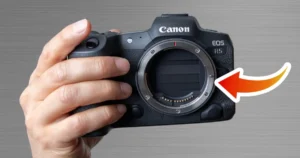
Rad Drew’s career in photography is underpinned by a robust background in learning and development, a discipline that heavily informs his pedagogical approach. Rather than relying solely on technical jargon, Drew translates complex digital workflows into structured, accessible lessons. His expertise spans multiple domains within the medium, most notably mobile photography, infrared image capture, and the utilization of advanced mirrorless camera bodies.
His artistic output has earned significant critical recognition. Drew’s photographs have garnered numerous international awards and have been featured in galleries and juried exhibitions across the United States and internationally. Furthermore, his written contributions have established him as an authoritative voice in the photographic community. He has authored numerous articles and shared instructional insights for prominent publications, including the Photographic Society of America (PSA) Journal, The Luminous Landscape, TheAppWhisperer, the legacy publication PhotoPXL.com, and the Royal Photographic Society. In 2018, his contributions to the field were formally recognized when he was named to the PSA’s Who’s Who in Photography.
Beyond his individual creative practice, Drew maintains an active schedule as an international speaker and workshop leader. He conducts destination photography workshops across the United States and in international locations, guiding participants through the nuances of composition, lighting, and post-processing. Additionally, he reaches a worldwide audience through virtual webinars, one-on-one digital mentoring, and his proprietary educational series, How I Did It!™. Locally, Drew resides in Indianapolis alongside his wife, Nancy Lee, an accomplished metalsmith, maintaining a household deeply rooted in the contemporary fine arts.
Chronology and Evolution of Modern Photographic Education
The trajectory of photographic education has shifted dramatically over the past two decades, transitioning from traditional darkrooms and print-based manuals to digital platforms, online learning ecosystems, and specialized mobile software. Understanding Drew’s contributions requires examining this broader chronological shift in how photographic knowledge is disseminated.
During the late 1990s and early 2000s, the advent of consumer-grade digital single-lens reflex (DSLR) cameras democratized image capture, leading to a massive influx of aspiring photographers seeking technical guidance. Concurrently, the publishing industry began migrating online. Platforms like The Luminous Landscape emerged in the late 1990s as pioneering digital resources, offering in-depth field reports, equipment evaluations, and advanced technical tutorials for landscape and fine art photographers.
By the 2010s, the technological landscape expanded further with the proliferation of high-end smartphone cameras and the introduction of mirrorless camera systems, which offered lighter bodies and sophisticated electronic viewfinders. This era also saw the maturation of powerful mobile editing suites, such as Adobe Lightroom mobile and Snapseed, which elevated smartphone photography from casual snapshots to a legitimate fine-art medium.
Rad Drew entered this evolving educational space by recognizing the need for structured guidance in these emerging fields. While traditional institutions focused heavily on legacy DSLR workflows, educators like Drew embraced mobile devices and infrared conversions as primary artistic tools. Through his online articles, video tutorials, and structured webinar series, he helped demystify software platforms like Lightroom and Capture One for a generation of photographers navigating the transition from physical media to complex digital asset management and post-processing pipelines.
Supporting Data and the Economics of Digital Learning Platforms
The demand for specialized digital photography education occurs within a rapidly expanding global market for e-learning and niche subscription models. According to industry analyses, the global e-learning market has experienced exponential growth, driven by consumers seeking targeted, professional-grade skill acquisition outside of traditional academic settings.
In the photographic sector, this demand has fueled the success of membership-based publishing models. Platforms such as The Luminous Landscape utilize a sustainable subscription framework—often priced accessibly, such as $2 per month or $24 annually—to maintain extensive archives of educational content. The economic viability of these platforms relies on curating vast repositories of specialized knowledge. For instance, established resource hubs frequently host thousands of peer-reviewed articles covering every facet of modern image-making, from sensor technology and lens optics to advanced color management and archival printing techniques.
For educators and contributors operating within these ecosystems, such as Rad Drew, digital platforms provide a scalable means to distribute instructional media. The integration of multi-format content—combining written case studies, video demonstrations of file management, and travelogues—addresses the diverse learning preferences of modern practitioners. Data from online photography communities indicate that video tutorials focusing on workflow efficiency, particularly in software applications like Adobe Lightroom and Capture One, consistently rank among the most highly consumed educational assets. By aligning his How I Did It!™ series with these high-demand topics, Drew has effectively positioned his instructional materials at the intersection of practical software training and creative inspiration.
Official Responses and Industry Perspectives
Industry leaders and educational organizations have increasingly emphasized the importance of adaptable, cross-platform instruction in response to rapid technological changes in camera hardware and processing software.
Representatives from major photographic societies have noted that the democratization of capture tools—particularly the widespread adoption of mobile and mirrorless devices—has fundamentally altered the demographics of contemporary photography enthusiasts. While historical educational models often maintained rigid boundaries between professional equipment and amateur gear, contemporary instruction focuses heavily on artistic vision and technical execution regardless of the capture medium.
Colleagues and educational partners frequently highlight Drew’s instructional methodology as a benchmark for clarity and practical application. Peers in the workshop circuit observe that Drew’s background in learning and development provides him with a distinct pedagogical advantage. By breaking down intricate post-processing sequences and field techniques into manageable steps, instructors with formal educational training are uniquely equipped to address the common pain points experienced by intermediate and advanced photographers.
Furthermore, editorial boards at publications like the PSA Journal and historical digital platforms have underscored the value of contributions from working artists who actively test new technologies. When photographers like Drew evaluate emerging tools—such as infrared sensors or advanced mobile applications—and subsequently publish their findings, they provide the broader community with reliable, real-world data that commercial marketing materials often fail to supply.
Broader Impact and Implications for the Future of Photography
The ongoing convergence of mobile technology, mirrorless engineering, and sophisticated computational photography carries significant implications for the future of the medium. As smartphone sensors continue to improve and computational algorithms handle complex exposure challenges automatically, the role of the photographic educator is shifting away from basic exposure mechanics toward conceptual development, personal vision, and advanced digital craftsmanship.
Educators who specialize in cross-medium storytelling, such as Rad Drew, play a crucial role in shaping how practitioners navigate this technological abundance. By demonstrating that compelling imagery can be produced using a lightweight mirrorless body, an infrared-converted camera, or a smartphone, such instructors encourage a more experimental and accessible approach to fine-art photography.
The integration of these techniques into structured learning environments—whether through destination workshops in international locales, digital webinars, or subscription-based archive libraries—ensures that historical photographic principles are successfully carried forward into the digital age. As online learning models continue to mature, the demand for verified, high-quality instruction from experienced practitioners remains high. Through his ongoing writing, speaking engagements, and instructional series, Rad Drew continues to contribute significantly to the preservation of photographic standards while actively embracing the technological innovations that define the twenty-first-century visual arts landscape.