Disney Jr. and Animaj Quietly Launch AI-Driven Preschool Series "Ozzy Fox" on YouTube, Signaling Industry Shift

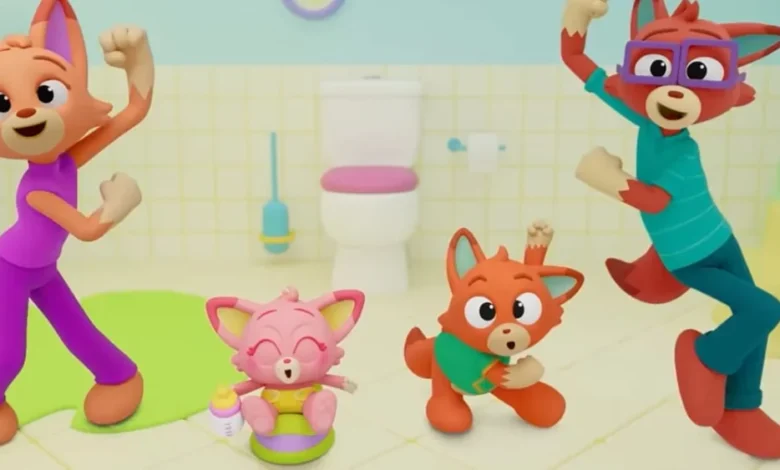
In a significant, albeit understated, move within the animation industry, Disney Jr. and the French AI-driven animation firm Animaj have jointly released Ozzy Fox, a new preschool series, directly onto YouTube and YouTube Kids. The series debuted its first two episodes on Wednesday, July 17, 2026, and rapidly amassed nearly 800,000 combined views within just two days, underscoring both the immense reach of digital platforms and the accelerating integration of artificial intelligence in content production. This quiet launch, devoid of a traditional press release, speaks volumes about the companies’ strategic intent to let the content and its reception define its narrative.
The Genesis and Creative Force Behind "Ozzy Fox"
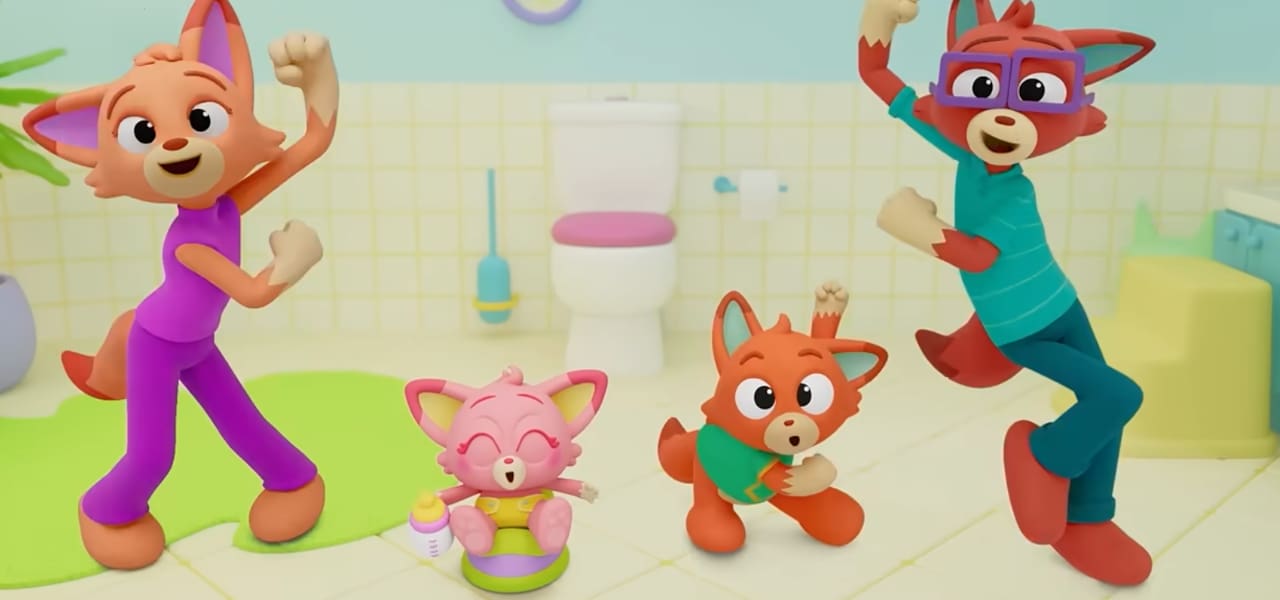
Ozzy Fox introduces audiences to a vibrant, five-year-old fox whose vivid imagination transforms everyday childhood routines into exciting games and adventures. The music-driven series aims to engage young viewers through relatable scenarios, with its initial installments, "The Floor Is Lava! Squeaky Clean Up Game" and "Potty Party Dance Break!", focusing on themes of tidiness and toilet training – common developmental milestones for preschoolers. The creative pedigree behind the series is notable, with Jennifer Oxley, known for her work on beloved children’s programs such as Peg + Cat, Wonder Pets!, and Little Bill, credited as the creator. Further shaping the series’ development is Guillermo García Carsí, co-creator of the internationally acclaimed Pocoyo, who joined Animaj as creative director in 2023. The show’s musical foundation, central to its appeal, features songs penned by Chen Neeman, Kat Rende, and JP Rende, promising catchy tunes to accompany Ozzy’s escapades.
The decision to launch Ozzy Fox directly onto YouTube, bypassing traditional linear television premieres or even a prominent Disney+ debut, highlights a strategic shift in reaching the target demographic. YouTube Kids has become an indispensable platform for children’s content, offering unparalleled global accessibility and immediate feedback through viewership metrics. The rapid accumulation of views for Ozzy Fox validates this digital-first distribution approach, demonstrating its effectiveness in capturing young audiences in a crowded media landscape.
Animaj: At the Forefront of AI in Animation
Central to the narrative of Ozzy Fox is Animaj, a French company that has explicitly positioned itself at the vanguard of AI-driven animation production. Unlike many studios that integrate AI tools discreetly, Animaj has made its proprietary AI pipeline a cornerstone of its corporate identity and production model. The company champions a suite of AI-assisted technologies, including sketch-to-pose prediction and motion in-betweening, which it asserts can significantly reduce both production timelines and associated costs. This efficiency is a critical advantage in an industry constantly seeking ways to deliver high-quality content more rapidly and economically.
Animaj’s commitment to AI is not new. The company has already applied its innovative pipeline to established children’s properties, including the aforementioned Pocoyo and Maya the Bee, demonstrating the versatility and scalability of its technology across different animation styles and brands. This track record likely played a crucial role in Disney’s decision to partner with Animaj on an original series. Sixte Vauplane, co-founder of Animaj, publicly celebrated the Ozzy Fox launch on LinkedIn, signaling the company’s pride in this collaboration as a validation of its technological advancements and strategic vision.
The partnership with Disney on Ozzy Fox is not the first collaboration between the two entities. Disney had previously entered into a commercial agreement with Lumee, a kids-focused YouTube advertising venture formed by Animaj and Hasbro Entertainment. Through Lumee, Animaj now represents selected advertising inventory across several prominent Disney channels on YouTube, including Disney Jr., Disney Kids, Star Wars Kids, Marvel HQ, and Nat Geo Kids. This existing commercial relationship likely paved the way for the deeper content development collaboration seen with Ozzy Fox, illustrating a calculated, progressive integration of Animaj’s capabilities into Disney’s broader digital strategy.
Disney’s Strategic Embrace of Emerging Technologies
Disney’s decision to develop an original series directly with an AI-centric company like Animaj, particularly for its influential Disney Jr. brand, is a telling indicator of the entertainment giant’s evolving strategy. Historically, Disney has been a pioneer in animation technology, from the multiplane camera to sophisticated CGI. Its current engagement with Animaj reflects a continued commitment to innovation and an adaptability to new production paradigms, especially in an era marked by intense competition in streaming and digital content.
For Disney Jr., a brand synonymous with foundational learning and entertainment for preschoolers, the partnership with Animaj offers several strategic advantages. It allows Disney to explore cost-effective content creation methods, potentially enabling a higher volume of content to meet the insatiable demand of young audiences. Furthermore, a YouTube-first launch aligns with the viewing habits of contemporary families, many of whom rely on platforms like YouTube for children’s programming. This move ensures that Disney Jr. remains relevant and accessible in the ever-shifting landscape of children’s media consumption. The perceived "quiet" launch could also be interpreted as a strategic soft launch, allowing the series to gain organic traction and gather initial performance data before a more widespread promotional push, if deemed successful. This approach minimizes risk while testing the waters for AI-driven content.
The Broader Implications of AI in the Animation Industry
The arrival of Ozzy Fox serves as a tangible example of a rapidly accelerating trend: the integration of artificial intelligence into creative industries. While the specific extent of AI’s role in Ozzy Fox‘s production remains undisclosed by either company – a common practice as AI tools become more ubiquitous within studio pipelines – the very nature of Animaj’s business model suggests a significant application. This lack of explicit disclosure is becoming a hallmark of AI adoption; just recently, Netflix revealed its use of generative AI tools on nearly 300 titles this year alone, yet named only a handful, indicating that AI is increasingly viewed as a standard production utility rather than a novel, headline-grabbing feature.
The implications for the broader animation industry are profound. On one hand, AI tools promise unprecedented efficiencies, allowing studios to reduce the time and cost associated with labor-intensive processes such as in-betweening, character rigging, and even initial concept art generation. This could democratize content creation, enabling smaller studios or independent creators to produce high-quality animation that was once only feasible for large, well-funded companies. Global animation market revenues were projected to reach over $400 billion by the mid-2020s, with a significant portion driven by streaming content and demand for rapid turnaround. AI’s ability to accelerate production could help meet this demand.
However, the rapid embrace of AI also raises critical questions regarding its impact on human animators and creative professionals. There are legitimate concerns about job displacement, the devaluation of traditional artistic skills, and the potential for AI-generated content to lack the unique spark and nuance that human creativity brings. The conversation around AI in animation often oscillates between viewing it as a powerful co-pilot for artists and perceiving it as a potential replacement. The success of Ozzy Fox will undoubtedly fuel this ongoing debate, as it demonstrates a major player like Disney actively investing in and validating an AI-driven production model for original content.
.png)
Market Dynamics: Preschool Content and YouTube’s Dominance
The preschool entertainment market is a formidable segment of the global media industry, driven by consistent demand from parents seeking educational and engaging content for their young children. This market is characterized by brand loyalty, the importance of trusted characters, and a significant emphasis on developmental appropriateness. Global spending on children’s content has seen consistent growth, fueled by the proliferation of streaming services and the widespread adoption of mobile devices among families.
YouTube, and particularly YouTube Kids, has cemented its position as a primary gateway for children’s content. Its user-friendly interface, vast content library, and global reach make it an unparalleled platform for creators and distributors alike. For Ozzy Fox, a direct YouTube launch means immediate access to a massive, engaged audience without the gatekeeping or scheduling constraints of linear television. The platform’s algorithm-driven discovery mechanism can rapidly amplify popular content, as evidenced by Ozzy Fox‘s quick viewership ascent. Furthermore, YouTube offers robust monetization opportunities through advertising and potential merchandise tie-ins, aligning with Disney’s broader business objectives. The Lumee partnership, which places Animaj in a position to manage ad inventory for Disney’s own YouTube channels, further illustrates the strategic importance of this digital ecosystem.
Future Trajectories and Ethical Considerations
The quiet debut of Ozzy Fox marks a significant inflection point, signaling not just a new series, but potentially a new paradigm for animation production. As AI tools become more sophisticated, the animation industry could see even more radical shifts. This might include hyper-personalized content tailored to individual child preferences, dynamic storytelling that adapts in real-time, or even interactive narratives where AI facilitates deeper engagement.
However, with these advancements come ethical considerations that the industry must address. Transparency about AI usage, particularly when creating content for impressionable young audiences, will become increasingly important. Questions of data privacy, the potential for algorithmic bias in character design or storytelling, and the long-term impact on children’s creative development warrant careful scrutiny. Furthermore, intellectual property rights and the fair compensation of human artists whose work might train AI models will remain central to discussions within the creative community.
In conclusion, Ozzy Fox is more than just a new preschool show; it is a testament to the ongoing evolution of content creation in the digital age. Disney Jr.’s partnership with Animaj on an AI-driven series, coupled with its YouTube-first distribution, represents a calculated step towards embracing efficiency, expanding reach, and adapting to the technological currents shaping the future of entertainment. While the full extent of AI’s role in the series’ production may not be explicitly detailed, its very existence as a joint venture signals a deepening commitment from major players to explore and integrate these transformative technologies, setting a precedent for how animation may be conceived, produced, and consumed for years to come.