Bridging Tradition and Technology: Inside ProjectSAM’s Two-Decade Evolution of Orchestral Sampling and the Launch of Lineage Strings

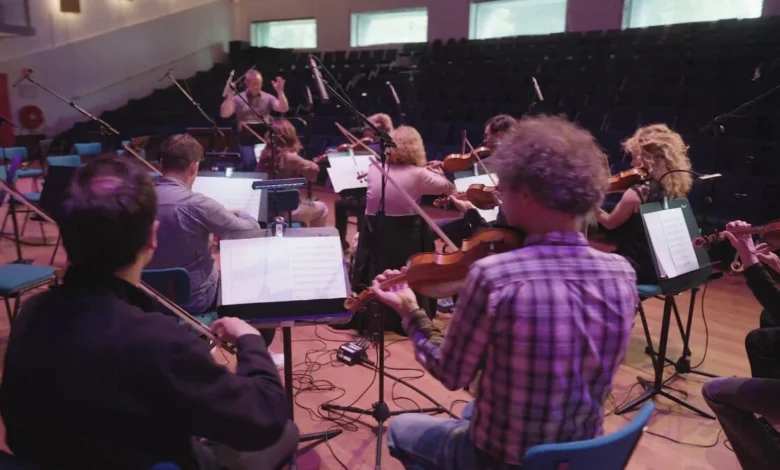
For over twenty years, the landscape of virtual orchestration has undergone a profound transformation, shifting away from rigid, dry sample blocks toward dynamic, living acoustic environments. At the vanguard of this evolution is ProjectSAM, a developer renowned for pioneering an ensemble-recording philosophy that brought the natural, breathing acoustic space of a symphonic hall directly into modern composers’ project studios. From foundational releases like Symphobia and True Strike to their latest flagship software, Lineage Strings, the company has consistently redefined how digital instruments interact with human creativity. This trajectory highlights a broader industry movement toward intelligent software design, enhanced hardware accessibility through standards like Native Kontrol Standard (NKS), and the careful integration of predictive programming into daily composition workflows.
The Origins of Natural Acoustic Sampling
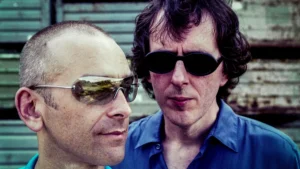
To understand ProjectSAM’s current footprint in music production, one must examine the industry standards of the early 2000s. At the turn of the millennium, commercially available orchestral sample libraries relied heavily on close-microphone recording techniques. Producers and media composers were forced to drench dry, isolated instrument tracks in digital reverb to fake a sense of space and realism. Recognizing the inherent limitations of this approach, founders Vincent and Maarten envisioned a radically different methodology: capturing the natural acoustic perspective of an orchestra from a distance within a authentic hall environment.
In 2001, the duo tested this concept by recording a local conservatory orchestra as a free proof-of-concept project. The response from the global composition community was immediate and overwhelming, nearly crashing the school’s web server under the weight of download requests. This grassroots success laid the groundwork for the establishment of ProjectSAM. Early libraries such as SAM Horns provided pioneering multi-sampled content for platforms like GigaSampler and early iterations of Kontakt. However, the technical demands of the era were arduous, often requiring the distribution of physical multi-DVD installation media fraught with compatibility and scripting challenges.
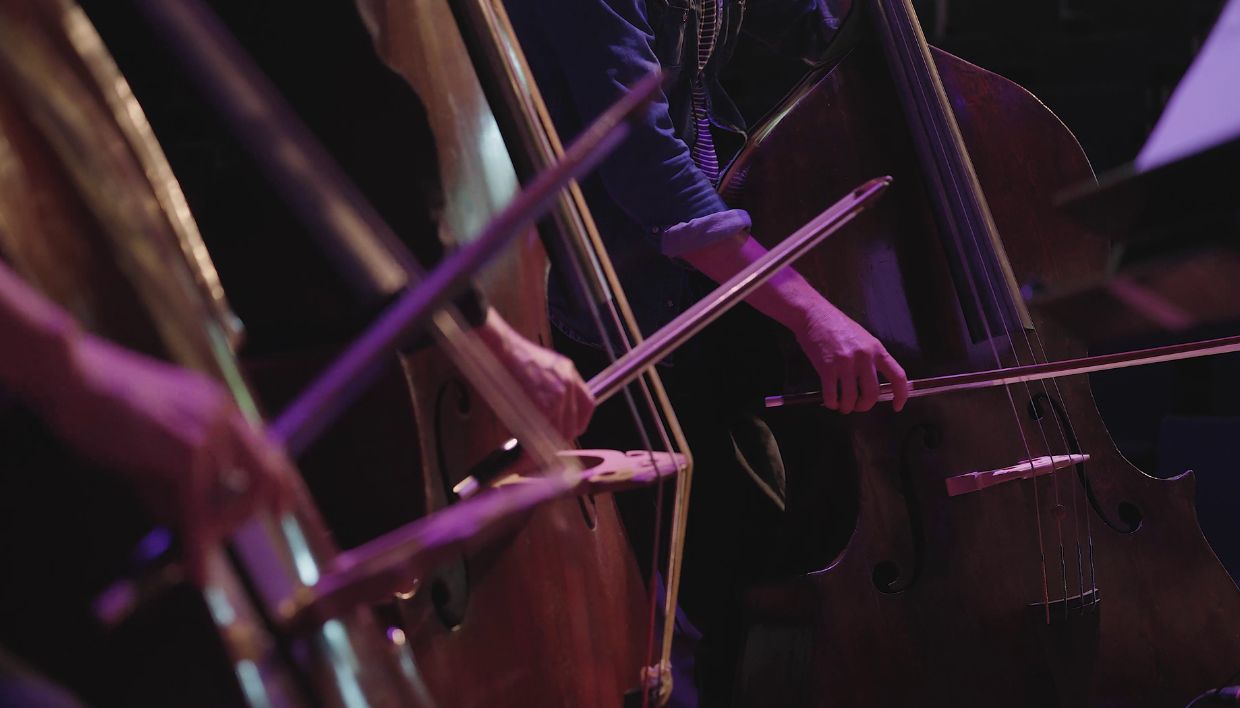
By 2008, the company made a strategic decision to center its software development exclusively around Native Instruments’ Kontakt platform. This consolidation allowed the development team to transition their creative energy away from fighting cross-platform bugs and focus entirely on deep scripting, high-end audio fidelity, and user interface optimization—a path that eventually culminated in the creation of Lineage Strings, developed natively for Kontakt 8.
Expanding the Sonic Universe: Symphobia Versus the Lineage Series
Throughout its history, ProjectSAM became synonymous with cinematic impact, largely due to its flagship Symphobia series. Designed to offer instant inspiration, Symphobia focused primarily on pre-orchestrated ensembles and complex, hybrid cinematic combinations. While immensely popular among film, television, and game composers working under tight deadlines, these pre-mixed ensembles left less room for traditional, granular orchestration.
Recognizing a demand among their user base for individual instrumental sections coupled with modern technological conveniences, ProjectSAM conceived the Lineage Series. Moving outward from percussion into strings, the Lineage line establishes a more traditional orchestral approach. It provides composers with separate, highly flexible sections while deliberately retaining the speed, ease of use, and out-of-the-box realism that characterized the Symphobia catalog.
This dual-product strategy enables modern media creators to move fluidly between macro-level textural sweeps and micro-level voice leading. Sessions are captured with meticulous attention to detail, utilizing multiple microphone positions that preserve the organic depth of the scoring stage while affording modern producers the flexibility required for contemporary mixing aesthetics.

Accessibility and the NKS Framework
A critical turning point in ProjectSAM’s contemporary design philosophy has been its adoption of Native Instruments’ Native Kontrol Standard (NKS). Prior to NKS implementation, virtual instrument interfaces were overwhelmingly mouse-driven. While physical MIDI keyboards could trigger notes, the myriad parameters, custom controls, and articulation switching options remained largely inaccessible to visually impaired musicians and blind producers relying on screen readers and specialized hardware.
The integration of NKS, and specifically NKS2 standards, forced a complete redesign of how ProjectSAM conceptualizes user interfaces. During the development of Lineage Strings and Lineage Percussion, visual software controls and the corresponding NKS hardware layouts were engineered simultaneously to ensure full functional parity.
This dual-design approach introduced unique engineering challenges, particularly regarding the physical Light Guide on Native Instruments S-Series keyboards. For instance, developers had to solve complex logic puzzles concerning advanced performance features like Smart Lookahead delay: should the LED keys illuminate when the physical key is depressed by the user, or when the underlying audio sample is actually triggered by the lookahead algorithm? Collaborative testing through active beta groups ultimately resolved these discrepancies, proving that hardware integration can drive deeper software accessibility without compromising advanced musical features.
Intelligent Arranging and Adaptive Phrasing in Kontakt 8
Under the hood, Lineage Strings represents a significant leap forward in algorithmic assistance for orchestral composition. Modern virtual instruments increasingly rely on machine learning and predictive logic to reduce the mechanical friction of programming realistic performances.
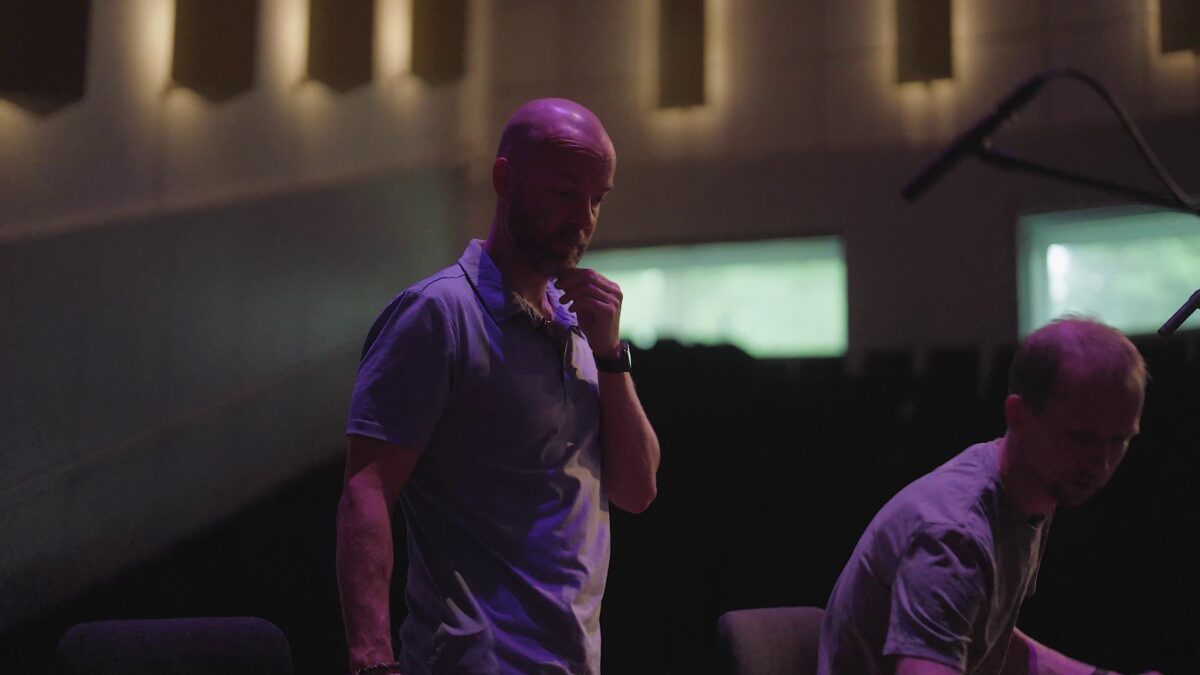
ProjectSAM’s implementation of Adaptive Phrasing, built upon the foundation of the Adaptive Sync technology first seen in their Pandora and Lineage Percussion libraries, automates much of the tedious keyswitching traditionally required to humanize a sequence. Utilizing a Smart Lookahead delay buffer, the Lineage Strings engine analyzes incoming MIDI data in real time, differentiating between sustained notes, tenutos, staccatos, grace notes, and trills. By examining the musical context ahead of actual playback, the software automatically triggers the most appropriate articulation, allowing the composer to concentrate on compositional flow rather than manual data editing.
Concurrently, the built-in Arranger module serves as an advanced compositional partner. By analyzing chord inputs—including inversions, root notes, and slash chords—the system intelligently distributes voice leading across all five string sections. Whether deployed as a fully automated orchestration generator or configured for manual voice assignment, the Arranger functions as an immediate counterpoint tool, drastically reducing the time required to draft complex string accompaniments.
The Future of AI and Machine Learning in Orchestral Production
As artificial intelligence and machine learning increasingly permeate digital audio workstations, questions regarding the autonomy of virtual instruments continue to stir debate within the professional scoring community. According to ProjectSAM’s developers, a primary barrier in merging machine learning with real-time performance is the fundamental conflict between predictive processing and zero-latency playback.
Because true real-time generation leaves no room for foresight, intelligent engines require a micro-delay—often a few hundred milliseconds—to analyze phrasing context and make accurate articulation decisions. While these systems continue to grow faster and more sophisticated, developers emphasize that software cannot truly divine a composer’s internal creative intent. An algorithm may generate a musically coherent phrase based on statistical probabilities, but it may not match the exact expressive nuance desired by the artist.

Consequently, industry consensus views intelligent features not as replacements for human orchestration, but as sophisticated workflow assistants. By lifting the burden of technical complexity and repetitive micro-editing, these tools aim to preserve the emotional core of the creative process.
Commercial Availability and Current Industry Promotions
For producers looking to incorporate these symphonic textures into their workflows, the timing aligns with major market incentives. Native Instruments has launched its seasonal Big Partner Sale, providing significant price reductions across hundreds of NKS-compatible instruments, sample libraries, and bundles developed by top-tier third-party creators, including ProjectSAM.
The promotional event runs through June 30, offering composers access to industry-standard libraries at reduced price points. As virtual instruments evolve to balance organic acoustic capture with intelligent workflow automation, initiatives like ProjectSAM’s Lineage Series—bolstered by broad commercial sales events—continue to shape the future standard of professional media composition.
Related posts: