Sylvan Esso Surrenders to Streaming Realities and Returns to Spotify One Year After Protest Boycott

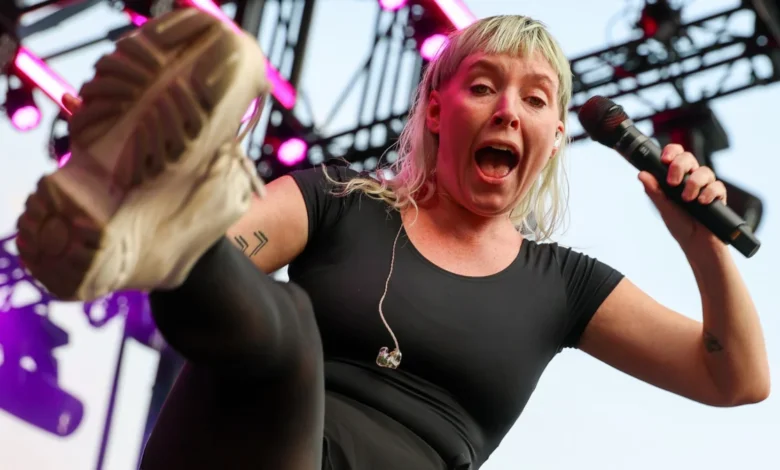
Indie-pop duo Sylvan Esso has announced its decision to return to Spotify, ending a year-long boycott that saw the North Carolina-based act pull its catalog from the world’s largest audio streaming platform. The move highlights the economic fragility of independent artistry in the digital age, forcing artists to weigh moral convictions against the cold realities of keeping a business afloat.
The reconciliation was confirmed via a candid video message shared on Instagram by singer Amelia Meath. In the statement, Meath expressed profound reluctance, revealing that while exiting the streaming giant felt morally aligned at the time, the financial fallout proved unsustainable. For an independent mid-tier band that manages its own personnel and operations, operating outside the dominant market leader became an untenable sacrifice.
The Origins of the Boycott: Ethics Versus Economics
The genesis of Sylvan Esso’s withdrawal dates back to a broader wave of artist-led protests against Spotify and its leadership. The boycott was sparked by revelations surrounding Spotify CEO and founder Daniel Ek. Reports surfaced that Ek had invested approximately €600 million (roughly £524 million) of his personal capital into Helsing, a European defense technology startup specializing in artificial intelligence and autonomous drone systems designed for military applications.
For many musicians in the independent community, the investment represented an ideological bridge too far. Music creation has long been intertwined with counter-cultural movements, anti-war sentiment, and progressive politics. The idea that subscription fees and streaming royalties generated by listeners could indirectly enrich a tech executive funding military hardware galvanized a coalition of independent acts.
Sylvan Esso—comprising Meath and producer Nick Sanborn—was among the artists who chose to remove their music from the platform in solidarity with the protest. At the time, the gesture was heralded by fans and industry watchdogs as a rare, tangible example of artists putting their values ahead of revenue.
The Unforeseen Costs of Independence
Operating in the modern music industry requires navigating a precarious financial landscape. Sylvan Esso, which released its fifth studio album, Ow, represents a specific class of contemporary musicians: beloved by a dedicated fanbase, critically acclaimed, and operating firmly in the mid-tier bracket.
In previous decades, a band of Sylvan Esso’s stature might have enjoyed a stable, long-term home on a major label or a prominent independent imprint equipped with significant promotional resources. However, the streaming transition upended traditional royalty structures. To retain creative control and maximize their earnings, Meath and Sanborn established their own independent label, Psychic Hotline.
While self-releasing music offers artistic freedom, it also places the full burden of business operations—including paying employees, funding tours, and managing production—directly onto the artists. Without the safety net of major corporate backing, independent acts are heavily reliant on the primary channels where consumers discover and consume music.
Meath acknowledged this stark reality in her recent statement. While she noted that being off Spotify had "felt really good," she admitted that the absence created unexpected hardships. "It’s become more and more apparent that if we are going to continue to employ everyone that we employ, it is unsustainable for us not to be on that platform, so we are going to put it back up on there."
A Nuanced Return: Political Stance Unchanged
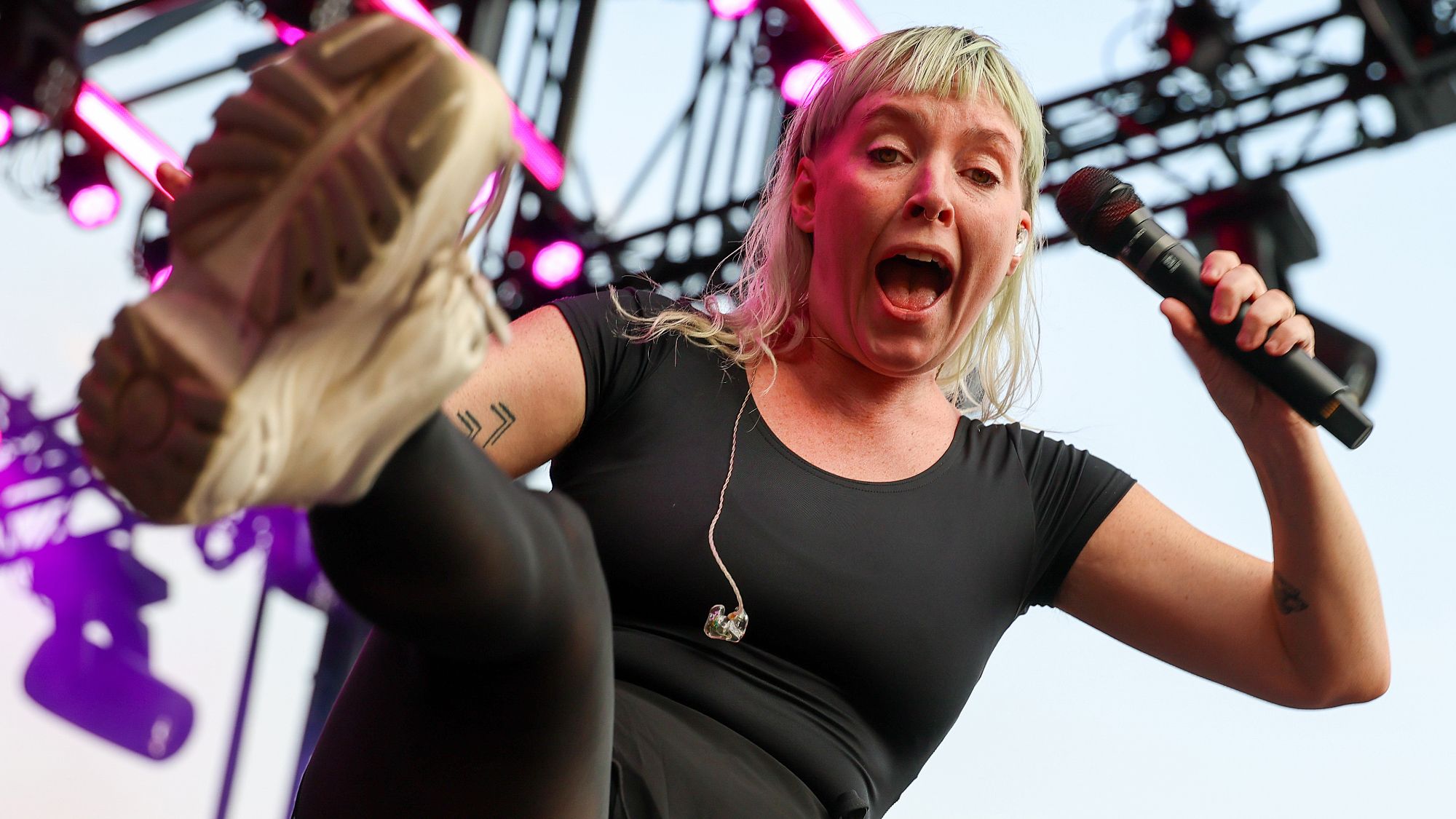
In her message to fans, Meath was careful to clarify that the decision to return to Spotify does not signify a change in the duo’s political convictions.
"Here is what I want you to know," Meath stated. "Nick and our political views have not changed. We do not want to support the business of war."
In an unusual twist for an artist returning to a major platform, Meath actively discouraged listeners from streaming their catalog on Spotify, urging them to seek alternative avenues if they wished to support the band ethically. "I’d rather you didn’t listen to our music on there. Please don’t."
Instead, the duo directed fans toward alternative platforms that offer more equitable compensation structures, such as Bandcamp, Qobuz, and Subvert, or encouraged them to purchase physical media directly from local record stores.
The Broader Implications for Independent Musicians
Sylvan Esso’s capitulation to streaming realities shines a harsh light on the systemic reliance artists have on dominant platforms. Spotify commands an estimated 82% market share of the global music streaming landscape. For independent artists, boycotting the platform is not merely a symbolic statement; it is an active forfeiture of the vast majority of potential audience reach and passive income.
"I get that Spotify is where 82% of streaming happens, but I don’t like it," Meath remarked. "I don’t fucking like it. And I’m really frustrated, but this is the reality. This is the financial reality right now."
Industry analysts point out that Sylvan Esso’s dilemma reflects a wider systemic issue within the modern music economy. Streaming payouts—often calculated at fractions of a cent per stream—frequently fail to cover the basic operational costs of running a modern band, let alone generate sustainable profits for mid-tier acts who lack the massive streaming volume of global pop superstars. When artists attempt to cut ties with platforms over ethical concerns, the economic penalty is borne not just by the founders, but by the tour managers, sound engineers, merch handlers, and administrative staff they employ.
Grassroots Support and Moving Forward
Despite the necessary return to Spotify, Sylvan Esso continues to lean heavily into direct-to-consumer models and live performances to sustain their career. The duo’s recent release cycle for Ow has been accompanied by direct engagement with their core audience.
The band’s schedule reflects a commitment to grassroots connection. Following the announcement, Sylvan Esso made appearances at independent record spaces, including a high-profile instore performance at Rough Trade East, alongside an intimate, secret-location gig in London.
Meath concluded her address by rallying supporters to vote with their wallets and physical presence, urging fans to buy records, attend shows, and actively participate in the local music ecosystem.
As the music industry continues to grapple with the intersection of corporate ethics, tech investments, and streaming economics, Sylvan Esso’s journey serves as a sobering case study. It underscores the profound difficulty of maintaining artistic integrity in a monopolized marketplace where financial survival often requires partnering with the very systems artists wish to oppose.