The nascent social media platform Bluesky, which has positioned itself as a decentralized alternative to X (formerly Twitter), experienced a significant and widespread outage on Thursday, April 16, 2026. After a period of disruption that left its growing user base unable to access feeds, notifications, and search functionalities, the company officially disclosed the root cause: a sophisticated Distributed Denial-of-Service (DDoS) attack. This incident marks a critical challenge for the platform as it strives to establish reliability and security in a competitive and often turbulent social media landscape.
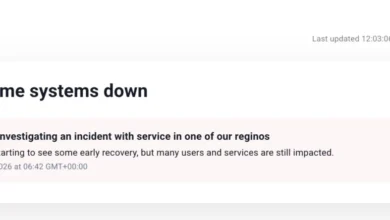
The disruption began to manifest late on Wednesday, April 15, with initial reports of intermittent service issues. Bluesky’s technical teams, recognizing the severity of the situation, immediately initiated mitigation efforts, working continuously through the night and into the following day. The company’s official communication, disseminated via its own platform, confirmed the escalating nature of the attack. "Our team received a report of intermittent app outages at about 11:40pm PDT on April 15, 2026," read the statement. "They worked through the night to mitigate a sophisticated Distributed Denial-of-Service (DDoS) attack, which intensified throughout the day."
Crucially, the statement provided reassurance regarding user data integrity. Bluesky confirmed that, as of their latest assessment, there was no evidence to suggest that any user data had been compromised during the cyberattack. This detail is paramount for any social media platform, as data breaches can severely erode user trust and lead to long-term reputational damage. The company committed to providing further detailed information and updates to its community by 1 p.m. ET on Friday, April 17, demonstrating a commitment to transparency in the wake of the incident.
Understanding the Threat: The Nature of DDoS Attacks
A Distributed Denial-of-Service (DDoS) attack is a malicious attempt to disrupt the normal traffic of a targeted server, service, or network by overwhelming the target or its surrounding infrastructure with a flood of internet traffic. Unlike a simple denial-of-service (DoS) attack that uses a single source, a DDoS attack leverages multiple compromised computer systems as sources of attack traffic. These "botnets" can consist of thousands or even millions of internet-connected devices, including computers, servers, and IoT devices, all controlled remotely by the attacker.

The effectiveness of a DDoS attack lies in its ability to generate an immense volume of illegitimate requests, consuming the target’s bandwidth, processing power, and other resources, thereby preventing legitimate users from accessing the service. This type of cyberattack is relatively common due to the availability of DDoS-for-hire services on the dark web, making it accessible even to those with limited technical expertise. Historically, DDoS attacks have been a persistent threat since the early days of the internet, evolving in sophistication and scale. According to cybersecurity reports, the average cost of a DDoS attack can range from tens of thousands to millions of dollars, encompassing downtime, mitigation expenses, and reputational damage. The average duration of such attacks can vary, but even short, intense bursts can cripple services. Bluesky’s experience underscores that even modern, well-architected platforms remain vulnerable to these fundamental yet powerful forms of cyberaggression.
Bluesky’s Journey and the Broader Social Media Landscape
Bluesky emerged as a significant player in the alternative social media space following Elon Musk’s acquisition and subsequent rebranding of Twitter to X. Many users, dissatisfied with policy changes, content moderation shifts, and perceived instability on X, sought refuge on platforms like Bluesky, Mastodon, and Threads. Bluesky’s appeal was amplified by its foundational technology, the Authenticated Transfer Protocol (AT Protocol), a federated framework designed to give users more control over their data and experience. This decentralized approach promises greater resilience and censorship resistance, though the recent DDoS attack highlights that even federated systems are not immune to centralized points of failure or external assaults.
The platform experienced substantial growth during periods of heightened user exodus from X. Notably, a significant surge in sign-ups occurred after Elon Musk’s takeover and again following the second election of President Donald Trump, which historically has been a catalyst for shifts in online political discourse and platform preferences. At its peak, Bluesky garnered considerable attention, with its invite-only system initially creating an air of exclusivity and demand. However, recent data suggests that this growth momentum has stalled. A report from Forbes in November 2025 indicated a decline in daily active users (DAUs) on Bluesky, mirroring similar trends on X, contrasting with minor gains seen by platforms like Truth Social. This context makes the recent outage particularly challenging, as it comes at a time when the platform is working to solidify its user base and demonstrate long-term viability.
Chronology of the Outage and Response

The timeline of the Bluesky outage unfolded rapidly, underscoring the dynamic nature of cyberattacks and the urgency required for mitigation:
- Wednesday, April 15, 2026, 11:40 PM PDT: Bluesky’s operations team received the initial reports of intermittent application outages, signaling the beginning of the service disruption. This early warning prompted immediate investigation.
- Late Wednesday Night/Early Thursday Morning, April 16, 2026: Bluesky engineers began working around the clock to identify the cause and mitigate the service interruptions. The attack was quickly identified as a sophisticated Distributed Denial-of-Service (DDoS).
- Throughout Thursday, April 16, 2026: The DDoS attack intensified, leading to widespread and sustained service unavailability across the Bluesky platform. Users reported issues with accessing their feeds, receiving notifications, and using the search function. Independent outage tracking services like DownDetector (which, notably, shares a parent company, Ziff Davis, with Mashable) recorded thousands of user error reports, confirming the broad impact of the outage.
- Thursday Evening, April 16, 2026: Bluesky released its official statement on its platform, confirming the DDoS attack and detailing its efforts to restore service. The statement also provided crucial reassurance about the integrity of user data.
- As of Friday Morning, April 17, 2026: Bluesky’s status page indicated that the application was fully online and operational. The company’s transparency extended to its uptime metrics, reporting a robust 99.983 percent uptime over the preceding 90 days, which speaks to the platform’s general reliability prior to this specific incident.
- Friday, April 17, 2026, 1:00 PM ET: Bluesky pledged to release further information and updates, demonstrating a commitment to ongoing communication with its user base.
Implications and Future Outlook for Bluesky
The DDoS attack on Bluesky carries several significant implications for the platform, its users, and the broader federated social media ecosystem.
User Trust and Platform Reliability: For a platform that aims to be a stable and reliable alternative to established social media giants, an outage of this nature, especially caused by a malicious attack, can be a setback. Users migrate to new platforms seeking stability, improved user experience, and often, enhanced security. While Bluesky’s prompt response and reassurance about data integrity are positive, the incident serves as a stark reminder that no online service is entirely immune to sophisticated cyber threats. Maintaining and rebuilding user trust will depend heavily on the platform’s ability to demonstrate robust security measures and resilience against future attacks.
Security for Federated Platforms: Bluesky’s reliance on the AT Protocol and its federated architecture is a key differentiator. While federation can offer benefits in terms of decentralization and reduced single points of failure, the core services that support these federated networks, such as domain name servers, routing infrastructure, or central data repositories, can still be targets for DDoS attacks. This incident highlights the ongoing challenge for federated platforms to secure their underlying infrastructure against concerted attacks, ensuring that the promise of decentralization translates into real-world resilience. The incident will likely spur further discussions and developments in securing distributed network components.

Competition in the Social Media Sphere: The social media landscape is intensely competitive. Bluesky is vying for attention and users against behemoths like X, Meta’s Threads, and other decentralized options like Mastodon. While its initial growth was impressive, the reported decline in daily active users indicates that retaining engagement is an ongoing challenge. An outage, even if quickly resolved, can provide an opportunity for users to explore other platforms, potentially accelerating user churn. Bluesky’s ability to rebound strongly from this incident and prevent future disruptions will be crucial for its long-term competitive standing.
Future Security Measures: In the aftermath of the attack, Bluesky will undoubtedly undertake a thorough review of its infrastructure and security protocols. This will likely involve enhancing its DDoS mitigation strategies, investing in more advanced threat detection systems, and possibly diversifying its server infrastructure to reduce vulnerabilities. The incident serves as a critical learning experience, prompting the platform to fortify its defenses against evolving cyber threats. Transparently communicating these enhanced security measures to its community can help reinforce confidence.
The Bluesky outage, while disruptive, offers a pivotal moment for the platform to demonstrate its resilience and commitment to its user base. By providing clear communication, ensuring data security, and proactively strengthening its defenses, Bluesky can reinforce its position as a credible and secure alternative in the ever-shifting world of social media. The incident serves as a broader industry reminder of the persistent and evolving threat landscape that all online services must navigate.