The Evolution of Social Media in Retail: Mastering Predictive Storytelling and Frictionless Commerce

Social media has fundamentally reshaped its role within the retail landscape, transcending its initial function as a mere digital storefront. Once a platform primarily for product posts and clicks, social media for retail has evolved into a dynamic engine for predictive storytelling, now influencing every stage of the customer journey, from initial discovery to post-purchase advocacy. Leading retailers are leveraging these platforms to anticipate audience needs, authentically reflect their brand values, and seamlessly guide consumers from inspiration to conversion. This profound shift has redefined how brands engage, connect, and drive growth in an increasingly social-first world.
This transformation comes at a pivotal moment when consumer behavior is undergoing significant changes. Data from Sprout Social’s Q1 2026 Pulse Survey reveals that a substantial 66% of individuals feel more selective about the content they engage with compared to a year ago. This growing discernment signals a clear demand for more meaningful storytelling from brands. The most effective retailers are moving beyond purely transactional interactions, instead focusing on building community-driven narratives that cultivate trust, foster loyalty, and ensure sustained relevance in a crowded digital sphere. Furthermore, this storytelling must possess local fluency; for instance, while shoppers in the UK actively engage in commerce conversations on WhatsApp, US audiences remain deeply entrenched on Facebook. For retailers operating across diverse regions like North America and EMEA, success hinges on recognizing that while the core brand story may remain consistent, its articulation and distribution must be meticulously tailored to each specific audience.
To navigate this complex environment, top-performing retail brands are employing sophisticated strategies. We distill eight critical lessons from global industry leaders, including Clinique, Dolce & Gabbana, IKEA, and Burberry, demonstrating how they are mastering storytelling and influence on social media to consistently lead their respective sectors.

The Evolving Digital Commerce Landscape: A Chronology of Change
The journey of social media in retail can be traced through distinct phases, each building upon the last to create the sophisticated ecosystem we see today. Initially, in the early 2010s, social platforms served largely as extensions of brand websites, digital billboards where retailers would simply post product images and direct traffic elsewhere. Engagement was often measured by likes and shares, with little direct conversion capability. The mid-2010s saw the rise of rudimentary influencer marketing, where celebrities or early digital personalities would showcase products, offering a nascent form of peer recommendation. However, these partnerships were often transactional and lacked deeper integration into brand strategy.
As the decade progressed, social media began to integrate more commerce features, such as shoppable tags and in-app checkouts, marking the beginning of true social commerce. The late 2010s and early 2020s accelerated this trend, propelled by the growth of visual-first platforms like Instagram and TikTok, which naturally lent themselves to product discovery and lifestyle integration. The COVID-19 pandemic further solidified social media’s role as a primary shopping channel, as consumers shifted more of their purchasing online. By 2026, social media has become a primary discovery and conversion engine, driven by an imperative for authenticity and community. This evolution has also introduced challenges, notably the rise of generative AI tools, which, according to the Q1 2026 Pulse Survey, have led 88% of respondents to trust news on social media less. This erosion of trust underscores the critical importance of human-centric content in brand communication.
Key Strategies for Mastering Retail Social Media in 2026
Retailers are adopting a multi-faceted approach to thrive in this dynamic environment, moving beyond traditional marketing to embrace predictive, empathetic, and integrated strategies.
1. Cultivating Authentic Narratives Through Real Customer Insight
Modern retail success is intrinsically linked to reactive storytelling and the attention economy, where genuine consumer sentiment is the most valuable currency. The most compelling retail narratives are not fabricated in boardrooms but discovered within the everyday experiences, frustrations, and aspirations of real customers. As trend forecaster Coco Mocoe emphasized in a recent Sprout "Signals to Strategy" webinar, "The attention economy is the real economy." Consumers act on what captures their attention, which explains why a viral TikTok trend, an engaging Instagram Reel, or a relatable meme can deplete product inventories within hours.
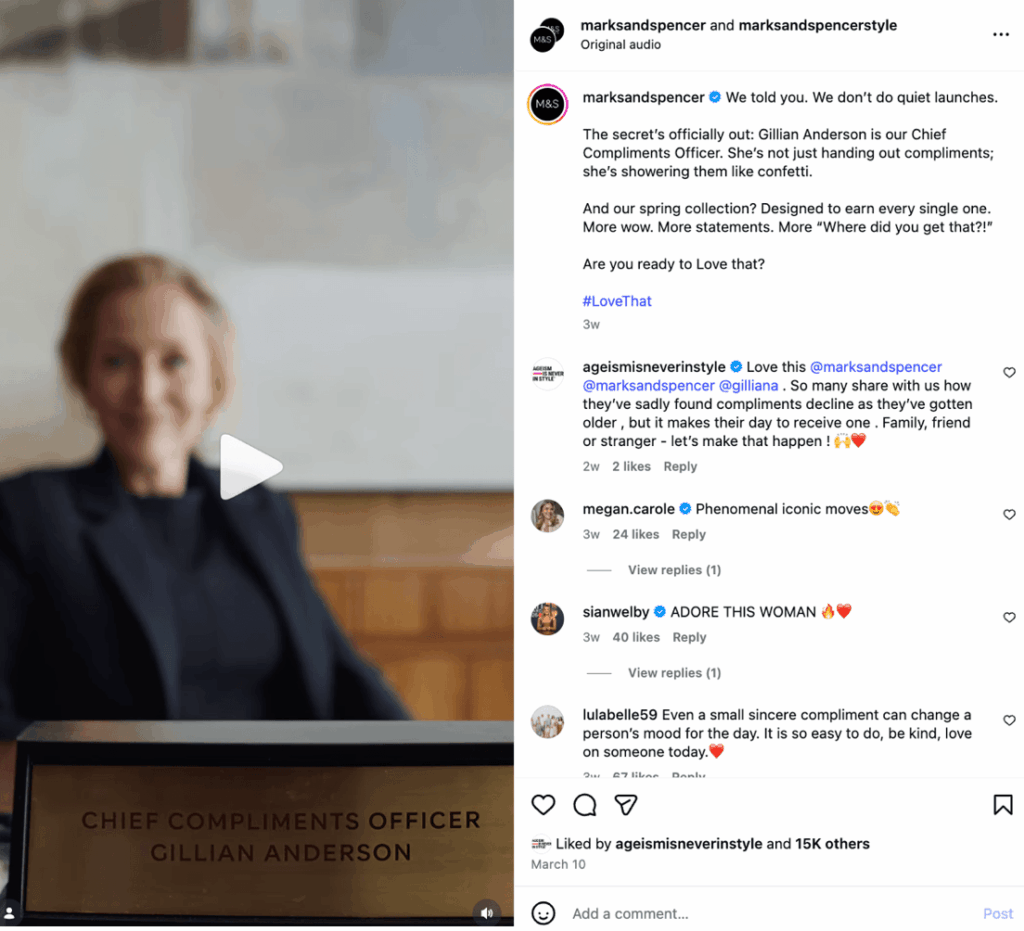
This necessitates a transformation from a brand being a mere broadcaster to becoming an active cultural participant. By anchoring storytelling in authentic customer sentiment and their core concerns, brands reflect the language people actually use and the moments that truly matter to them. This is where social media for retail transcends contrived advertising and becomes genuine. A notable example is Marks and Spencer’s poignant campaign, #LoveThat, featuring Gillian Anderson as their "Chief Compliments Officer" for their spring collection. The concept, that the collection is so appealing it naturally elicits compliments, resonated deeply, drawing enthusiastic reactions from celebrities and fans alike, praising the power of sincere compliments.
To achieve this, brands must leverage social listening as an active intelligence engine, identifying and responding to real-world desires and frustrations expressed in comments and direct messages. This proactive approach uncovers narratives that audiences are already forming. Furthermore, brands should tap into high-intent signals by engaging in intimate spaces like private social groups and niche communities, reaching individuals actively invested in specific passions rather than passively scrolling. This strategy fosters genuine loyalty by positioning the brand as a value-adding community member, rather than an intrusive advertiser. Paul Nowak, Senior Manager Brand and Customer Insights at Sprout Social, highlights that for retailers in 2026, "real growth will come from depth, not just reach." This sentiment is supported by the Q1 2026 Pulse Survey, which found that 27% of consumers desire community-focused content from brands. "Private social groups, Substack, in-person meetups, these are all spaces and moments built around shared passions, and the signal here is no longer about clout, but about community. For brands, it’s a great opportunity to show up authentically and connect with customers in a genuinely relatable way," Nowak notes.
2. Optimizing for Social Discovery Across Platforms
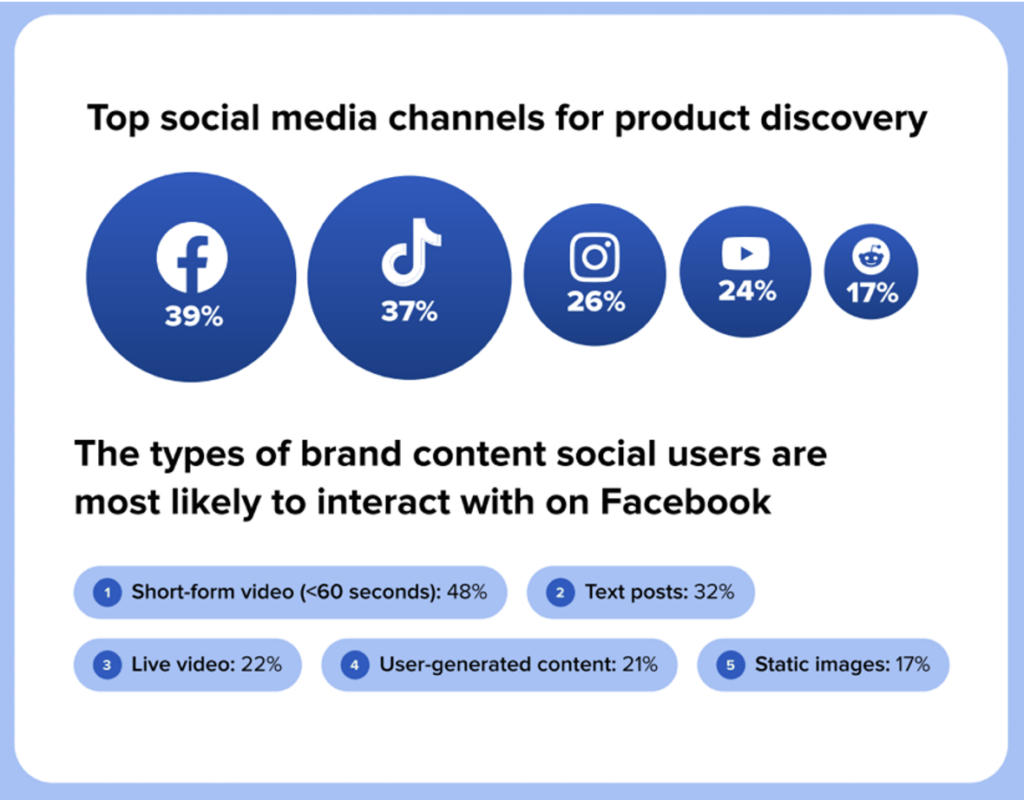
In an era where social media has become the primary conduit for product discovery, retail brands must strategically design their social presence for maximum discoverability. The 2026 Sprout Social Content Strategy Report identifies Facebook, Instagram, and TikTok as the top networks for product discovery. This means creating content that is native to each network’s culture, format, and algorithmic preferences, rather than simply repurposing campaigns across platforms. This could involve a dynamic Facebook Reel, a captivating teaser on TikTok, a behind-the-scenes sequence on Instagram Stories, or an interactive community poll that empowers the audience as co-authors of future content.
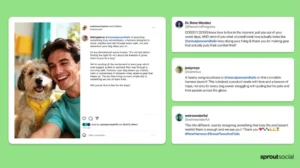
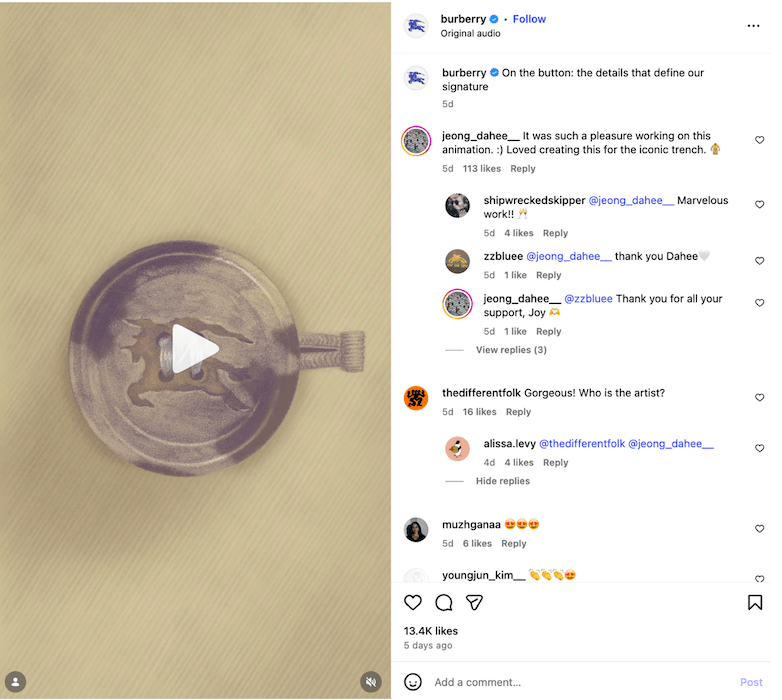
To master discoverability, retailers must view the algorithm as a partner by implementing social SEO. This extends beyond basic hashtags to include deliberate keywords in captions, spoken dialogue within videos, and platform-specific metadata like alt-text. By aligning these optimization tactics with a cohesive narrative, brands move beyond the "digital catalog" model, transforming into predictive storytelling engines that capture high-intent customers at the precise moment of discovery, thereby converting fleeting engagement into enduring loyalty. Coco Mocoe further points out that the comment section is an often-overlooked yet incredibly effective tool. In the 2026 landscape, merely posting a video is insufficient; the true storytelling unfolds in the replies. Mocoe advises brands to proactively anchor videos with a pinned comment summarizing key takeaways and inviting community suggestions for future topics. This is not just about engagement but a sophisticated social SEO strategy that feeds the algorithm relevant keywords while signaling to the platform that the content is a hub for active conversation. "Comments are central to shaping the narrative," Mocoe states. "They drive the algorithm, but more importantly, they drive trust. In many cases, the top comments can be more influential to a consumer’s purchasing decision than the person actually speaking in the video." Burberry exemplifies this with a post featuring an animation by artist Jeong Dahee detailing their iconic trench coat, captioned "On the button: the details that define our signature." By focusing on the product’s essence and eschewing flashy production, the post instantly captivated attention, prompting audiences to inquire about the artist. Treating the comment section as a dynamic extension of the brand story transforms a one-way broadcast into a two-way community dialogue, cutting through the noise of crowded feeds.
3. Prioritizing Human-Centric Storytelling Amidst Digital Noise
Authenticity is paramount. According to the 2025 Content Benchmarks Report, consumers cite content originality as the primary reason a brand captures their attention and remains memorable. Originality, in this context, stems from truth, not merely polished production or technological innovation. In an era marked by an abundance of AI-generated content—where 88% of respondents in the Q1 2026 Pulse Survey express less trust in social media news due to generative AI—human-centric storytelling emerges as the most significant differentiator for brands.
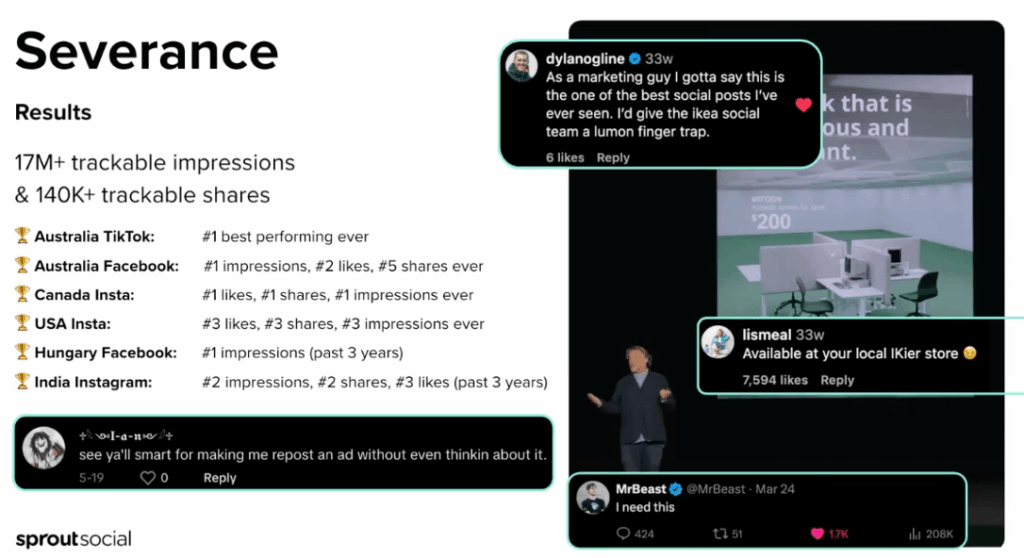
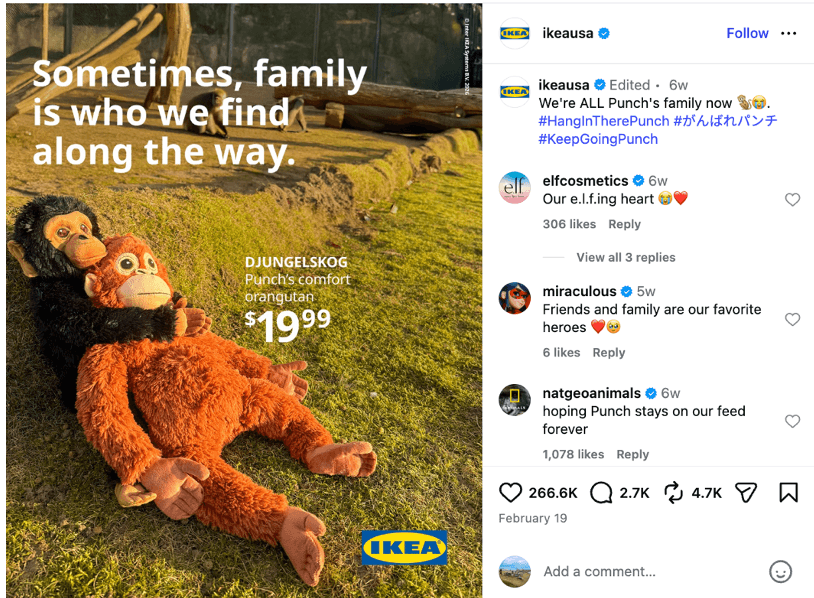
Trust is cultivated by centering content on real people and their lived experiences. When brands prioritize humanity, they communicate that their audience is a valued community, not merely a demographic. This approach, which resists mass appeal in favor of brand truth to create human-generated social content, gains immense power, particularly when thoughtfully applied to cultural trends. Elissa Wardrop, Global Social Media Content Specialist at IKEA, explains, "Some of the most successful, memorable IKEA campaigns have piggybacked off pop culture. But the trick with trends is, you shouldn’t jump on every trend. We want to innovate, not imitate. If we’re not bringing something new, relevant and uniquely IKEA to the moment, then it’s not worth doing." IKEA Australia’s viral post during the season finale of "Severance" perfectly illustrates this. The campaign utilized dark humor and relatability to connect with consumers, rather than overtly showcasing products. Understanding the audience’s existing connection between IKEA and the show made it a global hit, replicated by IKEA in 17 other countries. Similarly, IKEA’s "Punch the Monkey" post achieved viral success by blending humor, cultural relevance, and emotional appeal, making the brand feel more human and socially fluent.
4. Building Brand Familiarity with Episodic Content Series
Episodic content series are crucial for driving sustained engagement and building lasting brand value, helping retail brands transition from being merely seen to being truly remembered. This format delivers strong entertainment value, a top priority for 30% of consumers according to the Q1 2026 Pulse Survey. Unlike one-off posts that vie for fleeting attention, a content series creates narrative continuity, providing audiences with a compelling reason to return and cultivate a relationship over time.
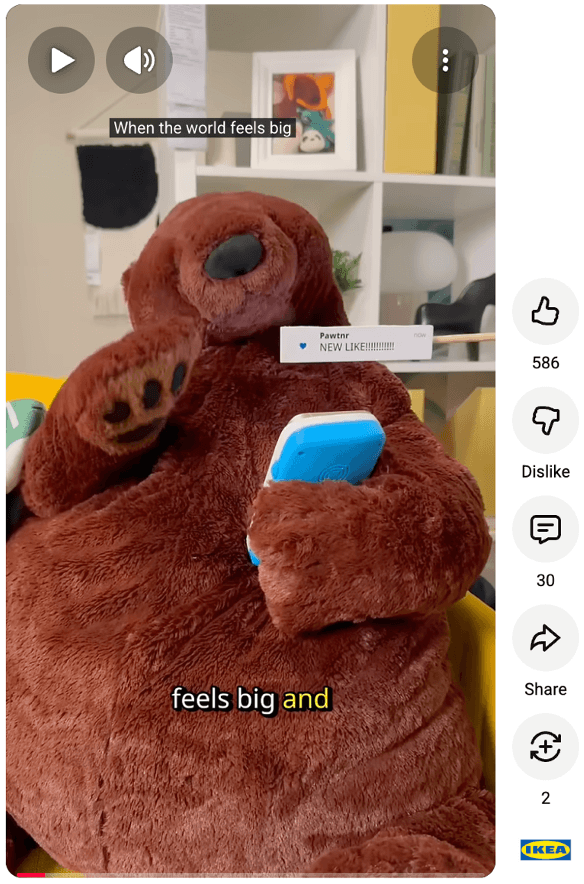
Whether through styling guides, behind-the-scenes drops, or customer spotlight stories, this format transforms passive viewers into active participants. Each installment reinforces brand cues, deepens familiarity, and increases the likelihood of conversion. Episodic content also aligns with how social networks reward consistency; recurring formats signal reliability to both audiences and algorithms, leading to stronger engagement and higher watch-through rates. However, success depends on more than mere repetition; it demands a clear narrative arc, a recognizable structure, and ample opportunity for audience input. IKEA UK’s "Life in Stitches" exemplifies this storytelling approach. Functioning as a mini-sitcom, it features IKEA plush toys as recurring characters navigating relatable everyday scenarios like dating, friendships, and awkward social situations. Each short episode builds on familiar personalities and plots, making it feel less like branded content and more like a show audiences genuinely want to follow. In a crowded feed, episodic content provides a powerful incentive for people to stay tuned, especially when it feels co-created and evolves based on community feedback and cultural moments.
5. Leveraging Influencer Partnerships as Strategic Growth Drivers
In the 2026 retail landscape, influencer marketing has matured from a tactical experiment into a critical pillar of top-line growth. The 2025 Influencer Marketing Report indicates that 59% of marketers plan to expand their creator partnerships in 2026, signifying a shift towards long-term, "always-on" collaborations rather than isolated sponsored posts. Brands must treat influencers as authentic storytellers, moving away from rigid, brand-controlled briefs to embrace creator-led narratives. This taps into the deep trust influencers have already cultivated with their followers.
When influencers and creators are integrated as strategic partners—involved in product development and regional storytelling—they do more than just generate impressions; they drive high-intent discovery that translates directly into loyalty and social commerce conversion. Brands are increasingly adopting automated influencer sourcing tools, such as Sprout Social Influencer Marketing, to efficiently scale their influencer ecosystems. These AI-powered solutions identify creators whose audience signals perfectly align with the brand and its target communities, while simultaneously enabling teams to manage the complexities of attribution and relationship health at scale.
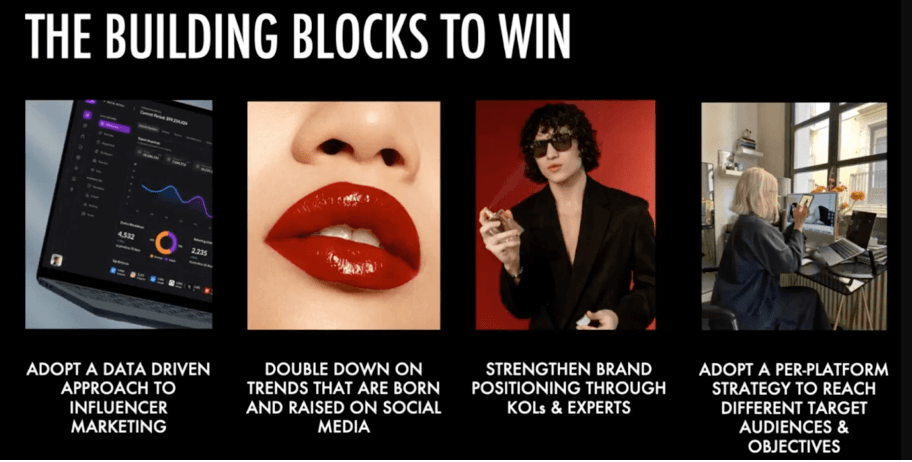
Luxury brands like Dolce & Gabbana utilize data-driven strategies to inform their influencer marketing, with the objective of positioning themselves among the top 10 luxury brands globally. The competition extends beyond smaller brands to equally ambitious and data-driven global powerhouses. Piera Toniolo, Global Head of Influencer Marketing at Dolce & Gabbana, emphasizes that the brand approaches influencer marketing as a precise science rather than a mere vanity project. They recognize that high-end influencer marketing requires a departure from one-size-fits-all content in favor of network-specific intentionality. By mapping networks where their audiences are most active—primarily Instagram, TikTok, and YouTube—to different stages of the marketing funnel, they ensure each piece of content serves a strategic purpose, avoiding the dilution that comes from duplicating messages across the web. As Toniolo states, "If you treat all the platforms the same, you dilute your impact." Furthermore, involving creators from the initial stages, rather than just for execution, ensures campaigns are rooted in authentic community voices and proven local appeal. Dolce & Gabbana’s strategy includes deep landscape mapping to identify who truly owns the conversation and where competitive gaps exist. By analyzing trend velocity and consumer behavior before activating any partnership, every decision is rooted in the "why" behind creator success, not just the numbers. Toniolo concludes that success is not merely about adhering to best practices; it’s about identifying gaps where competitors are silent or where a specific type of creator is underutilized, ensuring influencer content genuinely acts as a growth lever.
6. Localizing Content for Global Resonance and Regional Relevance
The most effective retail brands leverage localization as a creative advantage, adapting their storytelling to reflect local culture, trends, and community signals. Whether through regional humor, partnerships with local creators, or culturally relevant moments, the goal is not to reinvent the brand story but to make it feel native to each audience. As more consumers initiate their shopping journeys on social media, this approach yields significant long-term impact. The Q4 2025 Pulse Survey indicates that over half of Gen Z and Millennials begin their shopping on social, with 25% expecting prioritized direct social selling in 2026.
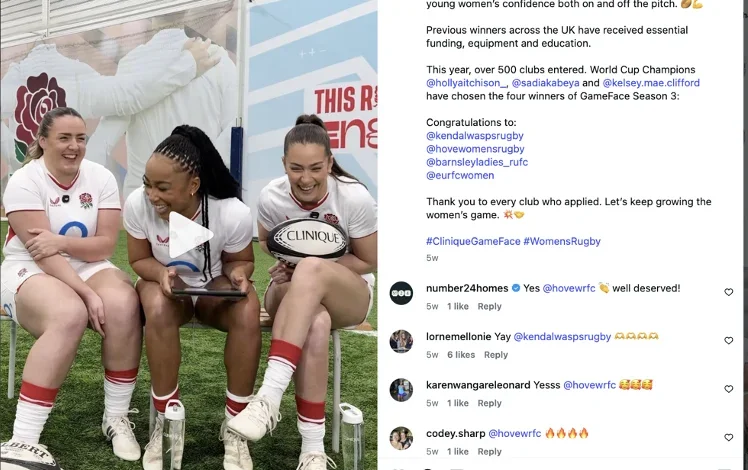
Scaling content does not imply standardization; rather, it means ensuring narrative consistency within a flexible framework. Brands must localize within clear guidelines, anchoring every story in shared values, visual identity, and voice, while allowing flexibility in execution. With the right balance of centralized strategy and local insight, retail brands can create content that feels globally cohesive yet deeply personal. For Clinique, the international strategy is meticulously refined at every corporate level to strike this balance. While global headquarters defines the overall vision, develops products, and manages the master marketing calendar, regional teams (e.g., EMEA) adapt these guidelines into specific regional strategies before disseminating them to individual local markets. Lysis Bourget-Vennin, Senior Brand Engagement Manager for Clinique EMEA, notes, "This way, each campaign is different because there also needs to be local relevance for each market." In practice, this involves balancing regional strategy with local execution through tiered creator squads, brand safety protocols, and market-specific trend analysis. Regional teams safeguard the brand’s core values by vetting top influencers and guiding local efforts, ensuring every campaign is culturally relevant while meeting global standards. The Clinique GameFace initiative serves as a prime example. While rooted in Clinique’s global values of confidence, authenticity, and empowerment, its execution is distinctly local. By partnering with Red Roses Rugby, an esteemed institution in English women’s sport, Clinique UK anchored the campaign in something genuinely resonant with a British audience.
7. Empowering Employees as Authentic Brand Storytellers
Some of the most potent stories a retail brand can tell are not meticulously crafted by marketing teams; they are lived by the individuals who represent the brand daily. According to the Q1 2026 Pulse Survey, a notable 16% of people prefer to hear from front-line employees, compared to just 9% who want to hear from executives. Store associates who genuinely love the products they sell, warehouse teams who take pride in accurate order fulfillment, and employees who embody the brand’s values in their daily routines are all invaluable storytellers. When brands empower these voices, providing them with the tools and framework to share their authentic experiences, the resulting content carries an unparalleled authenticity that cannot be replicated. In an era where consumers are increasingly wary of AI-generated content, this genuine "realness" is a rare and highly valuable currency.
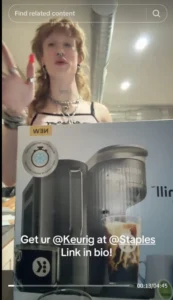
Employee-generated content effectively bridges the gap between brand and community with a credibility that traditional advertising cannot achieve. These posts can take many forms, from "day-in-the-life" videos to educational content, resonating with audiences who prefer to hear from real people rather than polished spokespeople. When employees share their experiences, they humanize the brand from the inside out, as demonstrated by Staples with the popular "Staples Baddie" TikTok account. This account shares engaging day-in-the-life videos that deeply resonate with audiences seeking authentic perspectives. Brands must view their employee content collaborators as true partners, integrating them into the brand story to translate their experiences into content that connects with both them and their specific communities.
8. Streamlining the Path from Storytelling to Seamless Commerce
Within a modern retail social media strategy, the distance between inspiration and purchase has never been shorter. Brands failing to capitalize on this momentum risk quietly conceding sales to competitors. Every piece of content a retail brand publishes effectively acts as a potential storefront, and brands must design their stories with this conversion pathway built in from the very outset. Integrating storytelling with shoppable experiences is no longer a "nice-to-have" feature; it’s a fundamental expectation. Consumers, conditioned by platforms like TikTok Shop, Instagram Checkout, and Pinterest’s shoppable Pins, demand a frictionless commerce experience.
Consider the video collaboration between e.l.f Cosmetics and glassblowing artist @courtneykinnare to announce the launch of their Sherbet Punch Glow Reviver Melting Lip Balm on TikTok Shop. The video masterfully shows molten glass being shaped, with warm yellow/orange tones mirroring the balm’s sherbet aesthetic, seamlessly tying the artistic story to a shoppable moment that drives conversion. Product tagging should feel like a natural extension of the narrative, not an intrusive interruption. This means a creator styling an outfit where each piece links directly to a product page, or a brand video transitioning smoothly into an in-app checkout experience without ever breaking the viewer’s immersion. The ultimate goal is to transform the traditional sales funnel into a single, fluid moment where the emotional peak of the story and the immediate opportunity to buy converge. When a customer is moved by content and the path to purchase is instantaneous, intuitive, and effortless, the process feels less like commerce and more like a natural continuation of a story they genuinely wish to be a part of.
A critical component of this seamless shopping experience is robust social customer care. Whether it involves answering pre-purchase questions or supporting customers post-sale, responsive care is paramount for driving trust and conversion. The 2025 Sprout Social Index™ underscores its impact, revealing that a significant 73% of consumers will switch to a competitor if their questions or concerns go unanswered on social media.
Future-Proofing Your Social Media Marketing for Retail
Mastering storytelling and influence in retail ultimately boils down to authenticity at every level. The most effective retail marketing strategies begin when brands accurately identify the signals that matter and leverage them to forge genuine connections with their audiences. These brands skillfully use social intelligence to anchor global narratives in local culture, transforming every product launch into a community-driven event. As social commerce continues to bridge the distance between compelling content and direct purchase, the brands that will truly win are those who treat every touchpoint as a story worth believing in. By synthesizing social conversations into actionable insights, anticipating trends with predictive intelligence, driving loyalty through unified customer care, strengthening brand positioning, and engaging with consumers faster through the right tools, retailers can future-proof their social media marketing for sustained measurable impact.
FAQs about Social Media Marketing for Retail
What is social media marketing for retail?
Social media marketing for retail is the strategic practice of utilizing social networks such as Instagram, TikTok, and Facebook to effectively showcase products, engage deeply with customers, and drive both online and in-store sales. It transforms digital scrolling into a dynamic shopping experience by thoughtfully combining targeted advertising with authentic brand storytelling.
What is the best social media platform for retail?
According to the 2026 Sprout Social Content Strategy Report, Facebook remains the leading network for product discovery. Entering 2026, 62% of marketers plan to allocate more time and resources to this platform. Beyond Facebook, Instagram is an exceptionally versatile platform for retail due to its high-intent discovery engine and seamless Shoppable Reels, which allow consumers to purchase products without leaving the app. TikTok follows closely, proving invaluable for viral growth and "shoppertainment," particularly for brands targeting Gen Z audiences.
What type of content works best for retail on social media?
Authentic storytelling, complemented by user-generated content (UGC) that displays products in real-world settings, is highly effective for building trust. Short-form videos, including how-to tutorials and behind-the-scenes (BTS) content, also drive significant engagement as they humanize the brand and offer valuable insights.
How can retail stores increase sales through social media?
Retail brands can significantly boost sales by incorporating shoppable posts and optimizing their link-in-bio to reduce friction, enabling customers to move from discovery to checkout in just a few clicks. Additionally, running limited-time social exclusives and retargeting ads helps capture casual online visitors and incentivizes immediate purchases. Robust social customer care also serves as a critical growth lever by fostering loyalty and mitigating any friction buyers might encounter during the purchasing process.
How do you measure the success of social media marketing in retail?
Retail brands measure ROI by integrating conversion tracking pixels and UTM parameters with direct sales data to precisely identify which posts lead to purchases. They also closely monitor engagement rates and customer acquisition costs (CAC) to ensure that social media expenditure is effectively building long-term brand equity alongside immediate revenue generation.