The animation landscape in mid-2026 is currently navigating a period of unprecedented volatility and creative resurgence, marked by landmark legal decisions, the revival of previously suppressed intellectual properties, and a fundamental shift in how the next generation of artists is trained for the global market. As the industry gathers for the annual San Diego Comic-Con, the convergence of major corporate restructuring and grassroots artistic movements is highlighting a sector that is simultaneously grappling with the limitations of the streaming era and the boundless potential of independent production. From the courtroom battles surrounding the proposed merger of entertainment giants to the innovative pedagogical methods of veteran story artists, the current state of animation reflects a medium in the midst of a significant structural transformation.
Legal and Corporate Restructuring: The Paramount-Skydance and Warner Bros. Discovery Merger
In a decision that has sent shockwaves through the global media landscape, a federal judge has issued a temporary injunction to halt the proposed $110 billion acquisition of Warner Bros. Discovery by the newly formed Paramount-Skydance entity. This merger, which would have created the largest content library in the history of cinema and television, faced immediate scrutiny from the Department of Justice and various industry watchdogs concerned with market concentration and the potential for monopolistic control over the animation pipeline.
The judge’s ruling cited concerns regarding vertical integration, suggesting that the consolidation of Warner Bros. Animation, Cartoon Network Studios, Paramount Animation, and Skydance Animation under a single corporate umbrella could stifle competition and reduce the diversity of content available to consumers. For the animation industry, the implications are profound. Warner Bros. Discovery, led by CEO David Zaslav, had already become a focal point of controversy due to its aggressive cost-cutting measures, which included the cancellation of nearly completed projects for tax write-offs. The potential merger with Skydance, headed by David Ellison, was seen by some as a stabilizing force and by others as a final blow to the independence of historic animation legacy brands.
Analysts suggest that if the merger eventually proceeds, the combined entity would control approximately 40% of the Saturday morning and streaming animation market. This concentration of power has led to a mobilization of the Animation Guild and other labor organizations, who argue that such a behemoth would have undue leverage in contract negotiations, potentially leading to lower wages and less favorable working conditions for artists and writers. The temporary halt allows for a more rigorous discovery phase, during which the court will examine internal communications regarding the planned integration of the various animation departments.
The Redemption of Coyote vs. Acme and the Shift in Distribution Models
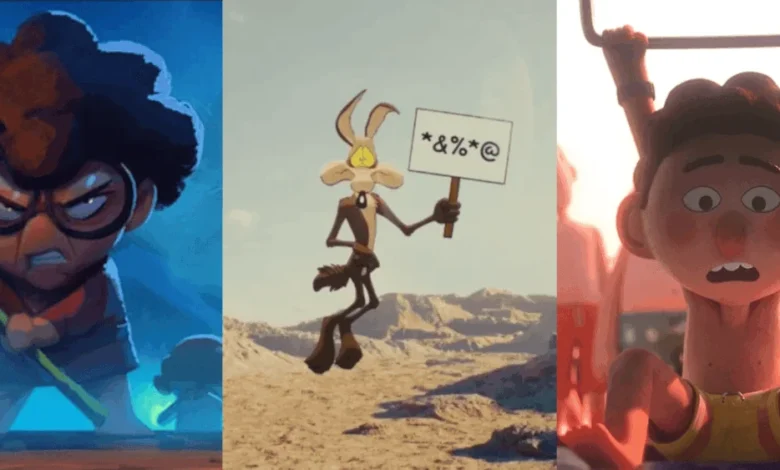
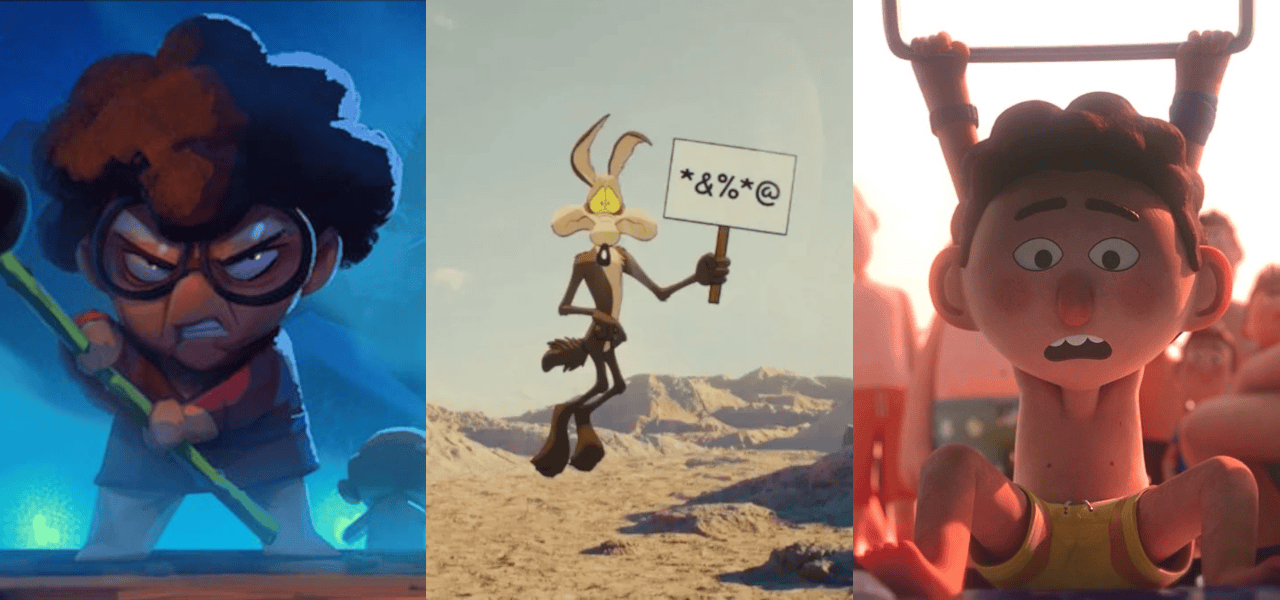
Parallel to the corporate legal battles is the triumphant return of Coyote vs. Acme, a film that has become a symbol of the "shelved-for-tax-purposes" era of Hollywood. After being written off by Warner Bros. in a move that drew widespread condemnation from the filmmaking community, the film was eventually rescued by Ketchup Entertainment. The release of the final trailer this week marks a pivotal moment for the industry, proving that there is a viable market for films that were once considered corporate liabilities.
The trailer, which quickly trended across social media platforms, highlights the film’s blend of live-action and classic 2D-inspired 3D animation, a technique that has seen a resurgence following the success of the Spider-Verse franchise. The industry’s enthusiasm for the project is not merely based on nostalgia but on the principle of creative preservation. The successful transition of Coyote vs. Acme from a discarded asset to a major theatrical release provides a blueprint for other "lost" projects. It suggests that independent distributors and mid-tier studios are increasingly willing to step in when major conglomerates prioritize short-term financial gains over long-term brand equity.
Netflix and the Global Success of Swapped
While traditional studios face legal hurdles, streaming giant Netflix continues to solidify its position as a dominant force in feature animation. Skydance Animation’s Swapped has officially entered the platform’s all-time top ten most-watched original movies, marking a significant milestone for the studio’s partnership with Netflix. This achievement places Skydance in the rare position of having two simultaneous entries in the top ten, a feat previously reserved for major live-action franchises.
The success of Swapped is a testament to the "Skydance Effect"—a combination of high-budget production values and broad, family-friendly storytelling that appeals to a global audience. Data indicates that Swapped saw particularly high engagement in non-English speaking markets, emphasizing the universal appeal of stylized animation. This success is also a validation of Skydance’s decision to move its distribution from Apple TV+ to Netflix, gaining access to a larger subscriber base and more robust algorithmic promotion. For the broader industry, this data point confirms that high-quality animation remains one of the most reliable drivers of subscriber retention and acquisition in the competitive streaming landscape.
San Diego Comic-Con 2026: Franchise Expansions and "Lost" Media
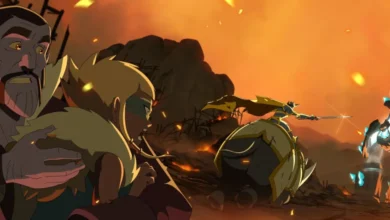
San Diego Comic-Con has long been the primary venue for major franchise announcements, and 2026 has proven to be no exception. Paramount+ utilized the event to unveil the first teaser for Avatar: Seven Havens, the latest installment in the Avatar: The Last Airbender universe. Set in a post-cataclysmic era, the series introduces a new Avatar who must navigate a world where humanity has grown cynical of the spiritual cycle, viewing the Avatar as a harbinger of destruction rather than a savior. This narrative shift represents a maturing of the franchise, moving toward more complex sociopolitical themes that resonate with an older demographic while maintaining the elemental action that defined the original series.
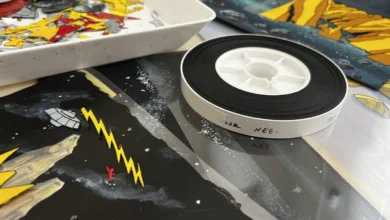
In a move that delighted "lost media" enthusiasts, it was also announced that a curated selection of Star Wars Detours—the long-shelved comedic take on the Galaxy Far, Far Away—will finally be screened. Produced by Lucasfilm in collaboration with Seth Green and Matthew Senreich of Robot Chicken fame, the series consisted of 39 completed episodes that were put into storage following Disney’s acquisition of Lucasfilm in 2012. The screening at the Lucas Museum of Narrative Art in Los Angeles marks the first time the public will see the project in its finished form. While a full streaming release on Disney+ has not yet been confirmed, the decision to showcase the work suggests a softening of the corporate stance on "non-canonical" content.
Innovation in Animation Education: The YOKAi Project
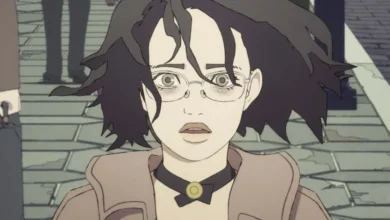
Away from the billion-dollar mergers and franchise teasers, a significant shift is occurring in how animation talent is cultivated. Matt Jones, a veteran story artist with credits at Pixar and on the Spider-Verse films, has pioneered a new model for animation education. Faced with the challenges of remote teaching during the pandemic, Jones initiated the YOKAi project, an original anime-inspired horror feature that served as a live laboratory for his students.
Rather than working on isolated exercises, students were tasked with storyboarding the entire feature film under Jones’s supervision. The result is a professional-grade animatic, complete with a full voice cast, original score, and sound design. This "studio-simulated" approach provides students with a portfolio piece that demonstrates their ability to work within a cohesive narrative structure and a collaborative pipeline—skills that are often lacking in traditional academic settings.
The YOKAi project has garnered attention from major studios as a potential new recruitment tool. By bypassing the traditional short-film model, Jones has demonstrated that students can produce high-level narrative work that mirrors the actual demands of a professional story department. This model is particularly relevant in 2026, as the demand for sophisticated storyboarding increases with the proliferation of adult-oriented and genre-specific animation.
.png)
Artistic Achievement: Uri Lotan’s Black Slide
In the realm of short-form animation, Uri Lotan’s Black Slide has emerged as a critical darling and a Cartoon Brew Pick. The film, which has been shortlisted for an Academy Award, utilizes the visceral experience of a terrifying waterslide as a metaphor for a child’s journey through grief. The short is notable for its atmospheric lighting and its ability to convey complex emotional states through character movement and environmental storytelling.
Lotan’s work represents the "personal" side of the industry—the independent filmmakers who use the medium to explore themes that are often too niche or sensitive for major studio features. The success of Black Slide on the festival circuit and its subsequent shortlisting highlight the enduring importance of the short film as a space for technical and narrative experimentation.
Analysis of Implications and Future Outlook
The events of July 2026 illustrate an industry at a crossroads. The legal intervention in the Paramount-Skydance-Warner Bros. Discovery merger suggests that the era of unchecked consolidation may be reaching its limit, as regulators begin to recognize the cultural and economic value of a competitive animation ecosystem. Simultaneously, the revival of Coyote vs. Acme and Star Wars Detours indicates a growing recognition that finished creative work has intrinsic value that transcends its status as a tax asset.
As the industry moves forward, the success of Skydance on Netflix and the creative innovation seen in projects like YOKAi suggest that the future of animation lies in a hybrid model. This model combines the massive reach of global streaming platforms with the agility of independent production and the rigors of specialized, studio-focused education. While the corporate landscape remains uncertain, the creative output of the animation community continues to expand, driven by a new generation of artists who are as savvy about the business of animation as they are passionate about the art form.
The coming months will be critical as the courts deliberate on the future of the industry’s largest players and as audiences respond to the new wave of franchise and original content. What is clear, however, is that animation is no longer a secondary sector of the entertainment industry; it is a primary driver of cultural conversation, technological innovation, and economic value in the digital age.