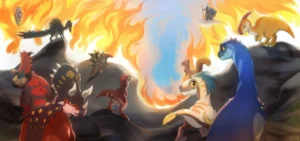
Talon and the Champions of Saurithia is carving a new path for independent animation by placing dinosaurs at the center of an epic fantasy narrative.

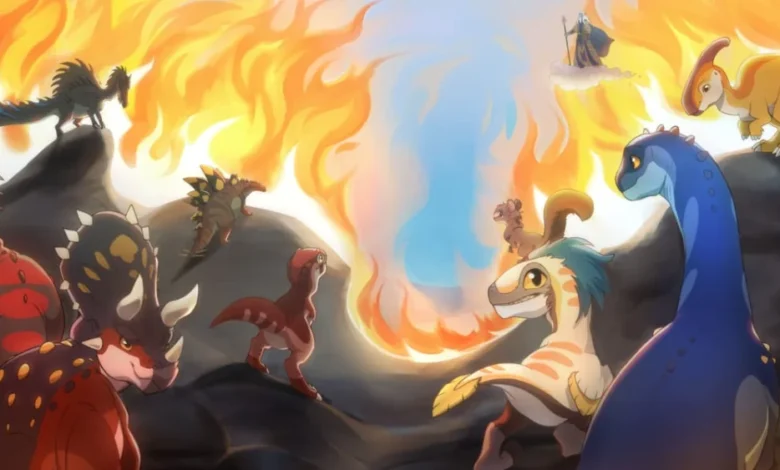
The animated series, developed by Heather Parra under the banner of Lunar Dragon Entertainment, has captured significant audience interest, with its pilot episode accumulating over 1.7 million views on YouTube. By blending the prehistoric, grounded atmosphere of classic animation with the high-stakes elemental combat found in contemporary anime, the project is challenging industry norms that typically relegate dinosaurs to the roles of mindless monsters or secondary creatures in human-centric stories.
Evolution of a Prehistoric Vision
The journey of Talon and the Champions of Saurithia began years before its digital debut. For creator Heather Parra, the concept of a dinosaur-led narrative underwent numerous iterations as she sought the optimal medium to convey her world-building. Initially conceptualized as a novel, the project transitioned through various formats—including comic book storyboards and feature-film scripts—before Parra concluded that an episodic, animated series provided the best canvas for the expansive mythology she had envisioned.
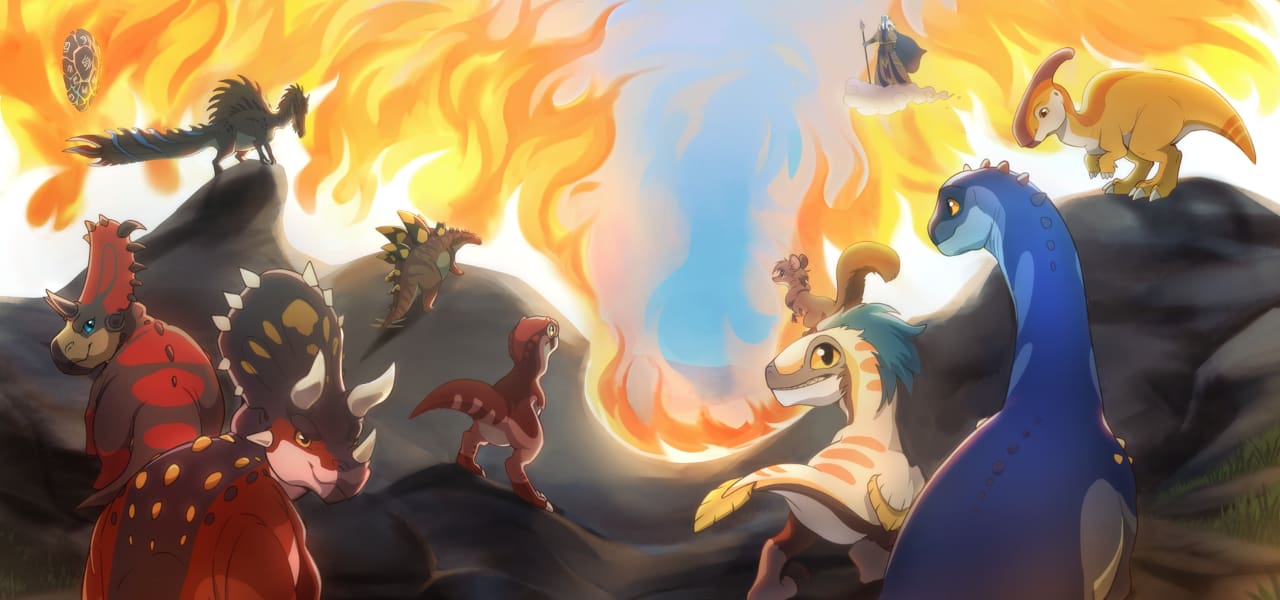
Influences for the project are diverse, drawing from both the literary and cinematic worlds. Parra cites Robert T. Bakker’s Raptor Red as a primary inspiration for the series’ grounded depiction of daily dinosaur life and its reliance on minimal, purposeful dialogue. This stylistic choice is particularly evident in the characterization of Razer, Talon’s sister, whose perspective serves as a window into the naturalistic, often harsh realities of the Cretaceous period.
The tonal shift toward a family-friendly, high-fantasy adventure was a deliberate strategic choice. While Genndy Tartakovsky’s Primal demonstrated the potential for adult-oriented, violent prehistoric storytelling, Parra opted to diverge from that path. Instead, she looked to the emotional depth and world-building of The Land Before Time and the elemental magic systems seen in Avatar: The Last Airbender. By synthesizing these elements, she has created what she terms "fossil fantasy"—a sub-genre that seeks to bridge the gap between educational, nature-focused narratives and high-octane action.
Production and Industry Collaboration
Transitioning from an independent concept to a polished, professional production required the acquisition of industry expertise. Recognizing the need for structural guidance, Parra brought in former Cartoon Network Studios executives Brian A. Miller and Jennifer Pelphrey as executive producers. Their involvement has been instrumental in scaling the production, allowing the project to move from a solo endeavor to a collaborative effort involving experienced professionals.
.png)
The animation quality of the pilot reflects the involvement of Sunmin Image Pictures, the South Korean studio recognized for its work on acclaimed series such as Amphibia, Ben 10, and Infinity Train. The integration of high-level talent extends to the voice cast, where casting and voice director G.K. Bowes secured industry veteran Dee Bradley Baker—known for his extensive work in creature and character voice acting—to join the project. This infusion of veteran expertise has helped elevate the production values, allowing the series to compete visually and tonally with established studio-backed projects.
The Mechanics of the Saurithian World
At the core of the series is the "Aura" system, a magical construct that grants dinosaurs elemental powers. This world-building serves as the primary driver for the plot, which revolves around the "Champions of Saurithia." The upcoming episodes are designed to deepen this lore, shifting focus toward the training and trials required to earn the title of "Champion."
The narrative structure for the next chapter of the series emphasizes a competitive hierarchy. Parra has structured the progression of characters through a series of "Trials," where contenders wielding the same elemental Aura must spar not only against an established Master but also against one another. This competitive framework provides a natural, action-oriented flow that aligns with the tropes of the shonen anime genre, effectively utilizing the physical attributes of different dinosaur species to represent different elemental affinities.
Financial Models and Distribution Strategy
The success of the pilot on YouTube has provided a Proof of Concept that serves as a cornerstone for future fundraising. Currently, the production is pursuing an independent funding model, relying heavily on crowdfunding to sustain the costs associated with high-quality 2D animation.
The financial reality of the animation industry remains a significant hurdle. Producing high-fidelity 2D animation is resource-intensive, and as Parra has noted, the current economic climate makes independent financing a delicate balancing act. Her long-term strategy involves a four-season arc. While the primary goal remains to maintain creative independence through crowdfunding and community support, the team is not entirely closed to the possibility of traditional distribution. Parra has indicated that with the right contract, which would preserve the integrity of the project, a move to a streaming platform could be a viable path forward to ensure the long-term sustainability of the series.
Broader Implications for Independent Animation
The success of Talon and the Champions of Saurithia serves as a case study for the current landscape of independent media. In an era where many major studios have pivoted toward adult-oriented comedies or safe, established intellectual properties, projects like Parra’s highlight a significant, underserved market for family-friendly, epic fantasy animation.

The project’s ability to garner 1.7 million views without the backing of a major network or streamer suggests a growing audience appetite for original, high-concept storytelling. Furthermore, the decision to prioritize character-driven dinosaur narratives—moving away from the "monster-of-the-week" trope—is indicative of a broader trend in character design where anthropomorphism is used to deepen empathy rather than simply for comedic effect.
As the series moves into its second phase, the industry will be watching to see if this model of fan-funded, independent, high-quality animation can remain viable over a multi-season run. The shift toward world-building and the expansion of the Champion Pack suggests that the creators are confident in their ability to sustain viewer engagement. If Talon and the Champions of Saurithia can successfully navigate the transition from a viral pilot to a full-fledged series, it could set a new precedent for how independent creators bypass traditional gatekeepers to bring complex, genre-defying stories to a global audience.
The reliance on a mix of crowdfunding and potential partnerships suggests a hybrid future for independent animation—one where creators maintain a degree of autonomy while utilizing professional distribution channels to scale their reach. For now, the focus remains on the upcoming trials and the development of the Fire Champion narrative, keeping the audience engaged through a steady release of teasers and project updates that leverage the transparency afforded by the independent production model. Whether or not the project secures a major streaming deal, it has already achieved a rare feat: creating a distinct, recognizable world that exists entirely on its own terms.