Back-to-School Season Ignites Surge in Demand for Professional-Grade Art Supplies and Creative Materials

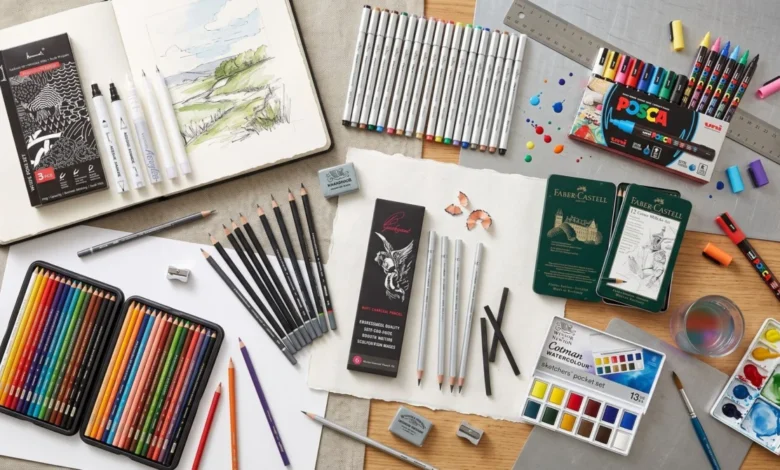
The onset of the academic calendar in late summer and early autumn historically triggers a substantial shift in consumer purchasing patterns, particularly within the creative retail sector. As students return to studios, lecture halls, and design workshops, the market for high-quality art supplies experiences a seasonal peak. Retailers have responded to this influx of demand by rolling out strategic pricing incentives and inventory expansions for premium brands, ranging from specialized markers like Posca to professional-grade color media such as Prismacolor. This cycle of procurement serves as a critical period for both academic institutions and independent hobbyists, marking a transition from summer inactivity to a structured period of artistic production.
The Seasonal Economic Context
The "back-to-school" retail phenomenon is a well-documented economic event that extends beyond traditional stationary items like notebooks and calculators. In the fine arts sector, the influx of students pursuing degrees in fine arts, architecture, and graphic design necessitates a substantial investment in materials that are often high-cost and high-utility. Industry data suggests that spending on specialized art supplies increases by approximately 15% to 20% during the August-September window compared to the annual average.
For many art students, the initial weeks of the term represent a "capital expenditure" phase. Academic syllabi typically mandate the acquisition of specific mediums—ranging from heavy-weight archival papers and professional-grade oil paints to precise technical pens—to meet the rigorous standards of collegiate studio work. Consequently, major online retailers and boutique art supply stores utilize this timeframe to offer competitive bundles and loyalty-based discounts to capture the student demographic, which remains a primary driver of sustained annual growth in the creative materials market.
Chronology of the Academic Supply Cycle
The procurement cycle for creative materials typically adheres to a predictable timeline:
- Late July: Retailers begin inventory replenishment, focusing on "essential" kits for beginners and foundational art courses.
- Early August: The launch of promotional campaigns targeting the secondary and higher education markets. Manufacturers align product releases with this window to ensure that new color ranges or upgraded tools are available for the new academic year.
- Mid-August to Mid-September: The peak transactional period. This is characterized by the highest volume of sales for technical drawing tools, watercolor sets, and canvas surfaces.
- Late September: The market shifts toward replenishment, where students replace exhausted supplies or purchase specialized materials necessitated by specific mid-semester projects.
Analyzing the Shift Toward Professional-Grade Tools
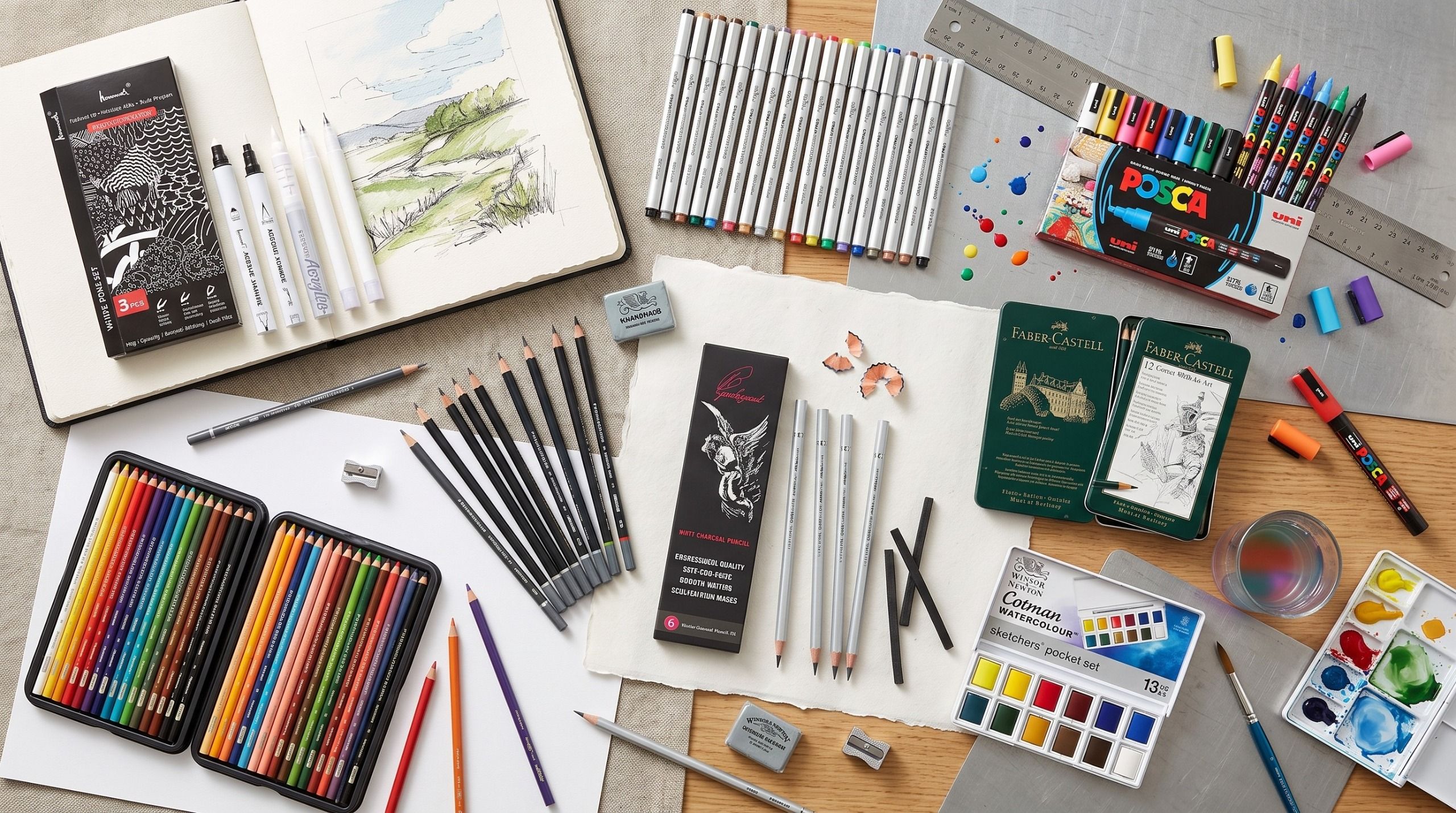
There is a notable trend toward the democratization of professional-grade supplies. Whereas decades ago, student-grade materials were clearly demarcated from professional lines, the current market shows a convergence. Brands such as Posca (manufactured by Mitsubishi Pencil Co.) have successfully crossed over from niche street art applications to becoming standard tools for illustration and design students. Similarly, Prismacolor’s pencil lines have maintained a firm foothold in academic environments due to their consistent pigment load and blendability.
Market analysts suggest that this trend is driven by the influence of social media, where creators showcase the tangible benefits of higher-quality materials. Students are increasingly aware that the "archival quality" and "lightfastness" of professional supplies offer a better return on investment, as these products generally require less frequent replacement and offer superior performance on complex, multi-layered assignments.
Institutional and Industry Perspectives
Educational institutions play a significant role in shaping the market demand. Most university-level art departments issue a "materials list" before the term begins, which functions as a de facto procurement guide. By endorsing specific brands known for their reliability, these institutions influence the purchasing decisions of thousands of students annually.
Representatives from major retail platforms indicate that the current emphasis is on "curated bundles." Rather than forcing consumers to navigate thousands of individual SKUs, retailers are increasingly providing tiered kits—such as "Foundation Design" or "Advanced Oil Painting" sets. This strategy reduces decision fatigue for students while ensuring that the inventory sold meets the technical requirements of typical curriculum standards.
Implications for the Creative Economy
The implications of this annual surge go beyond mere retail sales; they represent the pipeline of the next generation of creative professionals. The availability and affordability of these tools are essential to the accessibility of arts education. When prices are managed through seasonal sales, it lowers the barrier to entry for students from diverse economic backgrounds.
Furthermore, the shift in how art supplies are sold—moving from physical brick-and-mortar art supply stores to integrated digital storefronts—has allowed for a more globalized standard of equipment. A student in a remote location can now access the same high-end tools as a student in a major metropolitan design hub, provided the supply chain remains robust. This uniformity in tools helps ensure that technical proficiency is measured by skill rather than the limitations of inferior materials.
Navigating the Market: A Strategic Approach
For those building a creative kit from the ground up, industry experts recommend a balanced approach. While it is tempting to purchase the most expensive equipment immediately, the most effective strategy involves prioritizing "anchor" items—those that will be used across multiple projects and years—while opting for more economical choices for consumables like practice paper or sketching charcoal.
The following categories remain the most critical for students to monitor during the current retail season:
- Pigment-Based Media: High-quality watercolors and oil paints possess a higher pigment-to-binder ratio, which translates to better color payoff and less product waste over time.
- Precision Instruments: Technical pens and drafting tools are essential for architectural and graphic design students. Investing in pens with replaceable nibs or refillable ink reservoirs is a standard practice for long-term cost management.
- Surface Materials: The quality of the substrate (paper, canvas, or board) is as important as the pigment itself. Archival-quality surfaces prevent degradation, ensuring that student portfolios remain viable long after the course concludes.
Conclusion: The Lasting Value of Quality Supplies
As the academic year progresses, the focus will inevitably shift from procurement to application. However, the importance of the initial equipment investment cannot be overstated. By leveraging current seasonal promotions and focusing on durable, professional-grade materials, students can secure a setup that facilitates their creative development throughout the term and beyond. The current retail landscape, characterized by robust competition and a wealth of options, offers a unique opportunity for both the novice and the seasoned artist to refine their toolkit with precision and economic efficiency. As the creative industries continue to evolve, the tools of the trade remain the fundamental bridge between concept and execution.
Related posts: