IPhone 18 Pro Max Review: A New Standard for Mobile Optical Control and Computational Integrity

The annual cycle of Apple’s hardware iteration has reached a new milestone this September with the global release of the iPhone 18 Pro Max. Standing in the early morning queue in Brisbane, Australia, as the device becomes available to the public, it is clear that this year’s release shifts the focus from simple megapixel escalation toward sophisticated optical control and verified content authenticity. While the smartphone market has seen a recent surge in experimental form factors, the iPhone 18 Pro Max remains grounded in the "Pro" philosophy, prioritizing the needs of high-end content creators and professionals who require reliability over novelty.
The Evolution of Optical Architecture: Variable Aperture
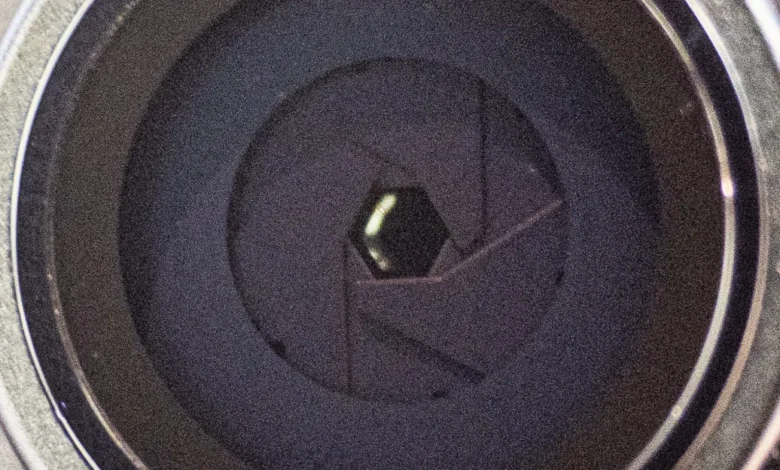
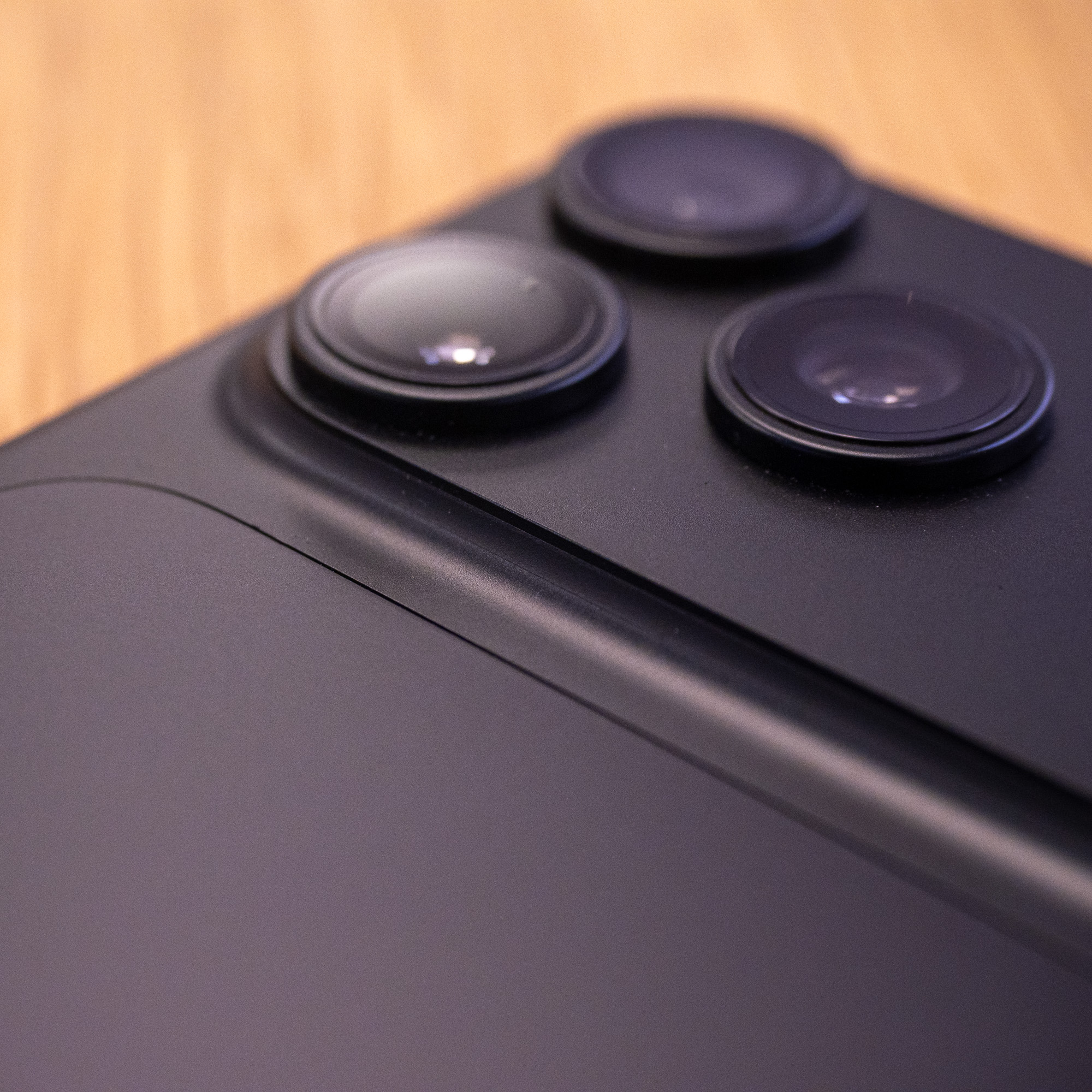
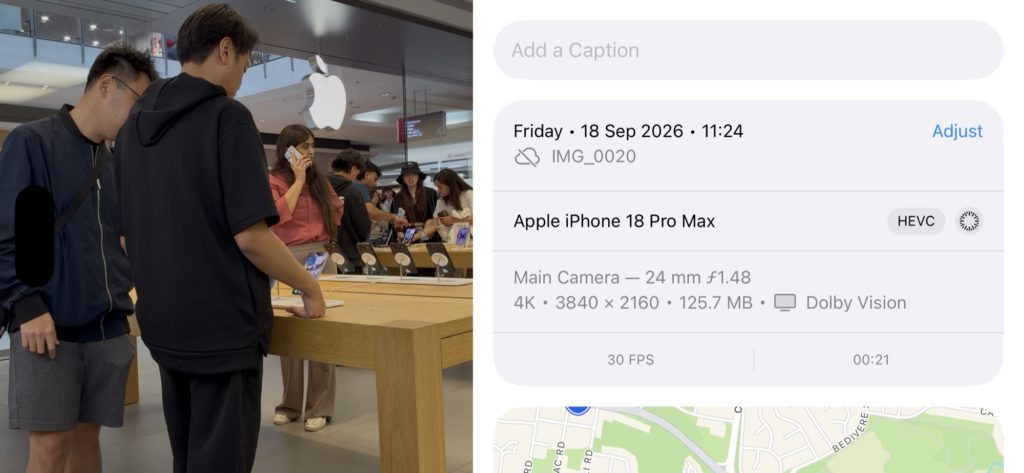
The most significant departure from the hardware architecture of the iPhone 17 series is the introduction of a physical variable aperture on the primary 1x lens. This implementation features mechanical blades that can transition the aperture from a wide f/1.48 to a stopped-down f/4.0.
For the photography industry, this represents a meaningful shift in mobile imaging. While previous generations relied heavily on computational photography to simulate depth-of-field, the physical aperture provides genuine optical control. At the widest setting of f/1.48—a half-stop brighter than the f/1.78 found on the previous model—the device captures significantly more light, aiding low-light performance. Conversely, stopping down to f/4.0 allows photographers to manage depth-of-field more naturally, particularly when capturing subjects at close range.
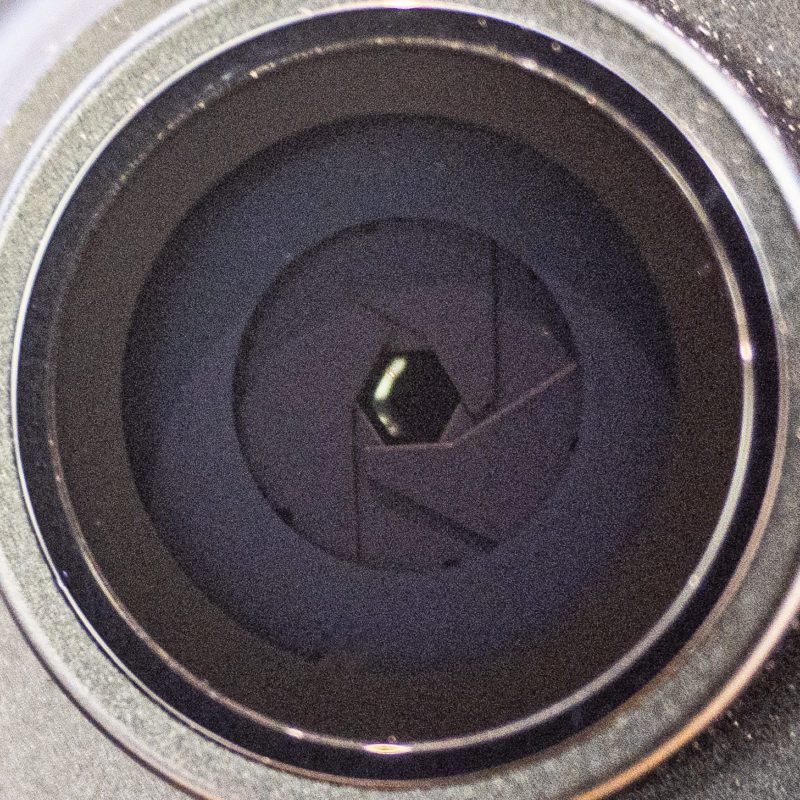
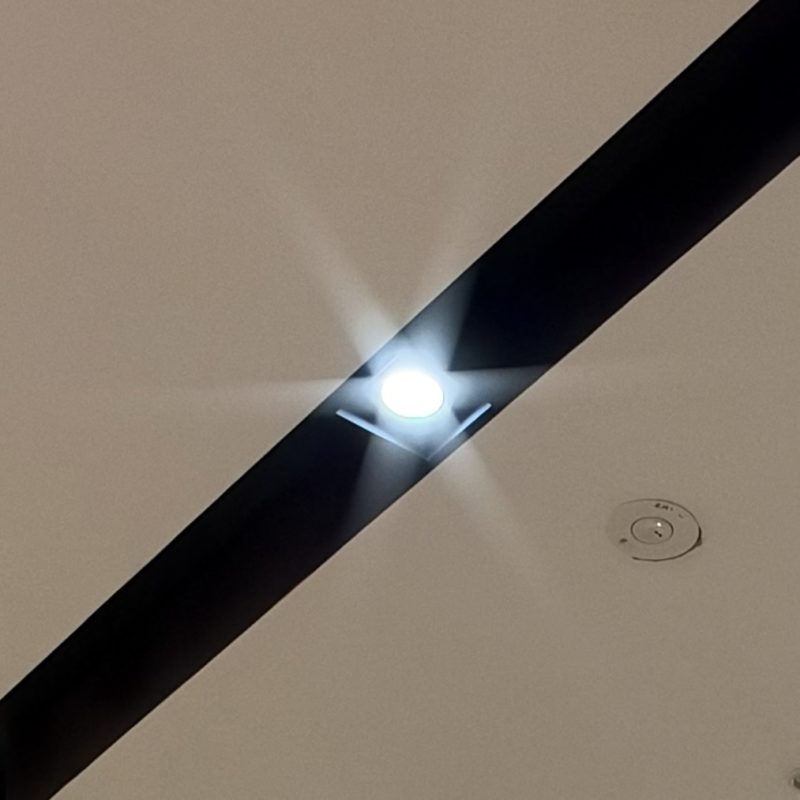
Historically, mobile manufacturers have struggled with variable aperture implementation, often abandoning the technology due to the mechanical complexity involved in such a constrained physical space. Apple’s decision to reintroduce this suggests a focus on mitigating the "over-processed" look often associated with digital bokeh. By physically closing the aperture, the device also improves edge-to-edge sharpness and creates authentic starburst patterns around light sources at f/2.8 and f/4.0, a feature that will likely appeal to street and night-time photographers.
Enhanced Manual Control and Camera Interface
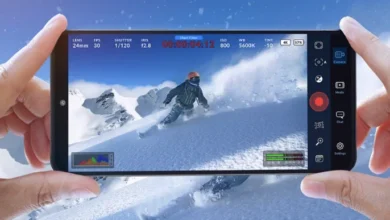
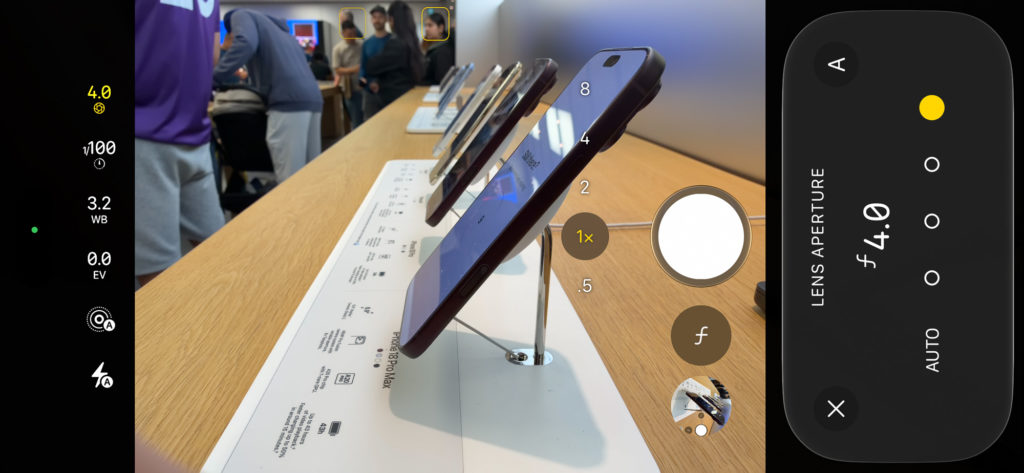
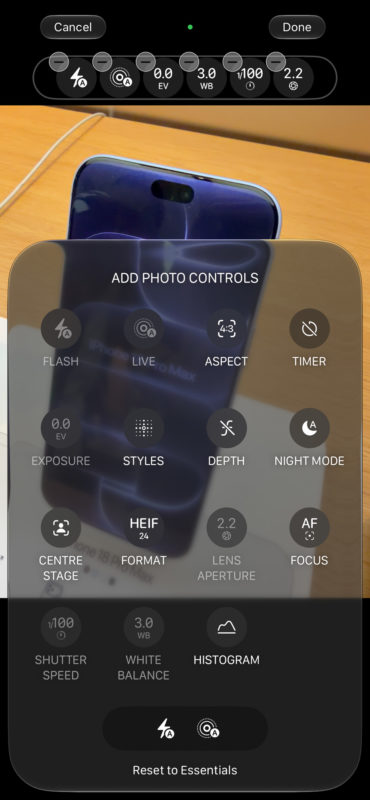
To support the new hardware, Apple has overhauled the default Camera app. The interface now allows for granular manual control over aperture, white balance, and shutter speed. These settings are configurable via a customizable control strip, accessible through an icon adjacent to the shutter button. This allows users to prioritize specific parameters, such as the histogram—a welcome inclusion for those transitioning from professional mirrorless or cinema cameras.
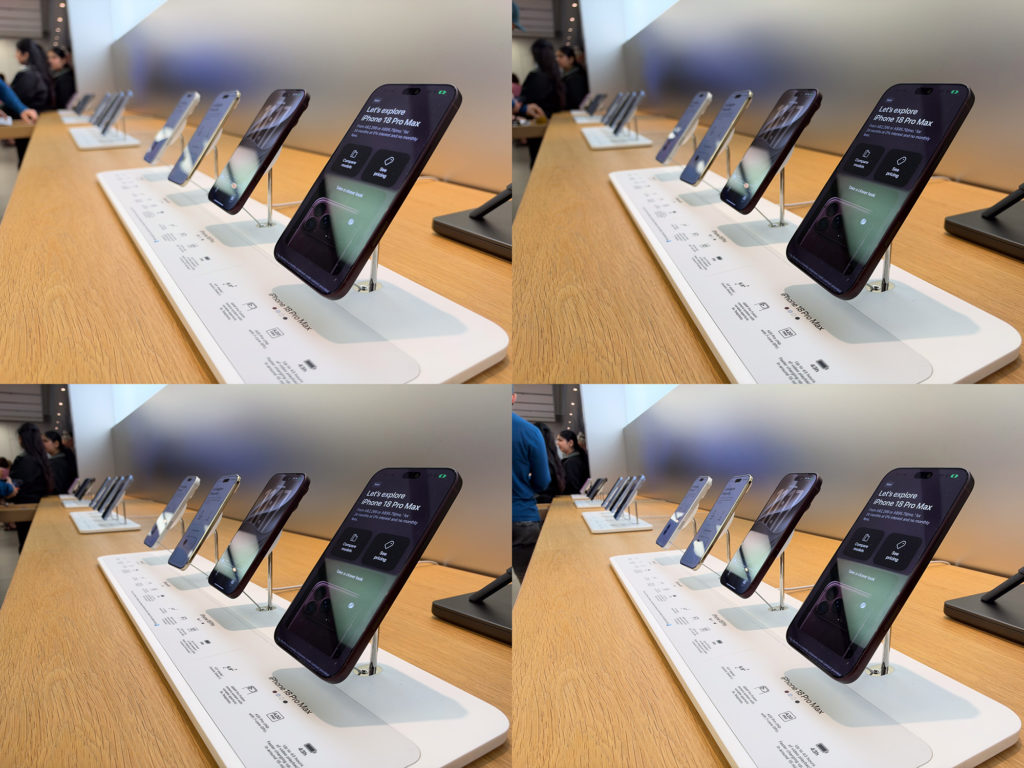
Furthermore, the integration of new "Styles" within the camera app—specifically the "Texture" and "Palette" controls—marks a move toward in-camera aesthetic customization. The addition of "Soft Skin," "Glow," and "Grain" toggles provides a post-production look directly at the point of capture, signaling that Apple is catering to a demographic that desires a "filmic" aesthetic without the need for secondary editing software.
Video Production and Computational Advancements
The video capabilities have also seen iterative improvements, most notably in the realm of 4K HDR time-lapse recording. The ability to apply cinematic mode’s artificial background blur to existing footage at up to 60 frames per second demonstrates the continued power of the Neural Engine.
However, a point of contention remains the implementation of Log recording. Currently, the default camera app mandates the use of ProRes HQ for Log capture, which results in exceptionally large file sizes. Industry professionals have noted that, in comparison to third-party applications like Blackmagic Camera or Kino, the native app’s insistence on these high-bitrate codecs makes it cumbersome for long-form, non-commercial production.
Addressing Content Integrity: The Reference Image
Perhaps the most consequential addition to the iPhone 18 Pro Max is the "Reference Image" feature. In an era dominated by generative AI—exemplified by the new "Reframe" and "Extend" tools—the provenance of digital imagery has become a central concern for the media industry.
When enabled in the Settings menu, the iPhone 18 Pro Max records cryptographic metadata at the moment of capture. This "Reference Mode" provides a hardware-verified seal of authenticity, confirming that the image has not been altered or synthesized. For news organizations, forensics experts, and legal professionals, this represents a necessary response to the rise of deepfakes and AI-assisted manipulation. While casual users may overlook this feature, it positions the iPhone as a critical tool for photojournalism and verified documentation.
Broader Impact and Market Positioning
The launch of the iPhone 18 Pro Max occurs against a backdrop of increasing international economic pressure. When analyzing the global pricing structure, the impact of local taxation and currency fluctuations is evident. In markets like the United Kingdom and Australia, consumers are paying a significant premium compared to their US counterparts, with taxes and import adjustments pushing the price of the Pro Max into a bracket that approaches the cost of entry-level professional cameras.
The "Duo"—Apple’s foray into the folding phone segment—provides a point of contrast. While the folding device offers a novel interface, it lacks the professional-grade optics, telephoto capabilities, and advanced file formats like ProRAW and Log recording found in the 18 Pro Max. This strategic segmentation underscores Apple’s objective: to keep the "Pro" line as the primary choice for those whose work requires technical accuracy.
Performance, Cooling, and Hardware Longevity
Under the hood, the device features a larger battery and an improved cooling system, which are arguably as important as the optical changes. Professional video recording, especially when outputting to external SSDs via USB-C, is historically taxing on mobile thermal management. The revised internal layout and thermal dissipation materials ensure that the device can sustain high-performance tasks, such as ProRes video capture, for longer durations without thermal throttling.
The relocation of the Face ID flood illuminator to an under-display position—resulting in a slightly smaller Dynamic Island—is a subtle but notable hardware change. It serves as a testament to the continued refinement of the "all-screen" design language that Apple has pursued since the introduction of the iPhone X.
Conclusion and Future Outlook
The iPhone 18 Pro Max does not reinvent the smartphone; rather, it refines it into a highly specialized instrument for visual capture. By focusing on optical integrity, manual control, and cryptographic verification, Apple is effectively narrowing the gap between pocket-sized convenience and professional-grade utility.

For the average consumer, these features may appear incremental. However, for the professional user, the combination of variable aperture, granular manual control, and the new hardware-based verification system marks a significant step forward. As the lines between mobile and professional cinematography continue to blur, the iPhone 18 Pro Max stands as a robust, albeit expensive, commitment to high-fidelity imaging. Whether the investment is justified depends on the user’s reliance on the device as a primary professional tool, but for those who require a camera that is always within reach, the technical improvements provided this year are substantial.