OpenAI Acquires Computational Photography Pioneer Glass Imaging for $300 Million in Strategic Hardware Expansion

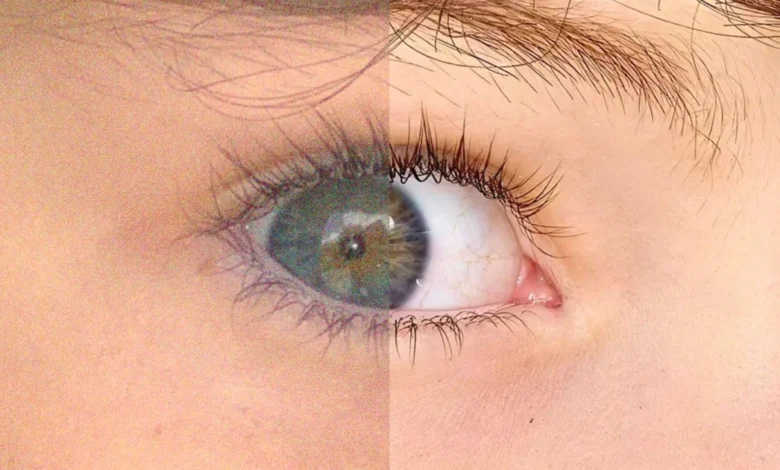
Artificial intelligence powerhouse OpenAI has reached an agreement to acquire Glass Imaging, an innovative startup renowned for developing advanced computational photography and neural image processing technology for mobile devices, according to a report by The Wall Street Journal. Citing individuals familiar with the matter, the transaction is valued at approximately $300 million. This acquisition represents a threefold increase in Glass Imaging’s valuation from its previous funding round last year, which valued the startup at $100 million.
Neither OpenAI nor Glass Imaging has officially acknowledged the transaction, and representatives from both companies declined to comment on the reported agreement. However, the move signals a calculated expansion by OpenAI deeper into the hardware and physical sensor ecosystem, hinting at future applications where artificial intelligence intersects with visual data capture.
The Technological Foundations of Glass Imaging
Founded with the mission of bridging the quality gap between compact mobile camera sensors and bulky dedicated professional cameras, Glass Imaging has spent years developing sophisticated computational photography tools. Unlike conventional smartphone photo processing—which often relies on generic software filters, heavy sharpening, and over-processed algorithmic enhancements—Glass Imaging pioneered a fundamentally different approach.
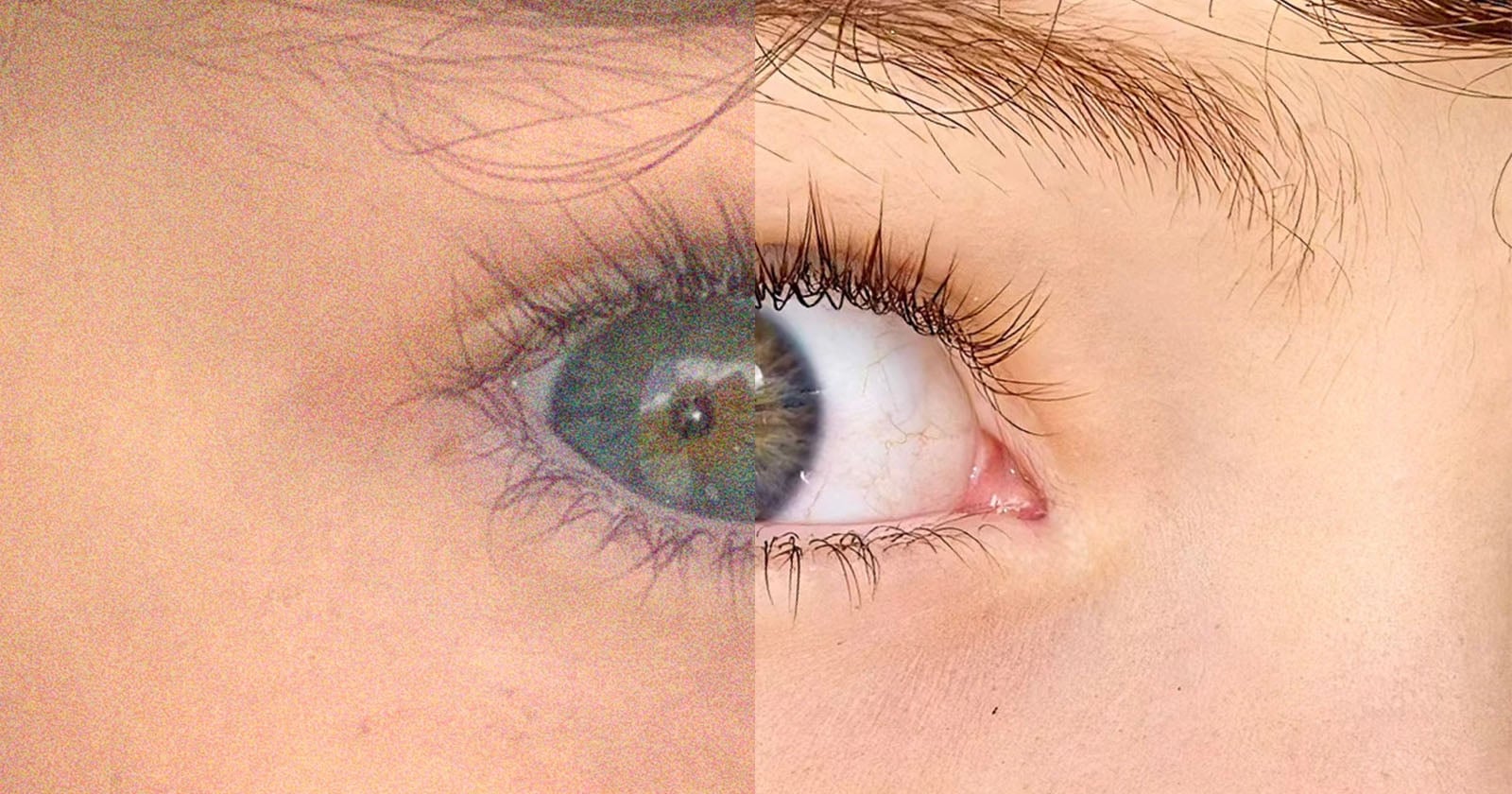
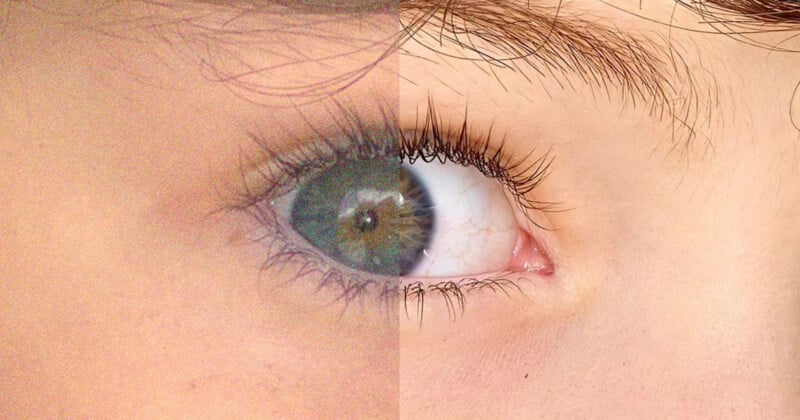
At the core of the startup’s intellectual property is the GlassAI Neural Image Signal Processor (ISP). Operating at the raw hardware level, the GlassAI Neural ISP processes raw image data directly from the camera sensor while accounting for the physical characteristics and optical limitations of the actual lenses being used. By analyzing optical physics alongside raw sensor data, the technology effectively overcomes the physical constraints imposed by slim smartphone chassis and miniature lenses.
Industry testing and independent demonstrations have repeatedly verified the efficacy of the startup’s claims. Demos built on mobile hardware platforms, such as the Qualcomm Snapdragon 8 Elite, showcased how raw snapshots captured on mobile devices could rival the resolution, dynamic range, textural detail, and overall rendering quality traditionally exclusive to full-frame or medium-format cameras equipped with massive glass lenses.
A Chronology of Innovation and Commercial Integration
The trajectory of Glass Imaging has been marked by steady technical milestones and growing commercial validation within the consumer electronics sector:
- 2024 (The Breakthrough Demonstrations): Glass Imaging gained widespread industry recognition when it demonstrated its revolutionary AI-driven image processing software running natively on advanced mobile chipsets. Publications and tech analysts highlighted the striking fidelity of processed smartphone portraits and landscapes, marking a turning point for computational photography.
- 2025 (Financial Momentum and Valuation Growth): Investor confidence surged as the company refined its neural ISP. Capital funding rounds successfully elevated the startup’s market valuation to $100 million, reflecting intense venture capital interest in generative AI and advanced image processing hardware solutions.
- June 2026 (Real-World Commercial Debut): Glass Imaging achieved its most significant commercial milestone to date when its GlassAI technology was officially integrated into the Honor 600 smartphone. The implementation drastically improved high-zoom photography and overall image clarity on consumer devices, proving that the technology was scalable for mass-market hardware production.
- Late 2026 (The OpenAI Acquisition): Reports surface that OpenAI has moved to acquire the startup outright for $300 million, abruptly shifting Glass Imaging’s trajectory from independent third-party mobile vendor integration to proprietary corporate development.
Unpacking the Strategic Intent: Why OpenAI Wants Glass Imaging
While the acquisition price tag underscores the immense value of Glass Imaging’s engineering team and patent portfolio, the immediate rationale behind the purchase has sparked considerable debate across the technology sector. OpenAI is fundamentally an artificial intelligence research and deployment company, best known for developing large language models, multimodal generative AI systems, and natural language processing tools, rather than consumer photography software.
However, industry analysts point to a broader corporate strategy emerging in Redmond and San Francisco. In May 2025, OpenAI executed a landmark $6.5 billion acquisition of LoveFrom, the high-end design firm and AI hardware startup founded by legendary Apple design veteran Jony Ive. That acquisition cemented OpenAI’s ambition to design and release proprietary physical hardware designed specifically to interact with advanced artificial intelligence.
By integrating Glass Imaging, OpenAI acquires vital capabilities in how machines capture, interpret, and process visual data at the sensor level. Modern multimodal artificial intelligence systems—such as those capable of real-time visual reasoning, spatial awareness, and environment scanning—rely heavily on the quality of incoming optical data. Providing a future AI-powered hardware device with superior visual intelligence capabilities requires industry-leading image capture pipelines. Consequently, acquiring Glass Imaging could serve as a crucial building block for upcoming consumer hardware ecosystems designed to merge ambient computing with advanced multimodal AI.
Broader Implications and Industry Reactions
The acquisition introduces significant uncertainty regarding the future availability of Glass Imaging’s technology to third-party smartphone manufacturers. Prior to the buyout, industry watchers anticipated that the GlassAI Neural ISP would find its way into a growing roster of flagship mobile devices from various global manufacturers, offering an alternative to proprietary image processing pipelines developed by legacy tech giants.
With OpenAI absorbing the startup, it is widely expected that Glass Imaging’s ongoing initiatives to license or integrate its consumer smartphone photography enhancements will be placed on indefinite hold, or redirected entirely toward internal corporate projects. For mobile photography enthusiasts, this outcome represents a notable loss, as the startup’s software offered a genuine pathway to elevating pocket-sized devices to professional-grade image fidelity without requiring larger physical camera modules.

Nevertheless, the transaction highlights the escalating convergence between physical hardware design, sensor technology, and generative artificial intelligence. As tech companies race to build the next generation of ambient computing devices, the boundary between software intelligence and optical hardware engineering continues to dissolve. Whether OpenAI intends to deploy Glass Imaging’s breakthroughs in standalone consumer hardware, robotics, or enhanced visual models, the $300 million investment ensures that the startup’s foundational innovations will play a major role in shaping the future of how artificial intelligence perceives the physical world.