Roger Taylor Recalls First Hearing Freddie Mercury Sing And Declaring He Sounded Like A Strangled Sheep

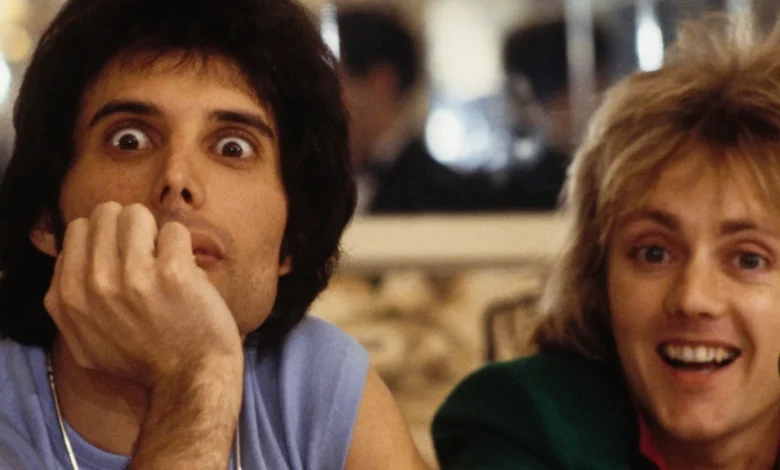
Queen legendary drummer Roger Taylor has offered a candid, reflective look into the formative days of one of rock music’s most iconic bands, recalling his initial, skeptical impression of frontman Freddie Mercury’s voice and charting the remarkable trajectory that led to global superstardom. Appearing on BBC Radio 2 to promote his latest solo material during a guest slot on Vernon Kay’s popular show for the "Tracks Of My Years" segment, Taylor discussed the unpredictable early journey of Queen, his deep-seated bond with Mercury, and the musical touchstones that have shaped his own illustrious career.
The interview touched upon a wide array of topics, from the trials of navigating the fiercely competitive music industry in the early 1970s to the personal dynamics within Queen. However, it was Taylor’s blunt recollection of hearing Mercury’s voice for the very first time that captured widespread attention, highlighting the unlikely beginnings of a singer whose vocal prowess would ultimately redefine the parameters of rock performance.
Humble Beginnings and Skeptical First Impressions
Long before filling stadiums across the globe and commanding massive audiences at historic venues like Live Aid, the members of Queen were young musicians striving to find their footing in a volatile industry. When Taylor first encountered Freddie Mercury—then known by his birth name, Farrokh Bulsara—the future rock god was far from the polished, operatically trained powerhouse he would later become.
Reflecting on those early auditions and informal jam sessions, Taylor did not mince words about his initial reaction to Mercury’s vocal delivery. "I thought, God, he’ll never be a singer," Taylor told Vernon Kay. "He sounded like a strangled sheep."
Despite the unpromising start, Taylor was quick to contextualize how rapidly Mercury evolved through sheer force of will. Rather than possessing a naturally refined instrument from the outset, Mercury engineered his own transformation. Taylor noted that this evolution was a testament to his bandmate’s extraordinary strength of mind and self-invention. Describing Mercury as a "lovely shy guy really with a tremendous strength of character," the drummer emphasized that Mercury’s innate musicality, combined with relentless practice and performance, turned his voice into something profoundly loud, powerful, and distinct.
The Ambition That Built an Empire
The formation of Queen in London in 1970 brought together Taylor, guitarist Brian May, singer Freddie Mercury, and eventually bassist John Deacon in 1971. In the band’s embryonic stages, commercial success was far from guaranteed. The music scene of the early 1970s was dominated by burgeoning progressive rock, heavy blues, and the lingering echoes of psychedelia, leaving a narrow lane for Queen’s theatrical, multi-layered operatic rock style.
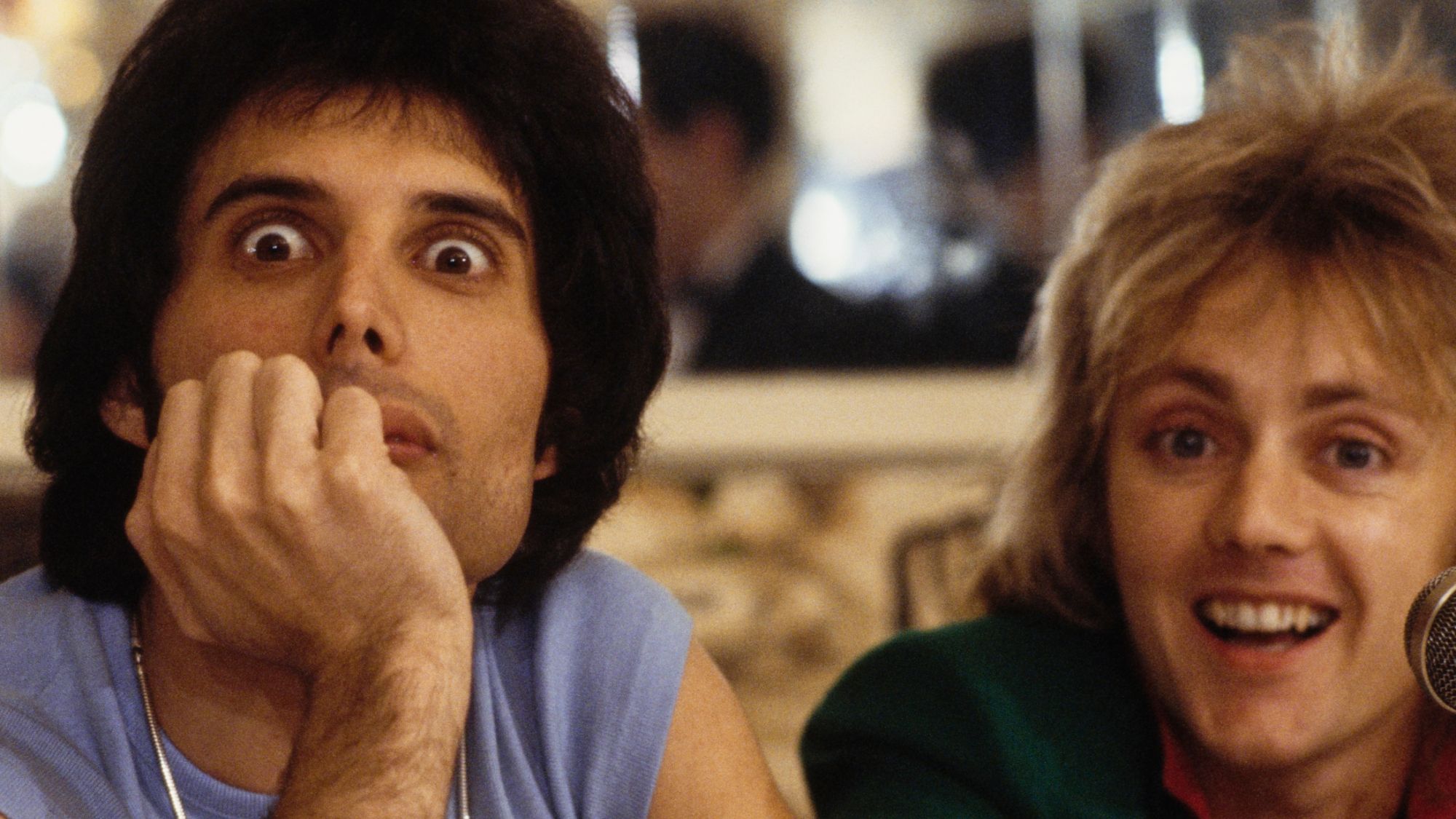
Taylor recalled that during periods of stagnation and industry rejection, it was Mercury’s unwavering self-belief that kept the collective momentum alive. "The music business is a tough business," Taylor remarked during the broadcast. "I think you have to be single-minded and focused on what you want to achieve. We were very ambitious in Queen, and Freddie was very ambitious."
Mercury’s famous mantra—"You know, talent will out, my dear"—became a driving philosophy for the group. This relentless ambition allowed them to weather early financial hardships and lukewarm critical receptions, setting the stage for their breakthrough with the 1974 albums Queen II and Sheer Heart Attack, followed swiftly by the global phenomenon of "Bohemian Rhapsody" from the 1975 album A Night at the Opera.
A People’s Band and Unmatched Stage Dynamics
As Queen ascended to international prominence, their identity shifted toward an inclusive, highly interactive style of live performance. Unlike many contemporary rock acts that maintained a formal distance from their audiences, Queen actively engineered their shows to be communal experiences.
"We felt of ourselves as a people’s band, yeah," Taylor explained. "And which was why we loved to encourage audience participation—singing, stamping, clapping. And Freddie was, of course, an incredible communicator at doing that, and we were lucky to have him."
This unique connection between band and crowd became Queen’s defining live trademark, culminating in legendary performances such as their 1985 Live Aid set at Wembley Stadium, widely considered one of the greatest live rock performances in history. Mercury’s ability to command tens of thousands of people with a simple vocal call-and-response routine relied heavily on the sheer volume and piercing clarity of the voice that Taylor had once jokingly likened to a farmyard animal.
Decades of Friendship and Daily Remembrance
Decades after Mercury’s tragic passing in 1991 from complications related to AIDS, the bond between the surviving members of Queen remains strong. When asked by Vernon Kay how frequently he thinks about his late bandmate, Taylor offered a poignant and deeply personal response: "Oh, every day. We never really had a cross word over those many years together. He was absolutely lovely."
This enduring fondness underscores the rare chemistry that allowed Queen to remain a cohesive unit for over two decades without the debilitating internal feuds that frequently fracture high-profile rock bands. Even as Taylor continues his own creative journey with contemporary solo releases, the legacy of his time with Mercury remains an omnipresent part of his daily life.
Curating a Lifetime of Sound
As part of the BBC Radio 2 "Tracks Of My Years" residency, guests are invited to select ten songs that have significantly impacted their lives and careers. Taylor’s curated list bridged the gap between classic rock foundations and modern alternative sensibilities, offering insight into the eclectic musical tastes of a drummer whose band helped bridge hard rock, opera, and pop.
Among the predictable and celebrated choices were seminal tracks from foundational rock acts that inspired Taylor during his youth in the 1960s. He selected The Kinks’ high-energy garage-rock anthem "You Really Got Me," The Who’s generational manifesto "My Generation," and David Bowie’s cinematic masterpiece "Space Oddity"—a nod to an era of British music that valued theatricality and sonic exploration.
However, Taylor also demonstrated an appreciation for contemporary and atmospheric compositions that diverged from traditional classic rock parameters. His selections included Radiohead’s brooding 1992 breakthrough single "Creep" and the soaring, orchestral-pop textures of Icelandic band Sigur Rós’s "Hoppípolla." These choices reflect a musician who has consistently maintained an active interest in the evolution of popular music long after achieving legendary status.
Broader Implications and Legacy
Taylor’s candid reflections on BBC Radio 2 offer valuable historical context for music scholars and fans alike, demystifying the mythos of rock royalty. By laying bare the unpolished origins of Freddie Mercury’s voice, the interview highlights the reality that legendary performers are often the product of relentless self-cultivation, discipline, and psychological resilience rather than mere genetic luck.
Furthermore, these recollections reinforce the historical narrative of Queen as a band forged through mutual ambition and unwavering persistence. As rock history continues to be re-evaluated by newer generations through documentaries, biopics, and streaming revivals, the firsthand accounts of surviving architects like Roger Taylor ensure that the human element—the friendships, the initial doubts, and the shared triumphs—remains at the forefront of the Queen legacy.
Listeners interested in hearing the full interview, along with Taylor’s complete selection of formative tracks, can access the broadcast via BBC Sounds, where the segment remains available for streaming.