Shaun the Sheep: The Beast of Mossy Bottom Brings Gothic Halloween Spookiness to the Big Screen

Shaun the Sheep: The Beast of Mossy Bottom marks a significant milestone in Aardman Animations’ storied history as the beloved, dialogue-free ovine protagonist returns for his third feature-length outing. Distributed by GKIDS, the film arrives in U.S. theaters on September 18, 2026, offering a unique blend of stop-motion artistry and genre-bending storytelling. Directed by franchise veterans Steve Cox and Matthew Walker, the project represents a strategic pivot for the studio, which has consistently looked to innovate within the rigid constraints of traditional frame-by-frame animation.
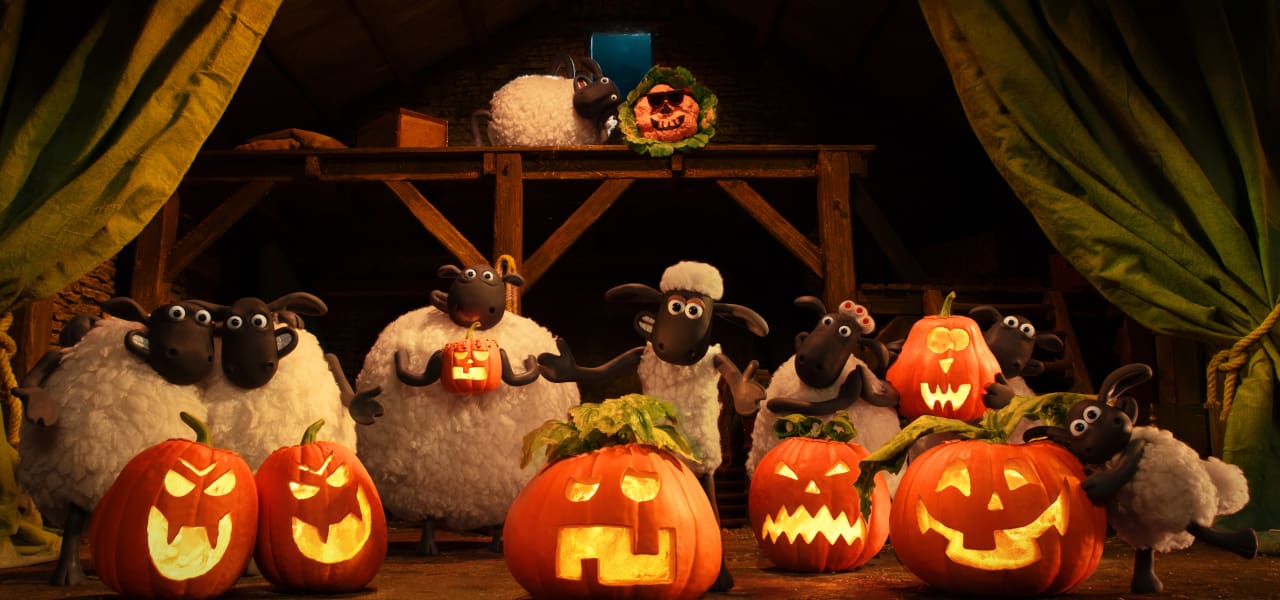
The narrative arc of this latest installment begins with a domestic mishap: the Farmer accidentally destroys the flock’s cherished pumpkin patch. In an attempt to rectify the situation, Shaun inadvertently adopts the role of a mad scientist, triggering a chaotic experiment that spirals out of control. The disappearance of the Farmer, coupled with reports of a large, hairy creature haunting the woods surrounding Mossingham, sets the stage for a family-friendly Halloween caper that balances tension with the franchise’s hallmark slapstick humor.
A Chronology of the Shaun the Sheep Franchise
The transition of Shaun the Sheep from a breakout character in the 1995 Wallace and Gromit short A Close Shave to a standalone global phenomenon has been a decades-long evolution. The character first appeared in his own television series in 2007, produced by Aardman in collaboration with CBBC. The episodic format, which focused on silent, physical comedy, proved to be a universal language, leading to international syndication in over 170 territories.
Following the success of the television series, Aardman pivoted to feature filmmaking. The first feature, Shaun the Sheep Movie (2015), directed by Mark Burton and Richard Starzak, achieved significant critical acclaim, earning a nomination for the Academy Award for Best Animated Feature and grossing over $106 million globally. This success was followed by A Shaun the Sheep Movie: Farmageddon in 2019, which explored science-fiction tropes. The Beast of Mossy Bottom acts as the third installment in this theatrical evolution, further cementing the studio’s commitment to exploring specific genre aesthetics—this time, the gothic horror and supernatural comedies of the 1980s.
Production Constraints and Technical Ambition
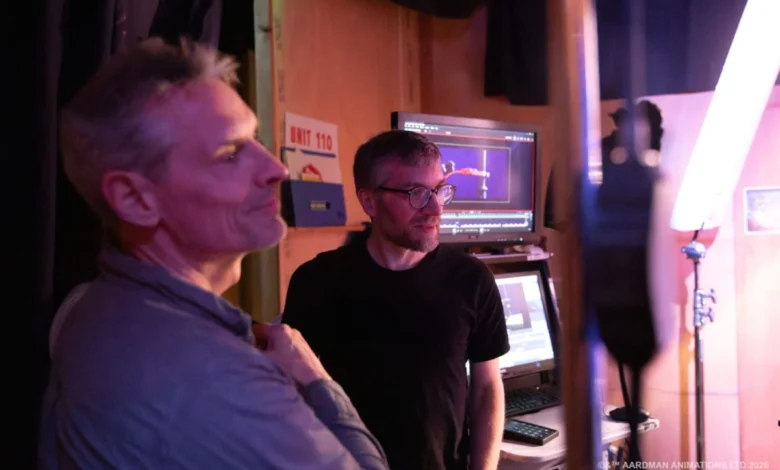
The production of The Beast of Mossy Bottom is notable for its exceptionally compressed schedule, even by Aardman’s rigorous standards. Principal photography was completed in approximately eight months, a feat achieved by operating 47 animation units simultaneously. This scale of production required an unprecedented level of coordination between art directors, lighting crews, and the animation team.
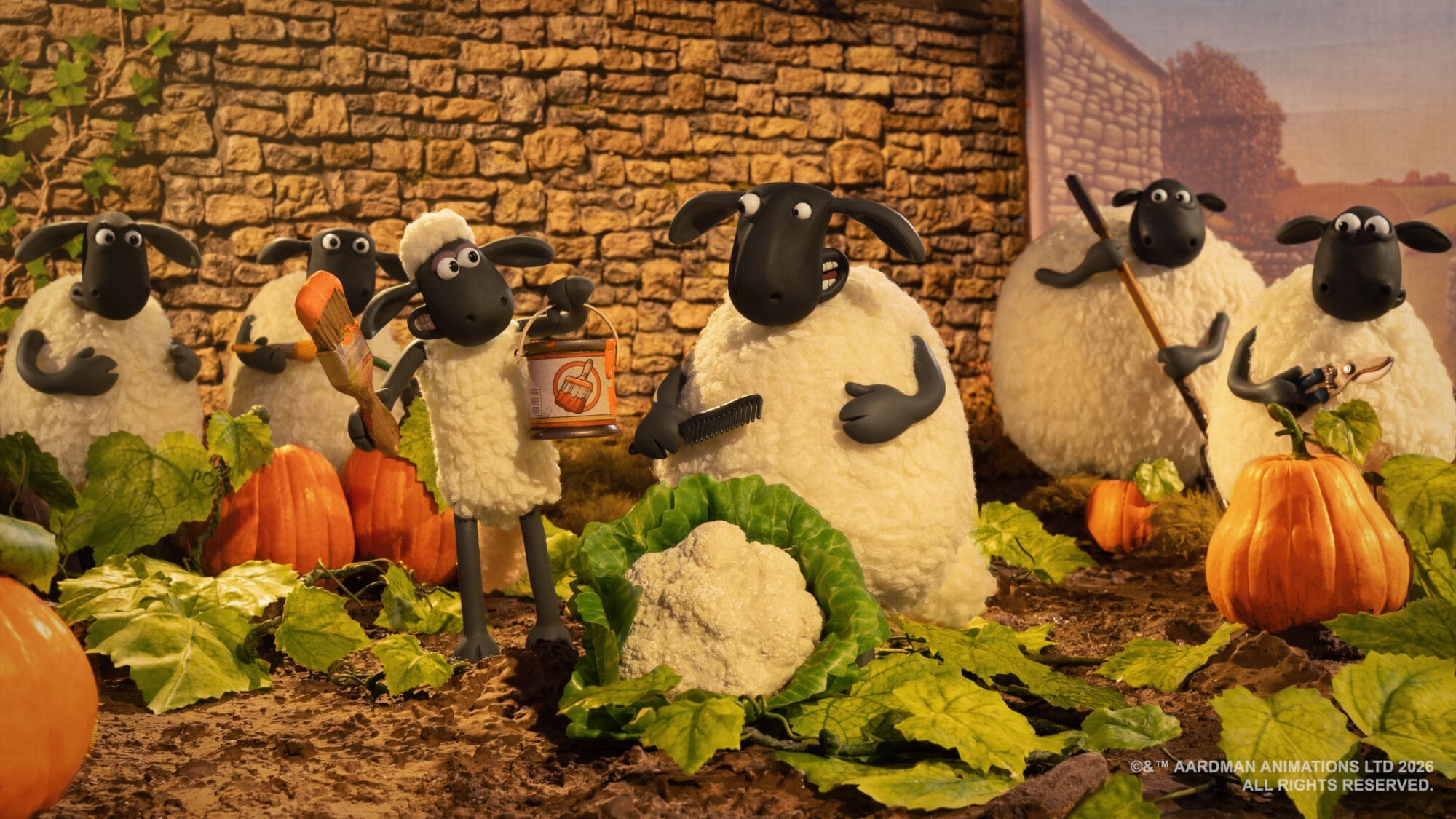
Andy Brown, the film’s art director, noted that the accelerated timeline actually fostered a higher degree of creative collaboration. In traditional, slower-paced productions, departments often work in silos, but the 2026 schedule necessitated a "studio floor" mentality where lighting and set design were refined in real-time. This iterative process allowed the crew to adjust textures and set dressings based on immediate feedback from the cinematographers, ensuring that the visual language remained consistent despite the high-pressure environment.
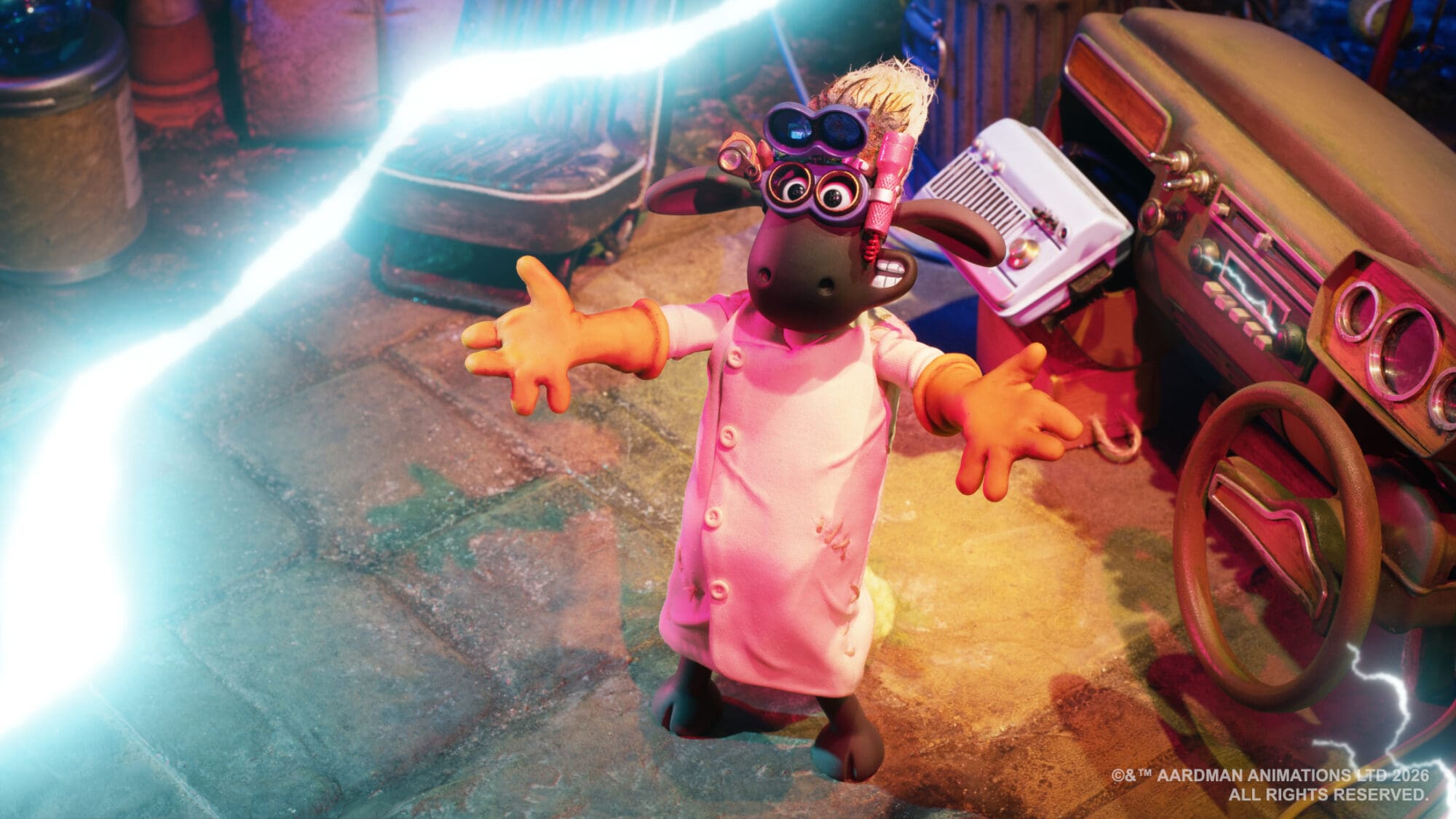
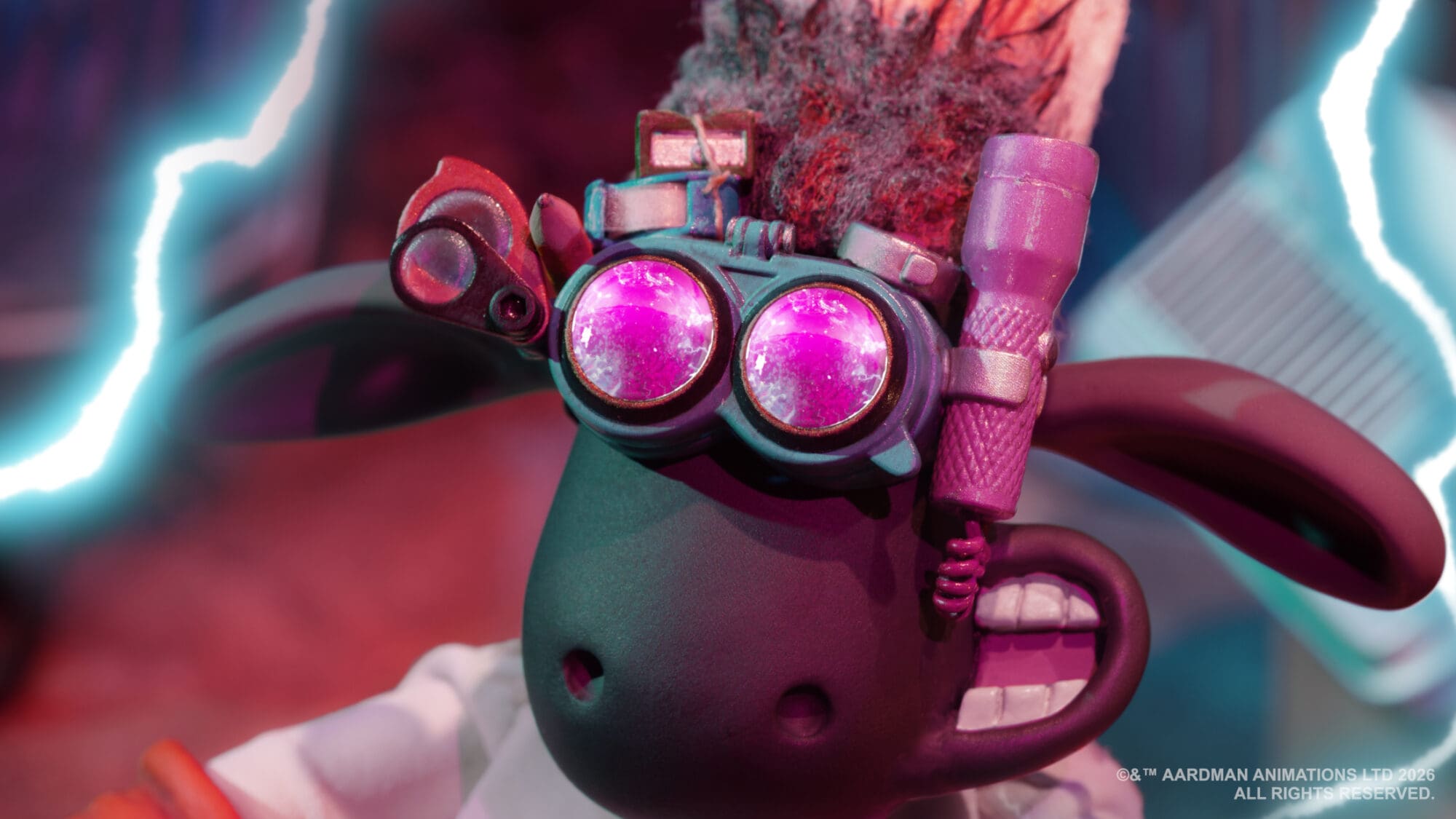
Director of photography Charles Copping emphasized the importance of maintaining a "tangible" aesthetic. Despite the inclusion of visual effects—particularly for the glowing, luminescent liquids in Shaun’s laboratory—the goal was to ensure the film retained the tactile quality inherent to stop-motion. To achieve this, the team employed practical LEDs and UV-reactive materials on set. By filming multiple passes for each frame—one for the base lighting and one specifically for the UV-reactive elements—the team created a vibrant, saturated look that pays homage to 1980s supernatural classics like Ghostbusters while maintaining the "hand-made" charm that defines the Aardman brand.
The Challenge of Genre-Blending
One of the central challenges for directors Steve Cox and Matthew Walker was calibrating the film’s tone for a multi-generational audience. While Shaun the Sheep is traditionally viewed as children’s programming, the studio recognizes that the franchise commands a significant adult following. Striking a balance between "scary" and "safe" required careful narrative calibration.
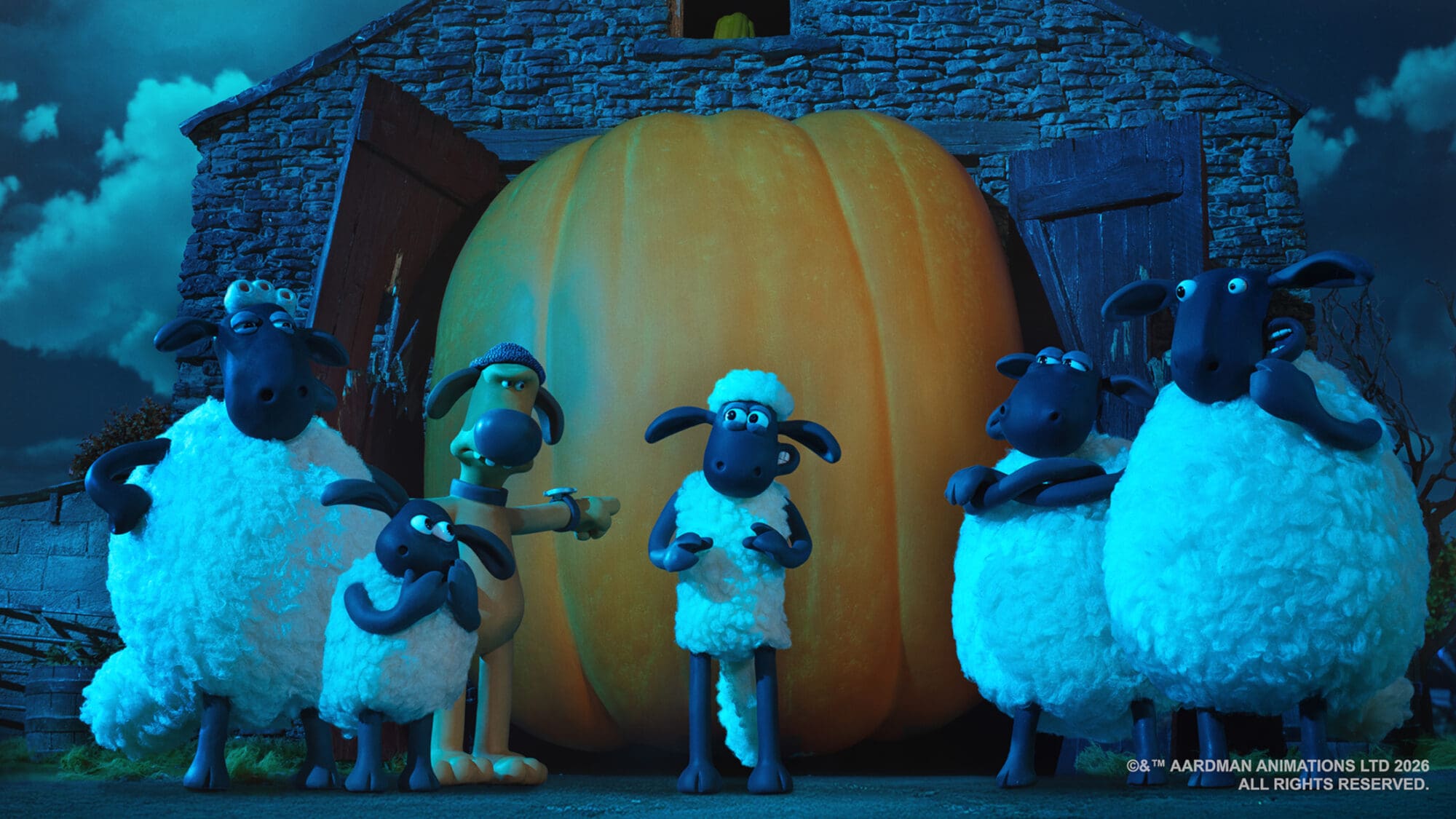
"We knew the audience for Shaun is very young, but it goes right up to adults," Walker stated. "We wanted a little bit of tension and a little bit of scariness, but not too much. There were a few sequences where, in early versions, we went a bit too far and made it a bit too scary, so we had to dial them back."
The solution was to utilize comedy as a pressure-release valve. Every moment of suspense is deliberately undercut with a gag, ensuring that the audience—particularly younger viewers—remains engaged rather than fearful. This structural choice aligns with the broader thematic shift toward "family-friendly gothic," a stylistic choice bolstered by the use of rich, autumnal color palettes that contrast with the franchise’s typical bright, midday lighting.
Operational Strategy and Directorial Division
The division of labor between Cox and Walker was essential to managing the film’s 50 individual sets. By splitting the screenplay into roughly equal sequences, the two directors were able to oversee animation and storyboarding independently while maintaining a cohesive vision through daily reviews and frequent collaborative sessions in the edit suite.
This approach was heavily reliant on the skill of the animators, whom the directors view as the film’s primary actors. Because the dialogue is entirely absent, the emotional weight of the story rests on the subtle movements of the puppets. The directors provided the framework and the storyboards, but allowed the animators significant creative agency to interpret the performances. This, according to Cox, is what prevents the animation from feeling mechanical or "canned," providing that sense of spontaneity that audiences have come to expect from the studio.
Broader Impact and Implications
The release of The Beast of Mossy Bottom comes at a time when the animation industry is increasingly dominated by computer-generated imagery (CGI). Aardman’s continued success with stop-motion suggests a persistent market demand for high-quality, tactile animation. The studio’s ability to produce feature-length films at "television speed" has significant implications for its long-term financial viability, allowing for a faster turnaround between projects without sacrificing the high standard of craft that the studio is known for.
From a distribution perspective, the partnership with GKIDS is strategic. GKIDS has established itself as a premier distributor for independent and auteur-driven animation, and by positioning a major brand like Shaun the Sheep within their slate, they are effectively bridging the gap between mainstream family entertainment and prestige animation.
Industry analysts suggest that the "Shaun model"—characterized by low dialogue, universal themes, and clear genre-based visual identities—is highly scalable. By rotating through genres (Sci-Fi, Gothic, Adventure), Aardman effectively keeps the franchise fresh, preventing the "sequel fatigue" that often plagues long-running animation series. As Steve Cox noted, the conclusion of this project has already sparked discussions regarding a potential trilogy or further exploration of the character, indicating that the studio views Shaun not just as a static property, but as a flexible platform for cinematic experimentation.
Ultimately, The Beast of Mossy Bottom is a testament to the resilience of stop-motion. By embracing the limitations of its medium and using them as a creative catalyst, the team at Aardman has produced a film that feels both nostalgic and refreshingly modern. Whether the film reaches the financial heights of its predecessors remains to be seen, but its technical achievements and creative ambition are already being hailed as a new benchmark for the studio.