The Legend of Zelda Ocarina of Time Remake for Nintendo Switch 2 Will Launch on November 5 2026

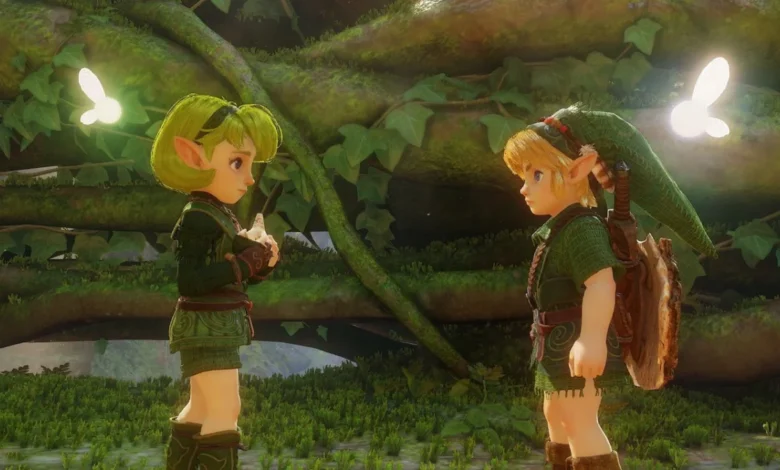
The gaming industry is preparing for a monumental release as Nintendo officially confirms the arrival of one of its most cherished titles, The Legend of Zelda: Ocarina of Time, rebuilt from the ground up for the upcoming Switch 2 console. Scheduled for a worldwide release on November 5, 2026, this project marks the centerpiece of the franchise’s 40th-anniversary celebrations. Following a dedicated Nintendo Direct presentation that showcased the title’s ambitious visual and mechanical upgrades, the industry is closely monitoring how this reimagining will bridge the gap between retro nostalgia and modern hardware capabilities.
A Legacy Reimagined: The Evolution of Hyrule
Originally released in 1998 for the Nintendo 64, Ocarina of Time is widely cited as one of the most influential video games ever produced. It introduced revolutionary 3D Z-targeting mechanics, a non-linear narrative structure, and a cinematic scope that defined the action-adventure genre for decades.
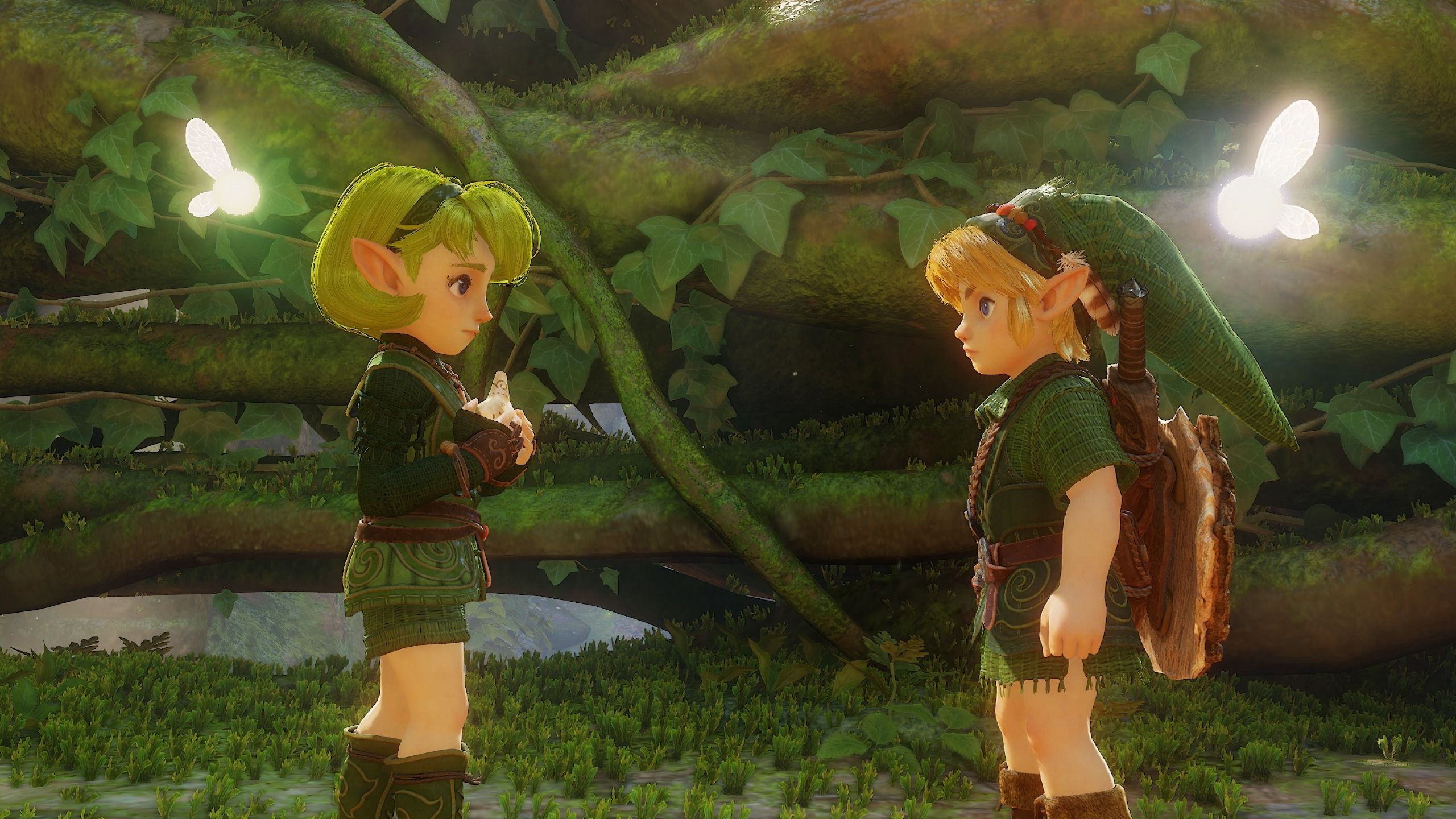
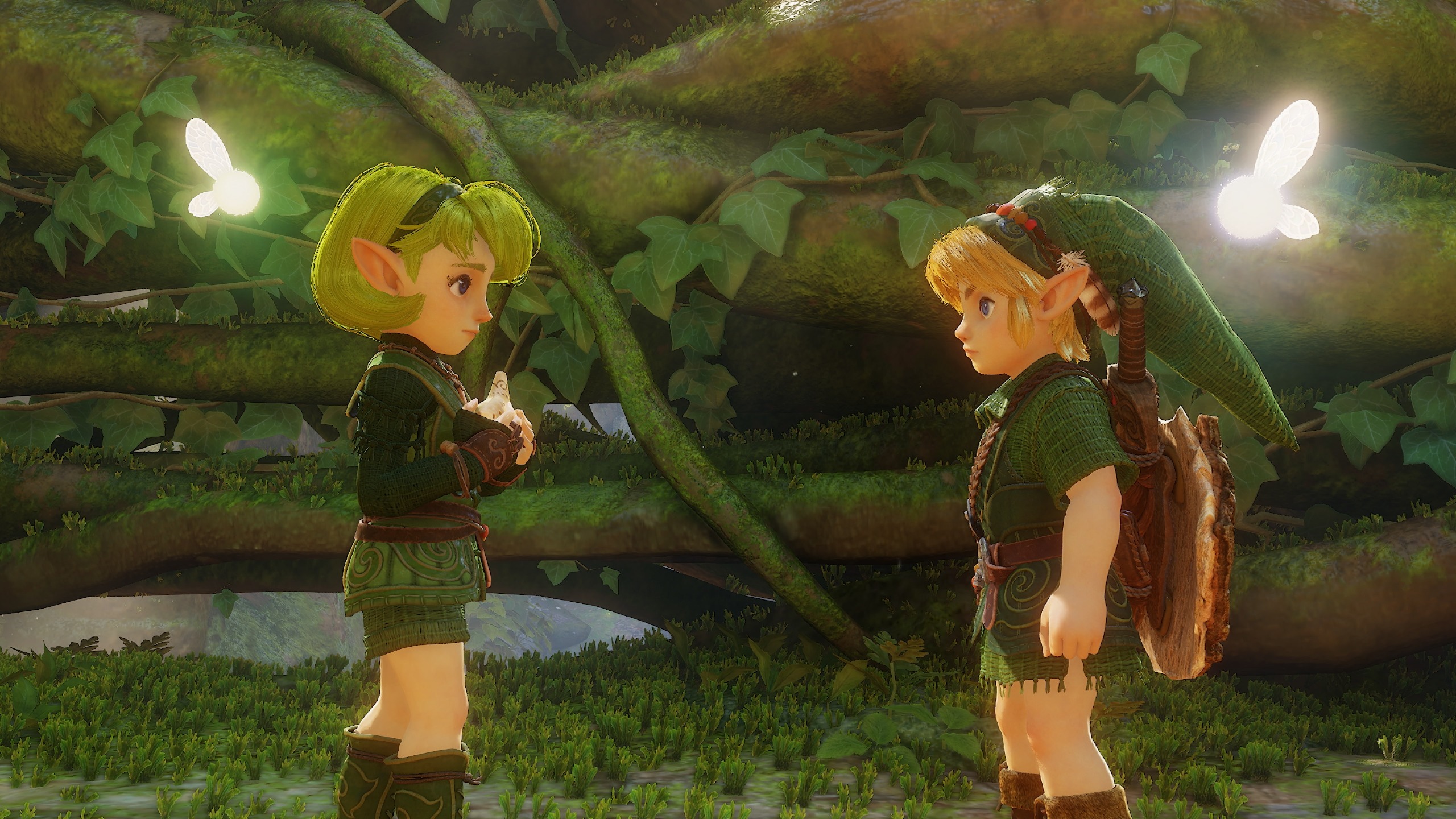
The upcoming 2026 remake is not merely a high-definition remaster or a simple texture update. According to series producer Eiji Aonuma, the development team has treated the project as a "faithful interpretation using modern technologies." This approach involves utilizing the increased computational power of the Switch 2 to introduce sophisticated lighting models, physically based rendering (PBR) for environmental materials, and an entirely overhauled character animation suite. While some community discourse has focused on the stylistic choices regarding the character models of Young Link, the consensus among industry analysts is that the update aims to replicate the "feel" of the original while meeting the visual standards of the late 2020s.
Chronology of the 40th Anniversary
The journey toward this remake began in earnest during the Zelda 40th Anniversary Direct. Nintendo, which has historically been protective of its intellectual property, surprised the industry by confirming that the project had been in development for nearly four years.
- 1998: The original Ocarina of Time sets a new global benchmark for 3D gaming.
- 2011: A technical remaster is released for the Nintendo 3DS, which became the definitive version for over a decade.
- 2022-2024: Rumors regarding a Switch-native remake circulate following the success of The Legend of Zelda: Tears of the Kingdom.
- 2026 (February): The Zelda 40th Anniversary Direct confirms the project for the upcoming Switch 2 hardware.
- 2026 (November 5): Global retail and digital release.
Technical Innovations and Gameplay Mechanics
Beyond the visual overhaul, the remake introduces gameplay refinements that leverage the unique hardware features of the Switch 2. Most notable is the integration of the console’s advanced microphone array. Players will be required to utilize the "Ocarina" by humming or playing into the hardware, a feature that aims to increase immersion by mirroring the actions of the protagonist, Link.
Furthermore, the game utilizes a 27 GB data footprint. Nintendo has confirmed that the physical edition will include the full game on the cartridge, avoiding the industry-standard trend of requiring day-one patches or external download codes. This decision is expected to resonate positively with the physical media collector community, which has expressed growing frustration over incomplete retail software releases.
Market Impact and Pricing Structure
The economic landscape surrounding this launch is significant. The physical edition is set to retail for $69.99 / £54.99, while the digital version will be priced at $59.99. These price points align with Nintendo’s premium tier for its flagship intellectual properties.
Major retailers, including Amazon and Walmart in the United States, have already begun aggressive pre-order campaigns, with some offering early discounts to secure market share. In the United Kingdom, retailers such as Smyths Toys and Currys have initiated similar strategies, signaling high confidence in the game’s sales potential. The inclusion of a special foil cover for physical copies and an exclusive pre-order bonus—a 3D replica set of the Spiritual Stones available through the official Nintendo UK store—highlights the company’s focus on incentivizing early adoption.
Industry Implications and Technical Analysis
The decision to bring Ocarina of Time to the Switch 2 suggests that Nintendo is positioning its new hardware as a platform for both cutting-edge new experiences and high-fidelity remakes of its back catalog. By choosing one of the most recognizable titles in gaming history to anchor its early software library, Nintendo is attempting to ensure a strong install base for the Switch 2.
From a technical standpoint, the shift to modern rendering engines allows for "soft shadows" and dynamic environmental responses that were impossible in the 1998 iteration. Analysts observe that this "modernization" is a delicate balancing act. If a remake deviates too far from the original’s design philosophy, it risks alienating the core fanbase. However, by adhering to a "faithful interpretation" strategy, Nintendo aims to satisfy veteran players while attracting a younger demographic that may have found the original game’s dated controls and low-polygon graphics difficult to engage with.
Official Stances and Public Reception
While Nintendo has remained tight-lipped regarding specific development partners—leaving some to speculate about the involvement of external studios like Grezzo, which handled the 3DS remake—the official messaging has remained consistent: the focus is on reverence.
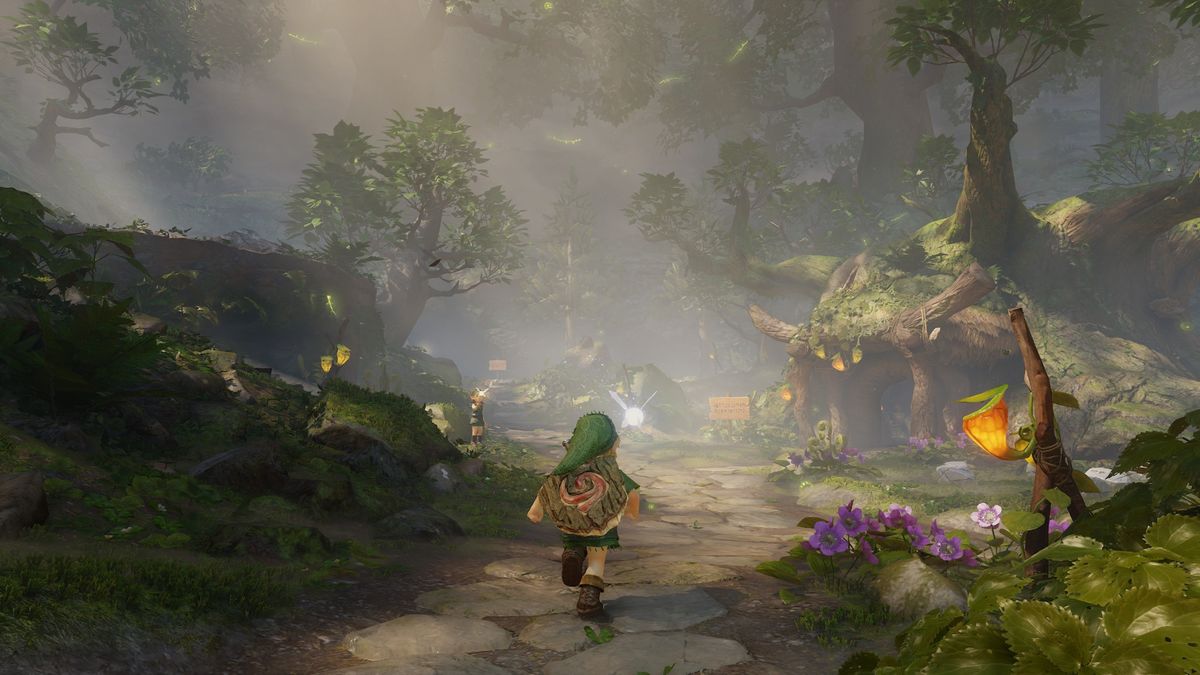
The public reaction has been polarized but enthusiastic. Online forums and social media platforms have seen intense debates regarding the "uncanny" nature of the new art style. Critics of the aesthetic argue that the move toward realism loses the charm of the original’s stylized, artistic direction. Conversely, proponents argue that the game acts as a technical marvel that finally realizes the original vision of the development team without the limitations of 90s-era hardware.
Broader Context: The Future of the Zelda Franchise
The 40th anniversary of the franchise acts as a pivot point for the series. Having achieved massive commercial and critical success with the open-world mechanics of Breath of the Wild and Tears of the Kingdom, the release of a linear, narrative-focused remake indicates that Nintendo is not abandoning its roots.
The success of this remake could potentially open the door for similar high-budget treatments of other "missing" titles in the series, such as The Legend of Zelda: Twilight Princess or The Legend of Zelda: The Wind Waker. For now, the industry is focused on November 5, 2026. As the release date approaches, retailers are preparing for what is expected to be one of the fastest-selling software launches in the company’s recent history. The combination of hardware-integrated mechanics, the return of a beloved classic, and the prestige of the 40th anniversary provides a compelling case for the Switch 2, solidifying its importance in the upcoming console cycle.
In summary, the Ocarina of Time remake represents a strategic synthesis of the company’s past and future. By investing in the preservation and modernization of its legacy, Nintendo is not just catering to the nostalgia of long-term fans; it is asserting its dominance in the action-adventure market by demonstrating that its core gameplay loops remain as potent today as they were nearly three decades ago. The technical, economic, and cultural weight of this project ensures that it will be a focal point of discussion well beyond its November release.