Stephan Fleet Closes Out Eight Years on Prime Video Superhero Satire The Boys Following Landmark Series Finale

The television landscape has officially bid farewell to one of its most audaciously subversive and visually groundbreaking projects with the conclusion of Prime Video’s hit series, The Boys. Created by Eric Kripke and adapted from the provocative comic book series by Garth Ennis and Darick Robertson, the satirical superhero drama wrapped up its celebrated run after defining a unique era of dark, R-rated comic book adaptations. For Emmy-nominated Visual Effects Supervisor Stephan Fleet, the series finale also marks the end of an extraordinary professional milestone. After steering the show’s digital aesthetics across 40 episodes over eight years, Fleet finds himself looking for his next project for the first time in nearly two decades.
From the chaotic inception of Season 1 through the unprecedented global disruptions of the COVID-19 pandemic and industry-wide guild strikes, Fleet’s tenure on The Boys represents a rare, unbroken creative continuity in modern television. Managing a complex pipeline that married practical stunts with outrageous digital gore and satirical superhero spectacles, Fleet leaves behind a legacy that fundamentally altered how visual effects are utilized in contemporary television streaming.
The Genesis of a Satirical Visual Language
When The Boys premiered on Prime Video, it faced a distinct creative challenge: it had to mimic the glossy, multi-million-dollar aesthetic of traditional cinematic superhero universes while simultaneously mocking them. Fleet and his specialized visual effects department were tasked with subverting genre tropes at every turn. Rather than deploying clean, heroic displays of power, the series leaned heavily into grit, practical grounding, and visceral consequences.
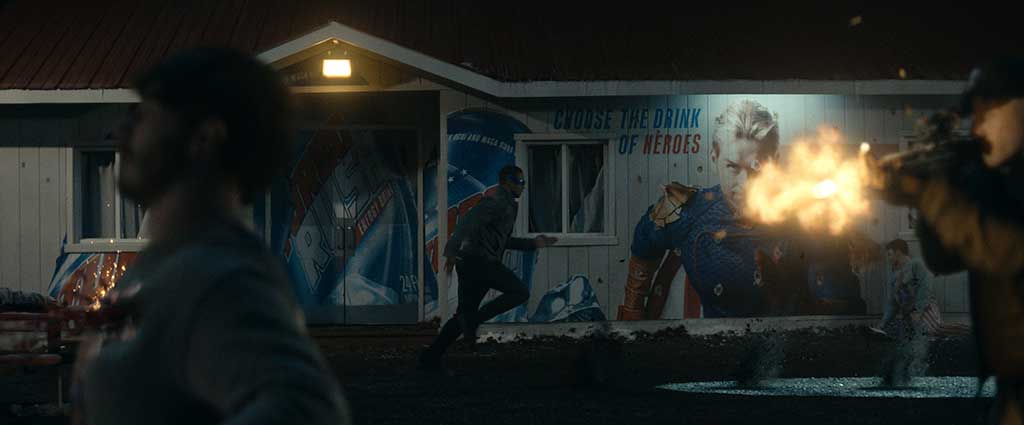
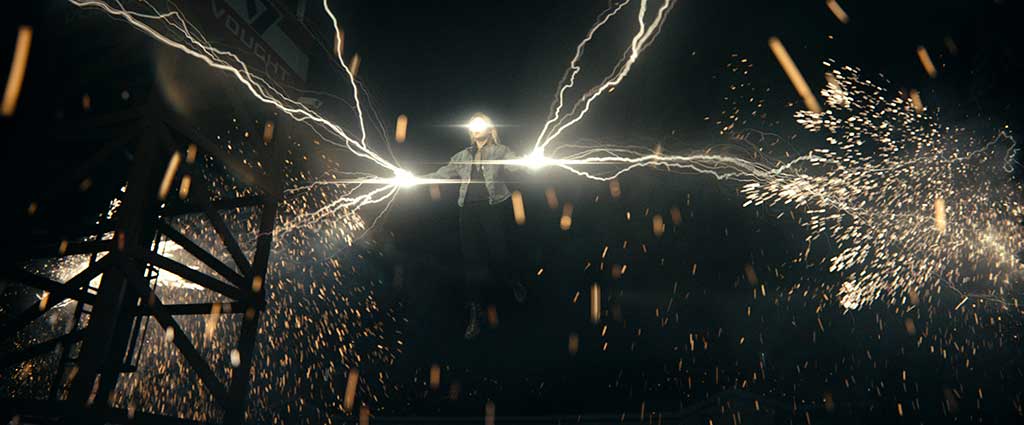
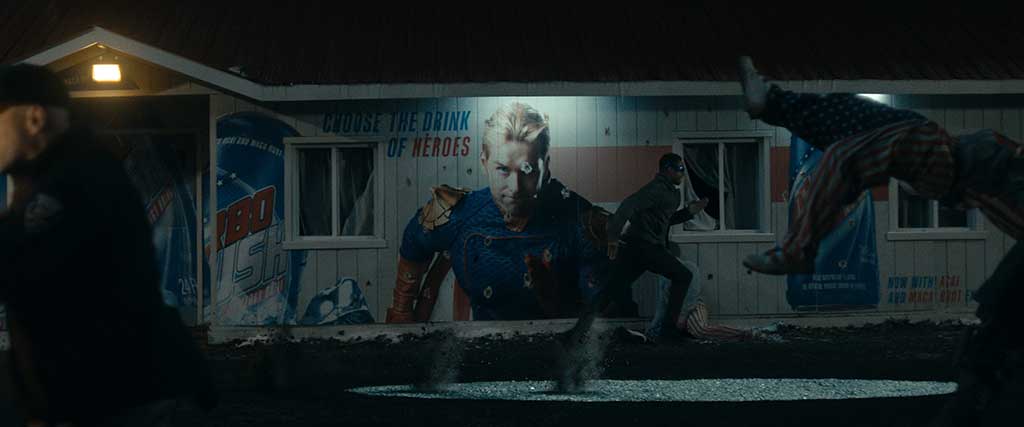
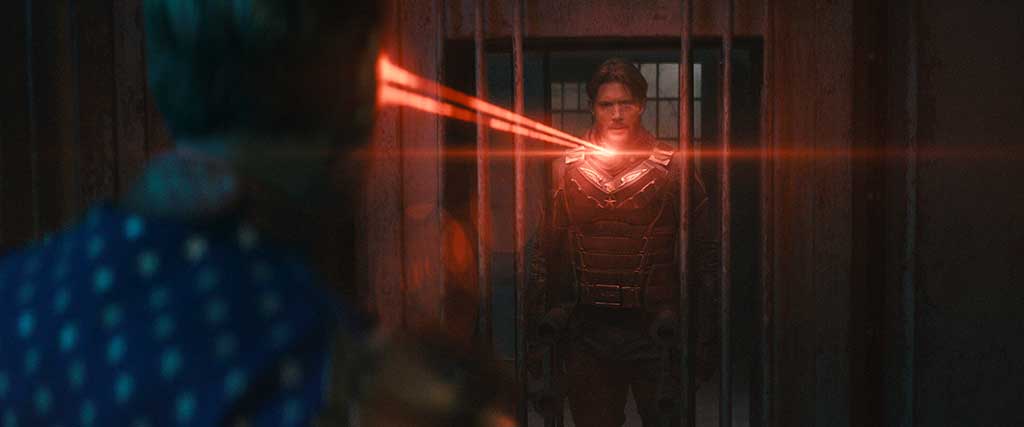
This philosophy shaped everything from Homelander’s signature heat vision—which was meticulously crafted with an anamorphic lens look, subtle visual breakups, and a soft, unsettling glow—to the intricate anatomy of superpower manifestations. For instance, when Soldier Boy charged up his devastating energy blast in earlier seasons, the production utilized a subtle gravitational pull effect near his feet, represented by shifting rocks and localized kinetic disturbance. Fleet noted that this specific visual cue was originally developed during pre-visualization for Season 3, only to be later adopted by the series writers as a core storytelling device for Kimiko in Season 5. This symbiotic relationship between the writers’ room and the visual effects department underscored the collaborative nature of the production.
Navigating Technical Obstacles and Full-CG Sequences
While the series prided itself on maintaining a relatively low, targeted shot count per episode—averaging between 1,600 and 1,800 visual effects shots across an eight-episode season—it frequently relied on high-complexity sequences that pushed digital studios to their absolute limits. By intentionally keeping the overall shot volume manageable, Fleet could reallocate the budget toward sequences that demanded absolute visual fidelity.
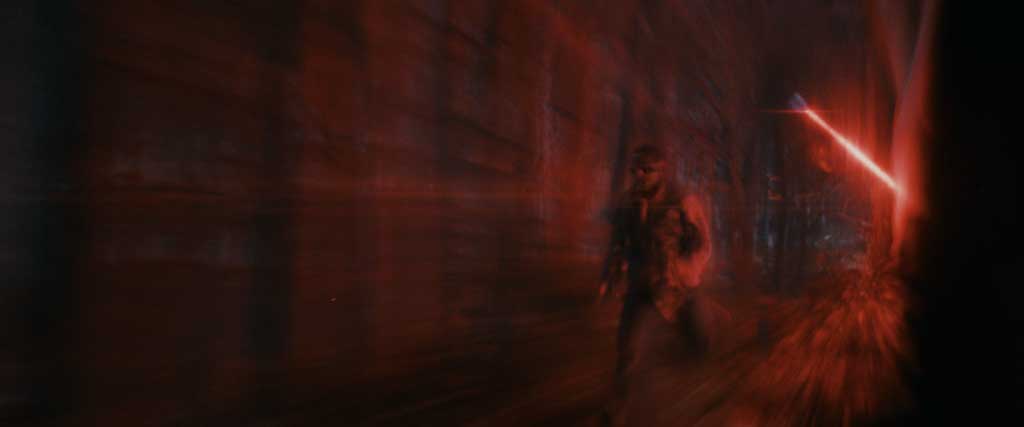
Among the season’s most technically demanding feats was a sequence set in a subterranean tunnel beneath the White House. Reminiscent of classic cinematic hallway shootouts, the scene required intense gunplay, dynamic lighting, and cascading muzzle flashes entirely executed through digital augmentation. Because of strict physical location constraints, the sequence was handled almost entirely by visual effects studio El Ranchito. Similarly, strict property restrictions in a private mansion forced the production to execute a high-profile cameo sequence entirely through digital gore, turning explosive celebrity deaths into fluid visual effects rather than practical blood squibs.
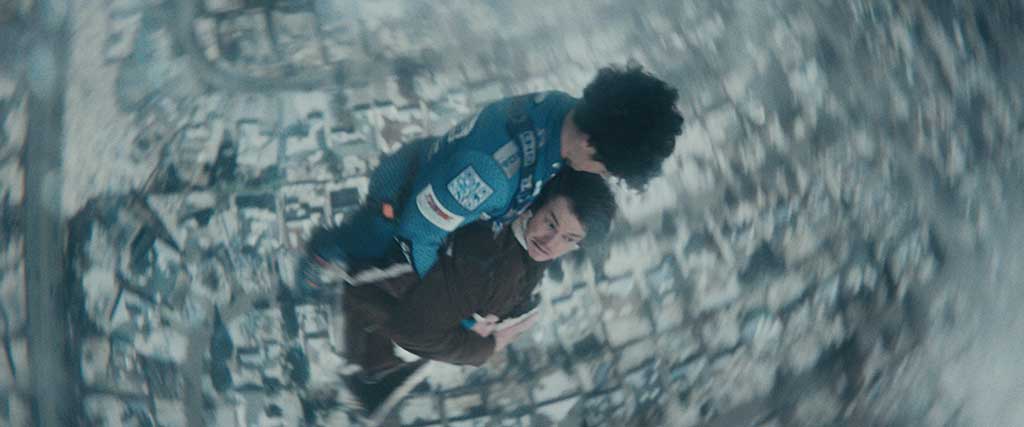
Another massive undertaking involved a high-speed nocturnal pursuit between Homelander and A-Train. Rather than capturing the impossible velocity of the characters practically, the sequence was constructed using a combination of close-up greenscreen performance plates and fully computer-generated environments. Working within the cover of night, digital artists layered in dense digital foliage, complex lighting flickers, and high-velocity motion blur to convey staggering speed without endangering the principal cast members.
Practical Innovation Meets Digital Precision
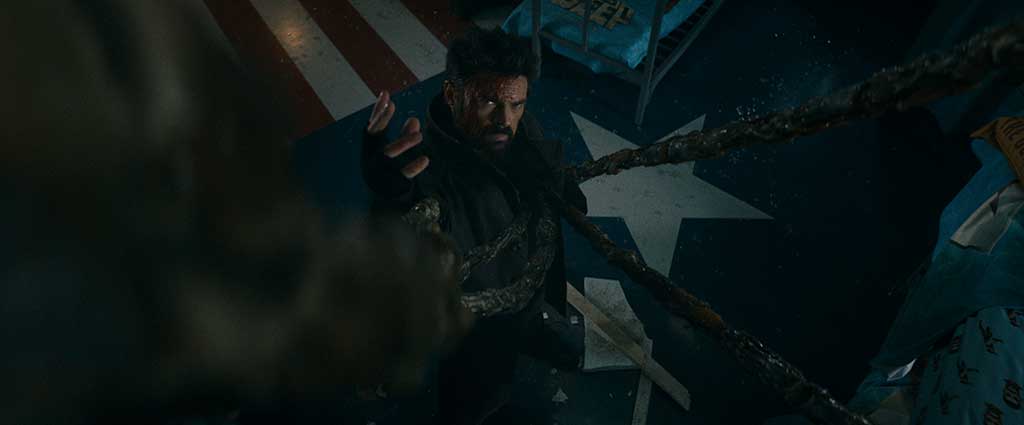
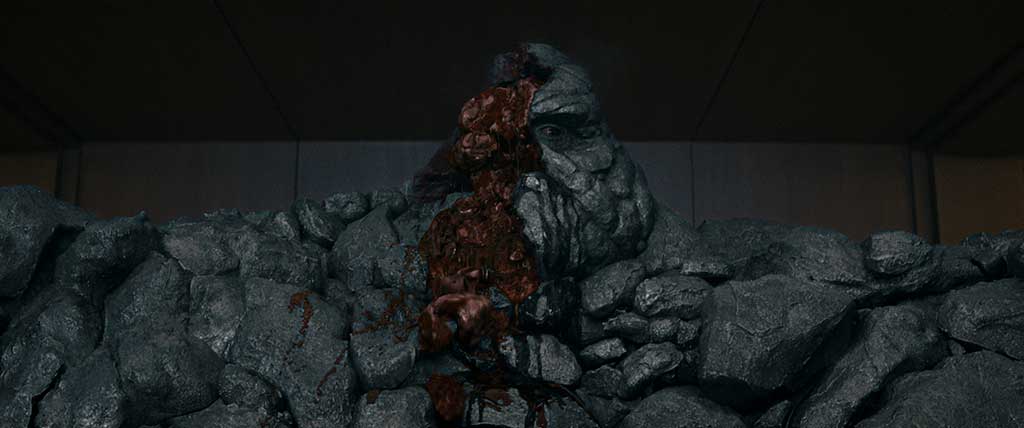
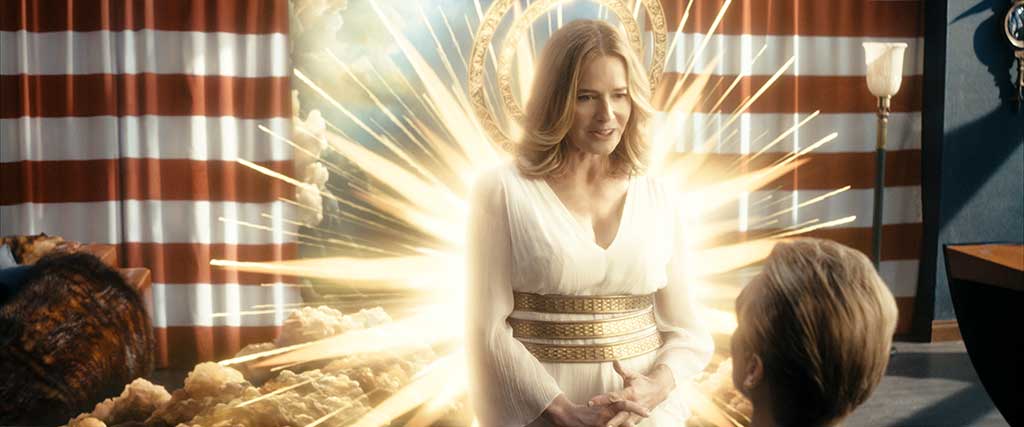
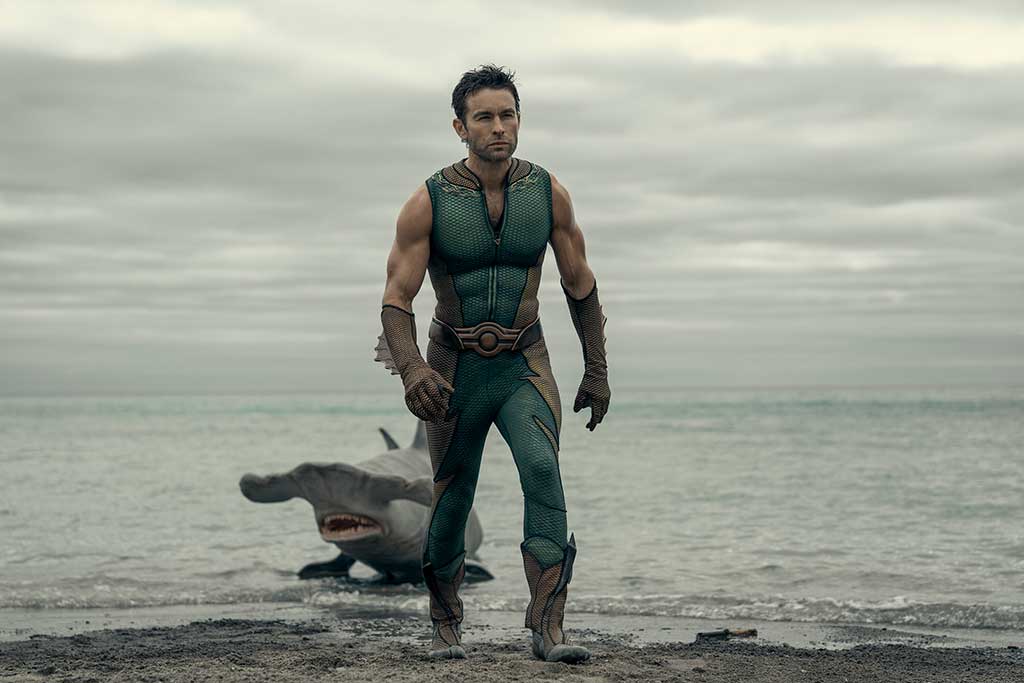
Despite the heavy reliance on computer-generated imagery for extraordinary feats—such as an octopus tentacle impaling The Deep or the gruesome aftermath of Billy Butcher dispatching Homelander in the Oval Office with a crowbar—Fleet remained a staunch advocate for practical actor interactions. Whenever possible, the production avoided substituting physical reality with abstract placeholders like tennis balls.
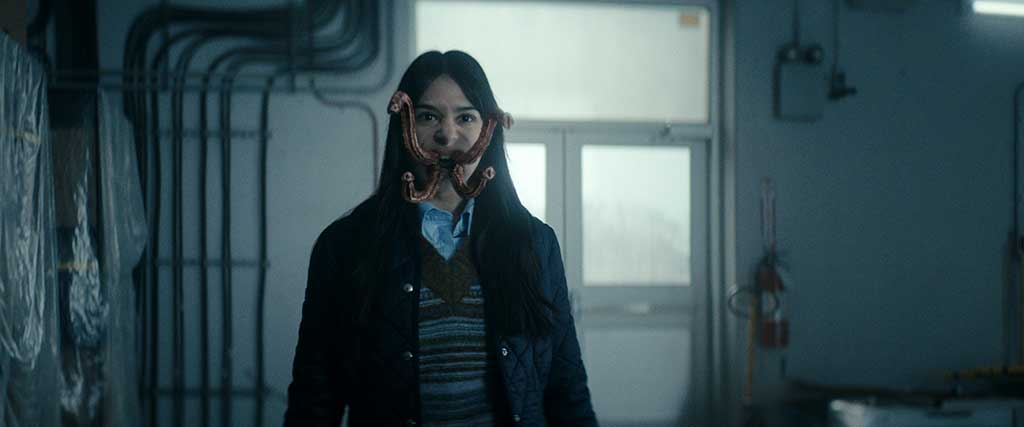
During the filming of a visceral underwater sequence involving The Deep, the special effects and prosthetic departments manufactured physical dummy tentacles equipped with internal wiring. This allowed crew members to physically tug at the actor’s leg, ensuring a genuine physical reaction to accompany the digital sea life. Similarly, a dynamic sequence involving the main characters spinning 360 degrees inside a moving vehicle was achieved without greenscreen stages. The special effects and picture car teams engineered a custom mechanical gimbal built directly onto a practical street location, allowing real houses and environments to spin organically outside the windows as the actors performed.
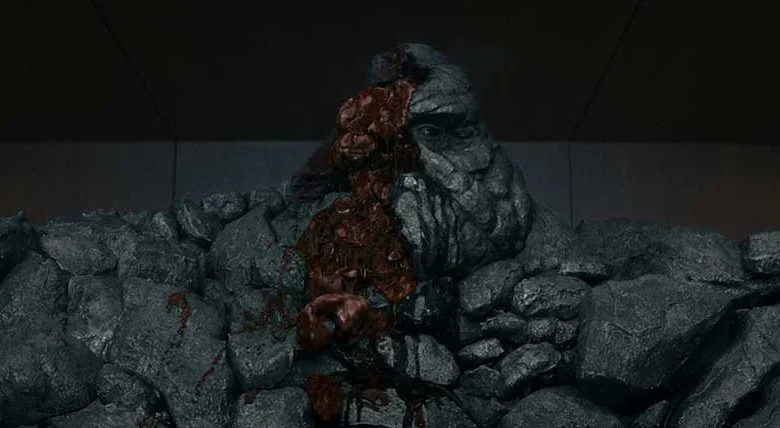
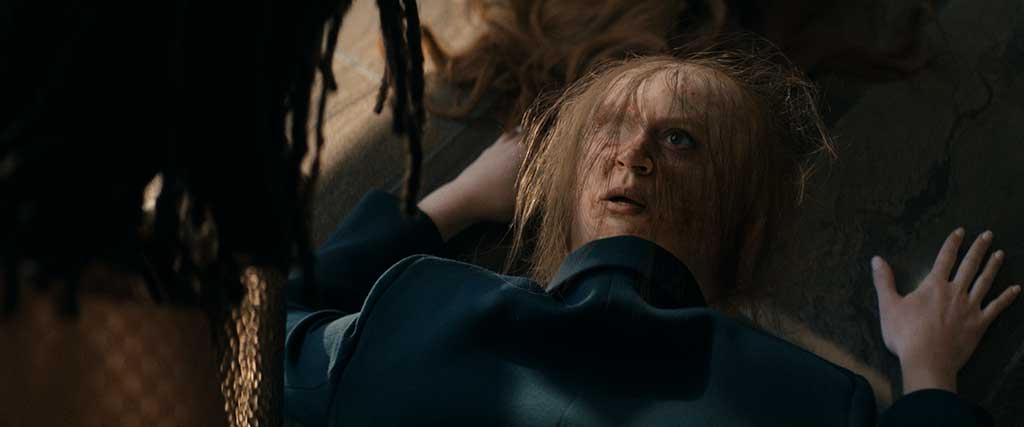
Perhaps the most intricate digital hurdle of the final season, however, involved a surreal creature concept integrated directly onto the human body: grafting a fully digital, talking head onto the back of Ashley Barrett, played by Colby Minifie. The production constructed a specialized camera array and helmet rig to capture comprehensive facial performance data across multiple takes. Visual artists then meticulously blended the digital skin work and performance audio, ensuring the parasitic appendage felt like a living, breathing entity rather than a superficial digital overlay.
Collaborative Culture and Industry Implications
Reflecting on his nearly decade-long journey, Fleet emphasizes that his primary takeaway transcends the technical achievements on screen. The collaborative ecosystem fostered by showrunner Eric Kripke allowed the visual effects department to integrate seamlessly with nearly every other branch of production, from picture cars and prosthetics to cinematography and writing.
The visual effects work was distributed among a top-tier roster of international studios, including DNEG, Eyeline, Soho VFX, El Ranchito, Untold Studios, Spin VFX, and Splice. This vast network of artists maintained a consistently high standard of quality even as production schedules compressed and industry pressures mounted.
As Fleet steps away from the universe of The Boys, the industry-wide implications of the show’s visual effects methodology remain clear. By demonstrating that high-concept superhero satire can successfully balance grounded practical filmmaking with targeted, high-impact digital augmentation, the series has left an indelible mark on modern television production standards. For Fleet, who leaves the project having cultivated deep professional and personal relationships, the conclusion of the series closes a remarkable chapter while setting a high benchmark for whatever speculative fiction endeavors follow next in his career.