Other World Computing expands connectivity ecosystem with new USB4 hub and long-reach active optical cables


Other World Computing (OWC), a long-standing leader in the high-performance peripheral market, has officially announced the expansion of its connectivity product line with the introduction of a new 6-port USB4 Hub and a series of high-speed USB4 Active Optical Cables. This strategic move aims to address the growing demand for streamlined, high-bandwidth desktop environments for laptop users, particularly as the industry transitions toward universal standards that consolidate data, display, and power delivery into single-cable solutions.
The new hub, engineered to serve as a central nexus for modern mobile workstations, provides a robust solution for professionals, content creators, and remote workers who require desktop-grade connectivity without the traditional clutter associated with port replication. Simultaneously, the release of 3-meter and 5-meter Active Optical Cables (AOC) addresses a persistent pain point in professional workflows: the signal degradation that typically limits the length of high-speed copper cabling.
Technical Specifications and Versatility
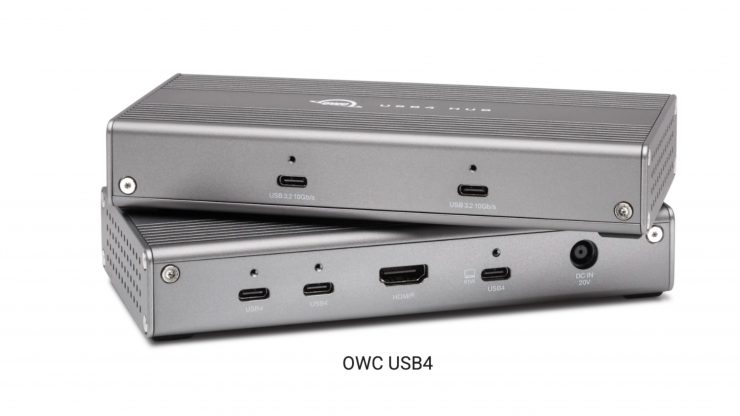
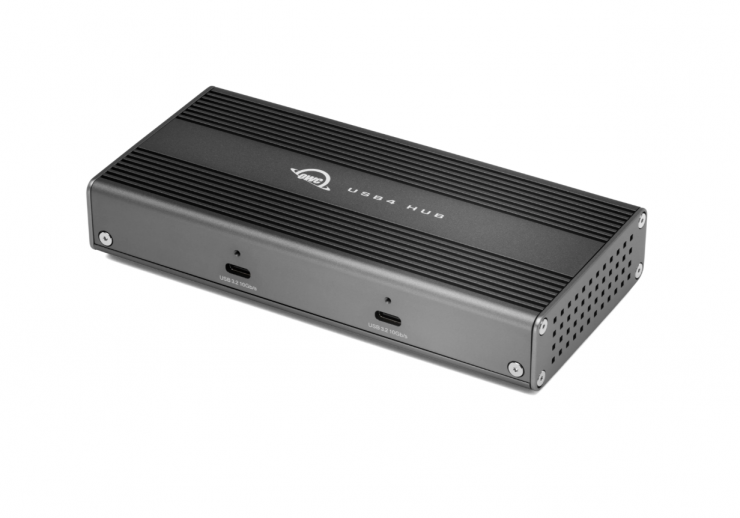
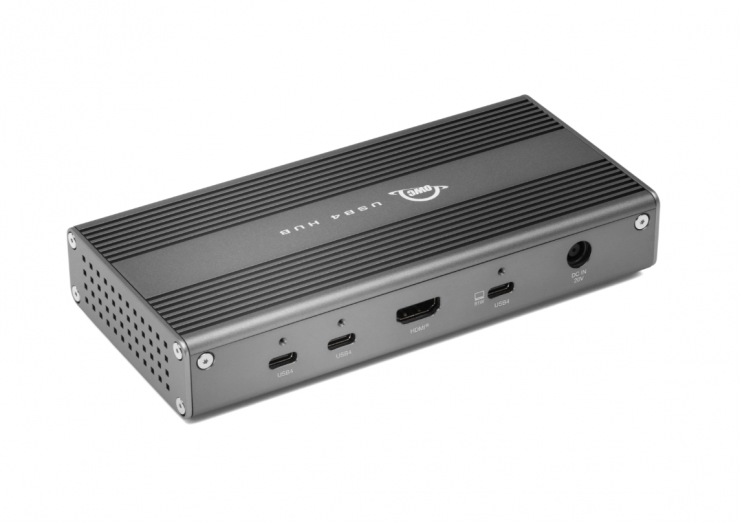
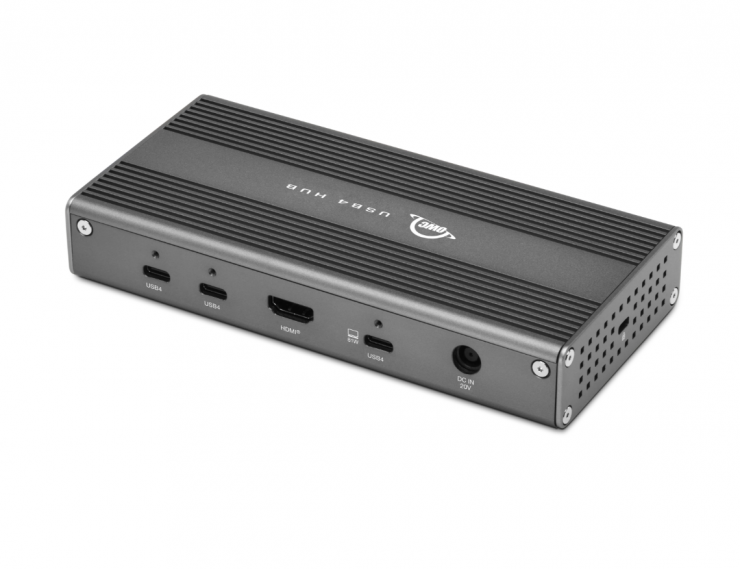
The OWC USB4 Hub is designed to act as a bridge between portable computers and high-performance peripherals. With a total bandwidth capacity of 40Gb/s, the device supports a wide array of high-speed data transfers, external storage arrays, and high-resolution display outputs. The hub features a 6-port configuration, comprising two USB4 downstream ports, two USB-C ports, and a dedicated HDMI 2.1 port capable of supporting high-refresh-rate displays.
Beyond data throughput, the hub facilitates power delivery, offering up to 81W of charging power through a single USB4 connection. This is a critical feature for modern laptop users, as it eliminates the need for a secondary power brick during office hours. Compatibility is broad, spanning across Apple’s macOS ecosystem, Windows-based laptops, Linux distributions, and Chrome OS devices, as well as the iPad Pro. Furthermore, the hub maintains backward compatibility with Thunderbolt 3, Thunderbolt 4, and Thunderbolt 5, as well as legacy USB-C standards, ensuring that users can integrate both older and newer peripherals into a single, unified workspace.
The Evolution of USB4 and Optical Connectivity
The introduction of these products occurs at a pivotal moment in the evolution of consumer and professional connectivity standards. USB4, which is built upon the protocol specifications of Thunderbolt 3, represents a significant leap in how peripherals interact with host computers. By utilizing a common protocol, USB4 allows for the dynamic sharing of bandwidth between display and data traffic, a process known as protocol tunneling.
The inclusion of Active Optical Cables (AOC) in the OWC catalog is particularly significant for users in the production, broadcast, and high-end audio-visual sectors. Traditionally, USB4 and Thunderbolt copper cables have been limited to lengths of approximately 0.8 to 2 meters due to signal loss. By employing optical fiber to transmit data, OWC’s new 3-meter and 5-meter cables overcome these physical limitations. This enables greater flexibility in studio configurations, such as connecting a laptop to an equipment rack or a display located across a room, without compromising the 40Gb/s data integrity.
Strategic Market Positioning
OWC has consistently focused on the "prosumer" and professional segments of the hardware market. By providing high-bandwidth, high-reliability solutions, the company occupies a unique space that sits between budget-focused consumer electronics and ultra-expensive enterprise infrastructure.
Industry analysts note that as laptops become the primary computing device for an increasing percentage of the workforce, the demand for "one-cable docking" has reached a saturation point. Most modern high-performance laptops are being manufactured with fewer physical ports to accommodate thinner form factors, effectively forcing users to rely on hubs and docks. OWC’s decision to launch this specific hub suggests a targeted effort to capture users who are transitioning from older Thunderbolt 3 docks to the more versatile and future-proof USB4 standard.
Chronology of Development and Availability
The release follows a steady pattern of development for the USB4 standard, which saw its initial specification release in 2019. Since that time, OWC has been a primary contributor to the hardware ecosystem surrounding the protocol. The following timeline outlines the transition of these technologies into the current market:
- 2019: The USB Implementers Forum (USB-IF) releases the USB4 specification, based on the Thunderbolt 3 protocol.
- 2020-2022: Initial adoption of USB4 begins in high-end laptops, though compatible peripheral hardware remains scarce.
- 2023: The market sees a surge in USB4-certified peripherals as component costs decrease and mainstream laptop manufacturers standardize the port.
- October 2024: OWC announces the formal availability of the USB4 Hub and Active Optical Cables, marking a significant expansion of their connectivity portfolio.
The OWC USB4 Hub is scheduled for a late October release with a retail price of $129.99 USD. The Active Optical Cables are slated for a mid-October release, with the 3-meter version priced at $98.99 USD and the 5-meter version at $129.99 USD.
Implications for the Modern Workspace
The shift toward 40Gb/s connectivity standards has profound implications for digital workflows. For video editors, the ability to chain multiple 4K monitors while simultaneously transferring massive raw data files from external NVMe SSDs requires a level of bandwidth that only USB4 or Thunderbolt 4/5 can provide.
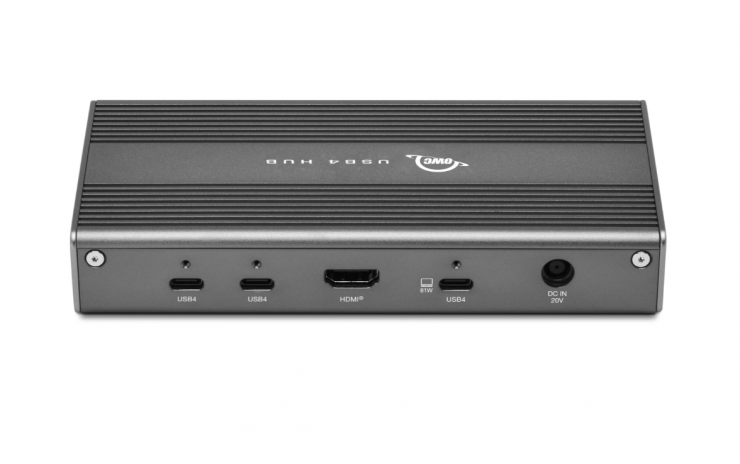
Furthermore, the integration of HDMI 2.1 into the hub signifies an acknowledgment of the increasing prevalence of high-refresh-rate displays in professional offices. HDMI 2.1 allows for higher resolutions and refresh rates, such as 4K at 120Hz or 8K at 60Hz, which are becoming standard requirements for UI designers, creative professionals, and those using high-end graphical applications.
The power delivery aspect of the hub also addresses the ongoing concern of energy management in mobile computing. By centralizing power delivery, the OWC hub reduces the thermal stress on the laptop’s internal charging circuitry and ensures that high-demand peripherals are adequately powered without drawing exclusively from the laptop’s internal battery. This is particularly beneficial for users operating devices like the iPad Pro or ultra-thin Windows laptops, which may have limited power input capabilities.
Official Stance and Technical Reliability
While OWC has not released a formal executive statement, the company’s product documentation emphasizes a commitment to "plug-and-play" reliability. This is a critical factor for professional users who cannot afford downtime due to driver conflicts or hardware compatibility issues. By ensuring that their hub is compatible across Mac, Windows, Linux, and Chrome OS, OWC is positioning itself to be the vendor of choice for mixed-platform IT environments.
The use of Active Optical technology also suggests a long-term strategy for OWC. As display resolutions continue to increase—with 8K monitors entering the consumer market—the reliance on high-speed copper will become increasingly difficult. Optical fiber, by contrast, is essentially future-proof for the current generation of bandwidth requirements, as it is immune to electromagnetic interference (EMI) and offers superior signal stability over longer distances.
Conclusion and Future Outlook
The launch of the OWC USB4 Hub and the corresponding Active Optical Cables represents a milestone in the normalization of high-bandwidth connectivity. By simplifying the desktop experience and offering solutions for the inherent limitations of copper cabling, OWC continues to facilitate the trend of "laptop-first" computing. As the industry moves toward a future where USB4 becomes as ubiquitous as the legacy USB 3.0 standard once was, hardware manufacturers like OWC will play a vital role in ensuring that professional workflows remain uninterrupted by the hardware limitations of the past.
For the end-user, these developments mean that the desk of the future will be defined by simplicity: a single high-quality cable providing the power, display, and data connectivity necessary to power a full-scale professional workstation. Whether in a home office or a high-end studio, the ability to maintain 40Gb/s throughput over extended distances is a capability that will undoubtedly define the next era of digital productivity.
Related posts: