The Mechanics of Synthetic Nostalgia
At the core of this trend is the ability of Large Language Models (LLMs) like ChatGPT, specifically those equipped with image-generation capabilities, to interpret complex prompts and apply stylistic filters based on deep-learning training sets. Unlike traditional photo editing applications that merely overlay a filter, this process involves the reconstruction of the image. The AI analyzes the facial geometry, skin tone, and structural identity of the subject from an uploaded reference photo and re-renders them within an entirely new context.
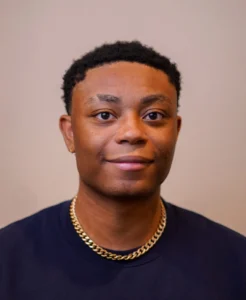
For users participating in this trend, the process is straightforward but requires specific prompting to achieve the desired aesthetic. By providing a clear, well-lit portrait, users can instruct the AI to place them in iconic 1980s settings—such as a shopping mall arcade, a roller rink, or a suburban living room complete with wood-paneled walls and cathode-ray tube televisions. The AI then synthesizes the lighting conditions, fashion choices, and photographic artifacts—such as "analog grain" or the distinct, harsh lighting associated with 1980s direct-flash photography—to create a convincing, albeit synthetic, period piece.
Chronology of the AI Imaging Trend
While generative AI has been accessible to the public for several years, the trajectory of "image-to-image" trends has accelerated significantly since 2024. The progression can be categorized into three distinct phases:
- The Exploratory Phase (2023–2024): Early adoption focused on text-to-image creation, where users generated fantastical landscapes or abstract art. AI tools were primarily used for novelty rather than personal identity.
- The Caricature and Exaggeration Phase (Early 2025): Users began experimenting with "make it more" trends, where models were pushed to their limits by repeatedly asking for more extreme versions of an image, leading to surreal, often absurd, visual outcomes.
- The Nostalgia and Identity Phase (Late 2025–2026): The current trend marks a shift toward grounded realism. Users are no longer seeking to create cartoons or hyper-exaggerated imagery; instead, they are attempting to rewrite their own personal visual history, effectively "re-photographing" their lives as if they were living in previous decades.
Technical Data and User Challenges
Despite the excitement, the transition from modern digital capture to 1980s-era photography is fraught with technical inconsistencies. Data collected from social media discussions, including forums like Reddit, indicates that while the AI excels at environmental styling, it frequently struggles with the fidelity of facial features.

Common issues reported by users include the "uncanny valley" effect, where the AI-generated face retains the general shape of the subject but alters subtle micro-expressions, leading to a result that feels foreign to the user. Furthermore, the handling of hands, background text, and complex clothing patterns remains a significant hurdle for current models. In response, industry experts suggest that users must iterate—providing feedback to the model by specifying that it should "preserve the original facial structure" while adjusting the surrounding environment.
The Sociological Implications of AI-Driven Nostalgia
The popularity of this trend raises questions regarding the role of digital memory in the age of AI. Sociologists observe that this behavior is not merely about aesthetic preference; it is a manifestation of "digital revisionism." By curating these snapshots, users are essentially creating a parallel timeline.
Dr. Helena Vance, a digital media analyst, notes, "There is a psychological comfort in retro-aesthetics. The 1980s, as represented in popular culture, are often associated with simplicity and tactile experiences. Using AI to insert oneself into that era is a way of reclaiming a sense of analog authenticity in a world that feels increasingly saturated by high-definition, high-pressure digital environments."
However, this trend also underscores the ongoing debate regarding the erosion of truth in visual media. As these tools become more refined, the line between a "snapshot" and a "generation" becomes increasingly blurred. While most users engage with this for personal amusement, the proliferation of AI-altered personal photos complicates the broader effort to distinguish between authentic historical documentation and synthesized content.
Best Practices for Achieving Authentic Results
For those looking to engage with this trend, achieving a high-quality result requires a structured approach to prompting. Based on successful iterations seen on platforms like X (formerly Twitter) and Instagram, the most effective prompts include:

- Identity Anchoring: Explicitly instructing the model to keep the subject’s "natural skin tone, eye shape, and facial structure" is essential.
- Environmental Context: Providing specific details about the setting—such as the presence of a "boxy television" or "wood-paneled walls"—helps the AI anchor the image in the correct era.
- Technical Specifications: Describing the photographic medium is critical. Using terms like "analog film grain," "direct flash," or "slightly faded colors" signals the AI to move away from the crisp, high-dynamic-range look of modern smartphone photography.
Future Outlook and Ethical Considerations
As we look toward the remainder of 2026, it is highly likely that these trends will continue to evolve toward higher levels of interactivity. Developers are already testing models that allow for the maintenance of a consistent "digital avatar" across multiple generated images, which would allow users to create entire "albums" of their lives in different decades.
However, stakeholders in the tech industry have cautioned users about the privacy implications of uploading personal photographs to centralized AI servers. While companies like OpenAI maintain that user data is handled according to strict privacy policies, the mass ingestion of personal images for generative purposes remains a point of contention for privacy advocates.
Furthermore, as the quality of these images improves, the potential for misuse—such as the creation of non-consensual imagery—remains a critical concern for regulators. For now, the "80s trend" remains a benign, albeit telling, reflection of our current relationship with technology: we are a society that is increasingly capable of recreating the past, yet still grappling with the implications of letting machines define our present. Whether this trend persists as a fleeting viral moment or becomes a standard feature of personal digital expression, it remains a testament to the power of generative AI to transform the way we view ourselves and our history.