ARRI Integrates SMPTE ST 2110 Support into the ALEXA 35 Live Multicam System to Revolutionize IP-Based Broadcast Workflows

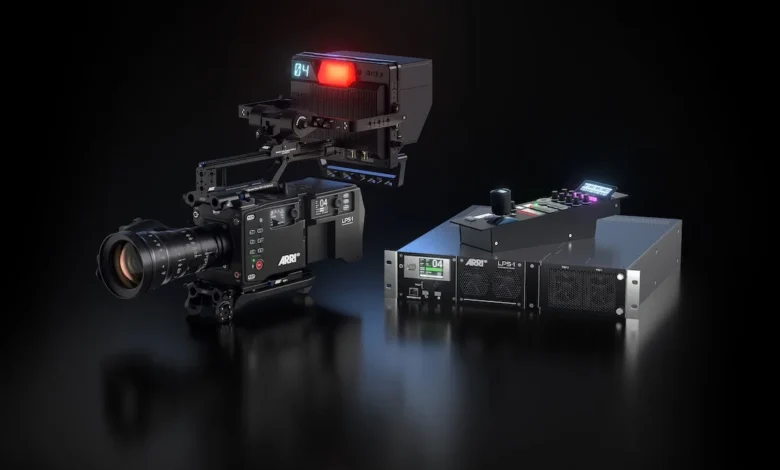
The landscape of professional broadcast production is undergoing a profound transformation as the industry pivots away from traditional baseband SDI (Serial Digital Interface) toward high-capacity, flexible IP-based infrastructures. In a significant move to align its flagship cinema-grade technology with these modern standards, ARRI has officially introduced SMPTE ST 2110 support for the ALEXA 35 Live Multicam System. This strategic update, delivered via Software Update Package (SUP) 1.5.0 for the Live Production System (LPS-1), allows high-end cinematic visuals to be seamlessly integrated into complex, large-scale broadcast environments, including stadiums, global sports arenas, and remote production hubs.
By enabling direct ST 2110 connectivity through a permanent software license, ARRI is effectively removing the barrier between the "cinematic look" of the ALEXA 35 sensor and the high-speed, interoperable requirements of modern IP broadcast networks. This development represents a critical milestone in the convergence of high-end digital cinematography and the demanding requirements of live, real-time television production.
The Evolution of the ALEXA 35 Live Ecosystem
The ALEXA 35 Live Multicam System was originally designed to bring ARRI’s renowned ALEV 4 sensor technology into the realm of live broadcast. Since its inception, the system has been favored by directors of photography who demand the dynamic range and color science of ARRI cameras but require the workflow efficiencies of a multicam setup. However, prior to this update, integrating these cameras into fully IP-native facilities required cumbersome gateway hardware or conversion layers, which could introduce latency and operational complexity.
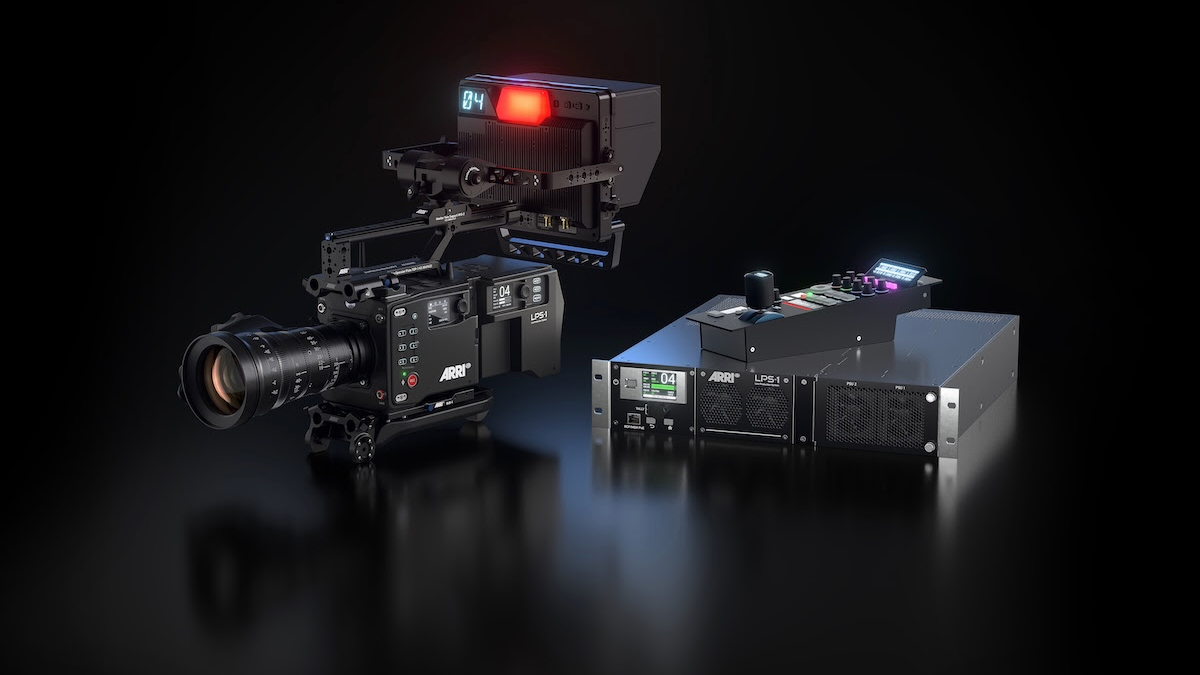
The introduction of the LPS-1 SUP 1.5.0 changes this dynamic. By moving the processing of the ST 2110 protocol directly into the Live Production System, ARRI has streamlined the data pipeline. The system now utilizes a 25GbE full-duplex connection, a standard that provides the bandwidth necessary for uncompressed video transport alongside critical metadata and audio streams. This shift is not merely an incremental software change; it is a structural realignment of how ARRI equipment interacts with the broader broadcast ecosystem.
Technical Capabilities and Interoperability
At the heart of the new ST 2110 integration is a robust architectural framework designed to handle the high throughput required for professional live sports and entertainment. The implementation supports the independent routing and control of uncompressed video, multichannel audio, and time-sensitive metadata.
Specifically, the system can now manage:
- Dual Uncompressed UHD Feeds: The ability to transport two simultaneous UHD camera signals over IP without the lossy compression often found in consumer or lower-tier professional gear.
- Return-Video and AUX Channels: Multiple return channels for monitoring and tally, essential for high-end studio operations.
- High Frame Rate (HFR) Support: The system facilitates HFR slow-motion acquisition over IP, allowing broadcasters to maintain the cinematic texture of the ALEXA 35 while delivering the fluid, high-speed visuals required for sports replays.
Crucially, the architecture adheres to the AMWA (Advanced Media Workflow Association) NMOS standards. This is a vital component for facility managers, as it ensures that the ARRI system can be automatically discovered and managed within existing network environments. By supporting IS-04 (Discovery and Registration), IS-05 (Device Connection Management), and IS-08 (Audio Channel Mapping), among others, the LPS-1 ensures that the camera system is not an "island" but a fully integrated participant in the facility’s master control room.
Furthermore, the implementation of Precision Time Protocol (PTP) synchronization is perhaps the most significant operational improvement. In an ST 2110 environment, where audio and video packets are transported independently across a network, timing is everything. PTP allows the ARRI system to stay perfectly synced with the master clock of the broadcast facility, ensuring frame-accurate alignment of video and audio feeds—a prerequisite for live broadcast.
The Shift Toward IP-Based Broadcast Infrastructure
The move toward SMPTE ST 2110 is part of a broader industry-wide transition. For decades, SDI has been the backbone of television production. While robust and reliable, SDI is limited by its physical cabling requirements—each signal requires a dedicated cable. As production scales to 4K, 8K, and high frame rates, the "cable spaghetti" in a traditional flypack or studio becomes a logistical nightmare.

IP-based production solves this by virtualizing the routing. With ST 2110, signals are treated as data packets on a network switch. A single fiber cable can replace hundreds of SDI lines, significantly reducing weight, power consumption, and setup time for remote productions. By embracing this standard, ARRI is positioning itself as a leader in the next generation of broadcast infrastructure, ensuring that its cameras remain the standard for high-end productions regardless of the underlying transport technology.
The interoperability with established ecosystem partners—such as Riedel Communications and SimplyLive—is further evidence of ARRI’s commitment to an open-standard future. By working with these manufacturers, ARRI ensures that its cameras are "plug-and-play" within the most common broadcast control environments, reducing the technical overhead for production crews on the ground.
Official Response and Market Implications
Industry reaction to the update has been largely positive. For broadcast engineers, the primary concern has always been reliability; the transition from SDI to IP has been fraught with challenges regarding network congestion, security, and clock synchronization. By incorporating comprehensive NMOS support and rigorous PTP implementation, ARRI is addressing these technical anxieties head-on.
"The goal is to allow our clients to focus on the creative aspects of their production without being tethered to legacy limitations," notes an industry analyst familiar with the ARRI ecosystem. "By bringing the ALEXA 35 into the ST 2110 fold, ARRI is essentially saying that cinematic quality is no longer a luxury that requires a separate, isolated workflow; it is now a standard component of the modern broadcast chain."
From a commercial standpoint, the introduction of a permanent software license priced at €7,500 reflects the high-end nature of the product. While this represents a capital expenditure for production houses and rental facilities, it is viewed as an investment in future-proofing. As more stadiums and studios upgrade to IP-native infrastructures, the demand for equipment that can communicate natively via ST 2110 will become a primary factor in purchasing decisions.

Broader Impact on Global Production Trends
The adoption of IP-based production is accelerating, particularly in the wake of the global push for remote production (REMI). By using IP, a camera in a stadium can send its feed to a production truck hundreds of miles away with minimal latency. With this new update, the ALEXA 35 Live can now be part of these distributed workflows, enabling global broadcast networks to utilize the cinematic look of ARRI in remote scenarios where it was previously impractical.
The timeline for this transition is clear. Over the past five years, the industry has seen the gradual phase-out of legacy SDI equipment in favor of IP. The arrival of the LPS-1 SUP 1.5.0 is a signal that even the most prestigious cinema-camera manufacturers are now fully committed to the IP standard.
Pricing, Availability, and Implementation
For current users of the LPS-1 system, the SUP 1.5.0 software is currently available for download via the ARRI website. To unlock the ST 2110 functionality, operators must purchase the dedicated license through the ARRI License Shop.
This modular approach—where the hardware remains the same but the capabilities are expanded via software—is a hallmark of modern professional equipment design. It allows facilities to scale their capabilities based on project needs rather than requiring a complete hardware overhaul. For production companies, this means that an existing ALEXA 35 Live system can be upgraded in the field, provided the facility’s network infrastructure is ready to handle the ST 2110 traffic.
As the industry moves forward, the synergy between high-end optics, sensor technology, and IP networking will define the next era of media production. ARRI’s decision to integrate SMPTE ST 2110 support is a strategic play that cements the ALEXA 35’s place in the future of broadcast, ensuring that as networks become faster and more intelligent, the images they carry remain as cinematic and high-fidelity as possible. The transition to IP is no longer a future-looking concept; with this update, it is a present-day reality for any production team utilizing the ALEXA 35 Live system.